
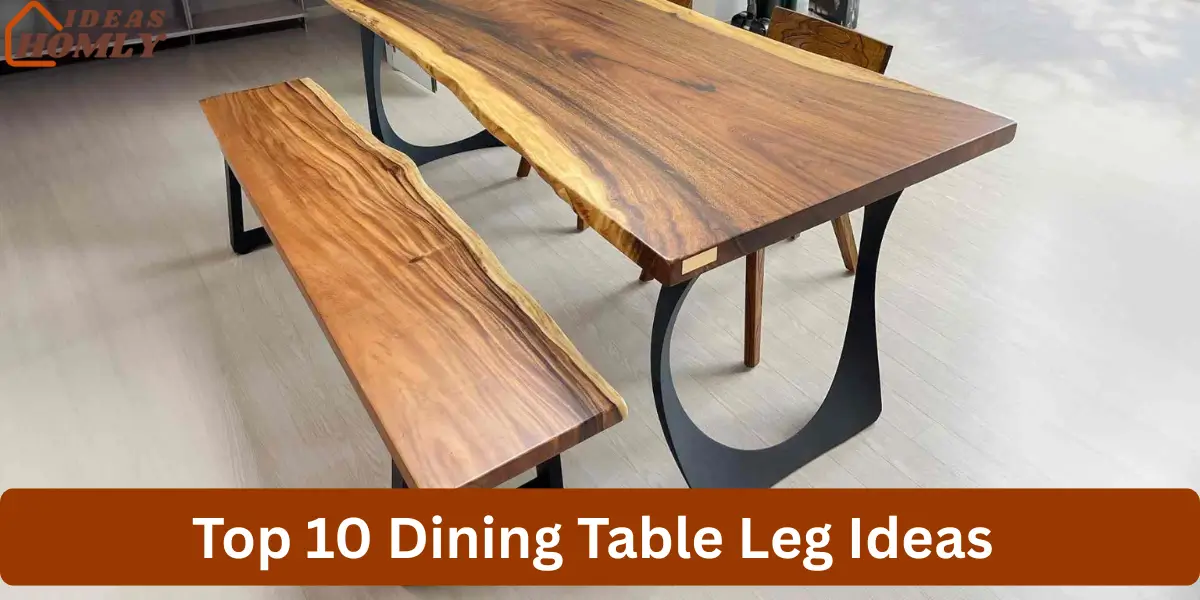

The base of a dining table does far more than hold up the top. I have seen beautifully crafted tabletops lose their impact because the legs lacked proportion or character.
The right foundation defines stability, seating comfort, and overall style. Whether you prefer sculptural metal forms or classic wooden craftsmanship, thoughtful design makes a noticeable difference.
In this guide, I will explore dining table leg ideas that combine structural strength with visual balance, helping you choose a base that enhances both function and the personality of your dining space.
Why the Right Table Base Changes Everything
A dining table leg design influences more than structure. I always evaluate how the base affects seating comfort, stability, and visual weight.
Slim legs create openness, while bold bases anchor the entire room. The choice shapes how the table interacts with chairs and surrounding space.
Now let me walk you through ten dining table leg ideas that combine durability with strong design presence.
1. Classic Turned Wood Legs
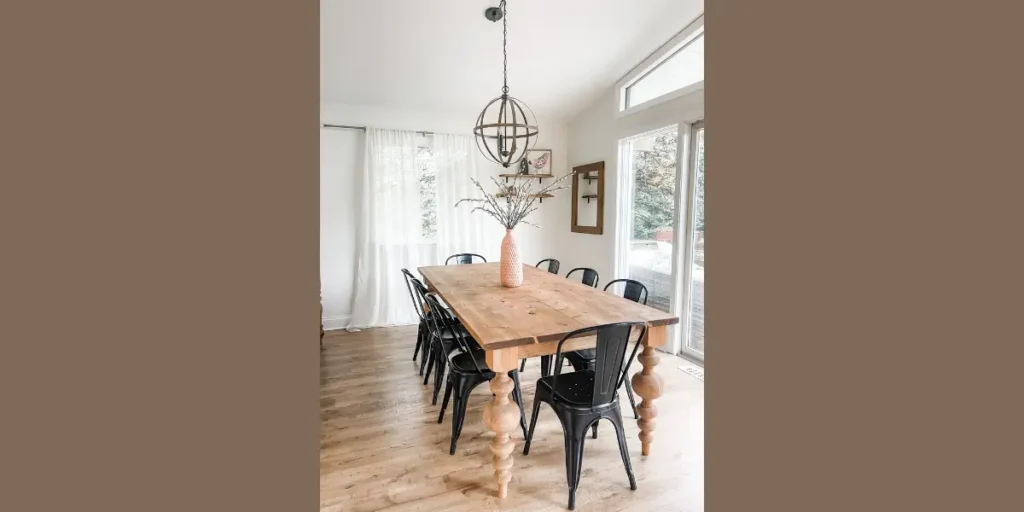
Classic turned wood legs bring craftsmanship and tradition into the dining room. I often recommend this style when homeowners want warmth and visible detailing. The carved curves soften the overall structure.
Turned legs work beautifully in farmhouse or traditional interiors. I prefer solid hardwood for strength and long term durability.
This design feels timeless and grounded. It supports heavy tabletops while adding subtle elegance through its sculpted profile.
2. Sleek Tapered Legs
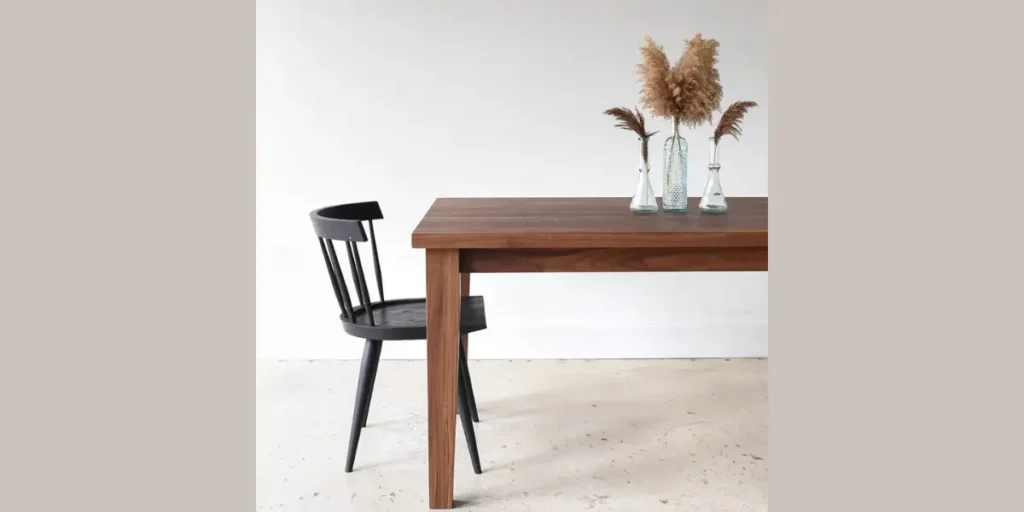
Sleek tapered legs create a lighter, more modern silhouette. I choose this option when I want the table to feel streamlined and balanced. The narrowing shape reduces visual heaviness.
Mid century and Scandinavian interiors benefit from this clean approach. I ensure the angle remains subtle to maintain structural strength.
Tapered legs enhance flow in compact dining rooms. They keep the design minimal while maintaining stability and proportion.
3. Chunky Trestle Base
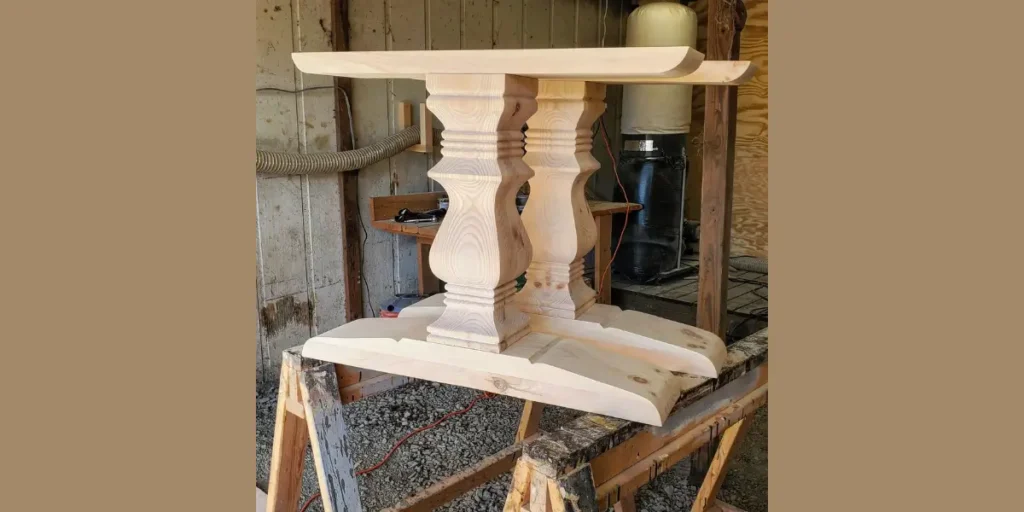
A chunky trestle base delivers bold architectural impact. I use this style for larger dining tables that require strong central support. The horizontal beam reinforces stability.
This design allows comfortable seating along the sides without corner obstruction. I often pair it with rustic or farmhouse tabletops.
Trestle bases create presence and durability. They anchor open layouts and make the table feel substantial without appearing overly ornate.
4. Industrial Metal X Legs
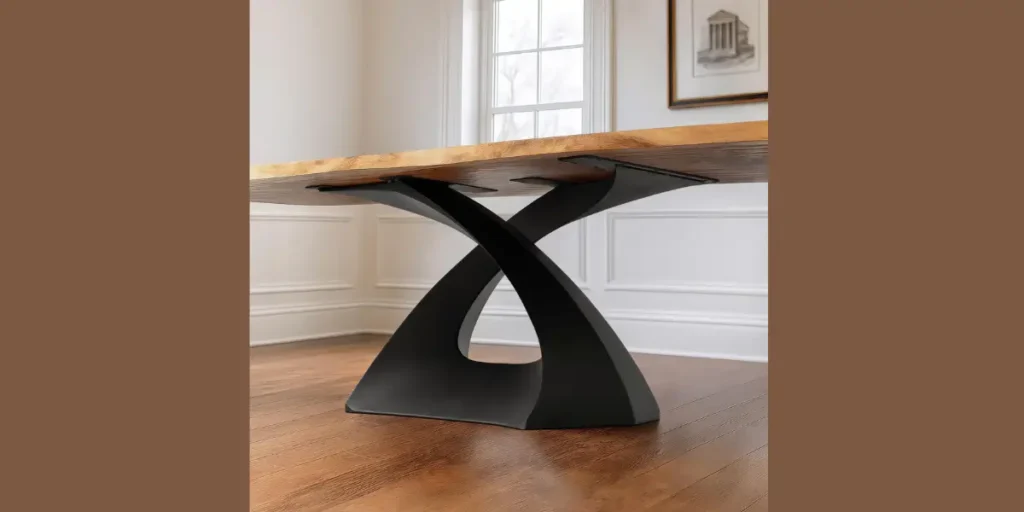
Industrial metal X legs introduce structure and contrast. I prefer powder coated steel finishes for durability and scratch resistance. The crossing design adds symmetry.
Wood tops pair beautifully with metal bases. I balance the industrial strength with warm lighting and natural textures.
This style suits loft and modern farmhouse spaces. It offers both bold visual impact and dependable support.
5. Pedestal Base
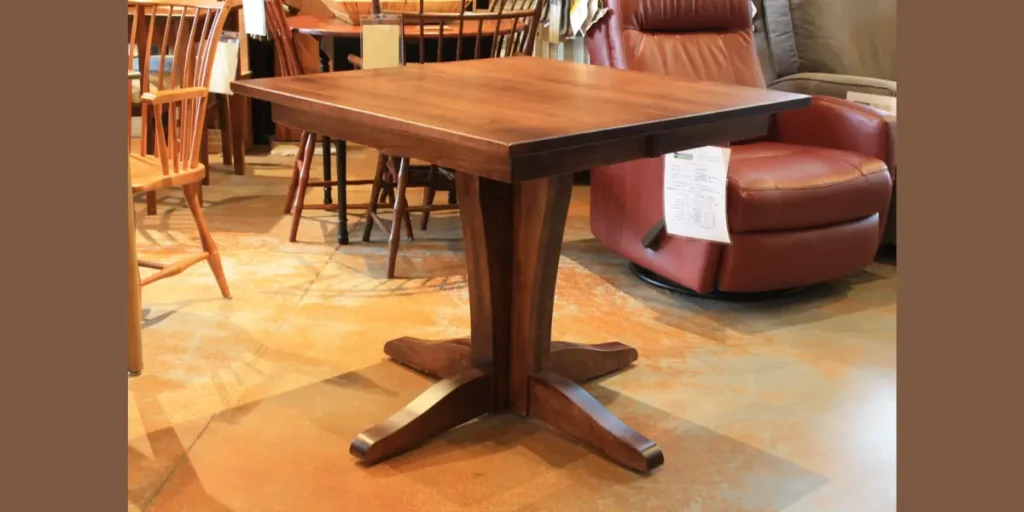
A pedestal base removes corner legs and improves seating flexibility. I often recommend this option for round or oval tables where movement matters.
The single central column provides balanced weight distribution. I ensure the base diameter matches the tabletop proportion.
Pedestal designs create openness and comfort. They enhance flow while maintaining structural integrity.
6. Hairpin Metal Legs
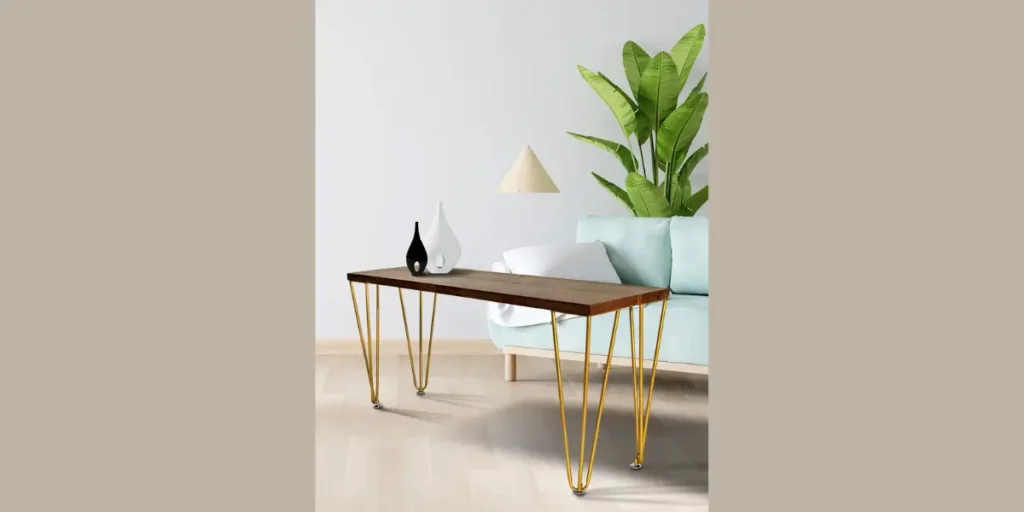
Hairpin legs create a slim and modern look. I appreciate how their lightweight structure makes the table feel visually airy.
Steel construction ensures durability despite the delicate appearance. I typically pair them with wood tops for contrast.
This style fits compact spaces and contemporary interiors. It introduces subtle industrial character without overwhelming the design.
7. Double Pedestal Base
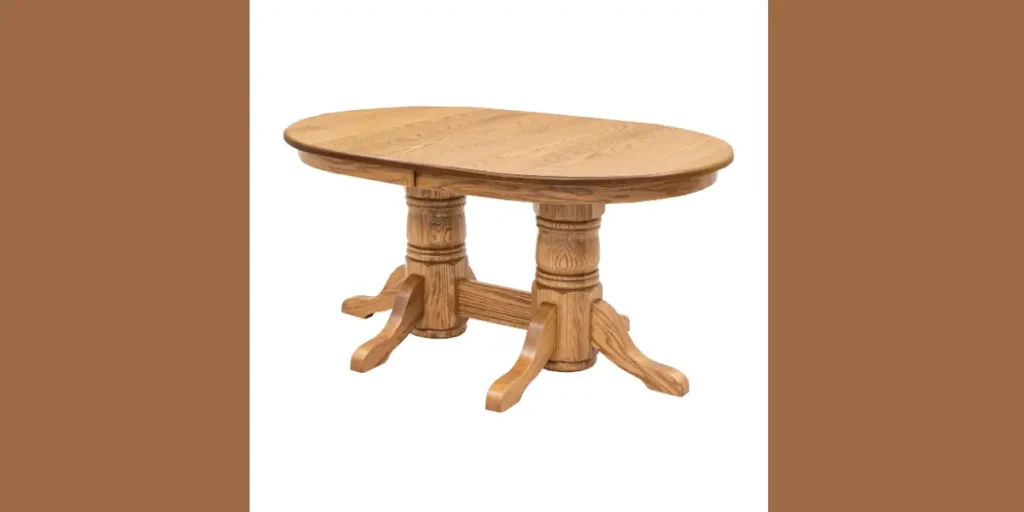
Double pedestal bases provide symmetry and strength for long rectangular tables. I recommend this design for formal dining rooms with larger seating capacity.
The two supports distribute weight evenly and eliminate corner leg restrictions. I focus on proportion to maintain balance.
This option feels refined and stable. It combines traditional influence with practical functionality for extended tables.
8. Angled Modern Legs
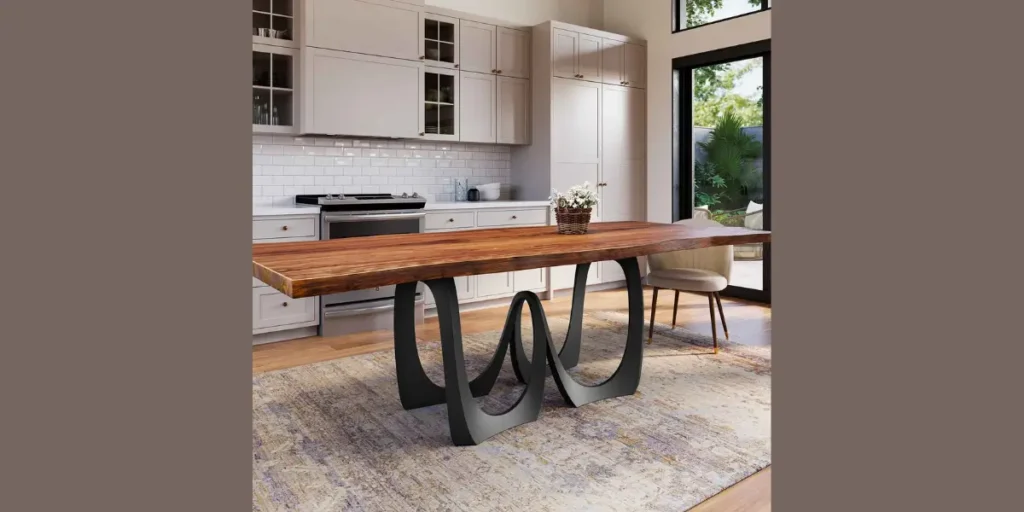
Angled legs introduce movement and contemporary character. I often select this design when I want subtle visual interest without heavy detailing.
The outward slant creates dynamic energy while maintaining stability. I ensure the angle remains structurally sound.
This style complements minimalist interiors. It delivers modern flair while keeping the table balanced and practical.
9. Sculptural Artistic Base
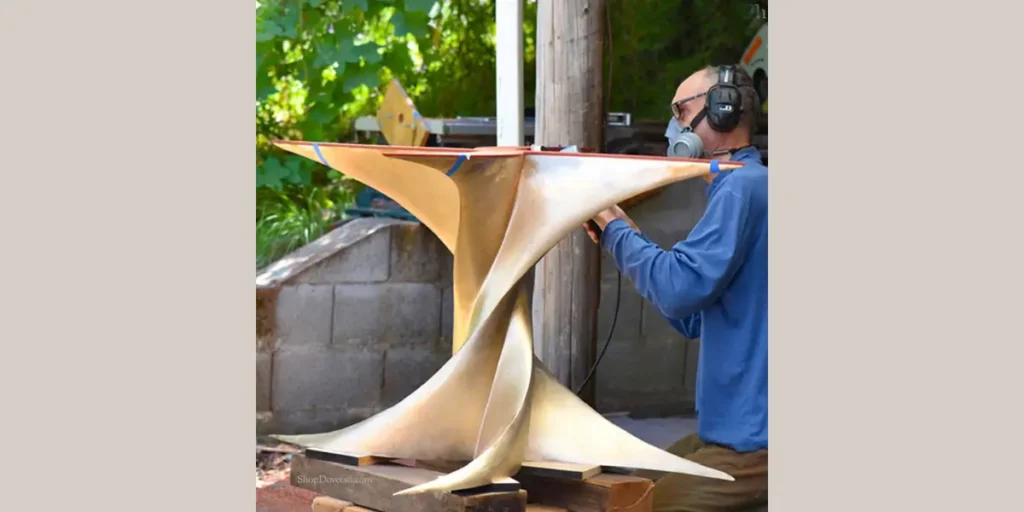
A sculptural base transforms the table into a design statement. I recommend this option for contemporary dining rooms seeking individuality.
Metal or wood forms intertwine to create functional art beneath the tabletop. I ensure the structure remains sturdy.
This design elevates the dining space instantly. It merges creativity with durability, becoming a focal feature rather than a supporting detail.
10. Concrete Block Style Base
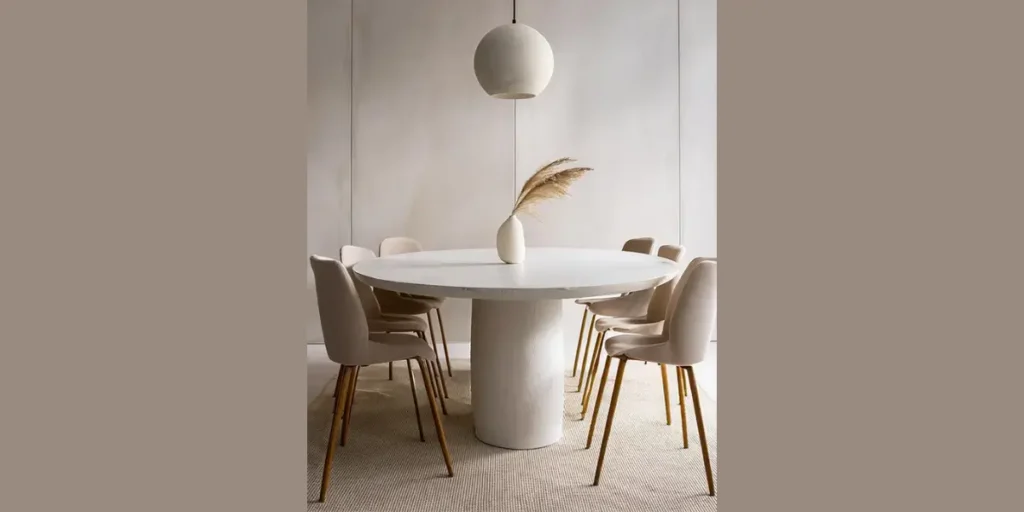
Concrete block style bases deliver architectural boldness. I often use this design in modern or industrial interiors.
Concrete provides exceptional stability and weight support. I soften the look with warm finishes and textured seating.
This base style feels solid and grounded. It reinforces strength while creating a distinctive visual anchor in the dining room.
How to Select the Right Table Base for Your Space
Choosing the right dining table base requires more than focusing on appearance. I always start by evaluating the table’s size and weight because the base must provide proper structural support.
A heavy solid wood or stone top demands a stronger foundation than a lighter surface. Stability ensures both safety and long term durability.
Seating flexibility also influences the decision. Some bases allow more legroom and easier chair placement, while others create fixed seating positions.
I consider daily use, room clearance, and how comfortably guests can move around the table before finalizing the design.
Key Factors to Consider
Table size and weight determine how much structural support the legs must provide. Larger tabletops often require trestle or double pedestal bases for proper balance.
Seating capacity affects comfort. Pedestal bases eliminate corner legs and improve flexibility for adding extra chairs when needed.
Room layout and clearance ensure movement remains smooth. I maintain sufficient space around the table to prevent overcrowding.
Interior style compatibility helps maintain cohesion. Modern spaces benefit from metal or angled legs, while traditional interiors suit turned wood bases.
Stability and durability remain essential. Strong materials and quality joinery protect the table from wobbling or long term wear.
Base Style Comparison
| Base Style | Best For | Style Impact |
|---|---|---|
| Tapered Legs | Compact dining rooms | Light and minimal |
| Trestle Base | Large rectangular tables | Rustic and bold |
| Pedestal Base | Round or oval tables | Flexible and classic |
| Metal X Base | Industrial interiors | Structured and modern |
| Sculptural Base | Statement spaces | Artistic and dramatic |
Matching the base to both the tabletop and the room’s design ensures the table feels cohesive and functional. I always prioritize structural integrity alongside aesthetic appeal.
Conclusion
Dining table legs quietly determine how stable, comfortable, and visually balanced your table feels. I always remind homeowners that the base is not just structural support but a defining design element.
Whether you prefer the warmth of turned wood, the bold presence of a trestle base, or the sleek edge of metal, proportion and durability must guide the decision.
The right foundation enhances seating flexibility, strengthens stability, and complements the tabletop beautifully.
When chosen thoughtfully, your table legs do more than hold weight. They anchor the entire dining space with confidence, character, and long lasting functionality.
FAQs
Trestle and double pedestal bases typically provide the highest stability, especially for larger or heavier tables. Their broad support distributes weight evenly and reduces wobbling. Proper installation and material quality further enhance durability.
Yes, pedestal bases improve legroom and allow flexible seating arrangements. They eliminate corner obstructions, making small dining areas feel more open and comfortable.
Metal legs often resist warping and wear over time, especially in humid environments. However, high quality hardwood legs can also last for decades when properly maintained.