


A dining table is more than a surface for meals; it quietly sets the tone for the entire room. I have seen even the simplest spaces feel elevated with the right arrangement of textures and accents.
Thoughtful layering, balanced proportions, and subtle color coordination can completely transform the atmosphere.
In this guide, I will share dining table styling ideas that help you create a setup that feels intentional, refined, and welcoming without appearing overdone. The goal is to style with purpose while keeping everyday functionality intact.
Why Thoughtful Table Styling Makes a Difference
A well styled table changes how the entire dining room feels. I always approach styling as a balance between beauty and practicality. The table should look curated, but it must also remain functional for daily use.
When height, texture, and color work together, the arrangement feels intentional rather than random. Small adjustments such as repositioning a vase or editing excess décor often make a noticeable difference.
Below are eleven styling ideas I rely on to create tables that feel polished, welcoming, and effortlessly elegant.
1. Minimalist Centerpiece Arrangement
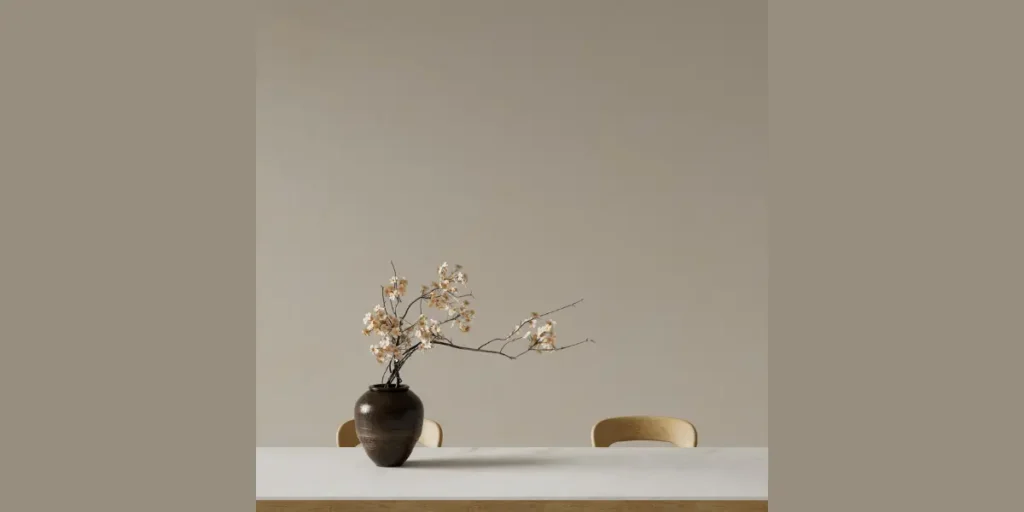
A minimalist centerpiece keeps the table calm and refined. I often use a single ceramic vase or a sculptural bowl placed at the center to create focus without clutter. The key lies in restraint.
Neutral tones such as white, beige, or soft gray allow the table material to shine. I ensure the scale fits the table length so the arrangement feels proportional.
This approach works beautifully for everyday dining. It maintains elegance while leaving enough space for serving dishes and conversation.
2. Layered Table Runner and Textiles
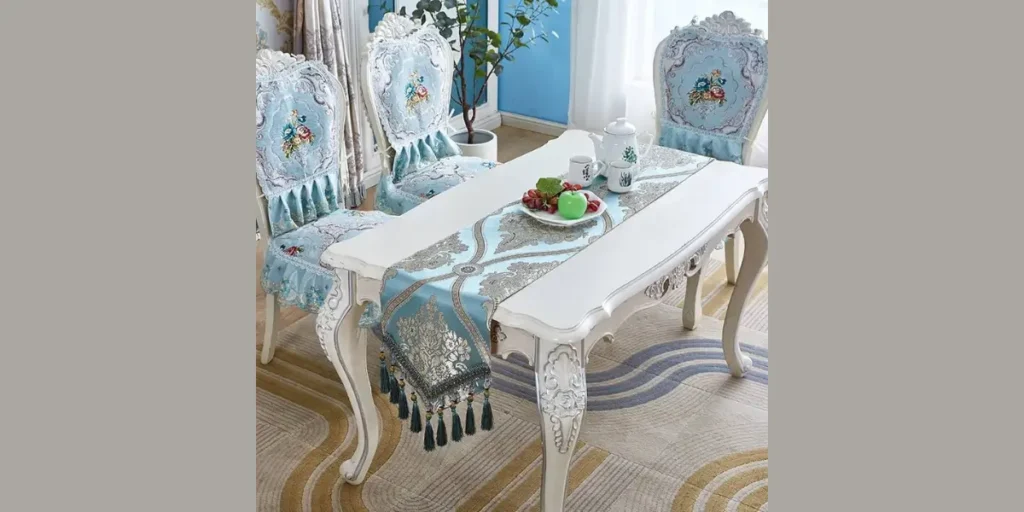
Textiles instantly introduce warmth and softness. I prefer natural fabrics like linen or cotton to create an effortless layered look. A runner placed lengthwise anchors the entire composition.
I sometimes add placemats or folded napkins in complementary tones to enhance depth. Texture variation prevents the setup from appearing flat.
Layering textiles adds dimension while keeping the table functional. It creates a cohesive base that supports additional decorative elements without overwhelming the surface.
3. Fresh Floral Statement
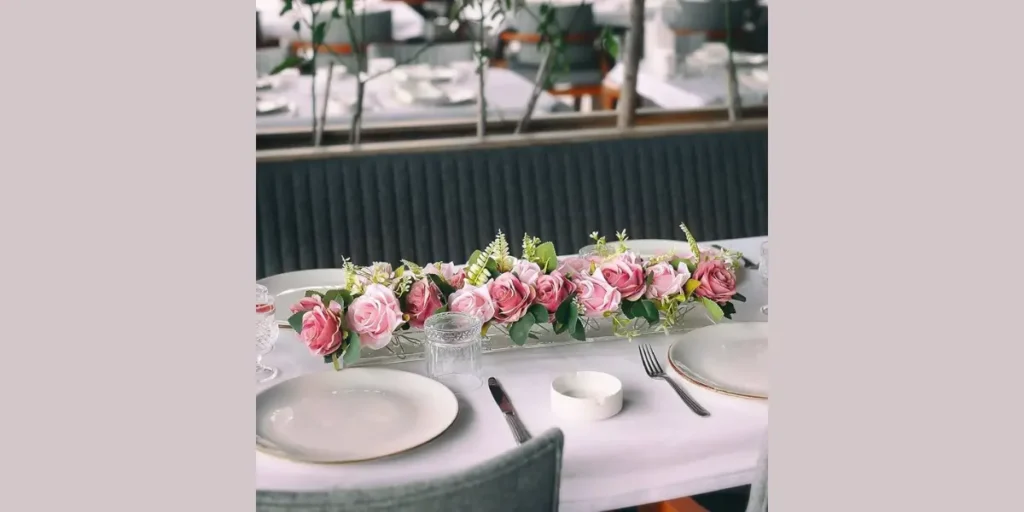
Fresh flowers bring energy and color into the dining space. I often select seasonal blooms to reflect the time of year and maintain authenticity. A well arranged bouquet becomes a natural focal point.
I keep the vase height moderate to avoid blocking sightlines. The arrangement should feel abundant yet balanced.
Florals introduce softness and movement. They refresh the atmosphere instantly and create an inviting dining environment that feels alive and intentional.
4. Candle Cluster for Warm Ambiance
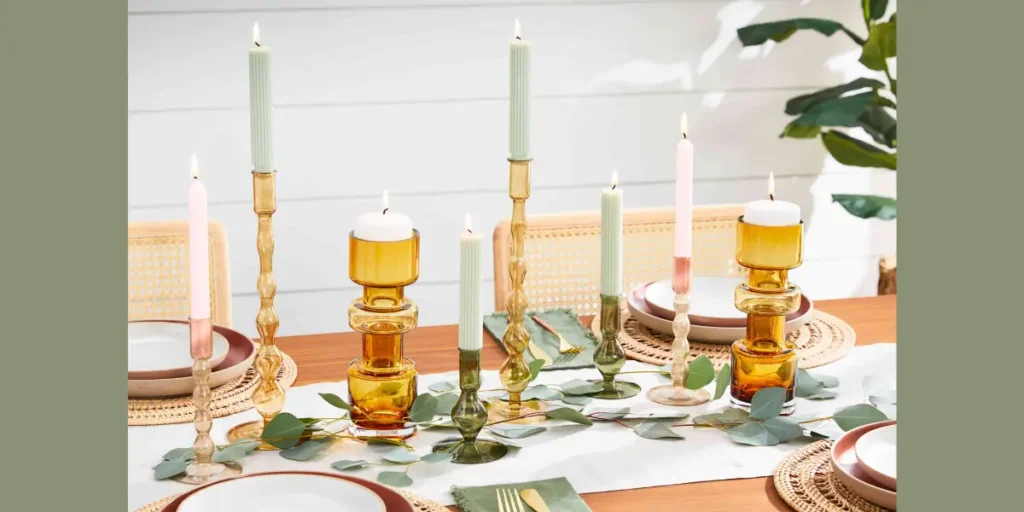
Candles create warmth and intimacy, especially during evening meals. I group pillar candles of varying heights to build visual rhythm across the table.
Neutral holders or glass cylinders maintain sophistication while allowing the flame to stand out. I position them carefully to maintain safety and symmetry.
This styling idea enhances mood without requiring permanent décor. Candlelight softens the space and encourages relaxed conversation around the table.
5. Decorative Tray Arrangement
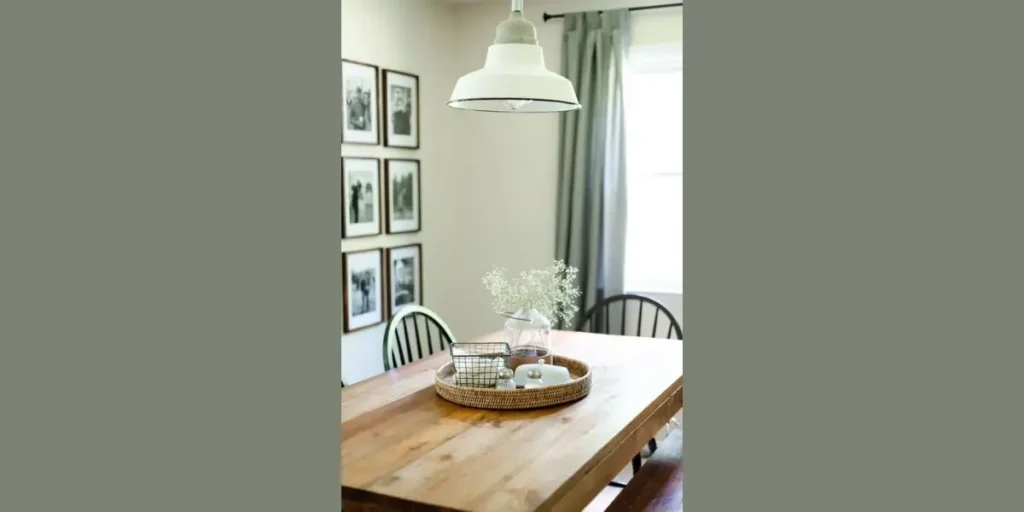
A decorative tray organizes smaller items into a cohesive composition. I often place a tray at the center and layer candles, small vases, or a sculptural object inside it.
The tray defines boundaries and prevents scattered décor from appearing messy. Material choices such as wood or metal complement the table finish.
This method keeps styling structured and flexible. You can easily update items within the tray without redesigning the entire table.
6. Seasonal Styling Rotation
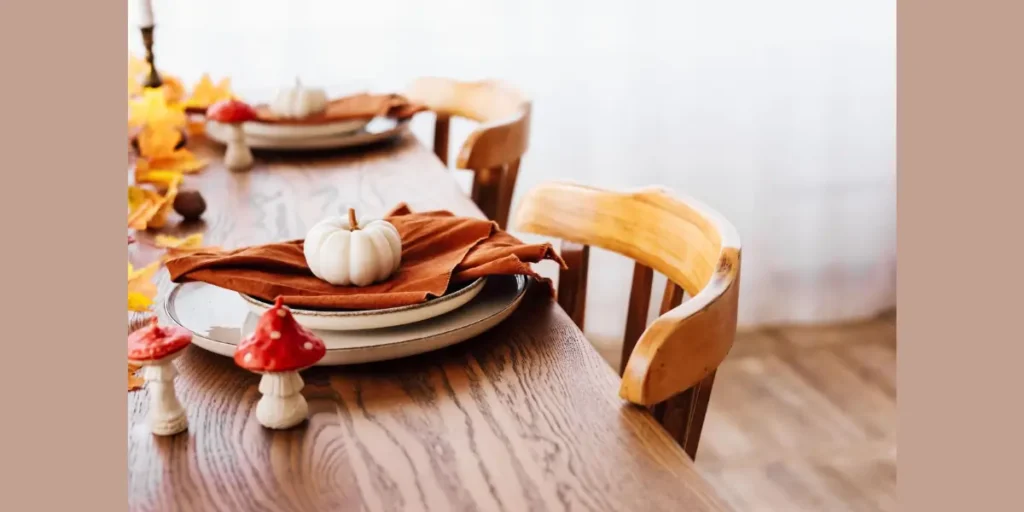
Changing décor with the seasons keeps the dining area feeling fresh. I adjust color palettes, natural elements, and textures to reflect seasonal transitions.
For autumn, I incorporate earthy tones and organic accents. In spring, I lighten the palette with fresh greenery.
Seasonal rotation prevents monotony while maintaining cohesion. It allows the table to evolve throughout the year without requiring a complete redesign.
7. Sculptural Object Display
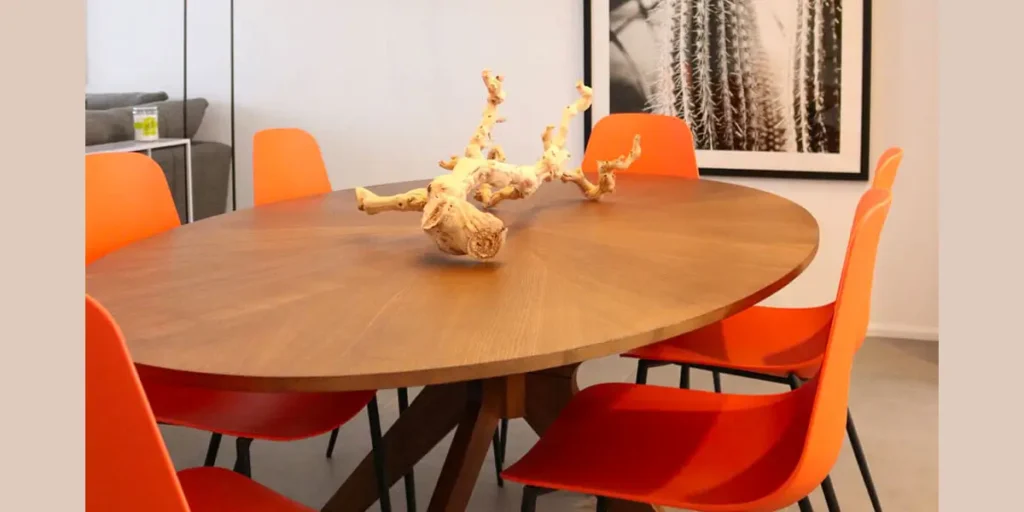
A single sculptural piece introduces artistic impact. I prefer selecting one bold object rather than multiple small decorations to maintain clarity.
Material and scale should align with the table’s proportions. I position the object slightly off center to create subtle asymmetry.
This approach turns the dining table into a curated display. It highlights personality while preserving balance and simplicity.
8. Layered Place Settings
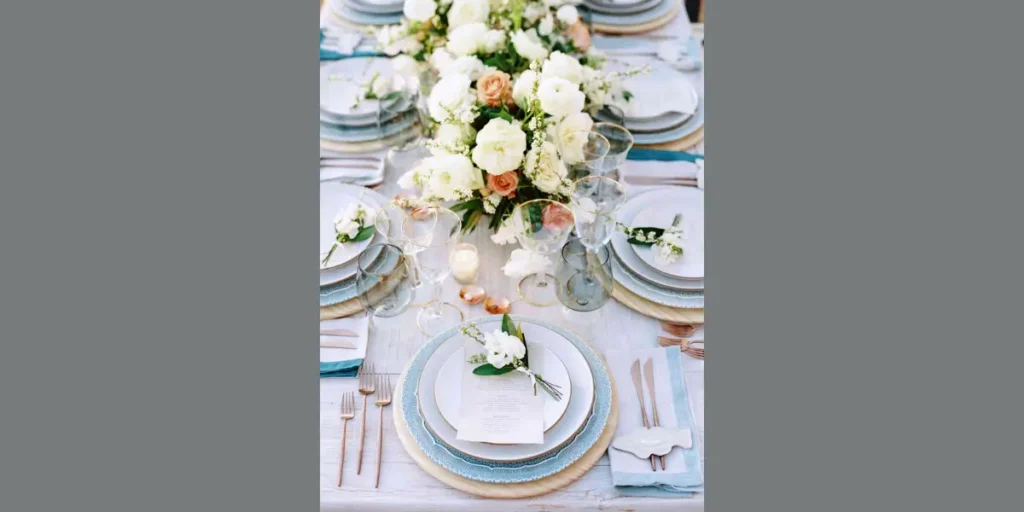
Layered place settings elevate everyday meals into refined experiences. I combine chargers, dinner plates, and cloth napkins to build depth.
Consistent color coordination keeps the arrangement cohesive. I ensure each layer feels intentional rather than excessive.
This styling idea works well for gatherings and formal dinners. It enhances visual interest while maintaining practical function for serving and dining.
9. Greenery and Natural Elements
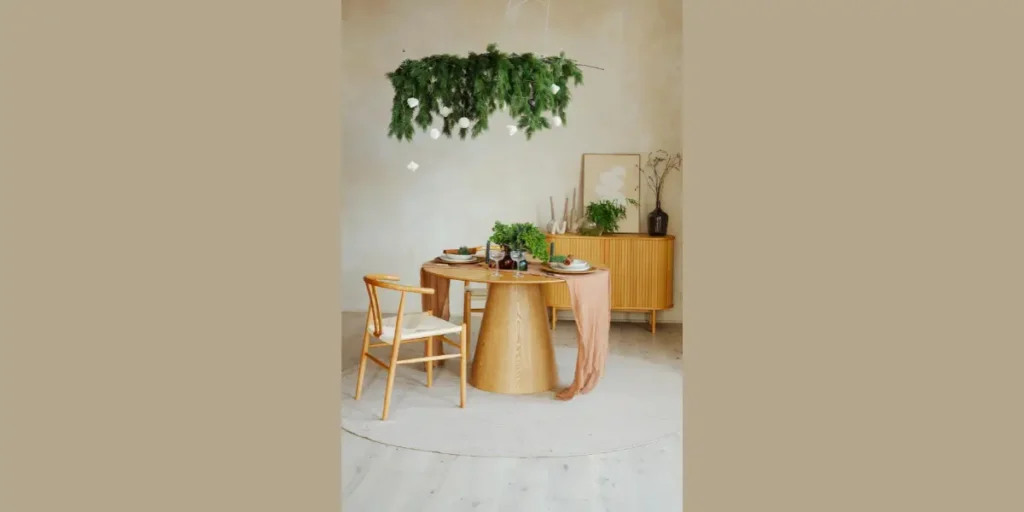
Greenery introduces freshness without overwhelming the table. I often use eucalyptus branches or small potted plants to create organic texture.
Low profile arrangements preserve openness and encourage conversation. Natural elements soften structured interiors.
This styling technique suits both modern and rustic spaces. It delivers understated elegance while maintaining everyday usability.
10. Monochrome Styling Theme
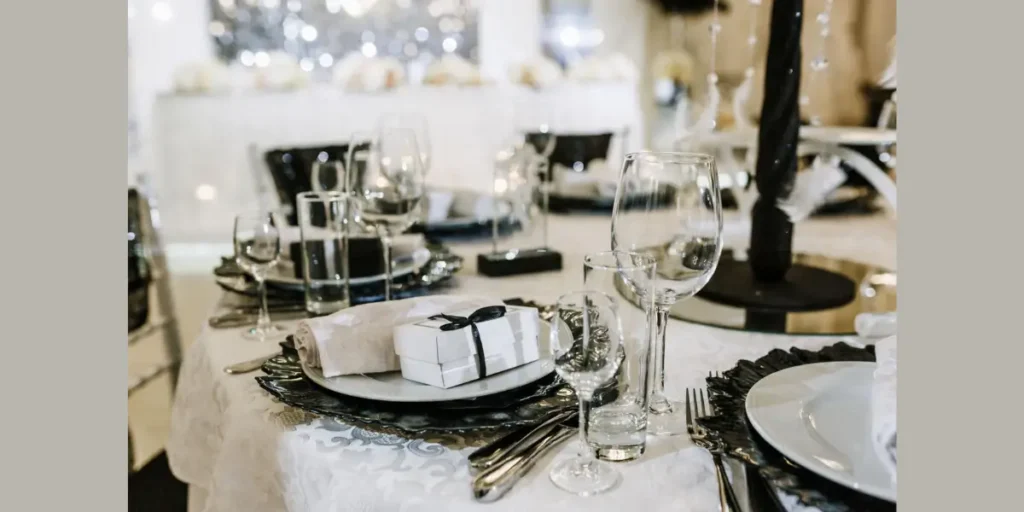
A monochrome theme creates visual harmony. I select varying shades within one color family to maintain cohesion. Texture becomes the defining feature.
Matte ceramics, glossy glassware, and soft linens introduce subtle variation without disrupting unity. I keep accessories minimal.
This approach feels modern and intentional. It delivers sophistication while ensuring the table remains clean and uncluttered.
11. Lighting Focused Styling Coordination
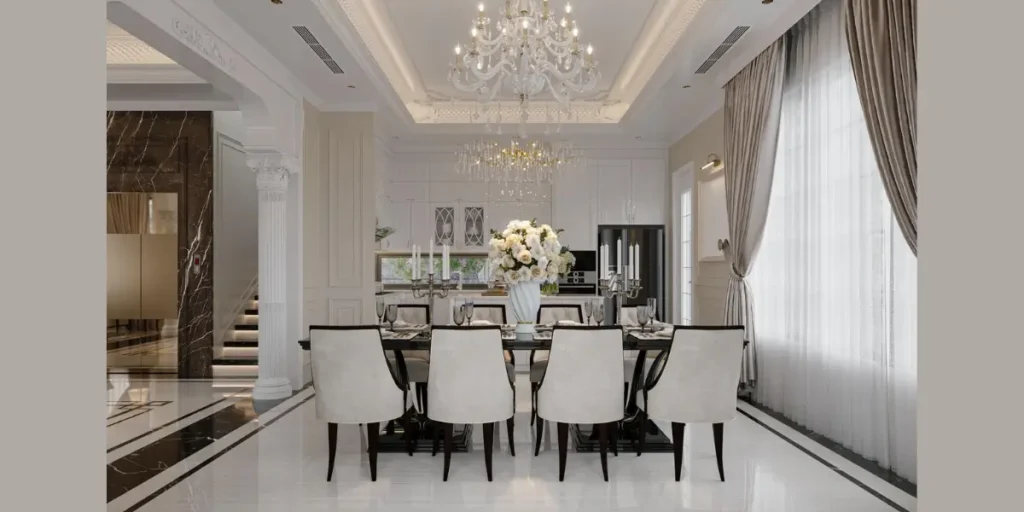
Coordinating table décor with overhead lighting strengthens the focal point. I always consider chandelier placement and height before styling the surface.
Centerpieces should complement the fixture rather than compete with it. I maintain balanced scale between light and décor.
When lighting and styling align, the dining table feels complete. The arrangement enhances ambiance and reinforces the overall design narrative.
Practical Styling Principles for a Balanced Dining Table
Styling a dining table requires intention and editing. I always remind myself that the most refined tables feel purposeful, not overcrowded. Balance comes from proportion, negative space, and thoughtful layering rather than adding more decorative items.
When I style a table, I focus on how each element contributes to the overall composition.
Height variation, texture contrast, and color harmony work together to create visual interest without chaos. A balanced table feels welcoming while remaining practical for everyday use.
Dining Table Styling Guidelines
Maintaining proportion and scale is essential. I choose centerpieces that suit the table’s length and width so the arrangement never looks too small or oversized.
Varying height creates dimension. I combine taller elements with lower pieces to avoid a flat surface while keeping sightlines open.
Keeping the color palette cohesive ensures visual harmony. I limit competing tones and focus on subtle contrasts.
Avoiding overcrowding preserves function. I leave sufficient space for serving dishes and daily use.
Balancing function and decoration ensures the table remains practical. Decorative elements should enhance, not hinder, usability.
Styling Element Comparison
| Element | Best For | Visual Impact |
|---|---|---|
| Florals | Formal gatherings | Soft and elegant |
| Candles | Evening ambiance | Warm and intimate |
| Trays | Organized styling | Structured and neat |
| Greenery | Everyday décor | Fresh and relaxed |
| Sculptural Object | Modern interiors | Bold focal point |
This comparison helps identify which styling element aligns with your desired atmosphere. I often mix two complementary elements while keeping the overall arrangement simple and intentional.
Conclusion
Styling a dining table is less about decoration and more about intention. I always approach it as an opportunity to reinforce the mood of the entire room.
Whether you prefer minimal centerpieces, layered textiles, or seasonal accents, the key is balance and proportion. A thoughtfully arranged table should feel inviting, functional, and visually cohesive without appearing staged.
By editing excess pieces and focusing on texture, height variation, and subtle color harmony, you can create a setting that feels refined every day.
With small adjustments and mindful layering, your dining table can become a consistent focal point that enhances both daily meals and special gatherings.
FAQs
Start by selecting one focal point such as a vase, tray, or candle cluster. Leave negative space around it to maintain balance. Editing excess décor often improves the overall composition instantly.
I recommend keeping centerpieces under eye level, typically below 12 inches, unless using tall arrangements with narrow bases. This preserves conversation flow and visual openness.
Seasonal updates work well to keep the table feeling fresh. Even small changes like switching textiles or greenery can refresh the look without a full redesign.
Yes, small tables benefit from minimal arrangements. A single low profile centerpiece or compact tray keeps the surface balanced without overwhelming the space.