
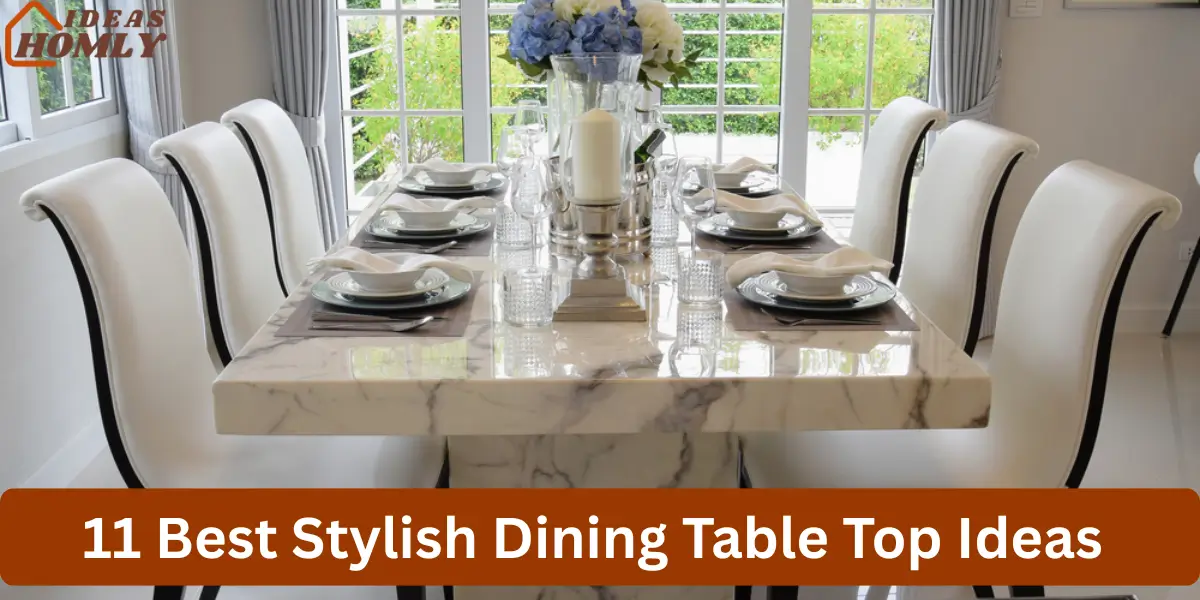

The surface of your dining table does more than hold plates and décor. It influences durability, maintenance, and the overall mood of the room.
I have often noticed that changing the table top material alone can completely shift the atmosphere of a dining space. From warm natural wood to sleek stone finishes, each option carries its own character and performance benefits.
In this guide, I will explore practical and visually appealing dining table top ideas that help you choose a surface matching both your style and everyday needs.
Why the Table Top Material Matters
The dining table top handles daily use, from hot plates to accidental spills. I always treat it as the most important design and functional decision when selecting a table.
Material choice influences durability, maintenance, and overall atmosphere. A glossy surface reflects light differently than textured wood or stone.
When I evaluate a table top, I consider lifestyle first. The right surface must balance beauty with long term performance.
1. Solid Hardwood Table Top
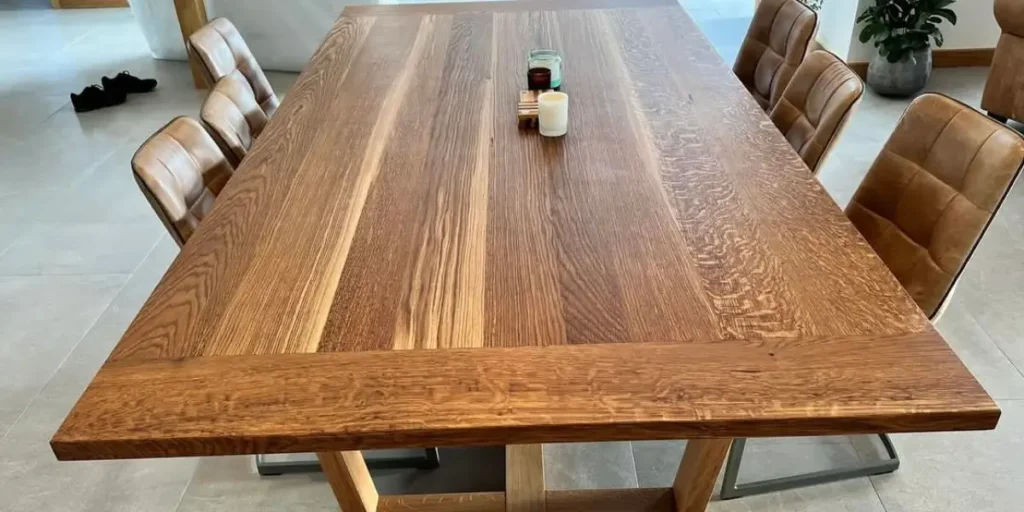
A solid hardwood table top offers strength and timeless appeal. I often recommend oak, walnut, or maple because they resist wear and develop character over time. The visible grain patterns add natural depth.
Hardwood surfaces feel warm and inviting. I prefer a matte or lightly sealed finish to preserve texture while protecting against stains.
This option suits both traditional and modern interiors. With proper care, a hardwood top can last decades while maintaining structural integrity and aesthetic value.
2. Marble Table Top
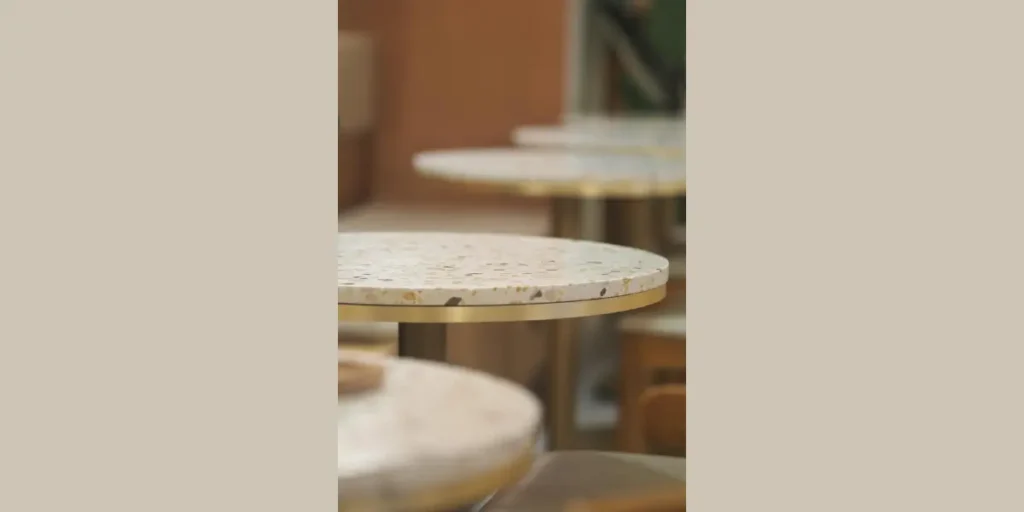
A marble table top instantly elevates the dining space. I appreciate its natural veining because no two slabs look alike. The smooth surface reflects light and enhances elegance.
Marble requires proper sealing to prevent stains. I always advise regular maintenance to preserve its refined appearance.
This surface fits luxury or contemporary interiors. It provides visual sophistication while remaining durable when treated correctly.
3. Glass Table Top
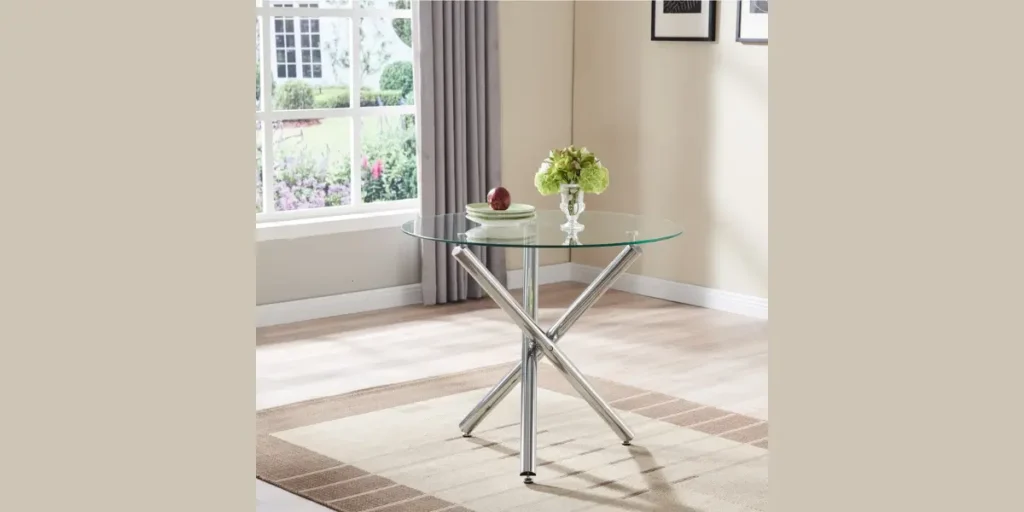
A glass table top creates openness and visual lightness. I recommend tempered glass for improved safety and resilience. Transparency makes smaller rooms appear larger.
The base becomes a key design feature since the clear surface highlights structure underneath. I keep the base sculptural or minimal.
Glass suits modern interiors and compact layouts. It remains easy to clean and supports a sleek, contemporary aesthetic.
4. Live Edge Wood Top
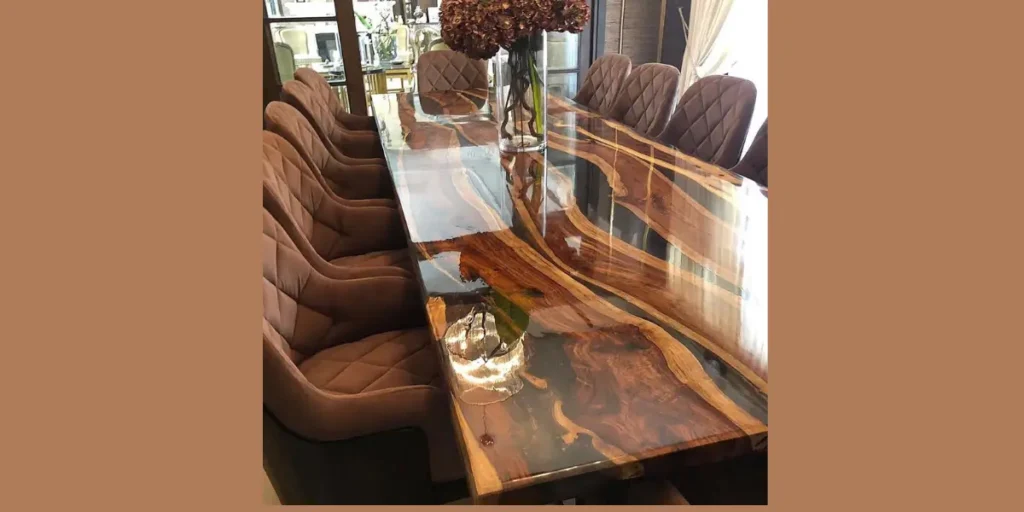
A live edge wood top celebrates organic beauty. I value how the natural contour of the slab remains visible rather than cut into straight lines.
Each piece offers unique character through grain variations and natural edges. I balance this ruggedness with simple seating for harmony.
This design blends rustic authenticity with modern refinement. It creates a focal point without requiring additional decorative elements.
5. Concrete Table Top
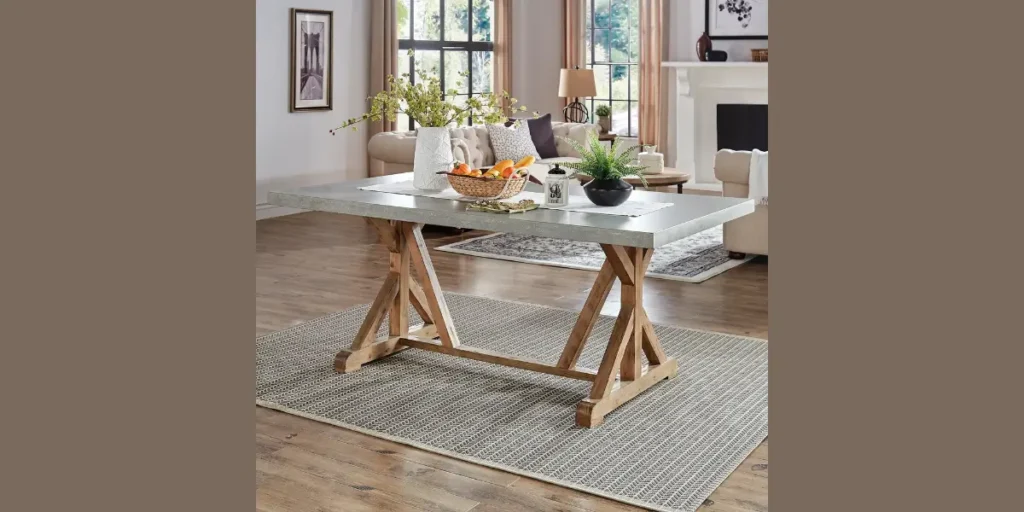
A concrete table top delivers industrial strength and bold texture. I recommend this option for contemporary or loft style homes. Its durability withstands heavy use.
Concrete surfaces resist heat and scratches when sealed properly. I soften the overall look with warm lighting or wooden accents.
This material creates a strong architectural statement. It feels solid, structured, and practical for long term use.
6. Herringbone or Parquet Pattern Top
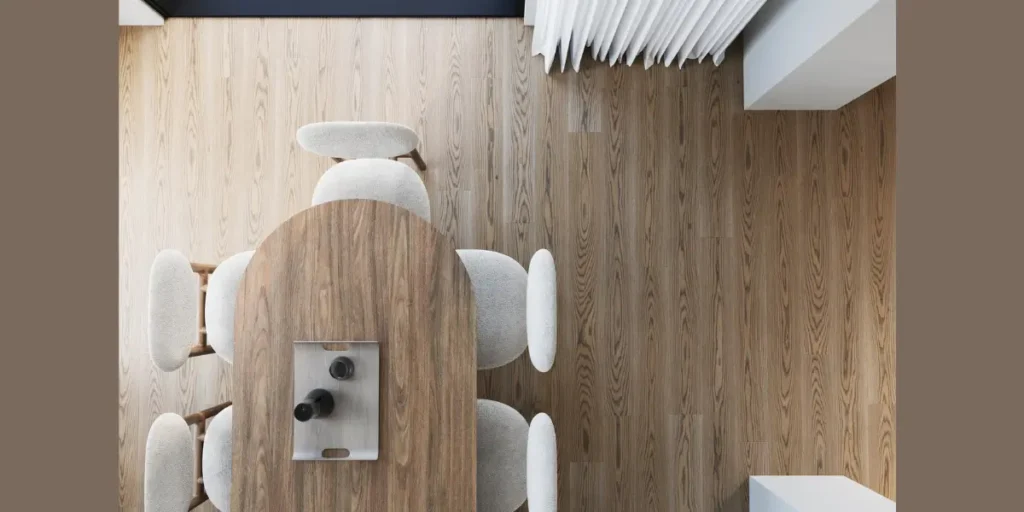
A patterned wood top introduces craftsmanship and detail. I appreciate how herringbone layouts create subtle movement across the surface.
The geometric arrangement reflects light differently, adding depth without bold color changes. I pair it with simple décor to maintain focus.
This style merges traditional woodworking with modern presentation. It elevates the table through texture and design precision.
7. High Gloss Lacquer Top
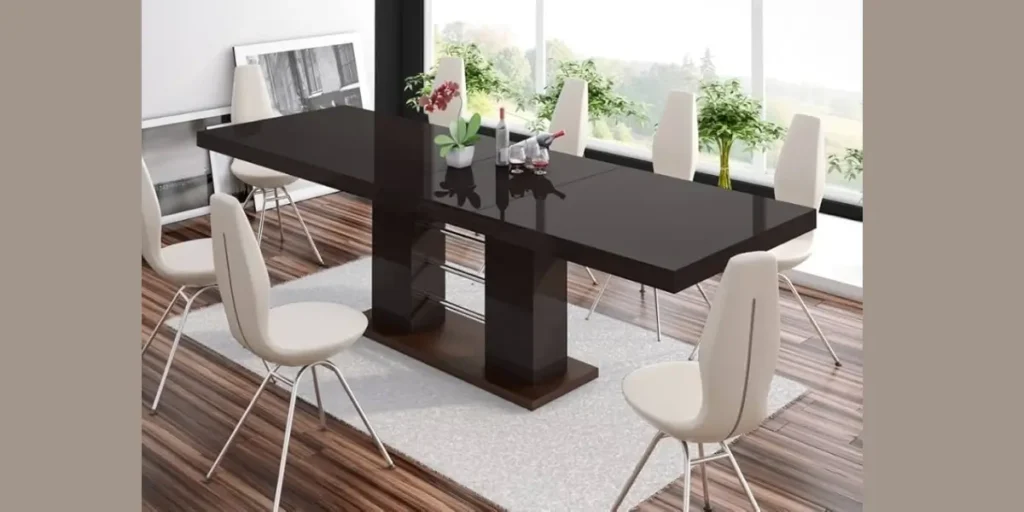
A high gloss lacquer top delivers sleek modern appeal. The reflective surface enhances brightness and sharp lines. I often recommend white or neutral shades for contemporary interiors.
Gloss finishes require regular cleaning to maintain clarity. I ensure clients understand the care involved before selecting this option.
This table top creates a polished and sophisticated look. It works especially well in minimalist or high contrast dining rooms.
8. Reclaimed Wood Top
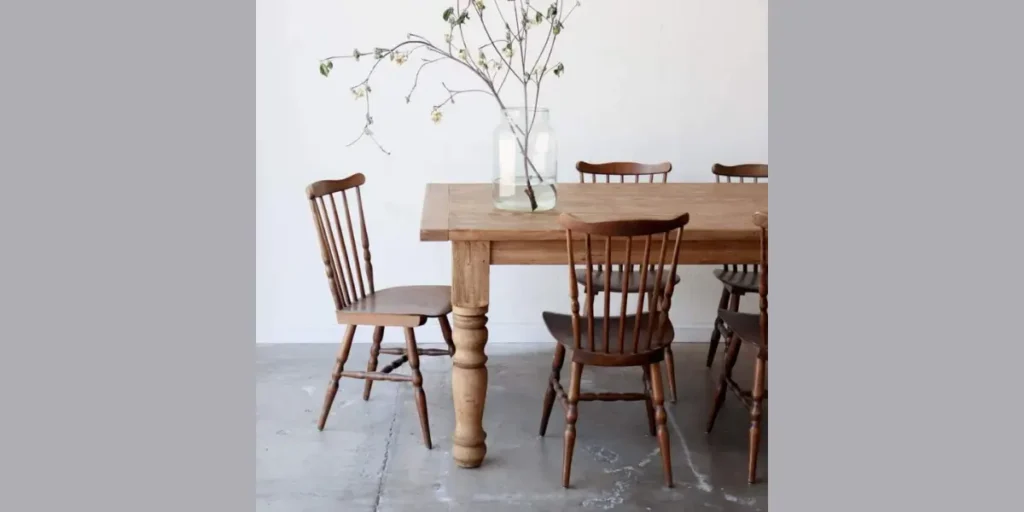
A reclaimed wood top brings authenticity and sustainability. I appreciate the weathered texture and aged tones that tell a story.
Reclaimed timber often feels denser and more durable due to its age. I choose properly treated pieces to ensure stability.
This surface fits farmhouse or rustic interiors beautifully. It combines character with environmental responsibility.
9. Stone or Granite Top
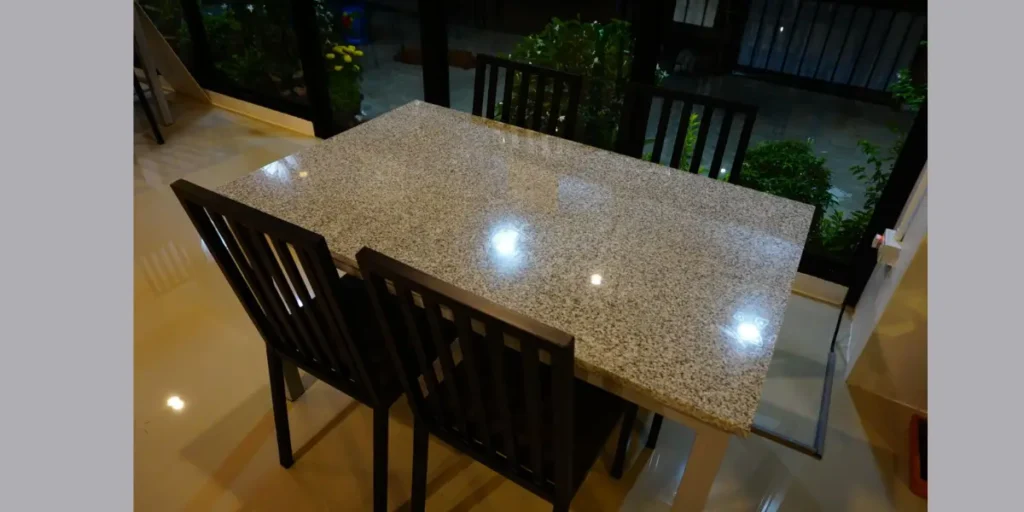
A granite or natural stone top provides exceptional durability. I recommend this option for households seeking long lasting performance.
Stone resists heat and scratches better than many alternatives. I ensure sealing remains part of regular maintenance.
This material adds luxury and substance. It creates a refined dining area with minimal wear over time.
10. Metal Table Top
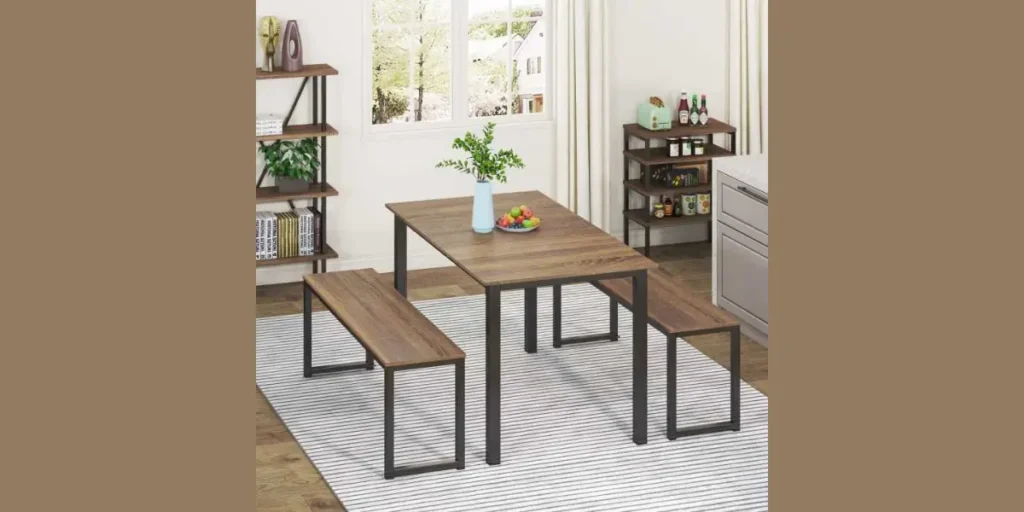
A metal table top introduces bold industrial character. I often select brushed steel or powder coated finishes for durability.
Metal surfaces resist damage but may show minor patina over time. I consider this aging part of its charm.
This design suits urban or contemporary interiors. It delivers structure and visual strength without excessive ornamentation.
11. Mixed Material Table Top
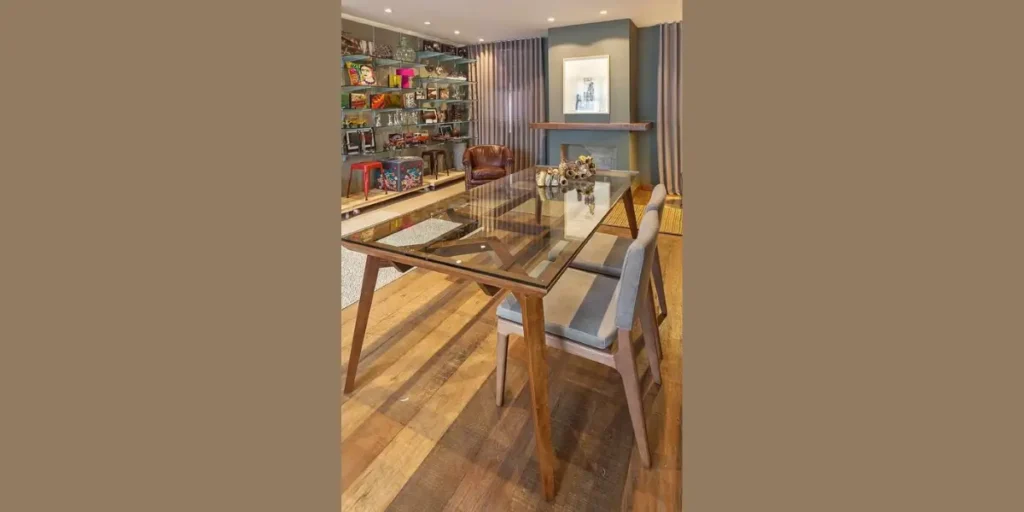
A mixed material table top blends contrasting textures. I combine wood with marble or glass with metal for visual interest.
The combination creates layered depth and contemporary appeal. I ensure materials complement rather than compete.
This approach supports creative design flexibility. It allows personalization while maintaining functional strength and aesthetic balance.
How to Choose the Right Dining Table Top
Choosing the right dining table top requires more than selecting a material you like. I always begin by considering how the table will be used daily.
A family with children needs a different surface than someone who hosts formal dinners occasionally. Durability, maintenance, and long term wear all influence the final decision.
Style compatibility also matters. The table top should complement flooring, lighting, and seating without overpowering the room. I evaluate texture, reflectivity, and color tone carefully to ensure the surface enhances the overall atmosphere rather than competing with it.
Key Factors to Evaluate
Durability requirements come first. If the table will see heavy daily use, materials like hardwood, stone, or concrete provide better resistance to scratches and impact.
Maintenance level should align with your routine. Marble and glass require more frequent cleaning, while sealed wood and stone are easier to manage.
Interior style compatibility ensures cohesion. A glossy lacquer top suits modern interiors, while reclaimed wood complements rustic spaces.
Budget considerations also influence selection. Some materials demand higher initial investment but offer long term value.
Long term wear resistance helps maintain appearance over time. I always recommend sealing or protective finishes where necessary.
Conclusion
The dining table top quietly shapes both the look and performance of your dining space. I always remind clients that this surface handles daily wear, so it must balance durability with design impact.
Whether you choose solid hardwood for warmth, marble for elegance, or concrete for bold character, the key lies in aligning material with lifestyle.
A thoughtful selection enhances lighting, complements seating, and elevates the entire room.
When proportion, finish, and maintenance needs are considered carefully, your dining table top becomes a lasting investment that supports everyday living while maintaining timeless visual appeal.
FAQs
Granite and concrete offer exceptional durability and resistance to heat and scratches. Solid hardwood also performs well when properly sealed and maintained. The best choice depends on your usage habits and maintenance preferences.
Marble can work for daily use if sealed correctly and maintained regularly. It may stain or etch if exposed to acidic substances, so careful cleaning and protective measures are essential.
Tempered glass provides improved strength and safety compared to standard glass. It resists impact better and breaks into small fragments rather than sharp shards. Regular cleaning helps maintain clarity.
Use placemats and coasters to prevent heat marks and spills. Clean with mild products and apply protective oil or sealant periodically. Proper care preserves the wood’s finish and longevity.
Glass tops and lighter wood finishes make compact spaces feel more open. Reflective surfaces help distribute light and prevent the room from appearing crowded.