
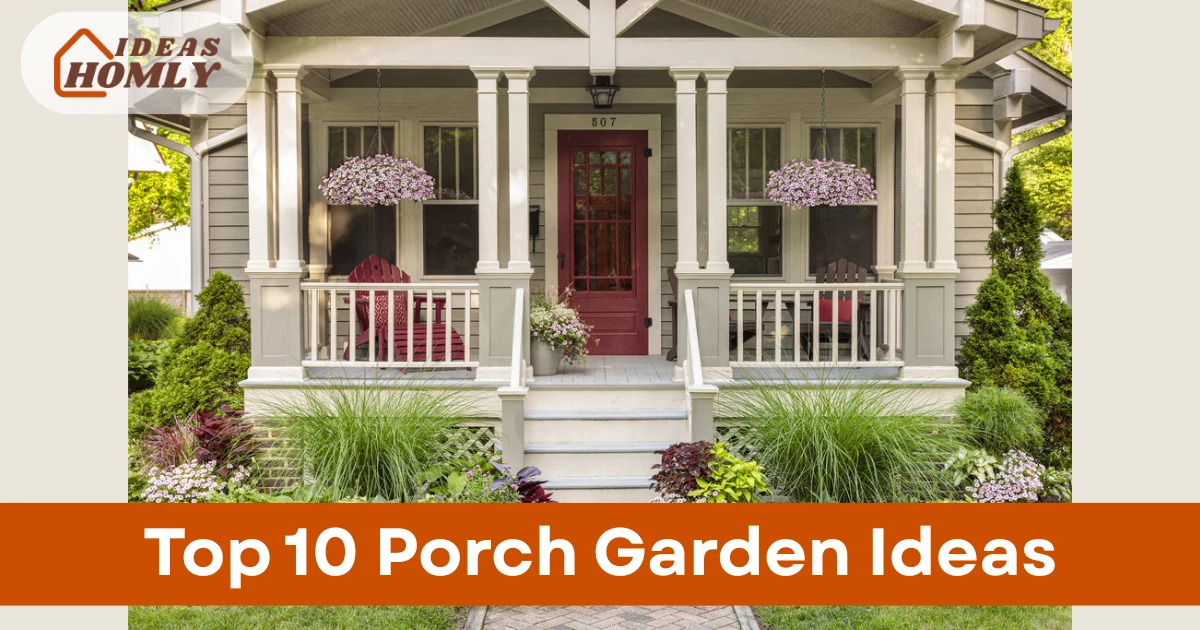

I know the struggle of staring at a bare concrete slab and wondering how to make it look less like a parking spot. My porch used to be a graveyard for Amazon boxes until I realized plants are cheaper than therapy and much better for my property value.
Planning Your Perfect Porch Garden Layout
Sunlight is the first thing I check before I buy a single pot because fried ferns are not the aesthetic I want. I look at where the shadows fall at noon to decide if my plants need a beach umbrella or a raincoat.
Weight limits matter more than people think, especially if you live on a second story or have an older wooden deck. I choose lightweight resin pots instead of heavy stone ones so my floor stays where it belongs.
Water access is my next priority because carrying heavy buckets through the living room is a recipe for a soggy carpet. I keep my garden close to a spigot or use a stylish watering can that doubles as decor.
Furniture should leave enough room for you to actually walk around without tripping over a spider plant. I measure my walking path first to ensure my garden feels like a retreat rather than an obstacle course.
1. Vertical Herb Wall for Small Spaces
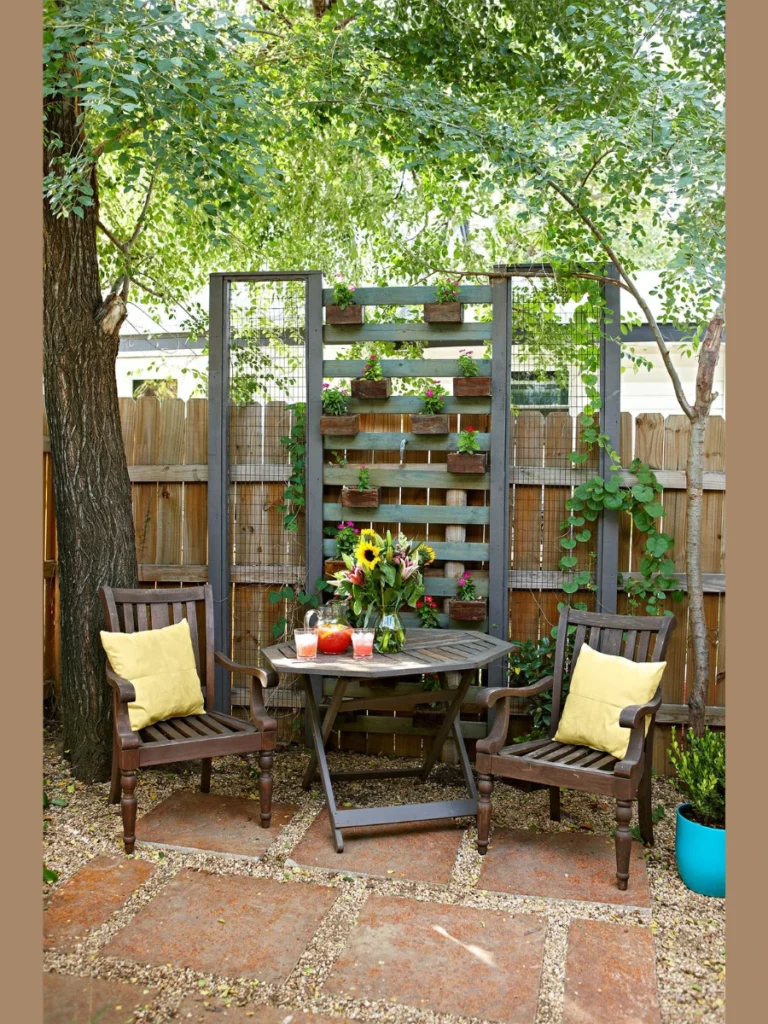
I love growing my own basil and mint right outside my door because it makes me feel like a professional chef. A vertical wall saves my precious floor space while keeping fresh flavors within arm’s reach for every dinner.
These wooden pallets or hanging pockets turn a boring wall into a lush green backdrop that smells incredible. I find that rosemary and thyme thrive in these elevated spots because they enjoy the extra airflow and drainage.
Maintenance is simple since I can see every plant at eye level without having to bend over and hurt my back. I use organic potting soil to ensure my herbs stay healthy and safe for my family to eat.
Space-saving designs like this work perfectly for apartment dwellers who only have a few square feet to work with. I enjoy how this setup creates a natural privacy screen that blocks the nosy neighbors from watching me eat.
2. Colorful Tiered Flower Displays
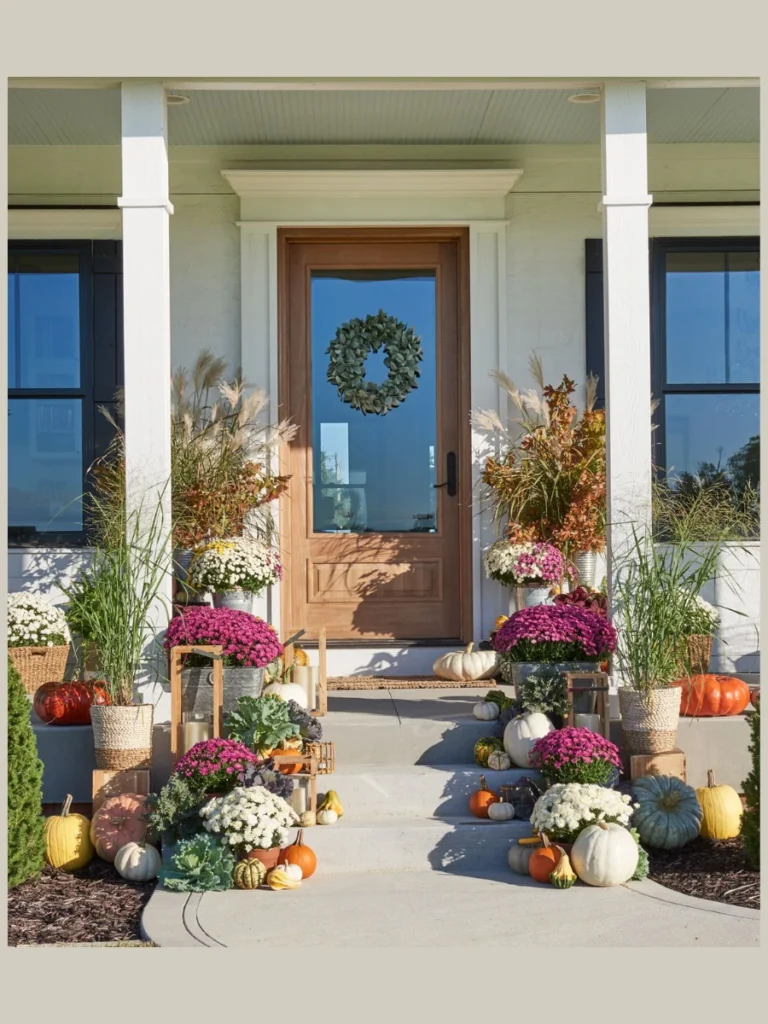
Standard pots on the ground look a bit flat, so I use tiered stands to create height and visual interest. I mix different colors of petunias and geraniums to make my porch look like a professional botanical garden.
The highest shelf gets the plants that love the most sun, while the bottom levels stay cool in the shade. I move my stands around easily whenever I feel like changing the look of my entrance for a new season.
Watering becomes a breeze when I group my thirsty flowers in one organized vertical structure. I prefer using metal or treated wood stands that can handle the rain without rusting or rotting away within a month.
Visitors always compliment the bright colors because they draw the eye upward and make the porch feel much larger. I pick flowers with different bloom times so there is always something colorful to look at throughout the year.
3. Hanging Basket Canopy
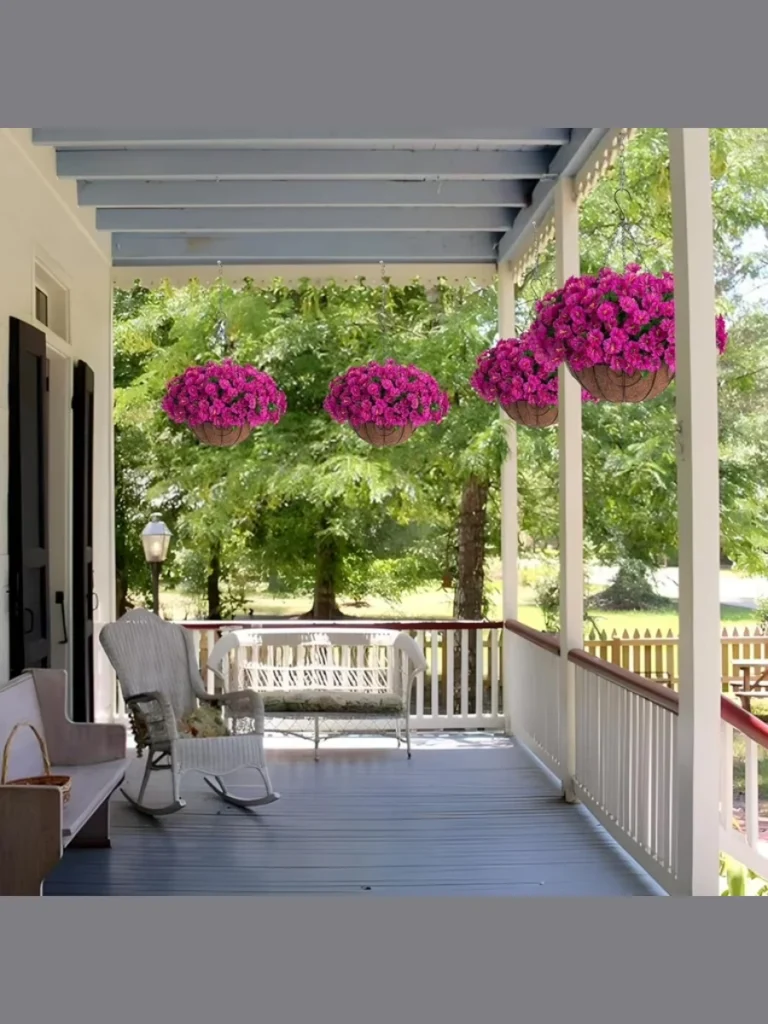
I hang ferns and trailing ivy from my porch ceiling to create a living ceiling that feels cozy and secluded. It reminds me of a jungle hideaway and keeps my floor completely clear for chairs and side tables.
Strong hooks are a must because a wet basket of soil is surprisingly heavy and could cause a real headache. I use self-watering liners for these high spots so I don’t have to climb a ladder every single morning.
Trailing plants like fuchsia or wandering spiderwort look stunning as they spill over the edges of the baskets. I enjoy the way they sway in the breeze, which adds a bit of movement to my outdoor seating area.
Birds often try to build nests in my hanging ferns, which adds a bit of wildlife drama to my morning coffee. I don’t mind the company as long as they don’t eat my strawberries or make too much of a mess.
4. Modern Succulent Rock Garden
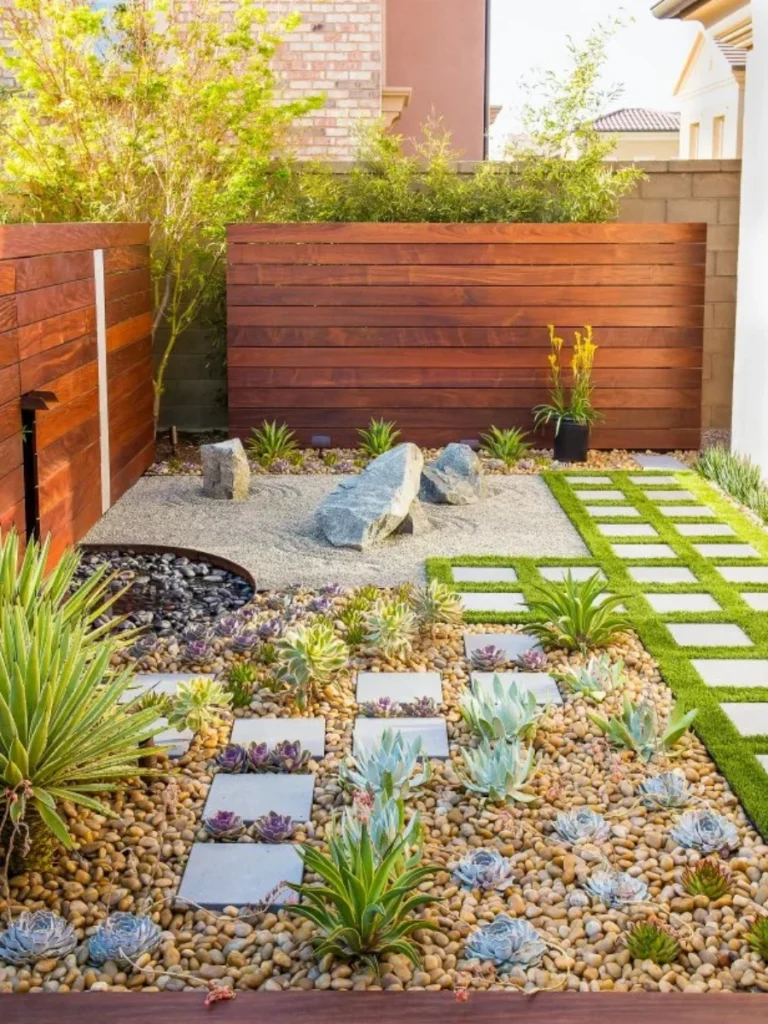
Succulents are the best friends for people like me who occasionally forget that plants need water to stay alive. I arrange them in low concrete bowls with decorative white pebbles to give my porch a clean and modern look.
These hardy plants handle the heat of a sunny porch better than almost anything else I have ever tried. I mix different shapes like rosette Echeveria and tall Aloe to create a desert landscape in a tiny container.
Drainage is the secret to success here because these desert beauties hate sitting in soggy soil for too long. I use a specific cactus mix and only water them when the dirt feels as dry as a bone.
The variety of textures and muted colors provides a sophisticated vibe that matches almost any home style perfectly. I appreciate that they grow slowly, so I don’t have to repot them every few months like my crazy vines.
5. Privacy Hedge in Tall Planters
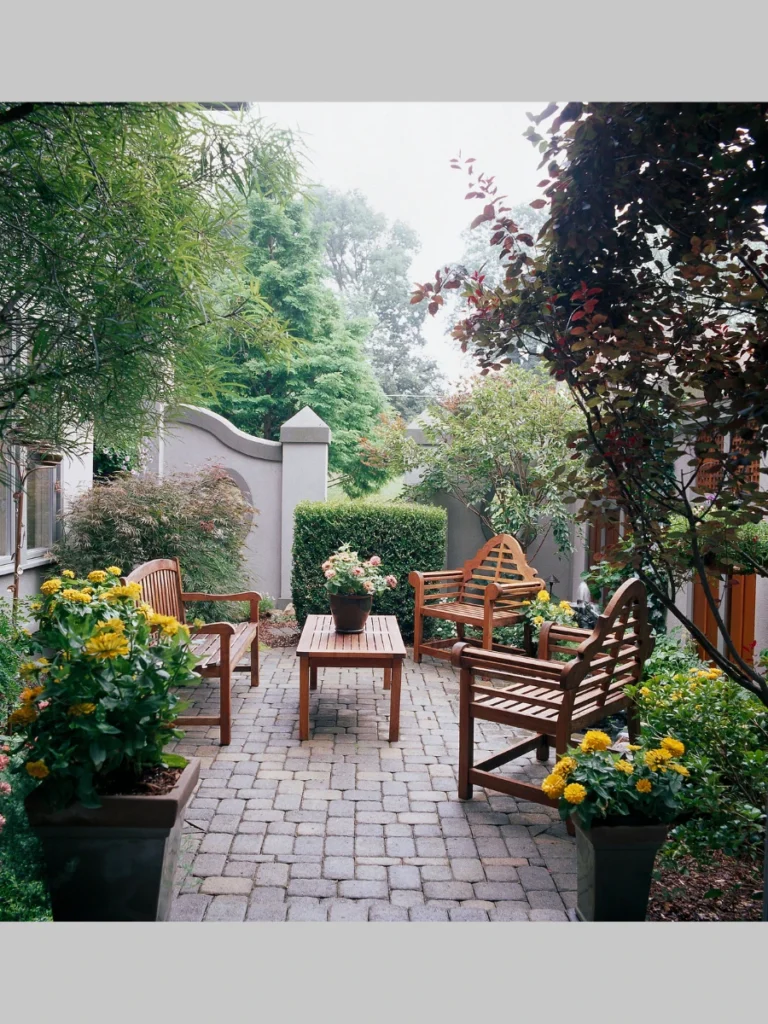
I use tall rectangular containers filled with bushy bamboo or boxwoods to block the view from the street. It creates a private sanctuary where I can read my book in my pajamas without feeling like I am on display.
These planters act as a living fence that is much prettier than a plastic screen or a heavy wooden wall. I choose evergreen varieties so my privacy remains intact even when the winter weather starts to kick in.
I make sure the containers are heavy enough not to blow over when a strong summer storm hits my area. Adding a layer of mulch on top keeps the moisture in and makes the whole setup look professionally finished.
The sound of wind rustling through the leaves helps drown out the noise of passing cars and barking dogs nearby. I find that a green wall makes my porch feel much cooler and more relaxing during the hot July afternoons.
6. Scented Night Garden
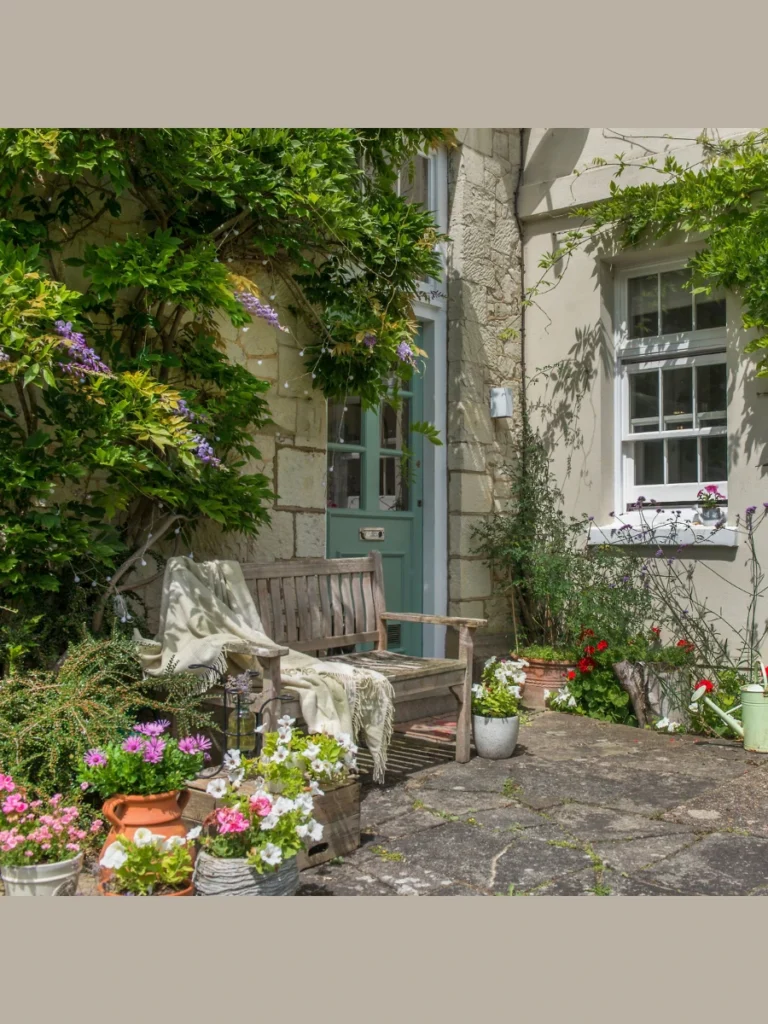
I planted jasmine and moonflowers near my porch seating so I can enjoy their sweet fragrance after the sun goes down. These white blooms practically glow in the moonlight and create a magical atmosphere for late-night conversations.
Most people only focus on how a garden looks during the day, but I care about the evening experience too. I added a few solar-powered lanterns to highlight the flowers and make the space feel warm and inviting.
Night-blooming plants usually have pale flowers that attract helpful pollinators like moths and beetles to my yard. I love sitting out there with a glass of wine and smelling the intense perfume of the opening buds.
Keeping these fragrant plants in pots allows me to move them closer to the door during their peak blooming season. I make sure to put them in a spot where the evening breeze carries the scent right into my house.
7. Repurposed Vintage Containers
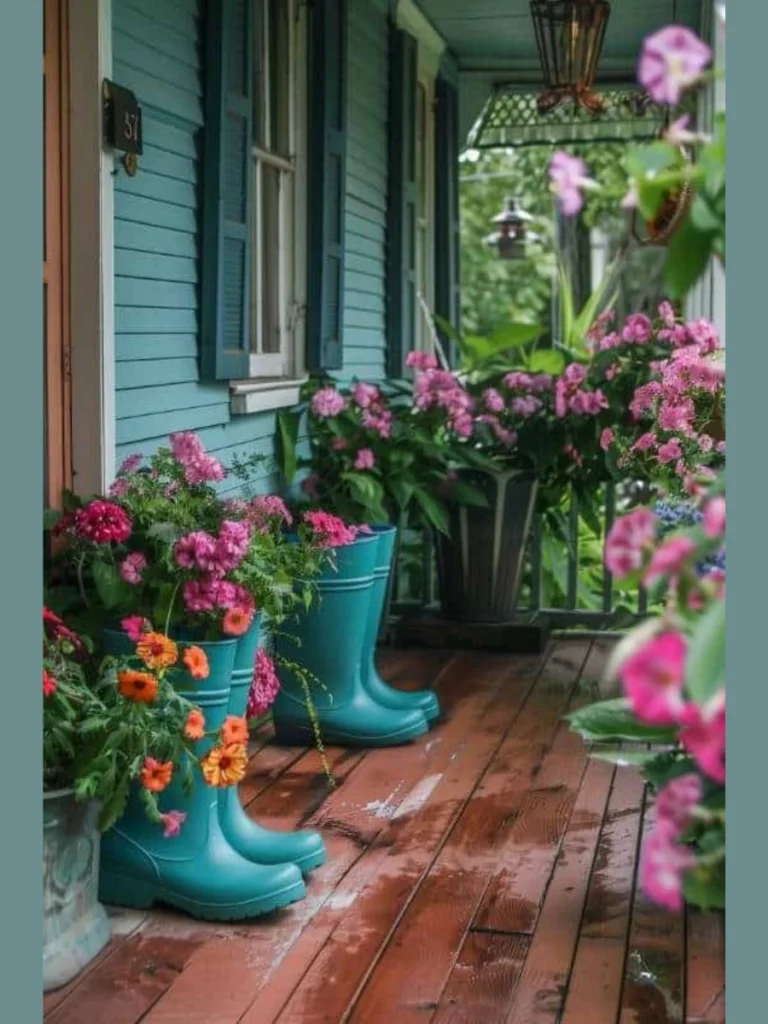
I turned an old galvanized washtub and some wooden crates into unique planters that add a lot of character. Using found objects is a great way to save money while making my garden look one of a kind.
Old ladders work perfectly as plant stands for small pots of succulents or colorful annuals that need a boost. I check local thrift stores for interesting metal buckets or ceramic bowls that I can drill drainage holes into.
Mixing the old with the new gives my porch a lived-in feel that brand-new plastic pots just cannot replicate. I find that a little rust or chipped paint adds to the charm of a rustic farmhouse-style garden.
I always make sure to clean second-hand containers thoroughly to avoid passing any old plant diseases to my new greenery. It is a fun weekend project that lets me get creative without spending a fortune at the big store.
8. Tropical Palm Paradise
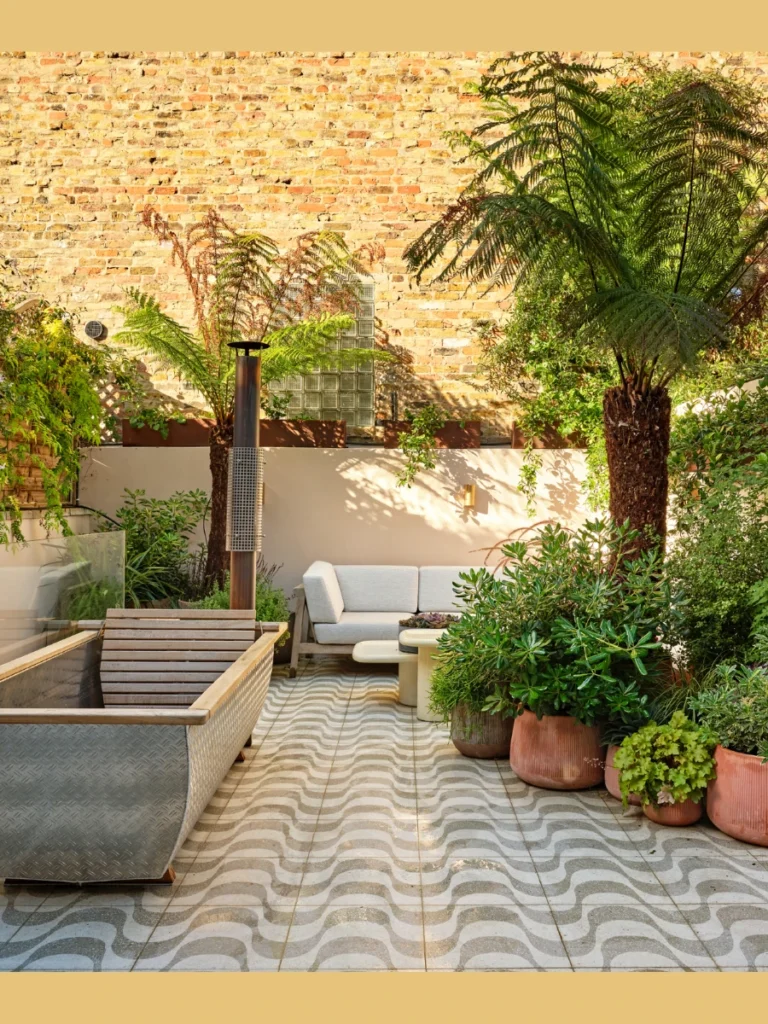
Large potted palms make me feel like I am on a permanent vacation, even if I am just in my backyard. I place them in the corners of my porch to soften the sharp edges and add a lush feel.
Majesty palms and Areca palms are my favorites because they have wide fronds that provide excellent shade for smaller plants. I keep them in large pots with wheels so I can move them inside when the first frost arrives.
These tropical giants need plenty of water and a bit of humidity to keep their leaves from turning brown and crispy. I mist them occasionally during dry spells to mimic the tropical environment they actually crave for healthy growth.
They fill up space quickly, which is great if you have a large porch that feels a bit hollow. I love how the giant leaves cast interesting shadows on the floor when the sun starts to set in the evening.
9. Edible Window Box Garden
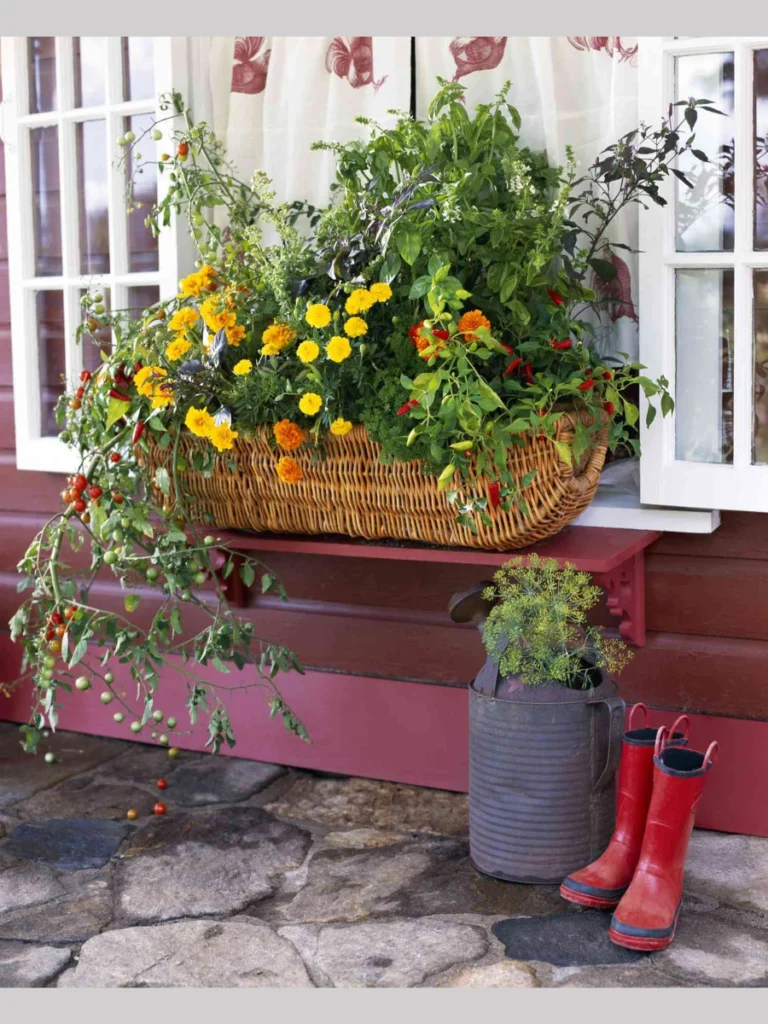
I installed long planters along my porch railings and filled them with leaf lettuce, kale, and small cherry tomatoes. It is incredibly satisfying to harvest my own salad ingredients while I am sitting in my rocking chair.
Window boxes utilize the space that usually goes to waste and keep my vegetables away from hungry rabbits. I choose compact or bush varieties of veggies that are designed specifically for growing in tight container spaces.
The bright red of the tomatoes mixed with the green frills of the kale looks just as good as any flower. I make sure to use a high-quality fertilizer since vegetables are heavy feeders that need lots of nutrients.
I can easily swap the summer veggies for winter pansies or kale to keep the boxes looking full all year long. It is a functional way to garden that pays me back in fresh produce every single week of the summer.
10. Low Light Fern Collection
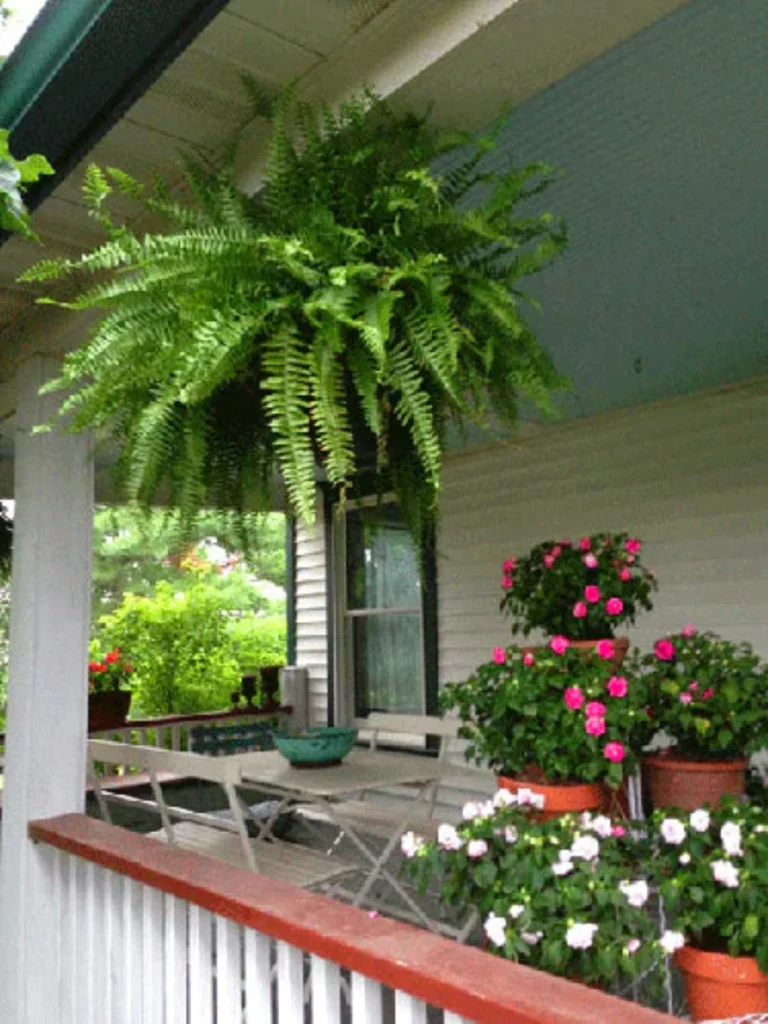
My porch is mostly shaded so I embrace the darkness with a collection of lush green ferns and hostas. They create a cool and refreshing woodland vibe that feels amazing during the peak of a humid summer day.
Boston ferns and Maidenhair ferns provide a delicate texture that contrasts well with the broad leaves of the Hosta plants. I group them to create a humid microclimate that helps them stay green and vibrant without much effort.
I use dark colored pots to make the bright green foliage pop and give the space a very grounded and natural feel. Since they don’t need direct sun, I don’t have to worry about the leaves getting scorched by the afternoon heat.
Adding a small tabletop water fountain nearby enhances the forest feel and provides a relaxing sound for my afternoon naps. It is the lowest stress garden I have ever owned because shaded plants generally require much less watering.
Helpful Tips for Maintaining Your Porch Garden
I have learned that keeping a porch garden alive requires more than just good intentions and a watering can. I check the soil moisture every morning with my finger because the wind on a porch dries out pots faster than you might expect.
Drainage is the most important factor for container success because sitting in water will rot your plant roots in days. I always ensure my pots have large holes at the bottom and use elevated feet to prevent staining my porch floor.
Feeding your plants is a necessity since potting soil loses its nutrients after a few weeks of heavy watering. I use a balanced liquid fertilizer every two weeks during the growing season to keep my foliage looking bright and healthy.
Pest control is easier when you catch the bugs early before they take over your entire green sanctuary. I keep a bottle of neem oil handy to treat any unexpected visitors like aphids or spider mites without using harsh chemicals.
Choosing the Right Containers for Your Space
| Container Material | Pros | Cons |
| Terracotta | Breathable and classic | Dries out quickly and breaks |
| Plastic/Resin | Lightweight and cheap | Can fade in direct sunlight |
| Glazed Ceramic | Holds moisture and beautiful | Very heavy and expensive |
| Metal | Modern and durable | Can overheat in direct sun |
Common Mistakes to Avoid in Your Porch Garden
The most frequent error I see is ignoring the drainage holes at the bottom of beautiful decorative pots. I used to think a layer of rocks at the bottom was enough, but it actually just rots the roots of my favorite plants.
I often see people choosing plants based on looks without checking if their porch actually gets enough sunlight to support them. Putting a sun-loving hibiscus in a deep shade corner will only lead to a sad plant that refuses to bloom for you.
Overcrowding your containers might look full and lush at first, but it eventually leads to stunted growth and shared diseases. I give my plants enough breathing room to grow into their space so they don’t have to fight for nutrients and water.
Neglecting to fertilize is a silent killer because potting soil runs out of energy much faster than the dirt in your backyard. I make sure to feed my garden regularly so the leaves stay vibrant and the flowers keep appearing all summer long.
Final Thoughts on Your Outdoor Sanctuary
I truly believe that your porch is the most important part of your home because it is the first thing you see every day. Transforming it with a few well-placed plants makes coming home feel like a special occasion rather than a daily chore.
I encourage you to experiment with different textures and colors until you find a combination that reflects your unique personality. There are no strict rules in gardening as long as you and your plants are happy with the results you see.
The peace I feel while sitting among my greenery with a cold drink is worth every bit of effort I put into my containers. I hope you find that same sense of calm as you begin to build your own little slice of nature.
A beautiful porch garden is a gift to yourself and a welcoming sight for everyone who walks past your front door. I am excited for you to start this journey and see how much life and joy a few simple plants can bring.

Welcome Sign for Front Door - Welcome To My Cube Wooden Hanger Sign, Housewarming Gift Idea, Farmhouse Decorations for Indoor Outdoor Home Porch Garden Window 11Inch /17
Welcome Sign for Front Door - Welcome To My Cube Wooden Hanger Sign, Housewarming Gift…
FAQs
I suggest using Boston ferns and hostas because they thrive in deep shade. These varieties keep their bright green color without needing any direct sunlight at all.
I use larger pots because they hold more soil and moisture than tiny containers. Adding a layer of mulch on top also helps keep the water from evaporating too quickly.
I only leave hardy evergreens and winter pansies outside when the temperature drops. I move my tropical palms and succulents indoors to keep them safe from the cold.
I recommend using vertical planters and railing boxes to keep the floor clear. Hanging baskets are another great way to add greenery without taking up any walking room.
I usually find that yellow leaves mean I am either overwatering or the plant needs fertilizer. I check the soil drainage first to make sure the roots are not sitting in water.
I plant lavender and marigolds because their natural scent helps deter annoying insects. Keeping the area clean and removing standing water also prevents mosquitoes from moving in.
I always use a high-quality potting mix because it is light and drains much better than garden soil. This ensures my plants get the air and moisture they need to stay healthy.
Related Posts
- 11 Best Porch Swing Decorating Ideas
- Top 12 Porch Swing Ideas
- 13 Best Backyard Porch Decor Ideas
- Top 14 Front Porch Decorating Ideas
- 15 Best Front Porch Decor Ideas
- Top 10 Modern Porch Decor Ideas