
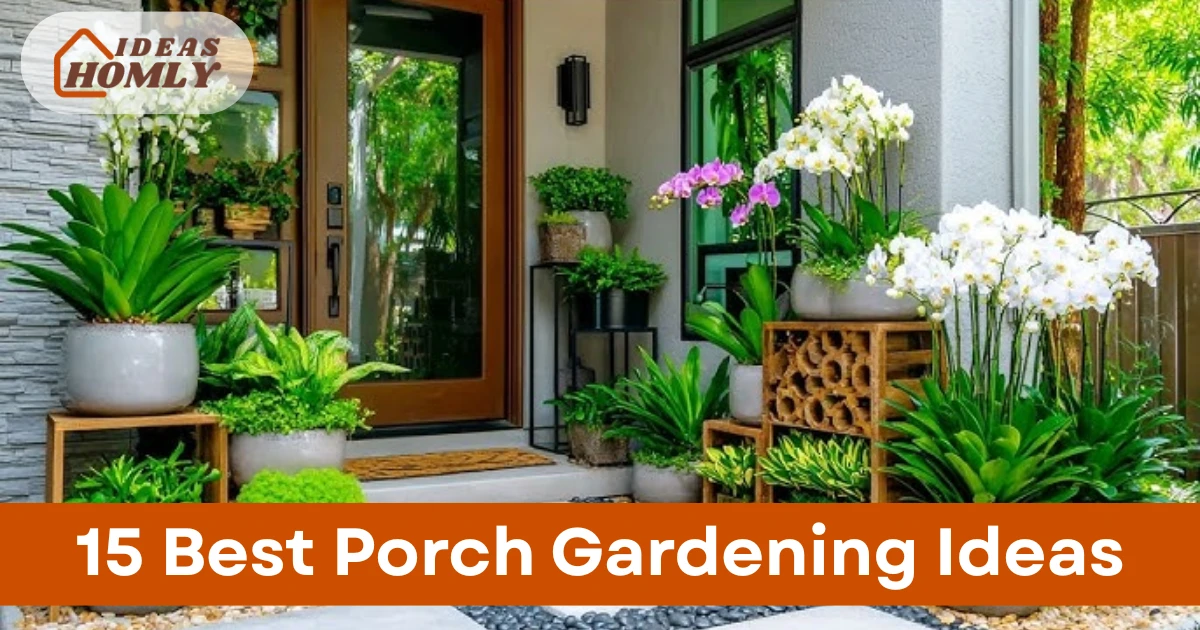

I believe your porch is the first handshake your home gives to the world. A few well-placed plants can turn a boring concrete slab into a space that actually looks lived in and loved.
I have spent enough time killing ferns to know that success depends on picking the right greenery for your light levels. These practical concepts will help you create a lush outdoor area without needing a massive backyard or a professional landscaping crew.
I suggest starting with a clear plan so you do not end up with a cluttered mess of mismatched pots. These ideas will help you build your own personal oasis right outside your front door.
Why Your Home Needs a Practical Porch Garden Layout
I believe that a well-planned porch garden is the most effective way to improve your home’s curb appeal without a full renovation. It serves as a transition zone that connects your cozy interior to the natural beauty of the outdoors.
You should view your porch as a unique microclimate that offers protection from harsh winds while providing consistent shade or sun. I find that once you understand the specific light patterns of your entrance, choosing the right plants becomes much easier.
1. Traditional Symmetrical Entryway Planters
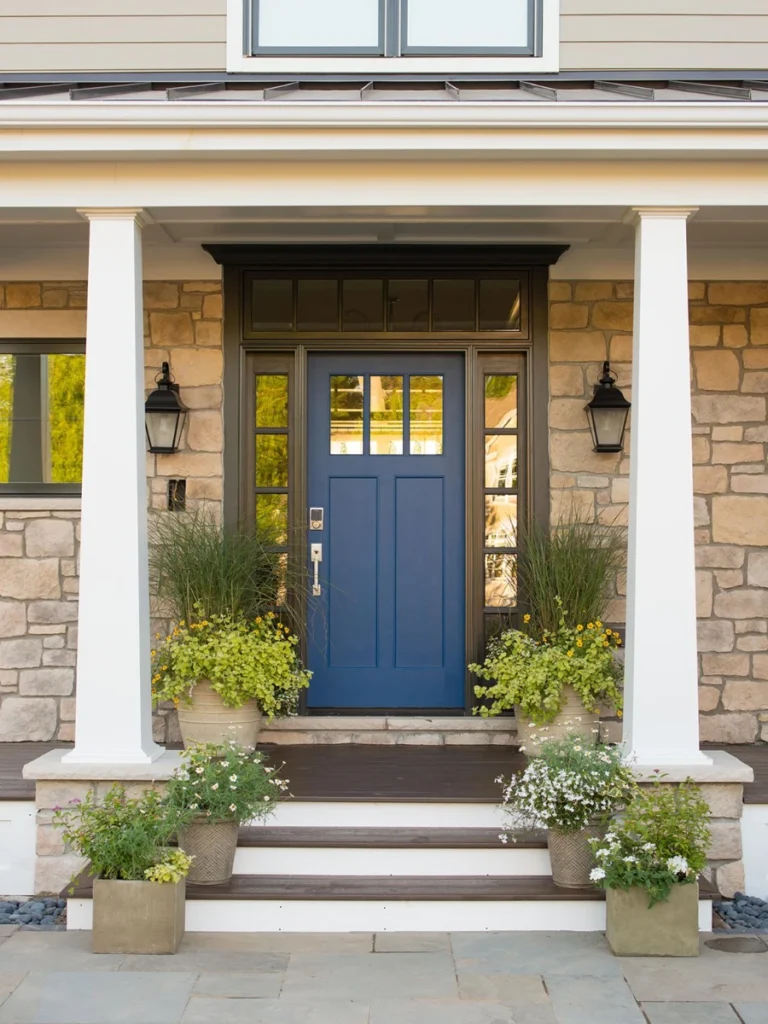
I always find that placing two identical tall planters on either side of the door creates an instant sense of balance. This classic look works for almost any home style and makes your entrance look much more expensive than it actually is.

Homesteading: How to Beautify and Making Healthy Your Home With Indoor Gardening for More Beautiful and Comfortable Home
Homesteading: How to Beautify and Making Healthy Your Home With Indoor Gardening for More Beautiful…
You should choose hardy evergreens like boxwoods if you want a look that stays green throughout the entire year. I personally like adding white flowers around the base of the shrubs to provide a clean and sharp contrast against the dark leaves.
I suggest using heavy ceramic or stone pots so the wind does not knock your hard work over during a summer storm. Make sure your pots have drainage holes because nobody wants to deal with the smell of stagnant water near their front door.
You can swap out the smaller filler plants every season to keep the look fresh without replacing the main structural shrubs. I usually go with pansies in the spring and marigolds when the heat of the summer finally kicks in.
2. Vertical Trellis Privacy Screens
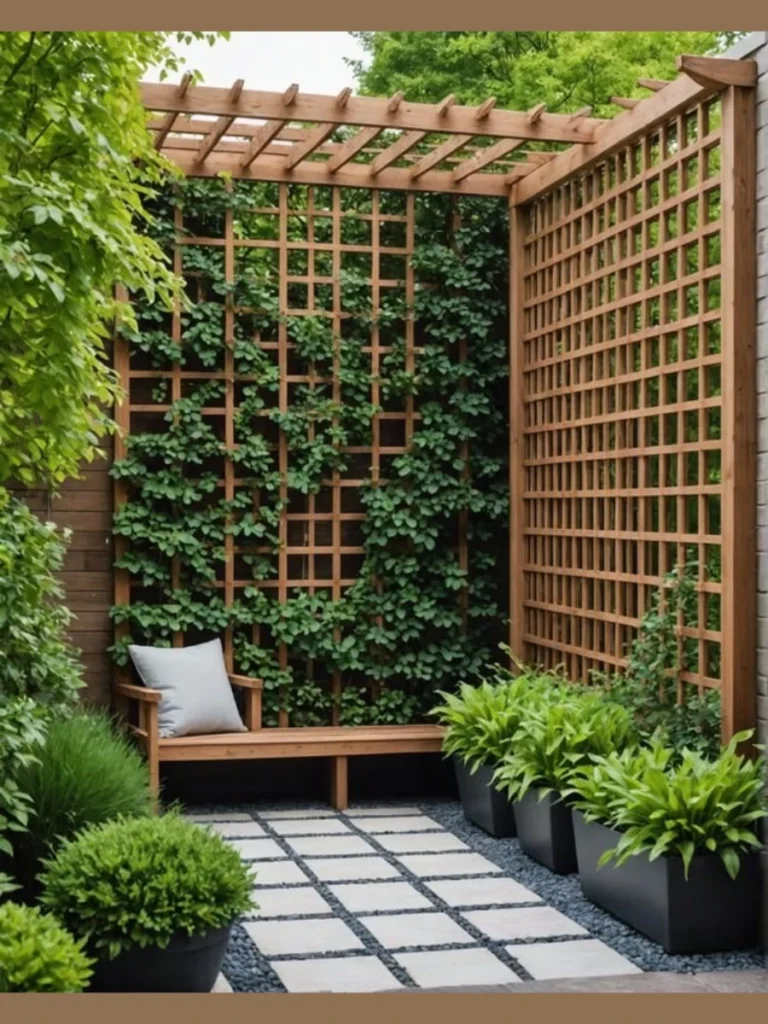
I love using wooden or metal trellises to create a living wall that blocks the view of the street or the neighbors. It is a brilliant way to add privacy to a small porch without building a permanent and ugly fence.
You should plant fast-growing climbers like clematis or jasmine to cover the frame with beautiful foliage and fragrant blooms. I find that the scent of jasmine hits you as you walk outside is better than any expensive candle you can buy.
I suggest anchoring the trellis directly into a long rectangular planter box to provide plenty of root space for the vines. This setup keeps the footprint small while maximizing the amount of vertical green space you get to enjoy.
I have noticed that painting the trellis the same color as your house trim helps the garden feel like a built-in feature. It looks intentional rather than just something you leaned against the wall on a whim last weekend.
3. Hanging Basket Layers
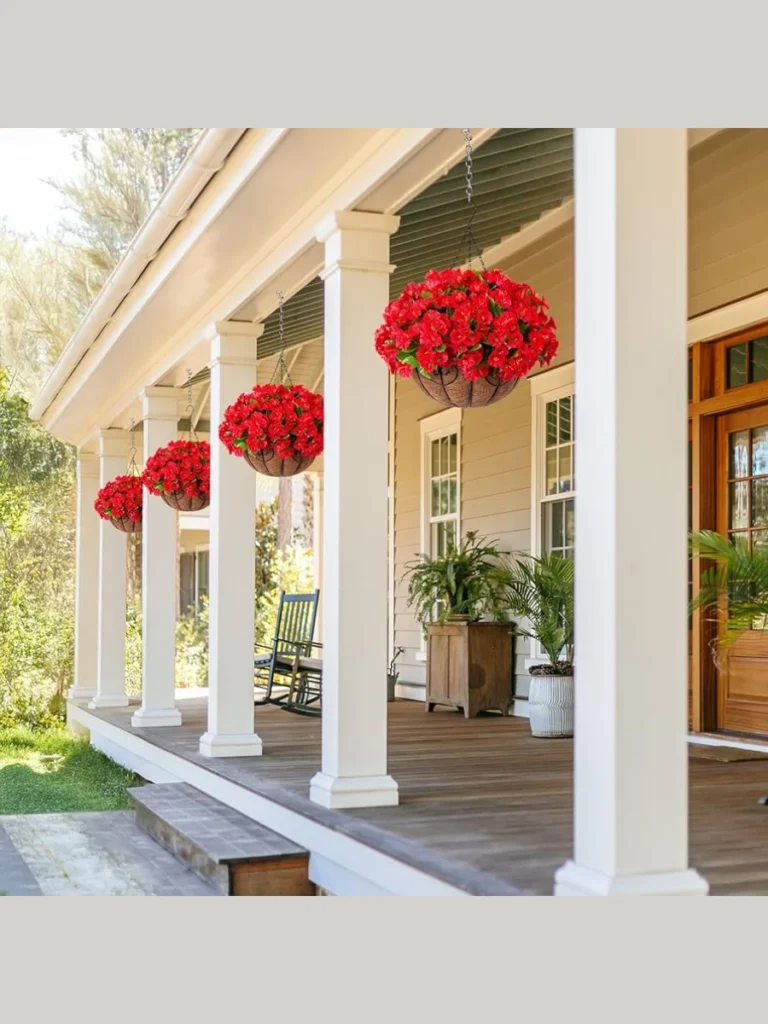
I think hanging baskets are the secret weapon for any porch gardener who is dealing with a very tight floor plan. You can hang them at different heights to create a curtain of flowers that draws the eye upward.
I suggest choosing trailing plants like fuchsia or petunias that will spill over the edges and hide the plastic containers. I always look for self-watering inserts for these baskets because they tend to dry out incredibly fast in the wind.
You should use sturdy hooks that are rated for the weight of wet soil to avoid any middle-of-the-night crashes. I prefer the look of natural coco-liner baskets because they breathe better and look much more organic than cheap green plastic.
I find that grouping three baskets together in a corner creates a much bigger visual impact than spacing them out too far. This creates a dense pocket of color that makes your porch feel like a professional botanical garden display.
4. Tiered Wooden Plant Stands
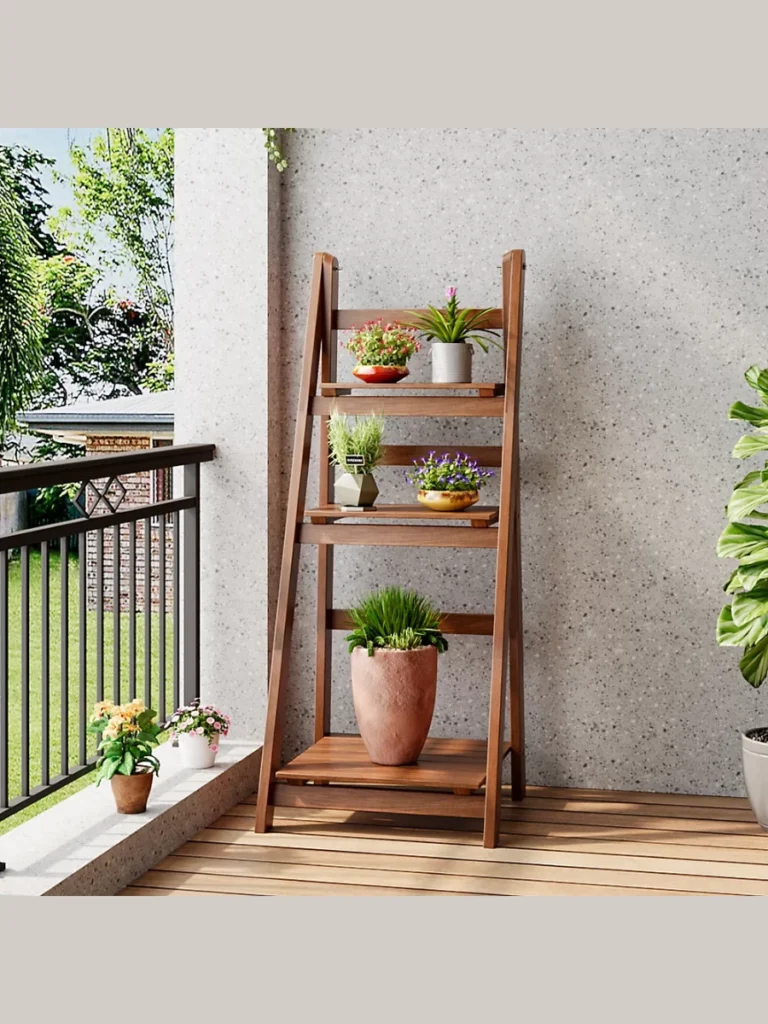
I recommend using a multi-level plant stand if you want to display a large collection of herbs or small succulents. It allows you to organize your plants vertically, which leaves plenty of room for your chairs and coffee tables.
You should place the plants that need the most sun on the very top shelf, where they won’t be shaded by others. I usually put my shade-loving hostas on the bottom level, where it stays cooler and more humid throughout the day.
I like using a ladder-style stand because it is easy to move around when you decide to hose down the porch floor. It also makes watering much simpler since all your pots are concentrated in one single area of the porch.
I suggest choosing a stand made of cedar or treated wood to ensure it does not rot after a few seasons of rain. A quick coat of waterproof sealant will keep the wood looking new and prevent any nasty mold growth.
5. Edible Herb Container Gardens
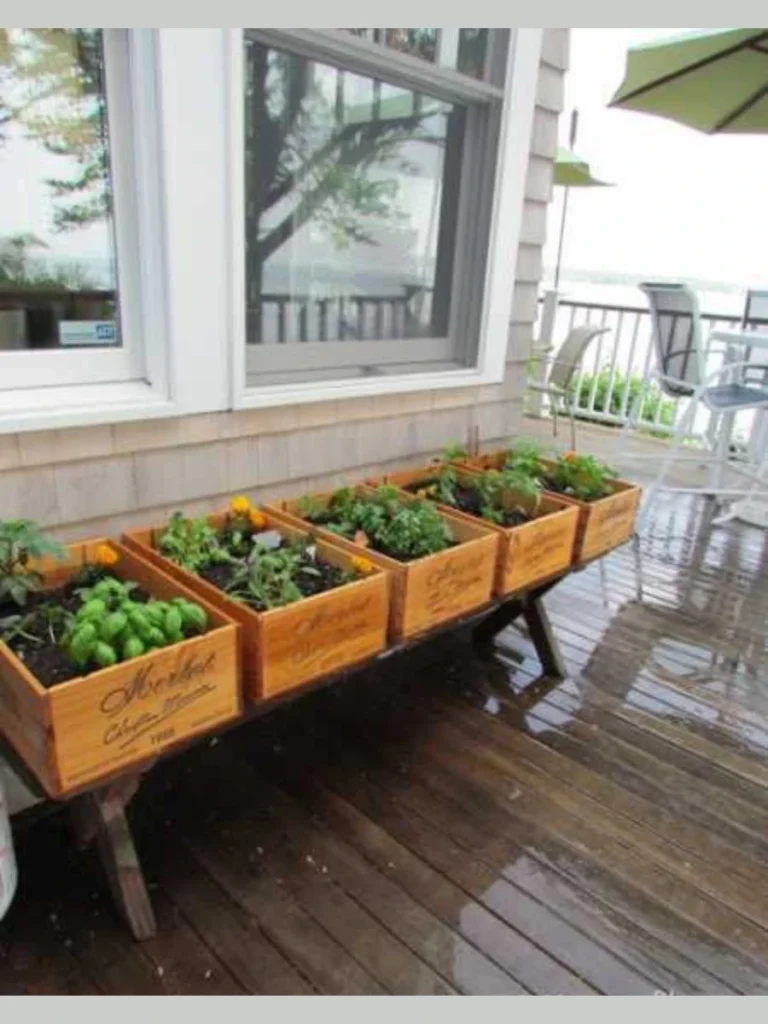
I believe every porch should have a few pots of fresh herbs like basil, mint, and rosemary within easy reach. There is something incredibly satisfying about stepping outside to grab a handful of mint for your afternoon tea.
You should give mint its own dedicated pot because it will aggressively try to take over every other plant in sight. I keep my rosemary near the sunny edge of the porch since it thrives in hot and dry conditions.
I find that using terracotta pots for herbs helps prevent overwatering because the clay allows the soil to breathe naturally. Plus the classic orange-red color of the clay looks beautiful against the bright green leaves of Italian parsley.
I suggest labeling your pots with small wooden markers so your guests don’t accidentally pick the wrong leaves for their drinks. It adds a cute and organized touch to your little edible garden that looks very professional.

HOW TO MAKE A SUCCESSFUL GARDENING THAT BEAUTIFIES YOUR HOME :: The Ultimate Guide to Creating a Stunning Garden Oasis
HOW TO MAKE A SUCCESSFUL GARDENING THAT BEAUTIFIES YOUR HOME :: The Ultimate Guide to…
6. Railing Planter Boxes
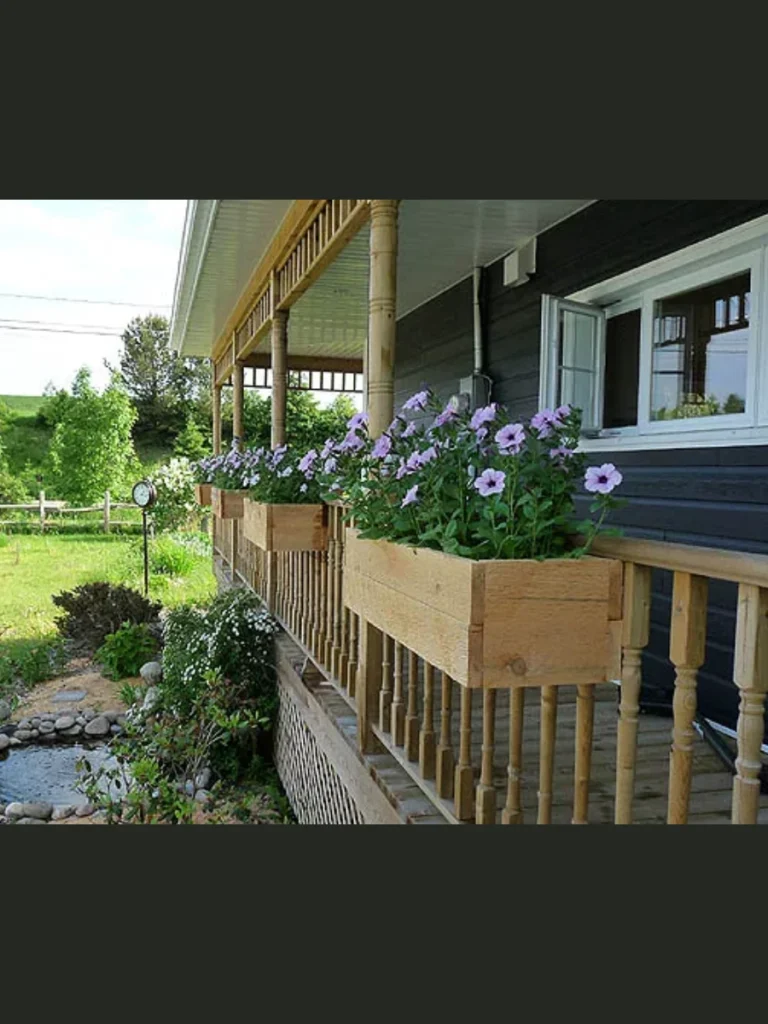
I think railing boxes are the best way to add color to the perimeter of your porch without using any floor space. They act as a beautiful border that defines the edge of your outdoor living area perfectly.
You should look for adjustable brackets that will fit securely onto your specific railing width to prevent any wobbling. I prefer the over-the-rail models because they sit more securely and are less likely to tilt over time.
I recommend planting high-impact annuals like geraniums or sweet alyssum that will thrive in the breezy conditions of a railing. I usually mix a few trailing vines in the box so the greenery drapes down toward the street.
I suggest checking the moisture levels daily because these boxes are exposed to the sun and wind from all sides. A quick drink every morning will keep your flowers from wilting and keep the colors looking vibrant.
7. Cozy Corner Shade Gardens
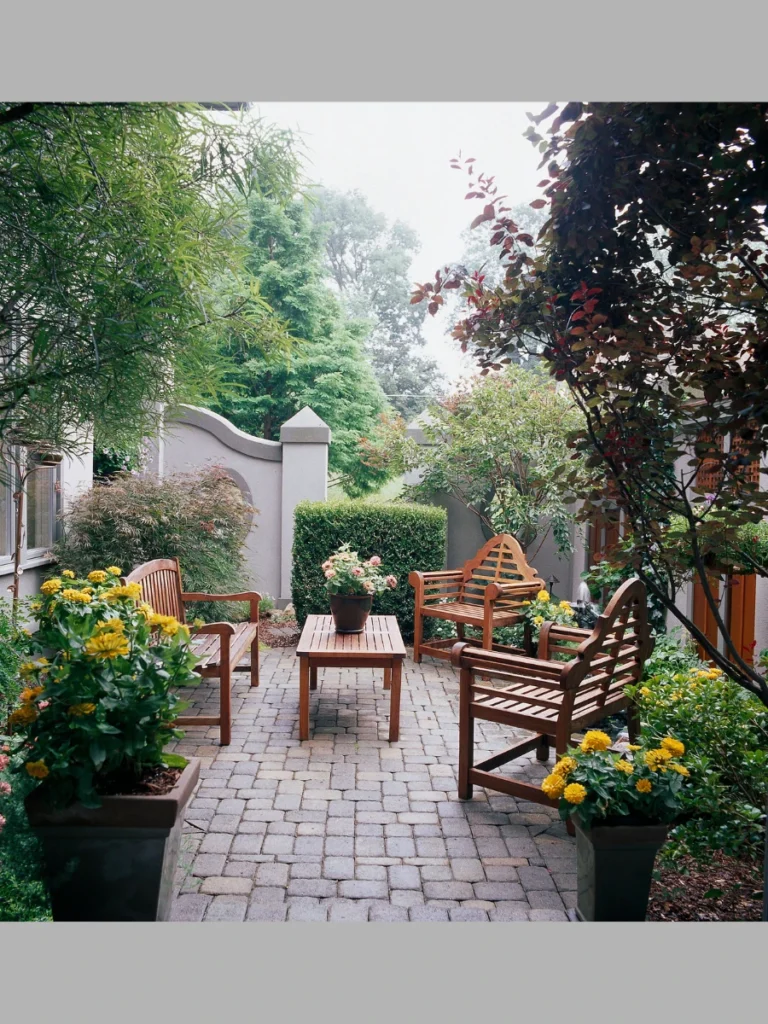
I find that the dark corners of a porch are often neglected, even though they offer the best environment for lush foliage. You can transform these dim spots into a miniature jungle by using plants that actually prefer life away from the harsh sun.
I suggest using large-leafed hostas or vibrant caladiums to add a splash of color to these shadowed areas. I personally love the way white-edged leaves seem to glow in the dark when the sun begins to set in the evening.
You should group pots of varying heights to create a dense and layered look that feels very natural. I usually place the tallest plants in the very back to act as a green backdrop for the smaller ferns in front.
I recommend using light-colored or reflective pots in these corners to bounce whatever little light is available back onto the leaves. It is a simple trick that helps the plants stay healthy while making the corner look much brighter and more inviting.
8. Repurposed Vintage Furniture Displays
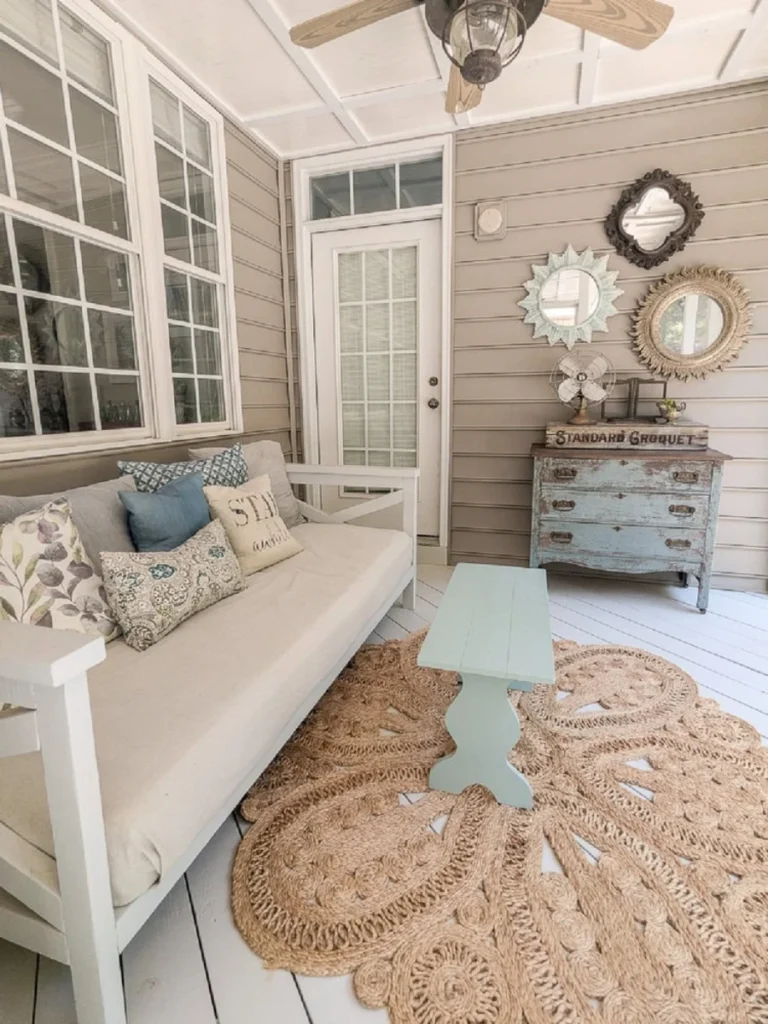
I love the look of an old wooden chair or a weathered stepladder being used as a unique stand for flowering pots. It gives your porch a cozy and lived-in feel that you just cannot get with brand-new plastic shelving from a big box store.
You should secure your pots to the furniture with hidden wires if you live in an area with high winds. I once had a beautiful terracotta pot slide right off a vintage stool during a thunderstorm because I forgot this step.
I suggest painting an old dresser with outdoor-grade paint and using the open drawers as staggered planting beds for succulents. I find that this creates a whimsical focal point that always starts a conversation when friends come over for coffee.
I think the key is to choose furniture made of solid wood or metal that can withstand being exposed to the humidity and rain. A quick layer of clear wax will help preserve the distressed look while protecting the material from rotting over the next year.
9. Modern Minimalist Concrete Vessels
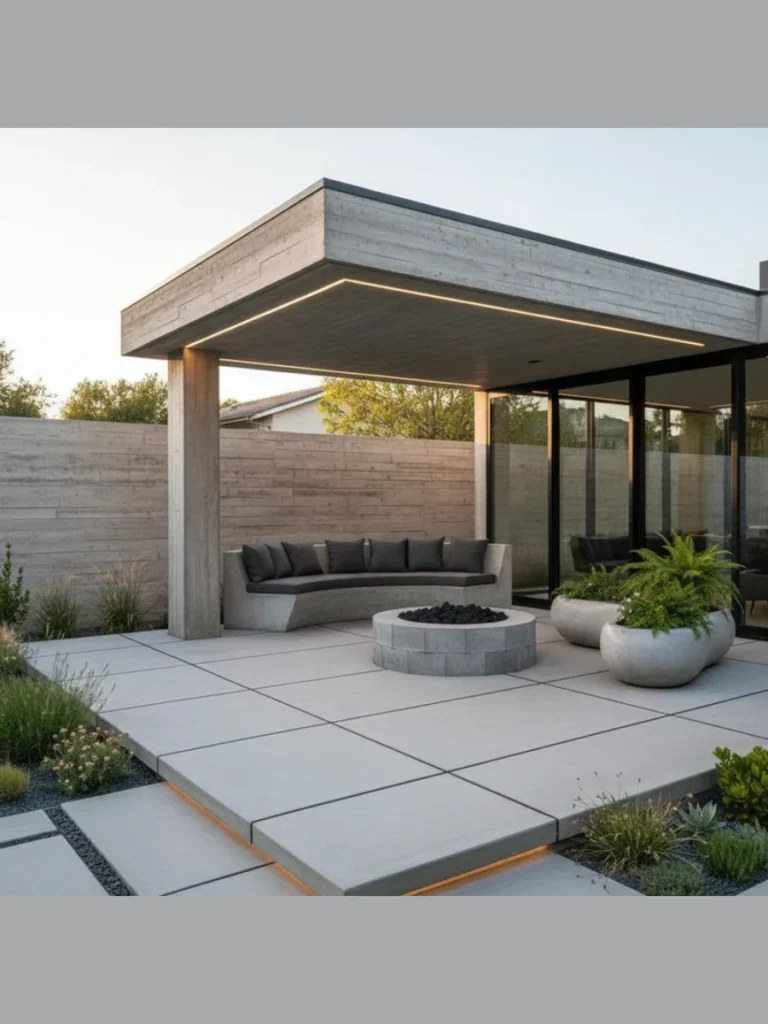
I believe that sleek concrete planters are the perfect choice if your home has a more contemporary or industrial architectural style. The heavy gray stone provides a neutral background that makes the vibrant green of your plants really pop and stand out.
You should choose architectural plants like snake plants or ornamental grasses that have very clean and sharp lines. I find that the contrast between the cold concrete and the soft moving grass creates a very sophisticated and calming atmosphere.
I suggest using different geometric shapes like cylinders and cubes to add some visual interest without cluttering the space. I like to keep the color palette limited to just two or three types of plants to maintain that clean and modern aesthetic.
I recommend placing these heavy pots on small wheeled dollies so you can easily move them around for cleaning or rearranging. It saves your back from unnecessary strain and allows you to change the porch layout whenever the mood strikes you.

Novice Gardener's Guide to Raised Bed Gardening: Maximize Small Spaces, Save Money, and Beautify Your Home While Mastering Basic Gardening Practices
Novice Gardener's Guide to Raised Bed Gardening: Maximize Small Spaces, Save Money, and Beautify Your…
10. Cascading Railing Flower Curtains
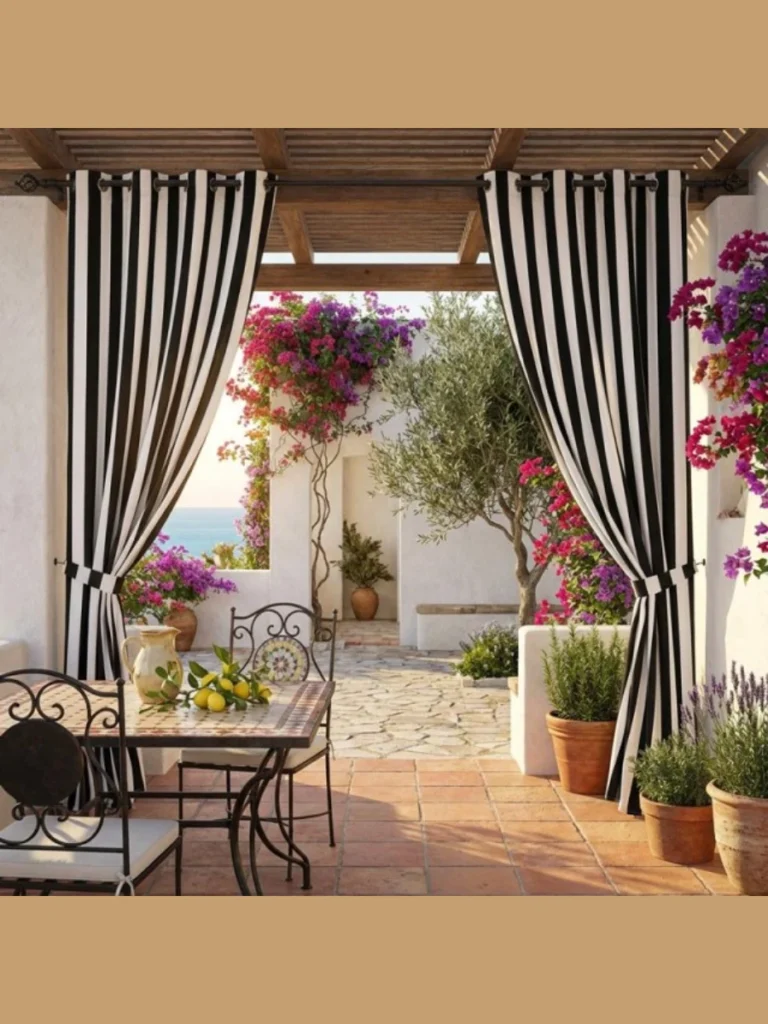
I find that planting trailing species like creeping jenny or wave petunias creates a beautiful waterfall effect over the side of your porch. It is an excellent way to soften the hard lines of a wooden or metal railing with natural movement.
You should space the plants closely together in the railing boxes to ensure there are no gaps in the floral curtain. I usually alternate between a flowering plant and a leafy vine to give the display more texture and depth.
I suggest using a slow-release fertilizer at the beginning of the season to keep the growth lush and the colors bright. I have noticed that these fast-growing vines are very hungry and will stop blooming if they run out of nutrients mid-summer.
I think this look is especially effective for porches that are raised high off the ground, where the flowers can be seen from the street. It creates a massive amount of curb appeal that makes your house the most beautiful one on the entire block.
11. Seasonal Porch Rocking Chair Companions
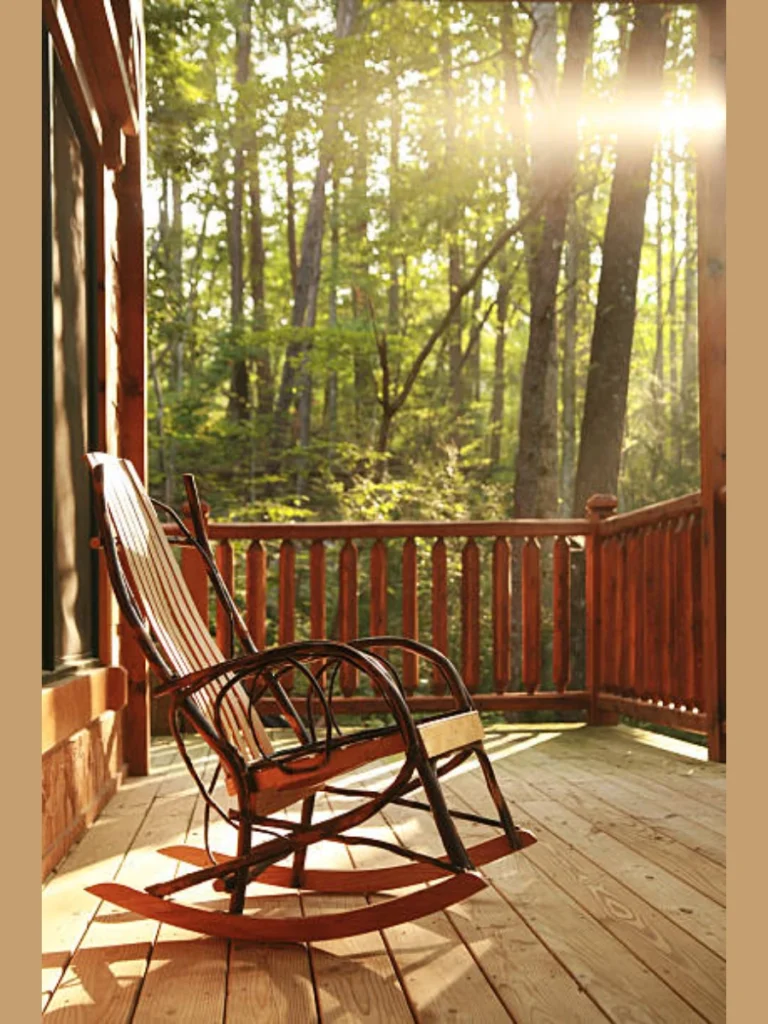
I love placing a single large pot right next to a rocking chair to create a dedicated reading nook that feels private and cozy. It makes the seating area feel more like a room and less like just a transit point into the house.
You should choose a plant with a pleasant scent, like lavender or lemon balm, to enhance the relaxation of your sitting area. I find that brushing against the leaves as I rock back and forth releases a wonderful aroma that calms me down.
I suggest using a pot that matches the color of your chair cushions to create a cohesive and well-designed look. I personally prefer a large glazed ceramic pot because it holds moisture well and adds a nice touch of shine to the porch.
I recommend keeping the plant height just below your shoulder level when you are seated, so it does not block your view. This allows you to feel surrounded by nature while still being able to watch the world go by from your favorite chair.
12. Climbing Rose Pillars
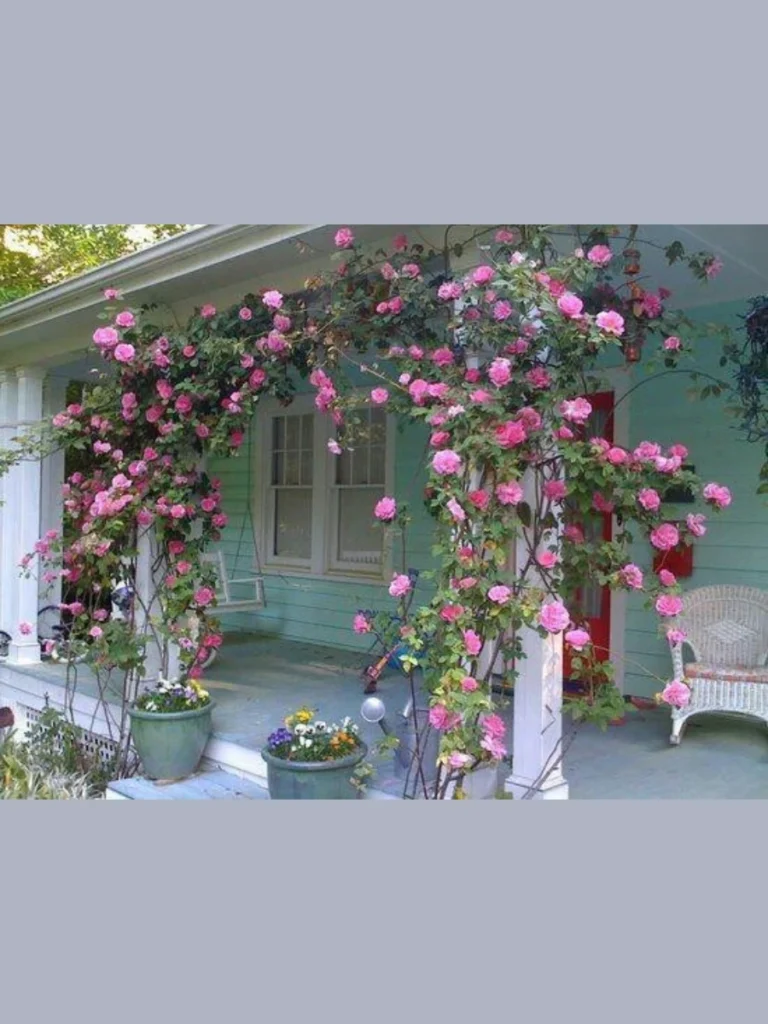
I believe that a climbing rose trained up a porch pillar is one of the most romantic and timeless gardening looks you can achieve. It adds a vertical element of color and fragrance that completely transforms the structural look of your home entrance.

You should use soft garden ties to gently guide the new growth around the post as the rose bush gets taller. I find that training the stems horizontally as much as possible encourages more flowers to grow all the way up the pillar.
I suggest choosing a disease-resistant variety so you do not have to deal with messy leaf drop or chemical sprays near your front door. I usually go with a “no-fuss” shrub rose that blooms repeatedly from late spring until the first frost of winter.
I think the effort of pruning once a year is well worth the incredible display of blooms you get in return. There is nothing quite like walking through a frame of roses every time you come home after a long day at work.
13. Tropical Palm Accents
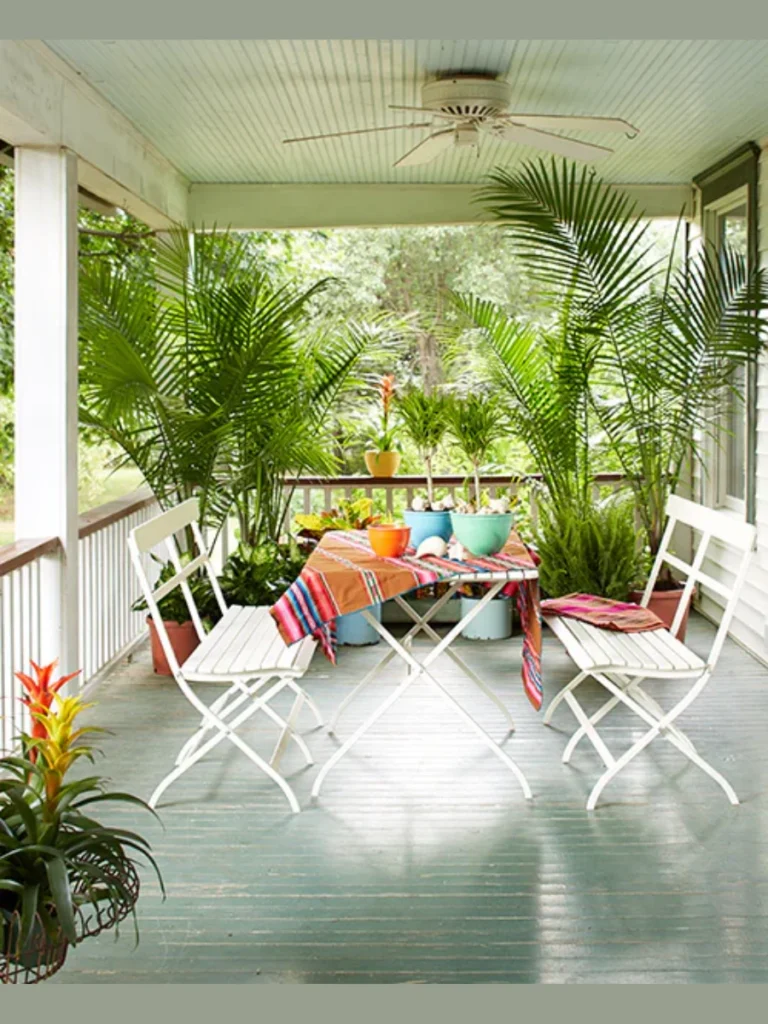
I love using potted palms like Majesty or Areca palms to give my porch an instant vacation vibe, even in the middle of a suburb. Their large feathery fronds add a sense of scale and drama that smaller flowering plants simply cannot provide on their own.
You should keep these plants in a spot that gets bright but indirect light to prevent the leaves from scorching in the sun. I find that they thrive in the humid air of a porch during the summer months and grow surprisingly fast.
I suggest using a heavy pot or adding stones to the bottom of the container to keep the top-heavy palms from blowing over. I once lost a beautiful palm to a gust of wind because the plastic pot it came in was way too light.
I recommend bringing these plants indoors once the temperature starts to drop below fifty degrees at night. They make excellent houseplants during the winter months and will be ready to go back outside as soon as the spring warmth returns.
14. Fragrant Evening Gardens
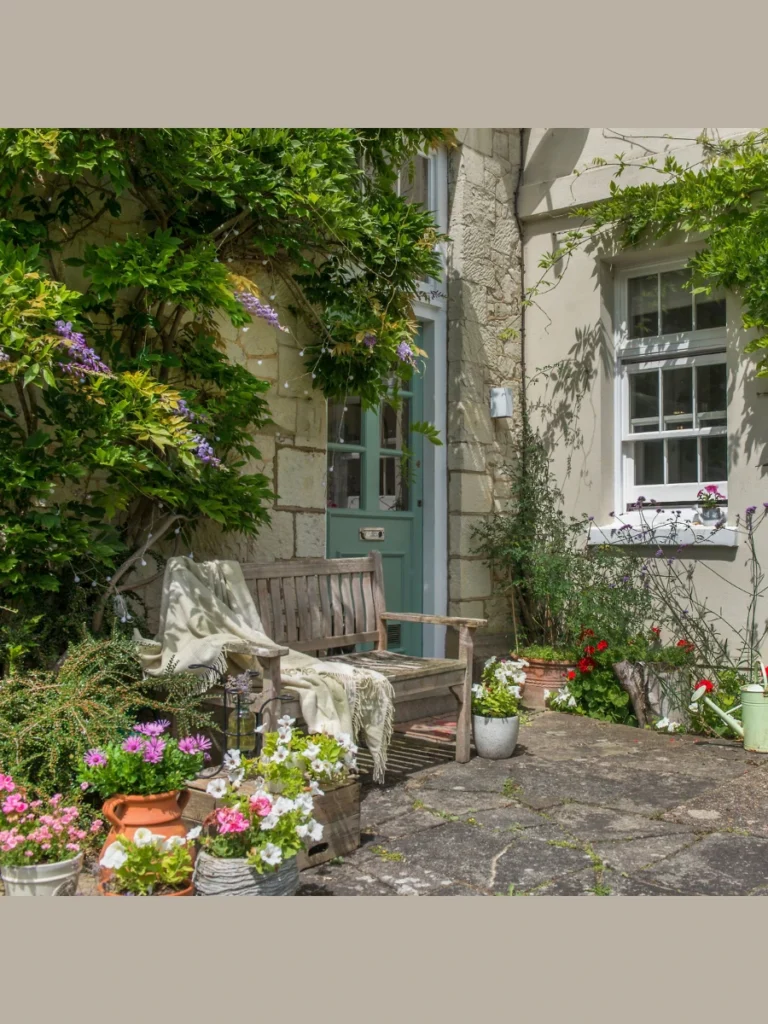
I find that many people forget to plant flowers that only reveal their best features after the sun goes down in the evening. I love including white flowers like moonflowers or night-blooming jasmine that release their perfume once the stars come out.
You should place these pots near your windows or the porch seating area so you can enjoy the scent from inside the house. I personally find that white flowers are the easiest to see in the moonlight, which adds a magical glow to the porch.
I suggest mixing in some silver-leafed plants like dusty miller to reflect the light from your porch lamps or the moon. It creates a shimmering effect that looks sophisticated and high-end without costing a fortune in specialty lighting or decorations.
I recommend using a simple timer for your porch lights so they turn on just as these evening bloomers begin to open up. It ensures you never miss the best part of your garden’s daily cycle, even if you are busy with dinner or chores.
15. Fairy Garden Tabletop Accents
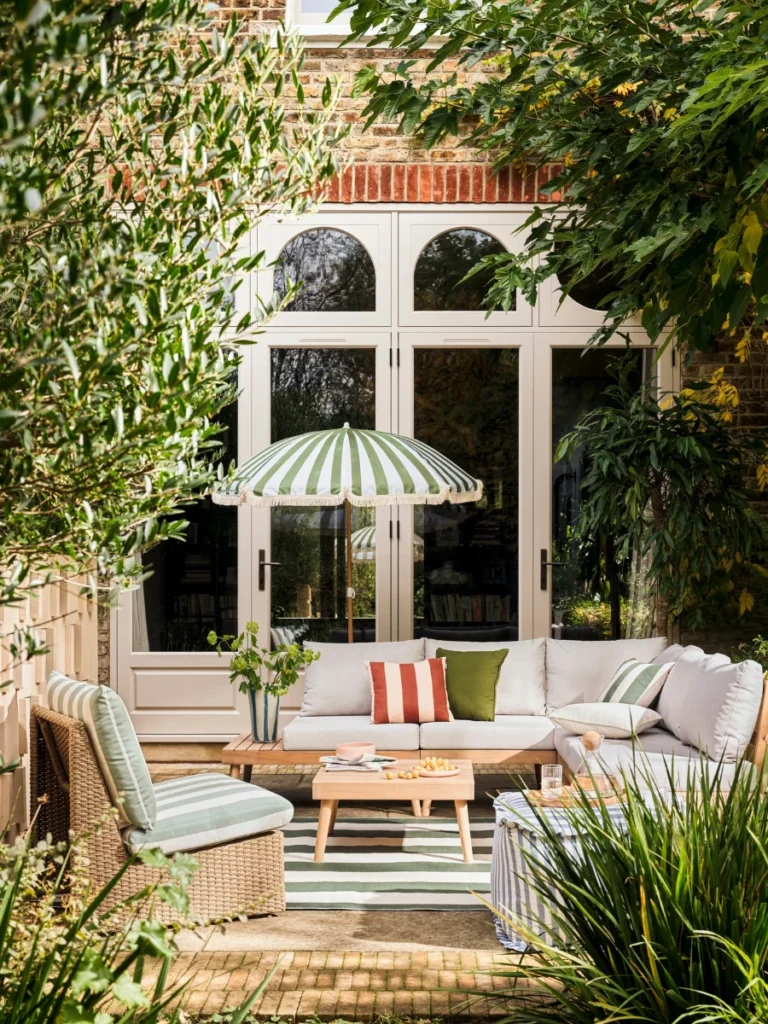
I believe that adding a small-scale miniature garden to a side table is a great way to add detail and whimsy to your porch. It is a fun project that allows you to play with tiny succulents and mosses in a very controlled and creative way.
You should use a shallow, wide bowl or a wooden tray as the base for your miniature landscape to keep it manageable. I find that adding a few small pebbles or a tiny bench makes the scene feel like a tiny world of its own.
I suggest choosing slow-growing plants like hens and chicks so you do not have to prune or replant the bowl every few weeks. I usually put my fairy garden on a table where guests can see the fine details while they sit and chat.
I think this is a perfect gardening project for people who have limited physical strength or very little time for heavy maintenance. It provides all the joy of gardening on a much smaller and more easily handled scale that anyone can enjoy.
Common Challenges and Smarter Choices
| Feature | Best Plant Choice | Light Requirement | Maintenance Level |
| Hanging Baskets | Fuchsia or Petunias | Partial to Full Sun | High (Daily Watering) |
| Privacy Screens | Star Jasmine | Full Sun | Medium (Pruning) |
| Shady Corners | Boston Ferns | Deep Shade | Low (Mist Frequently) |
| Entry Pots | Boxwood Shrubs | Full to Partial Sun | Low (Seasonal Trims) |
| Edible Herbs | Basil and Rosemary | Full Sun | Medium (Harvest Often) |
| Modern Pots | Snake Plants | Any Light Level | Very Low (Rare Watering) |
Common Mistakes to Avoid on Your Porch
I have seen many people rush into buying beautiful flowers without checking if their porch actually gets enough sunlight to support them. I find that placing a sun-loving plant in a deep shade corner is the fastest way to end up with a dead and crispy mess.
You should always verify the weight capacity of your porch railings before hanging heavy wet soil bags or large ceramic boxes. I once saw a railing bow under the pressure of too many pots, which turned a fun project into a very expensive home repair.
I suggest avoiding the mistake of forgetting about drainage because water trapped at the bottom of a pot will rot the roots within days. I always make sure there is a clear path for water to exit the container so the plants can breathe and stay healthy.
I think the biggest error is treating the porch garden as a “set it and forget it” project instead of a living space. I find that spending just five minutes every morning checking the soil moisture is the difference between a lush oasis and a brown graveyard.
Final Thoughts on Your Porch Oasis
I believe that your porch garden should be a reflection of your own personal style and a place where you truly enjoy spending time. Whether you choose a minimalist modern look or a wild tropical jungle, the most important thing is that it makes you feel happy.
I recommend starting with just one or two of these ideas and then slowly adding more as you get a feel for the light and wind. It is much better to have three thriving plants than a dozen struggling ones that make your porch look neglected and messy.
I find that the most successful porch gardens are the ones that are treated as an extension of the indoor living space. Use comfortable chairs and good lighting to ensure you actually get to sit out there and enjoy the beautiful greenery you have created.
I suggest keeping a small kit of gardening tools and a watering can hidden in a decorative box on the porch for quick maintenance. Being able to snip a dead leaf or pull a stray weed while you drink your morning coffee makes gardening feel like a joy.
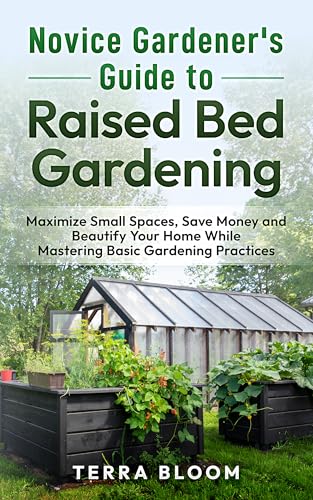
Novice Gardener's Guide to Raised Bed Gardening: Maximize Small Spaces, Save Money, and Beautify Your Home While Mastering Basic Gardening Practices (Gardening ... for Gardening in any Climate Book 1)
Novice Gardener's Guide to Raised Bed Gardening: Maximize Small Spaces, Save Money, and Beautify Your…
FAQs
I suggest using Boston ferns or hostas because they thrive in low light. These species love the cool environment under a roof and stay very green.
I recommend checking the soil daily since pots dry out much faster than ground soil. You will likely need to water every morning during the peak summer heat.
I find that you must bring tropical plants inside before the first frost hits. Hardy shrubs can stay out if you wrap the pots to protect the roots.
Always use thick saucers under every pot to catch the excess drainage. This prevents water from sitting on the wood and causing expensive rot issues.
I believe snake plants and geraniums are the most forgiving options for new gardeners. They handle inconsistent watering well and still look great with minimal effort.
Related Posts
- Top 10 Porch Garden Ideas
- 11 Best Porch Swing Decorating Ideas
- Top 12 Porch Swing Ideas
- 13 Best Backyard Porch Decor Ideas
- Top 14 Front Porch Decorating Ideas
- 15 Best Front Porch Decor Ideas