
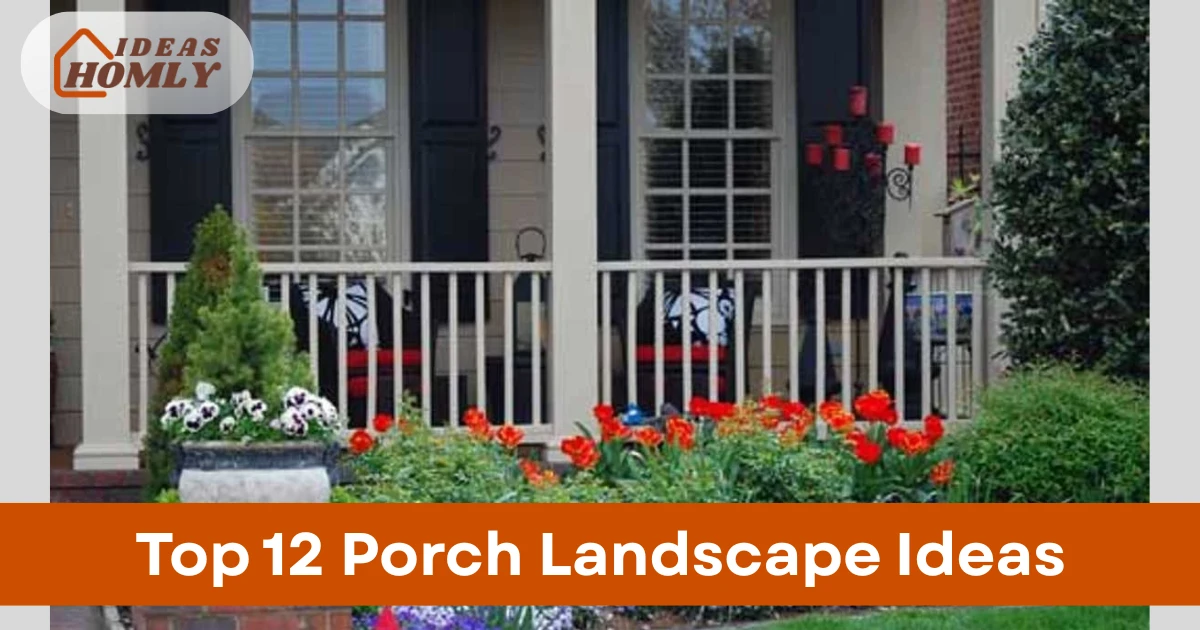

I know your front porch currently looks like a lonely concrete island floating in a sea of grass. We are going to fix that today with some actual greenery that does not require a degree in botany to keep alive.
Setting the Stage for Your Front Yard Makeover
Your front porch serves as the handshake of your home, and right now, mine was looking a bit cold and unfriendly. I decided to stop treating my porch like a storage area for old boots and started viewing it as a living room with better airflow.
A good landscape plan connects your architecture to the soil, so the house does not look like it just dropped from the sky. I found that layering plants by height creates a natural flow that guides guests toward the front door without needing a map.
You want to choose materials that match the vibe of your home while standing up to the local weather patterns. I prefer using a mix of permanent shrubs and seasonal flowers so the area stays interesting even when the temperature drops.
Budgeting for these projects is easier when you focus on high-impact zones like the immediate perimeter of your porch steps. I realized that spending a little more on a few large pots looks much better than buying dozens of tiny, sad plants.
1. Symmetry with Potted Boxwoods

I started using matching boxwoods in heavy stone planters to frame my front steps because they provide a clean and professional look. These hardy shrubs stay green throughout the winter and handle my occasional forgetfulness when it comes to watering duties.
You can prune these bushes into perfect spheres if you feel like being fancy, or let them grow naturally for a softer feel. I enjoy the structure they provide because they act as green anchors for the more chaotic flowers I plant nearby.
Placement is everything here, so I suggest putting one on each side of your door to create a balanced visual path. The heavy pots prevent the wind from turning your expensive plants into tumbleweeds during the next big summer thunderstorm.
Boxwoods are great because they do not drop messy leaves all over my porch floor every time a breeze picks up. I appreciate a plant that knows how to behave itself and stays in its lane while looking expensive for very little effort.
2. Layered Foundation Plantings
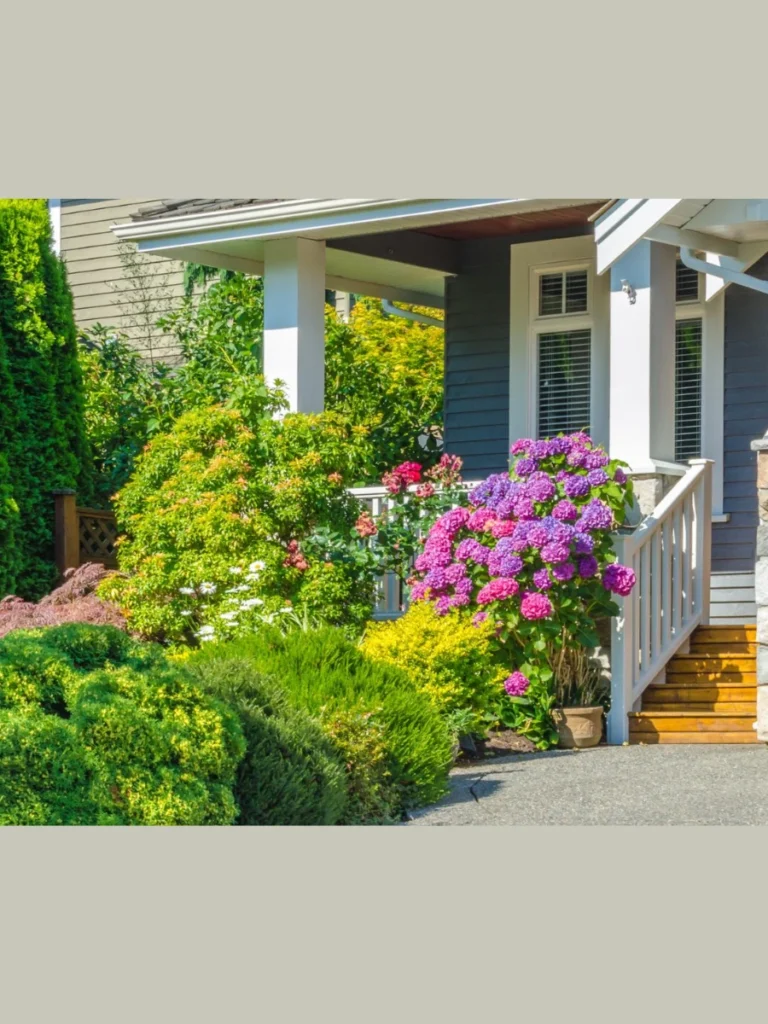
I learned the hard way that planting everything in a straight line makes your house look like it is wearing a grass skirt. I now use a tiered approach where the tallest shrubs sit against the porch wall while shorter flowers creep toward the lawn.
This layering technique hides the ugly concrete base of my porch while adding depth that makes the yard look much larger. I mix different leaf textures like glossy holly and soft hostas to keep the eyes moving across the entire landscape bed.

SAMIYUE Drunk Duck Figurine Sculpture Desktop Ornament, Resin Funny Lazy Relaxed Duck Statues Outdoor with Sunglasses for Yard, Lawn, Porch, Landscape and Patio Decor
SAMIYUE Drunk Duck Figurine Sculpture Desktop Ornament, Resin Funny Lazy Relaxed Duck Statues Outdoor with…
Choosing plants with varying bloom times ensures that my porch does not look like a graveyard once the spring tulips fade away. I keep the taller evergreens in the back so the structure remains visible even when the perennial flowers go dormant for the season.
Proper spacing is the secret sauce here because those tiny nursery plants will eventually grow into space-hogging monsters if you are not careful. I give them room to breathe now, so I am not out there with hedge trimmers every single weekend.
3. Climbing Vines on Trellises
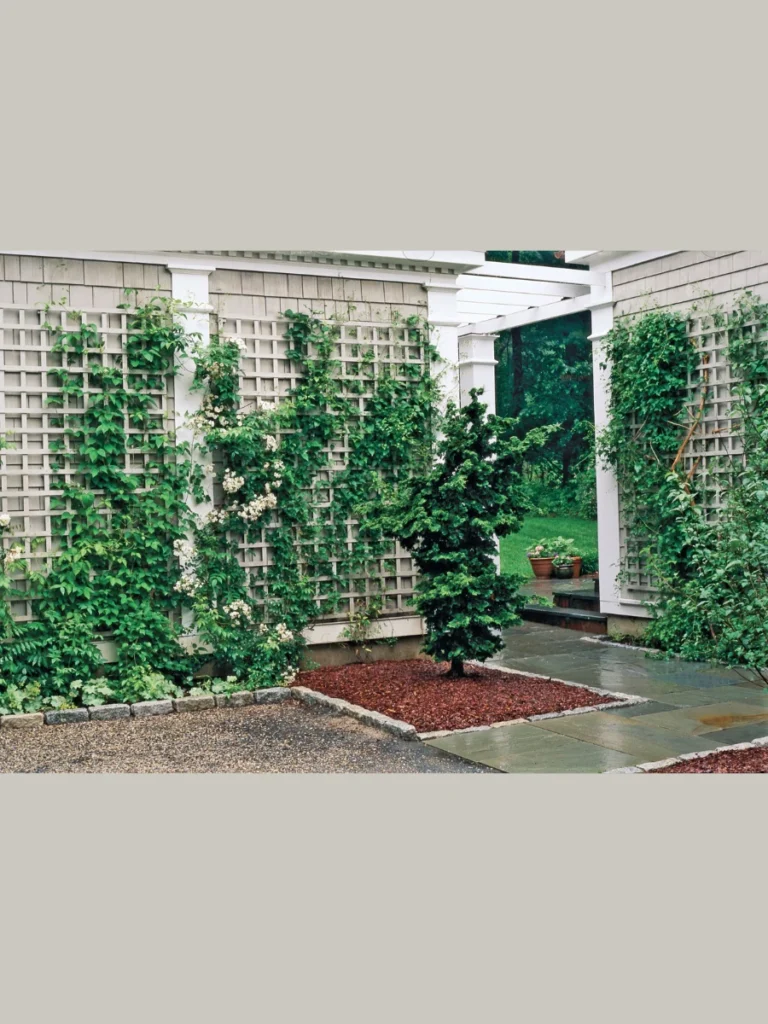
I added a simple wooden trellis to the side of my porch to support some fast-growing clematis that provides a wall of color. Vertical interest is a total lifesaver when you have a small yard and cannot afford to give up precious square footage on the ground.
Watching vines crawl up a pillar makes the porch feel like a private garden retreat instead of a public viewing platform. I went with a flowering variety that smells great so I can actually enjoy the scent while I am hiding from my neighbors.
You should make sure your trellis is anchored well because a heavy vine can pull down a flimsy support during a windy day. I used sturdy metal brackets to keep mine attached to the porch post without damaging the actual siding of the house.
Climbing plants are excellent for adding privacy without the expense or permit headaches of building a giant wooden fence around your property. I love how the green leaves soften the hard corners of my porch roof and make the whole space feel cozy.
4. Modern Gravel Borders
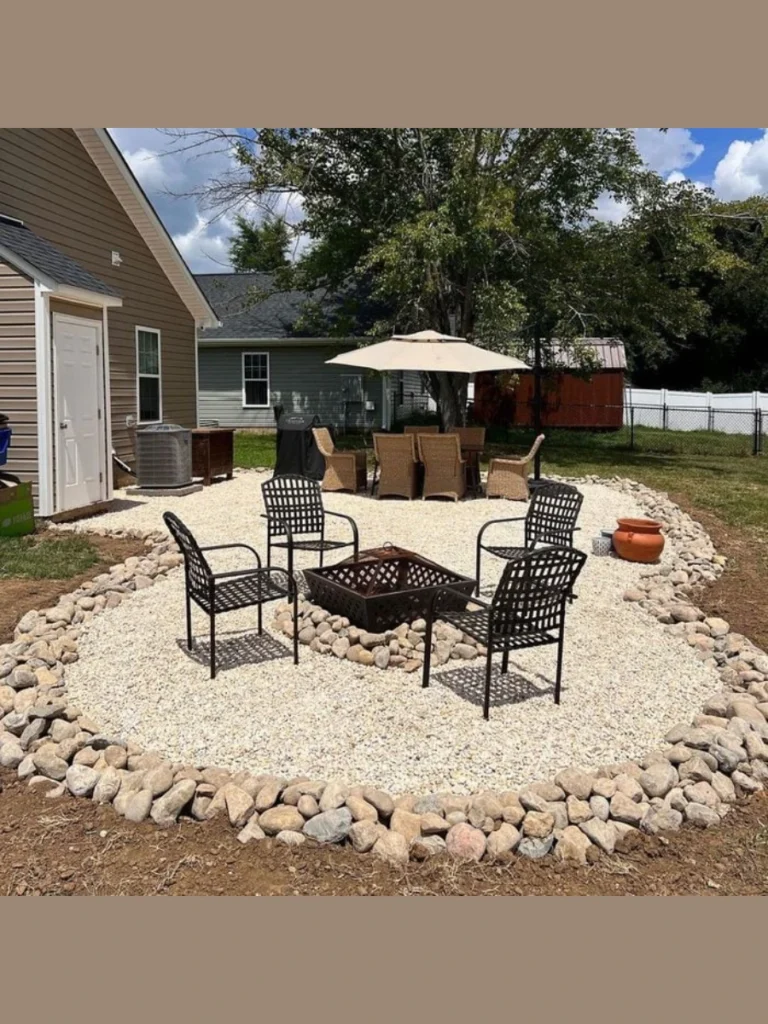
I swapped out my old mulch for dark grey river rocks along the edge of my porch to stop the mud from splashing up. This clean look works perfectly for my minimalist aesthetic and means I never have to buy bags of stinky wood chips again.
Gravel borders act as a permanent mulch that stays in place and does not rot or attract termites to my wooden porch floor. I installed a thick landscape fabric underneath to keep the weeds from turning my rock bed into a miniature jungle.
You can tuck a few drought-tolerant succulents into the gaps for a look that belongs in a high-end architectural magazine. I find that the contrast between the sharp grey stones and the soft green plants makes the colors pop like crazy.
Maintenance involves nothing more than a quick leaf blower session to keep the stones looking fresh and debris-free throughout the year. It is the ultimate lazy person’s way to have a landscape that looks like a professional crew visits every Tuesday.
5. Low Voltage Path Lighting
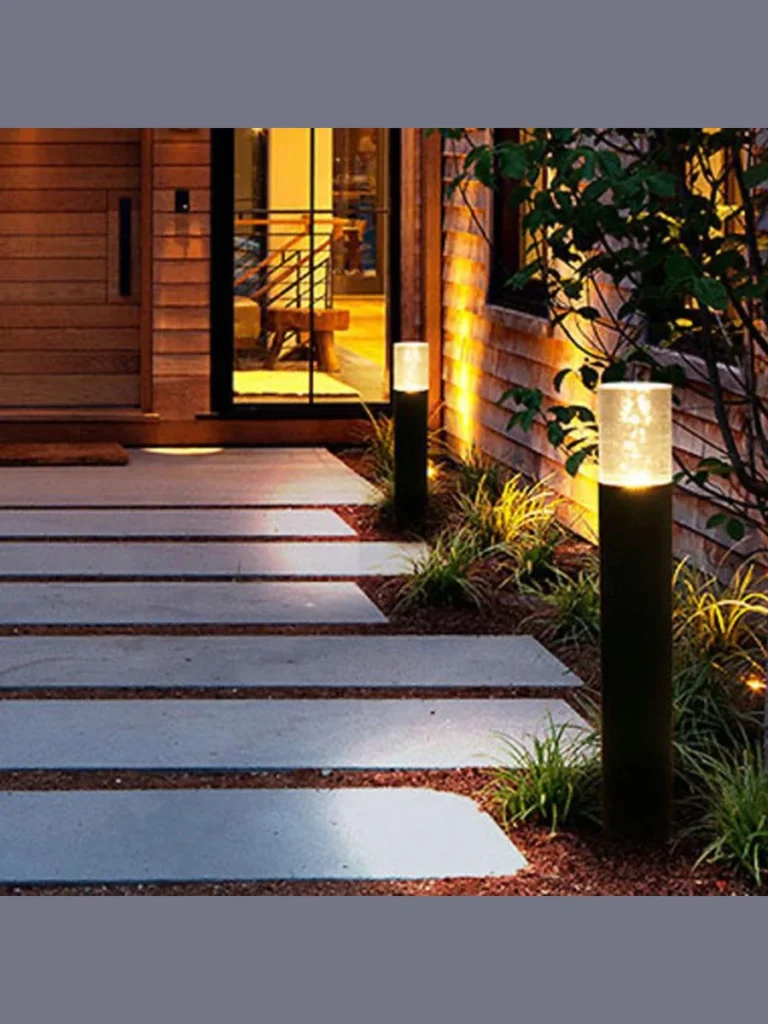
I tucked small LED lights into my flower beds to highlight the plants and make sure nobody trips over my porch steps. Good lighting turns a dark and spooky entrance into a warm glow that makes me feel like a fancy hotel guest.
Solar lights are okay, but I prefer a wired system for a consistent brightness that does not die out two hours after sunset. I hid the wires under a thin layer of soil and mulch so the setup looks clean and completely hidden during the day.
Lighting the underside of my ornamental trees creates cool shadows on the porch walls that add a lot of drama for very little cost. I pointed the beams away from the door so I am not blinded by a searchlight every time I come home late.
This simple addition makes the porch landscape functional at night and provides an extra layer of security for the front of the house. I enjoy sitting outside in the evening now that I can actually see where I am putting my coffee mug.

FancyPlus 27'' Artificial Topiary Plants for Outdoor 2 Pack Artificial Topiary Trees with Stable Metal Ground Spike Fake Bushes Shrubs for Outside Garden Front Porch Landscape Walkway, Green Cedar
FancyPlus 27'' Artificial Topiary Plants for Outdoor 2 Pack Artificial Topiary Trees with Stable Metal…
6. Perennial Border for Constant Color
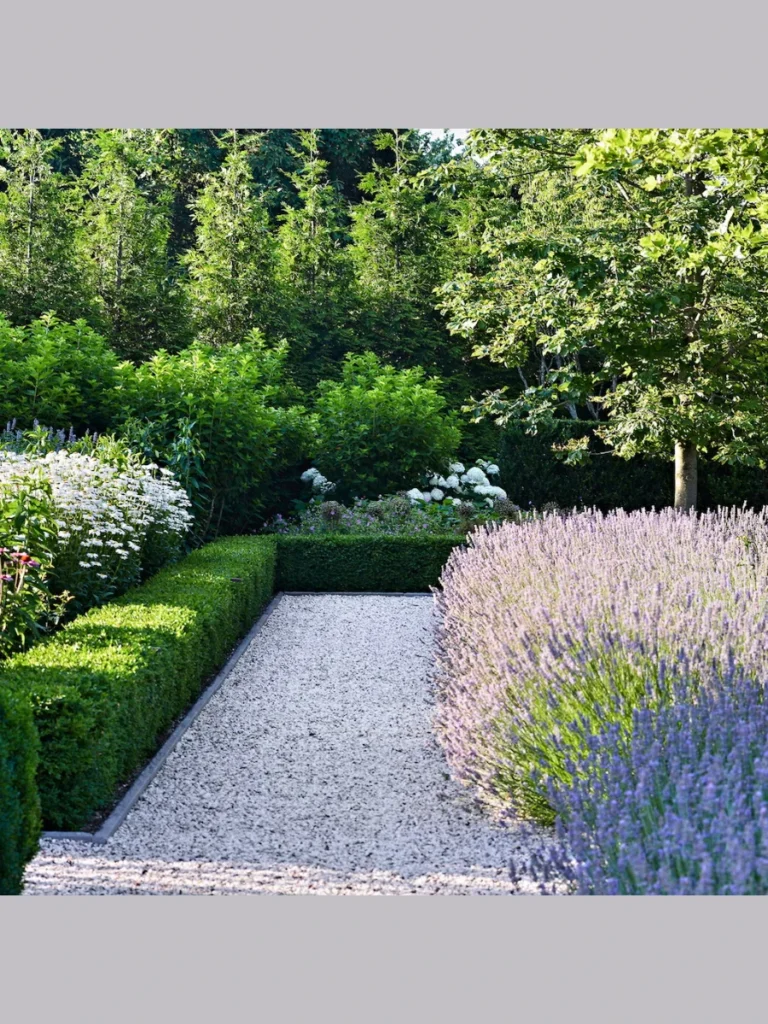
I filled the front edge of my landscape bed with purple salvia and yellow daylilies that come back every year without my help. Buying perennials is a smart investment because you pay for them once and they keep performing like tiny garden employees.
These plants usually require a quick haircut in the fall, but otherwise, they are happy to just sit there and look beautiful. I chose varieties that are native to my area so they can handle the local bugs and the occasional heatwave.
Grouped plantings in odd numbers like threes or fives look much more natural than a single lonely flower sitting in the dirt. I massed my lavender together so the scent hits me as soon as I walk down the porch stairs to check the mail.
Having a permanent border means I only have to buy a few annuals for my pots to keep the look fresh each season. It saves me a fortune at the garden center and ensures my porch landscape has a solid foundation of color all year.
7. Natural Stone Walkways
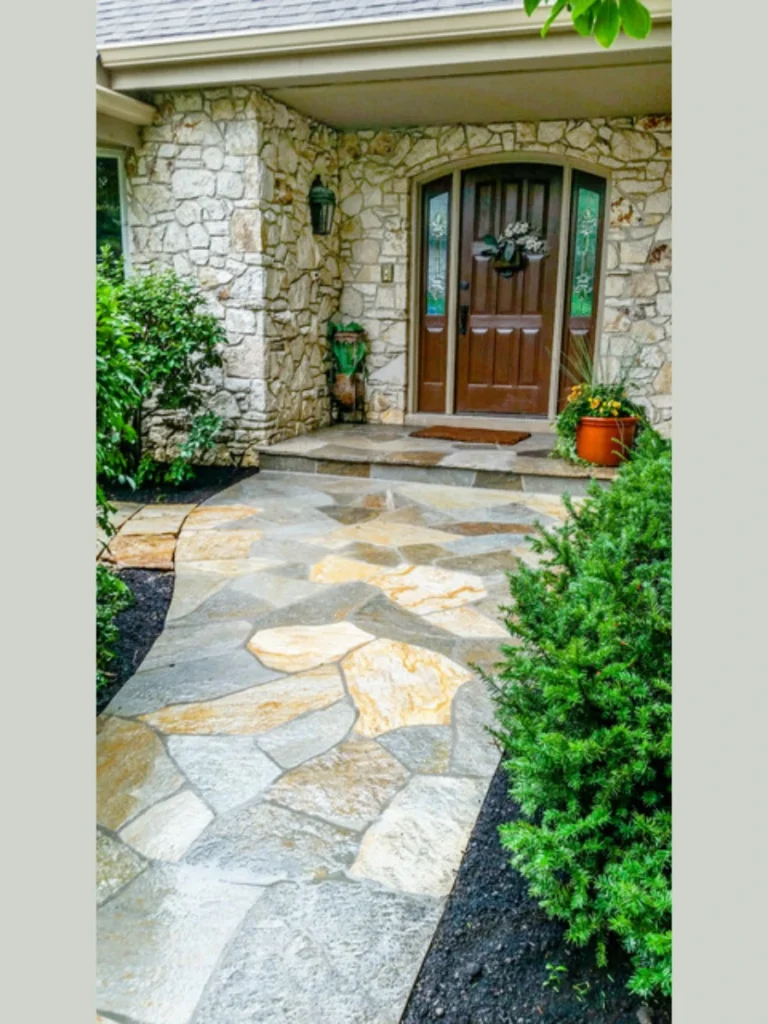
I laid down some irregular flagstones leading from the driveway to the porch to create a charming and rustic path. Stepping stones prevent a muddy trail from forming in the grass and give the landscape a finished, intentional feel that guests appreciate.
You can fill the gaps between the stones with moss or creeping thyme for a soft look that smells amazing when you step on it. I like that the stones do not have to be perfectly level or straight to look like they have been there forever.
This project took me a weekend to finish, but it completely changed how the front of my house feels when I pull in. I dug out a shallow trench and used sand to set the stones so they do not wobble when I am carrying heavy groceries.
Natural stone handles the freeze and thaw cycles much better than cheap concrete pavers that tend to crack after a single rough winter. I picked a stone color that matches the chimney of my house to tie the whole outdoor look together.
8. Tiered Corner Planters
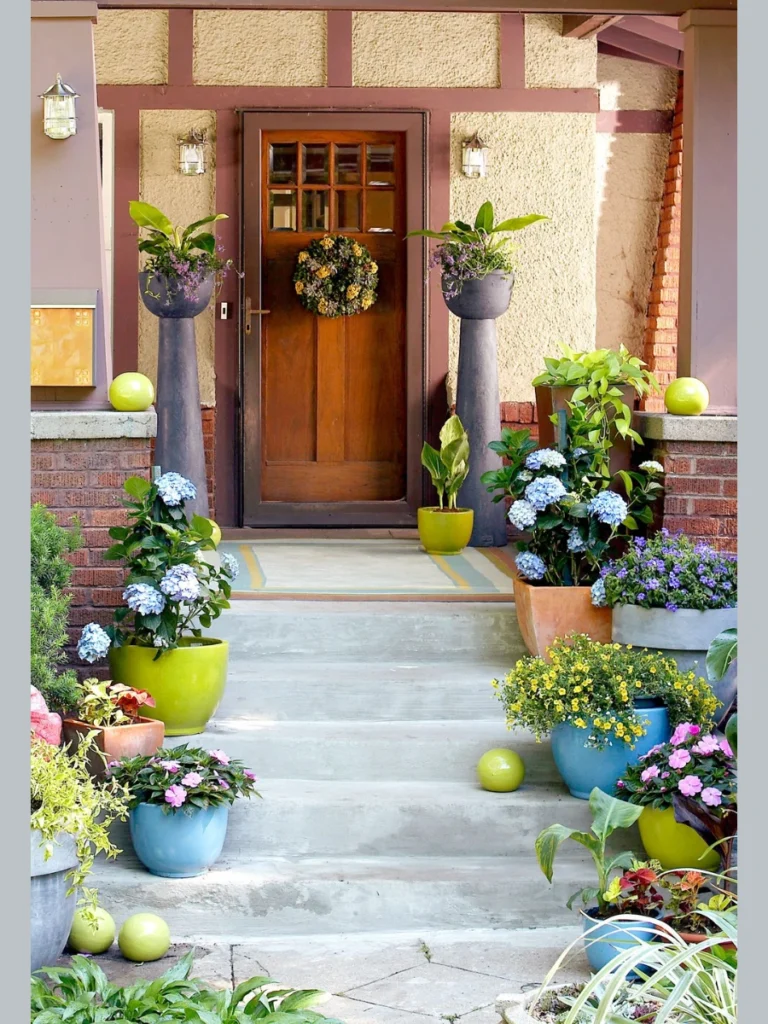
I used a set of three different-sized wooden planters in the corner of my porch to add height without taking up the whole floor. Using levels makes a small collection of plants look like a curated garden instead of just a bunch of pots.
This setup is perfect for growing herbs like rosemary and mint right where I can reach them while I am cooking dinner. I put the thirstiest plants in the bottom pots so the drainage from the top ones helps keep them hydrated automatically.
I often rotate the plants in these tiers to match the holidays, using pumpkins in the fall and bright red poinsettias in the winter. It is an easy way to change my porch landscape without having to pick up a shovel or get my knees dirty.
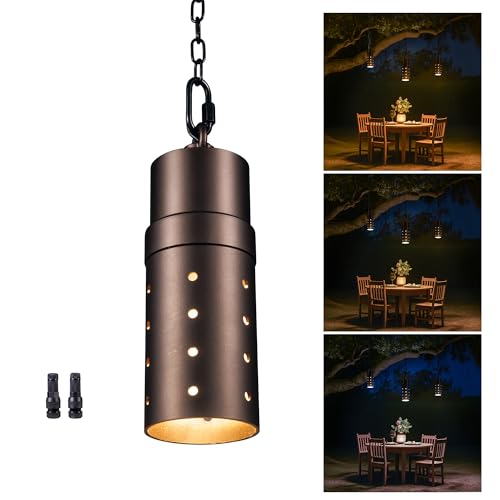
Varmtalys Low Voltage 3CCT Hanging Light, 3000K/4000K/5000K Selectable Outdoor 12V LED Pendant Light, IP65 WaterproofORB Aluminum for Gazebo Tree Porch Landscape Lighting
Varmtalys Low Voltage 3CCT Hanging Light, 3000K/4000K/5000K Selectable Outdoor 12V LED Pendant Light, IP65 WaterproofORB…
The vertical arrangement also keeps my plants away from the local rabbits who think my porch is a five-star salad bar. I enjoy having greenery at eye level where I can actually see the flowers while I am sitting in my porch chair.
9. Ornamental Grass Accents
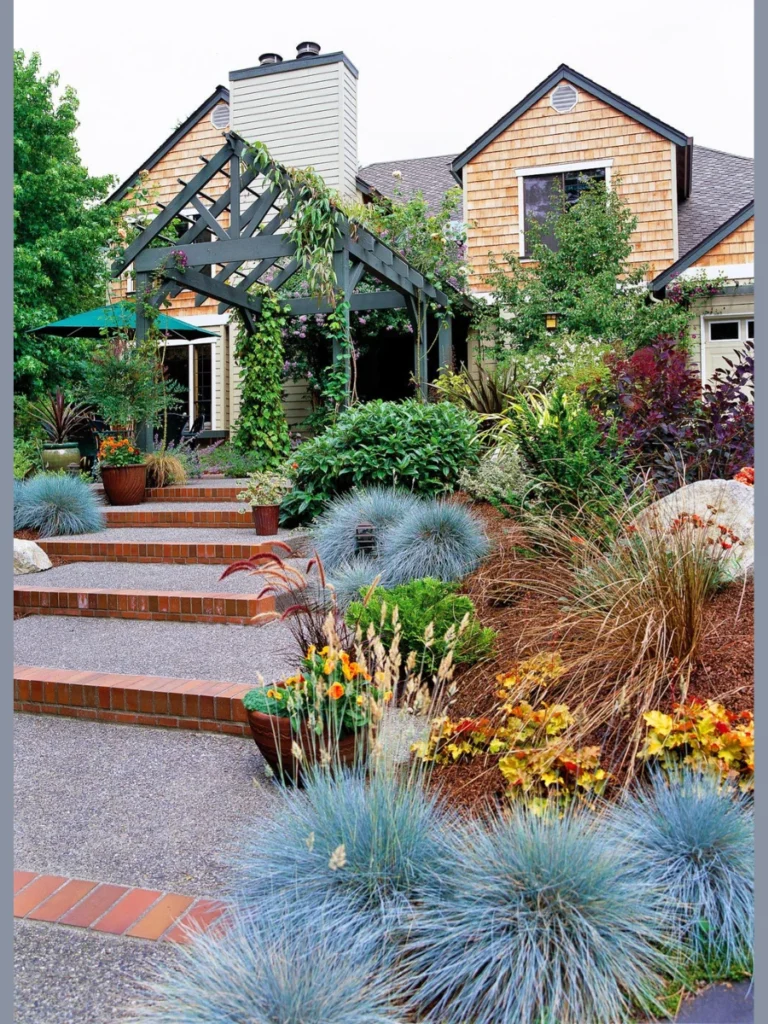
I planted a few tall feathery grasses at the ends of my porch to provide a bit of movement and a soft rustling sound. These plants add a modern touch and look incredible when the late afternoon sun catches the tops of the plumes.
Grasses are basically indestructible and provide a great golden color during the winter months when everything else looks brown and dead. I leave them standing until late winter because the birds love to hide in the thick stalks during snowstorms.
You should pick a clumping variety so the grass stays in one spot instead of trying to take over your entire neighborhood lawn. I found that blue fescue is great for small edges, while maiden grass provides the height I need for privacy.
They require zero fertilizer and very little water once they are established in the ground near your porch foundation. I love that they sway in the wind and make the whole landscape feel more relaxed and less like a stiff museum display.
10. Seasonal Hanging Baskets
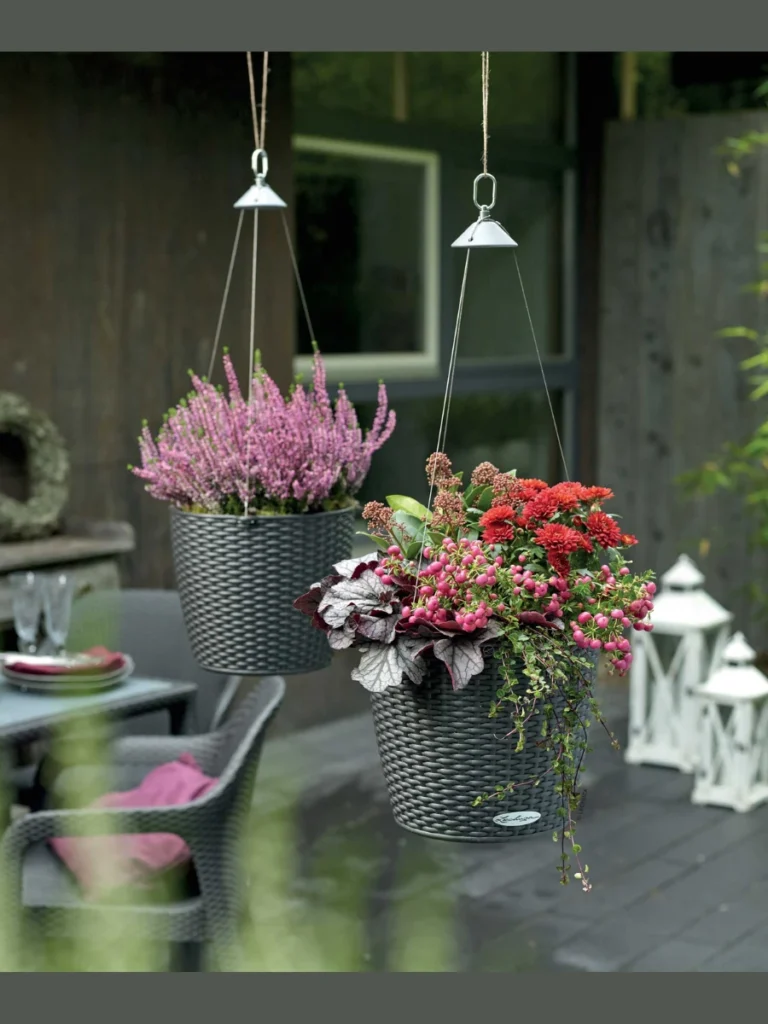
I hung two massive baskets of trailing petunias from my porch rafters to bring the color up to eye level for people walking by. Hanging plants fill the empty air space and make the porch feel much more enclosed and private in a natural way.
You have to remember to water these every day since they dry out fast, but the explosion of flowers makes the extra chore worth it. I use a long-reach watering wand so I do not have to stand on a chair like a circus performer every morning.
I choose bold colors like bright pink or deep purple to make sure the porch stands out even from across the street. These baskets are the first thing people notice, and they do a great job of hiding the boring white vinyl of my porch ceiling.
When the seasons change, I swap the flowers for ivy or even faux greens with lights during the colder months of the year. It is the fastest way to get a high-end landscape look without actually having to dig a single hole in the ground.
11. Built-in Bench Planters
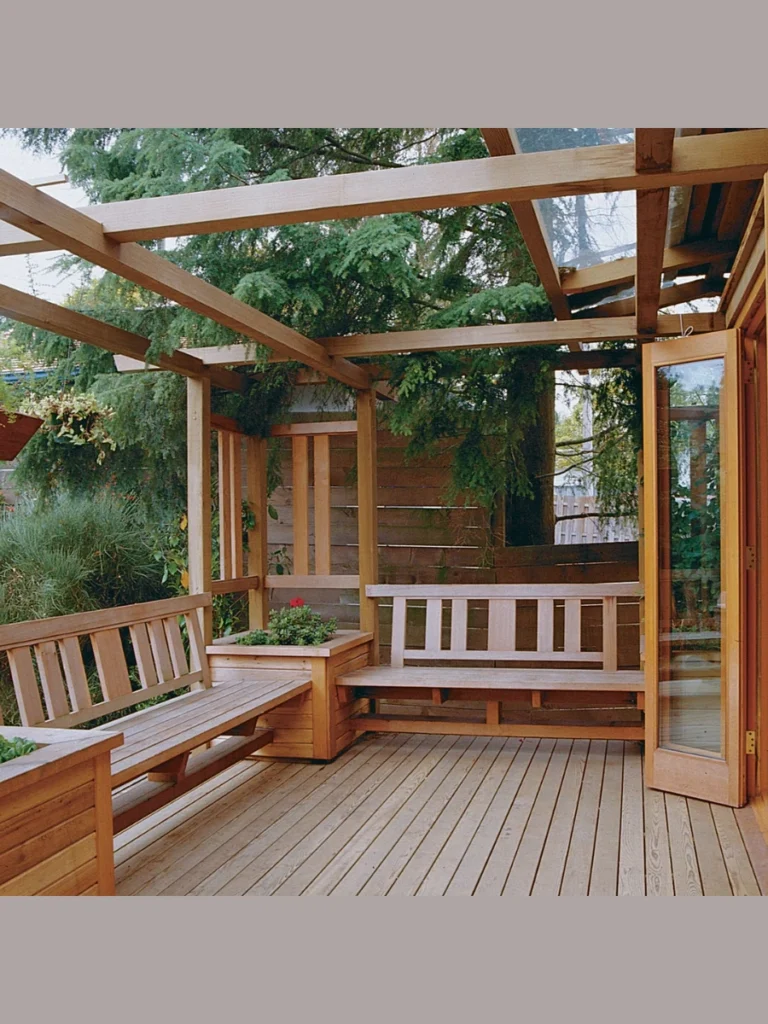
I built a simple wooden bench for my porch that has large planter boxes integrated into both ends of the seating area. This serves a dual purpose by giving me a place to sit and a permanent home for my favorite ornamental evergreen trees.
The weight of the dirt keeps the bench stable and makes it feel like a permanent part of the house architecture. I lined the inside of the boxes with plastic to protect the wood from rotting every time I give the trees a drink.
Having plants right next to where you sit makes the porch feel like a secret garden nook hidden away from the rest of the street. I planted some trailing vinca vine around the base of the trees to spill over the sides of the wooden boxes.

27'' Artificial Topiary Plants for Outdoor 2 Pack Artificial Topiary Trees with Stable Metal Ground Spike Fake Bushes Shrubs for Outside Garden Front Porch Landscape Walkway, Green Eucalyptus
27'' Artificial Topiary Plants for Outdoor 2 Pack Artificial Topiary Trees with Stable Metal Ground…
This is a great solution if your front yard is too steep for traditional gardening or if you just want to keep your porch tidy. I like that I can sit comfortably and be surrounded by greenery without having to step off the porch into the grass.
12. Decorative Mulch Circles
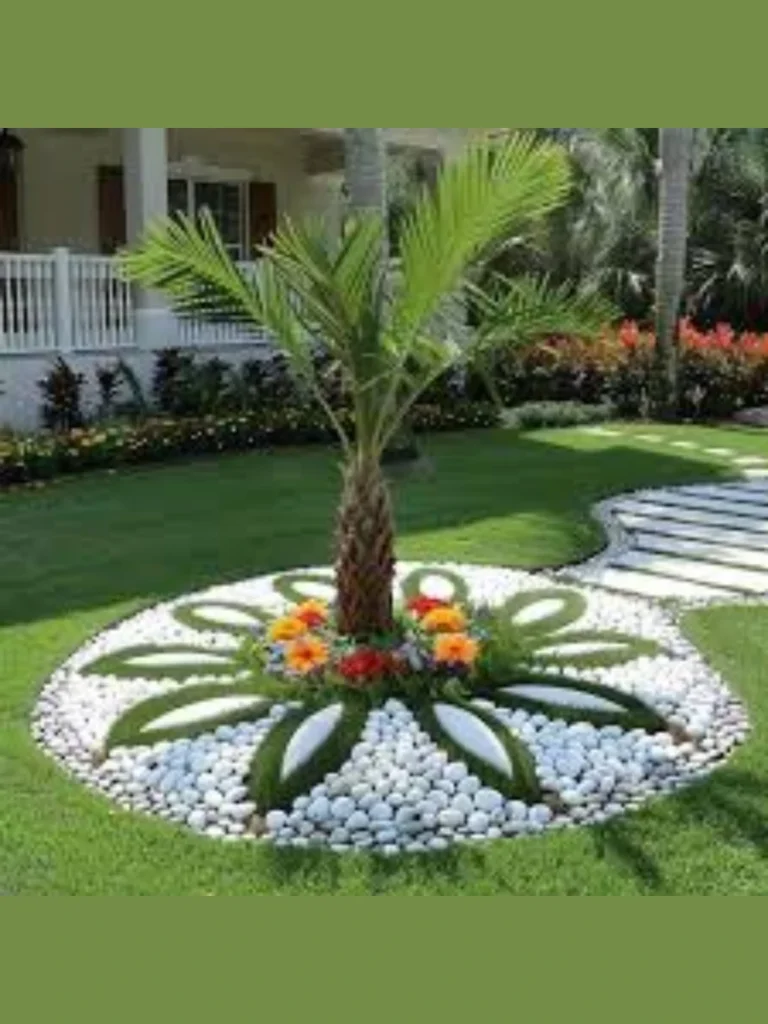
I carved out clean circles around the base of the trees near my porch and filled them with dark brown hardwood mulch. This simple grooming trick makes a yard look ten times better instantly by creating a clear boundary between the lawn and the trees.
Mulch keeps the moisture in the ground and prevents my weed whacker from damaging the bark of my young maple trees. I use a natural wood mulch that smells like a fresh forest and breaks down slowly to feed the soil over time.
You can add a plastic or metal edging strip to keep the grass from creeping into your mulch circles and ruining the clean lines. I find that a deep dark mulch makes the green of the grass look much more vibrant and healthy by comparison.
It only takes about an hour to refresh these circles in the spring, and it provides a massive boost to the curb appeal of the porch. I consider this the finishing touch that tells the world a human actually lives here and cares about their outdoor space.
Creating Your Dream Porch Landscape Plan
I learned that the best porch gardens do not happen by accident but through a little bit of strategic laziness and planning. I focus on the areas where I spend the most time sitting, so I can actually enjoy the view I worked so hard to create.
A successful layout considers the path of the sun to ensure your expensive new plants do not bake in the afternoon heat. I spent a few days watching how the shadows move across my porch before I committed to digging any holes in the dirt.
Soil quality is the boring part of gardening that I used to ignore until half of my front yard turned brown and died. I now mix in some organic compost to give my plants a fighting chance against the tough clay that surrounds my home foundation.
You should always think about how your landscape will look from the street and from the comfort of your favorite porch chair. I realized that some plants look great from a distance but are far too prickly or messy to have right next to my seating area.
Strategic Tips for Long-Term Success
- Plant for Mature Size: Always check the tag to see how big that “cute” shrub will be in five years.
- Use Native Species: Local plants handle your specific weather and bugs much better than exotic imports.
- Group by Water Needs: Put thirsty plants together so you do not accidentally drown your drought-tolerant succulents.
- Vary Your Textures: Mix broad leaves with fine needles to keep the landscape looking interesting and professional.
- Add Non-Plant Elements: Use rocks, birdbaths, or small statues to provide visual interest during the dormant winter months.
Estimated Costs for Porch Landscape Projects
| Project Type | Budget Level | Estimated Cost | Impact Level |
| Container Garden | Affordable | $50 – $150 | High (Instant) |
| Foundation Shrubs | Professional | $300 – $800 | Permanent Change |
| LED Path Lighting | Mid-Range | $100 – $300 | Nighttime Safety |
| Stone Walkway | DIY / Moderate | $200 – $500 | High Curb Appeal |
Final Thoughts on Your Outdoor Transformation
I hope you feel ready to take your front porch from a boring entryway to the most beautiful part of your home. Taking the time to plan your greenery makes the whole process feel less like a chore and more like a creative weekend project.

Abstract Wave Rugs for Bedroom, Red White Black Wave Area Rug, Abstract Rugs for Living Room, Indoor Non-Slip Rug, Machine Washable Carpet for Front Entrance Floor Decor 2x3ft
Abstract Wave Rugs for Bedroom, Red White Black Wave Area Rug, Abstract Rugs for Living…
You do not need to be a professional landscaper to achieve a look that makes your neighbors a little bit jealous of your yard. I found that starting small and adding a few new elements each season is the best way to avoid feeling overwhelmed by the work.
Remember that a garden is a living thing that changes over time, so do not be afraid to move a plant if it is unhappy. I have relocated my hostas three times already just to find the perfect spot where they won’t get scorched by the summer sun.
Your porch is the first thing you see when you come home, so make sure it reflects your personal style and comfort. I love pulling into my driveway now and seeing a lush, green space that welcomes me back after a long day at the office.
FAQs
I highly recommend boxwoods, hostas, and ornamental grasses because they require very little attention once they are established in the soil. These plants are hardy enough to handle various weather conditions and stay looking great with only annual pruning or cutting back.
You can save a lot of money by using containers and starting with smaller plants that will eventually grow into their space. I also suggest using mulch and inexpensive river rocks to create clean borders that give your yard a finished look without the high cost of masonry.
Tall ornamental grasses and climbing vines on trellises are my favorite ways to create a natural screen without building a solid wall. Varieties like clematis or honeysuckle grow quickly and provide a thick layer of leaves and flowers that block the view from the street.
I follow the rule of thirds, where the plants should generally not cover more than one-third of the height of your porch railing. This keeps the house from looking buried in bushes while still providing enough greenery to hide the foundation and create a soft transition.
Early spring or early fall are the best times because the milder temperatures allow your new plants to establish roots without the stress of extreme heat. I prefer fall planting for shrubs and trees so they can settle in during the winter and explode with growth once spring arrives.

27'' Artificial Topiary Plants for Outdoor 2 Pack Artificial Topiary Trees with Stable Metal Ground Spike Fake Bushes Shrubs for Outside Garden Front Porch Landscape Walkway, Pink Eucalyptus
27'' Artificial Topiary Plants for Outdoor 2 Pack Artificial Topiary Trees with Stable Metal Ground…
Related Posts
- 13 Best Porch Remodeling Ideas
- Top 14 Porch Remodel Ideas
- 15 Best Porch Entrance Ideas
- Top 10 Front Porch Railing Ideas
- 11 Best Porch Stair Railing Ideas
- Top 12 Porch Without Railing Ideas