
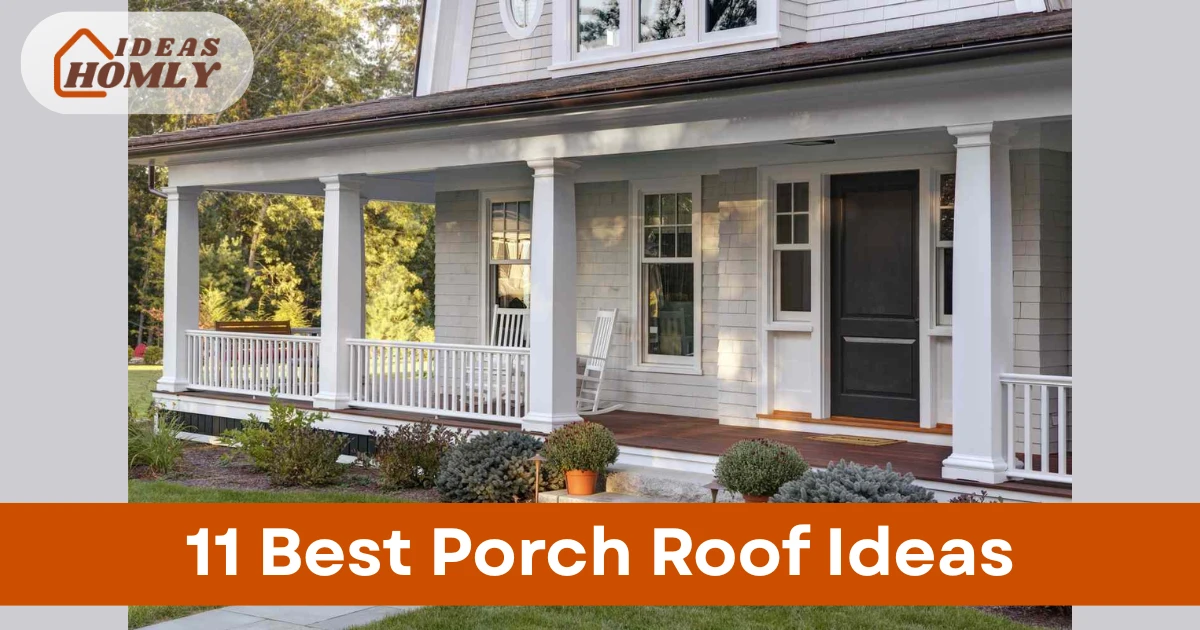

I know the feeling of sitting on a porch while the sun cooks you alive or rain ruins your morning coffee. Adding a solid roof is the smartest way to turn that exposed slab of concrete into a room you actually use.
Choosing the right style depends on how much light you want and how your house currently looks. I have seen many people pick a roof that clashes with their siding, so I put together these practical options to help you avoid that mistake.
Key Factors for Selecting a Porch Roof System
I recommend checking your local building codes before you buy any lumber or roofing shingles for your project. Many neighborhoods have strict rules about the height of the roof and the materials you are allowed to use on the front of your house.
You should also think about how the new roof will impact the natural light entering your home’s interior windows. A dark roof can make your living room feel like a cave if you do not plan for skylights or a high vaulted ceiling.
Matching the pitch of your new porch roof to the existing roofline of your home creates a professional and high-end look. It makes the addition look like it was part of the original architectural plan rather than a cheap afterthought.
Cost is always a major factor, so I suggest getting at least three different quotes for the materials and the labor. Professional installation ensures that the flashing is watertight and that the structure can handle heavy snow or wind loads.

Eagle 1 Metal Roof Snow Guard/Stop with Full Installation Kit, Prevent Snow Sliding Off of Your Metal Roof, Multiple Colors and Quantities (6 Pieces - 20FT Kit, Forest Green)
Eagle 1 Metal Roof Snow Guard/Stop with Full Installation Kit, Prevent Snow Sliding Off of…
1. Modern Metal Porch Roof Styles
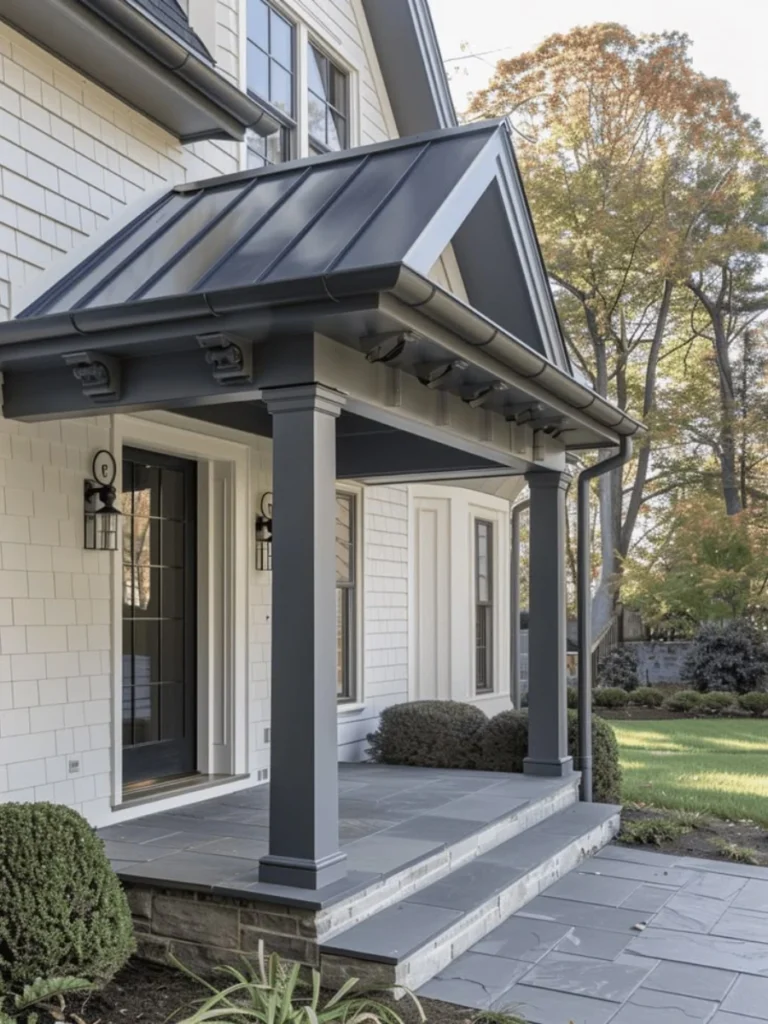
Metal roofs provide a sleek look that lasts for decades without needing constant repairs or shingle replacements. I personally love the sound of rain hitting a tin roof, though your neighbors might have different opinions about the noise.
These systems come in various colors to match your existing trim or provide a sharp contrast to traditional siding. You can install them quickly over existing frames to save on labor costs during the construction phase.
Standing seam panels are the top choice for homeowners who want a clean appearance without visible screws or fasteners. They shed snow and debris better than almost any other material on the market today.
You should consider the heat reflection properties of light-colored metal if your porch faces the direct afternoon sun. A silver or white finish keeps the area under the roof significantly cooler during the peak of summer.
2. Classic Gable Porch Roof Designs
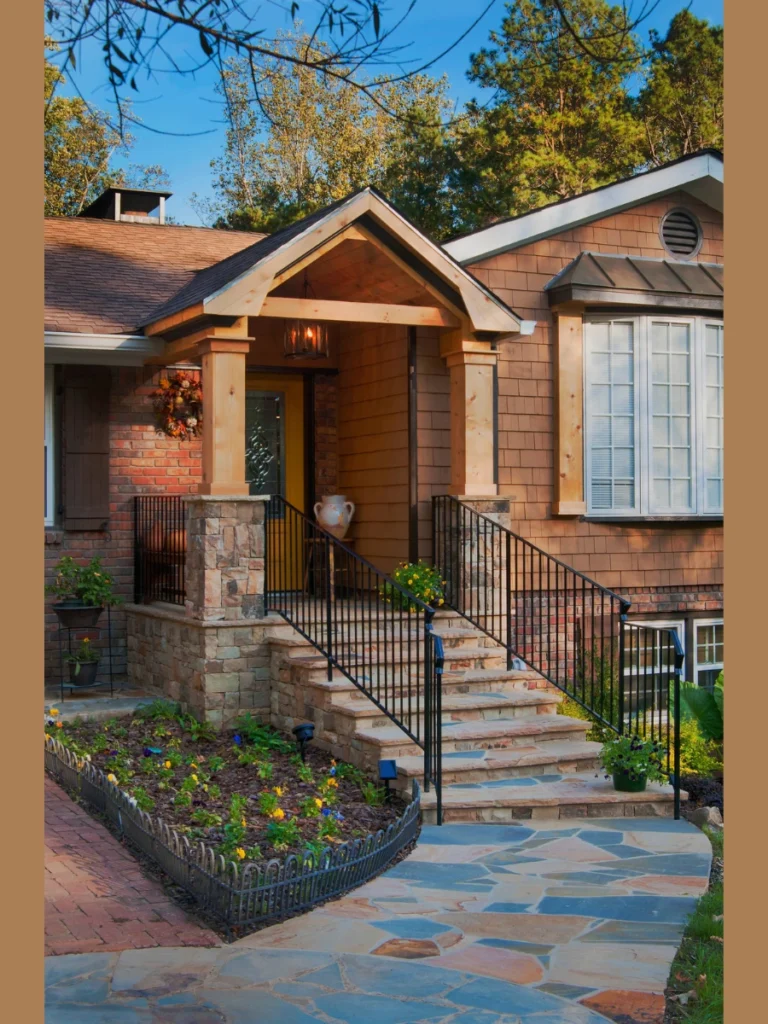
A gable roof features two sloping sides that meet at a high center ridge to create a classic triangle shape. This design offers the best ventilation because the high ceiling allows hot air to rise and escape through the sides.
I find that gable roofs add the most architectural interest to the front of a house compared to flatter designs. They mirror the existing peaks of your home to make the porch look like a natural part of the original build.
The open vaulted ceiling inside a gable roof provides a perfect spot for hanging large fans or heavy chandeliers. You get a sense of spaciousness that prevents the porch from feeling like a cramped or dark tunnel.
Building a gable requires more framing material and labor than a simple lean-to style roof. You need to ensure the rafters are properly braced to handle the weight of shingles and potential wind uplift.

Eagle 1 Metal Roof Snow Guard/Stop with Full Installation Kit, Prevent Snow Sliding Off of Your Metal Roof, Multiple Colors and Quantities (6 Pieces - 20FT Kit, Brown)
Eagle 1 Metal Roof Snow Guard/Stop with Full Installation Kit, Prevent Snow Sliding Off of…
3. Simple Shed Roof Solutions
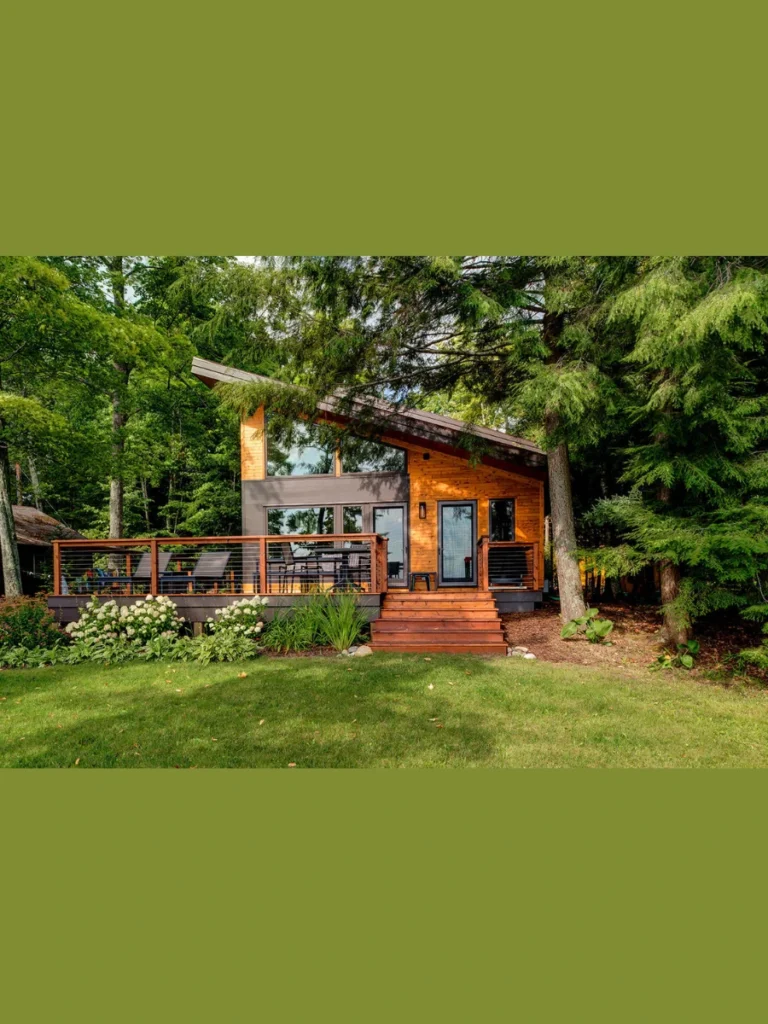
Shed roofs, also known as lean-to roofs, consist of a single sloping surface attached to the main wall of your house. This is the most affordable way to cover a porch because the construction process is straightforward and fast.
I recommend this style for narrow porches or long walkways where you need basic protection from the elements. The steep pitch ensures that water flows away from your foundation and prevents puddles from forming near the door.
You can easily match a shed roof to your current shingles to create a seamless transition between the house and the porch. It requires very little maintenance once the flashing is correctly installed against the siding.
The main drawback is that a low-sloping shed roof can sometimes block the view from second-story windows. You must measure the height carefully to ensure you don’t accidentally cover up your favorite bedroom view.
4. Translucent Polycarbonate Roof Panels
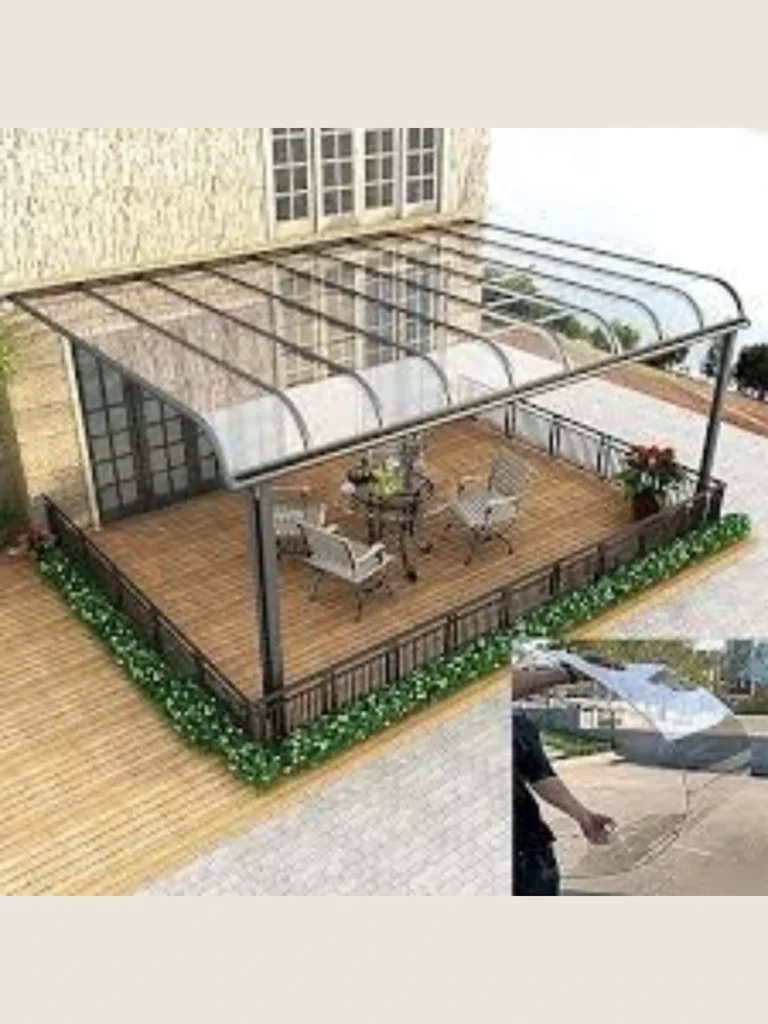
If you worry about losing natural light inside your living room, polycarbonate panels are the best solution for your porch. These clear or tinted sheets allow sunlight to pass through while blocking harmful UV rays and rain.
I have installed these on several back decks where the homeowners wanted a bright, greenhouse-like atmosphere for their plants. They are incredibly lightweight and much stronger than standard glass panels used in older sunrooms.
The panels come in various levels of transparency to help you control exactly how much shade your porch receives. Grey or bronze tints provide a sophisticated look while cutting down on the glare from the midday sun.
You must clean these panels periodically to prevent leaves and dirt from showing through the clear material. A quick spray with a garden hose is usually enough to keep the roof looking brand new for years.
5. Hip Roof Porch Extensions
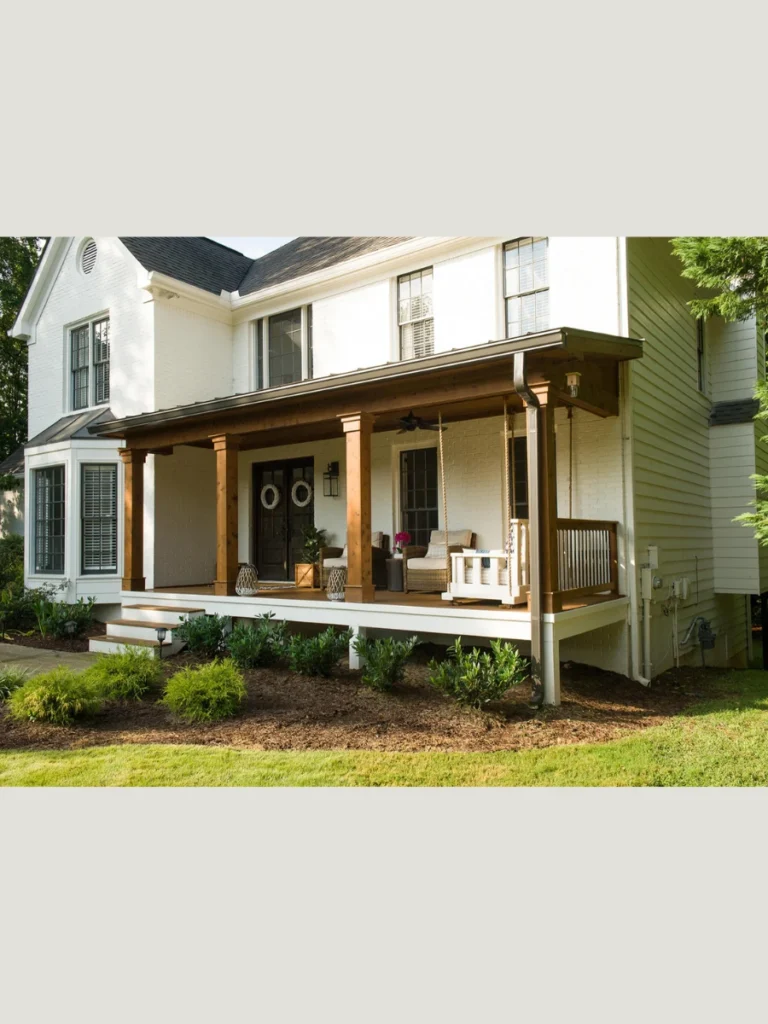
A hip roof slopes upward on all sides to meet at a central point or a short ridge line. This is the most stable design for areas that experience high winds or frequent storms throughout the year.
I think hip roofs look best on traditional or colonial-style homes because they provide a balanced and symmetrical appearance. The lack of flat ends makes the roof look more compact and integrated with the main structure.
The four-way slope provides excellent protection for your porch furniture by keeping rain from blowing in at an angle. It is a more complex build that requires a skilled carpenter to get the rafter cuts exactly right.
You will spend more on gutters with a hip roof since the water drains off every side of the structure. However, the added curb appeal often increases the overall value of your property more than a simple shed roof.
6. Flat Roof Modern Porch Designs
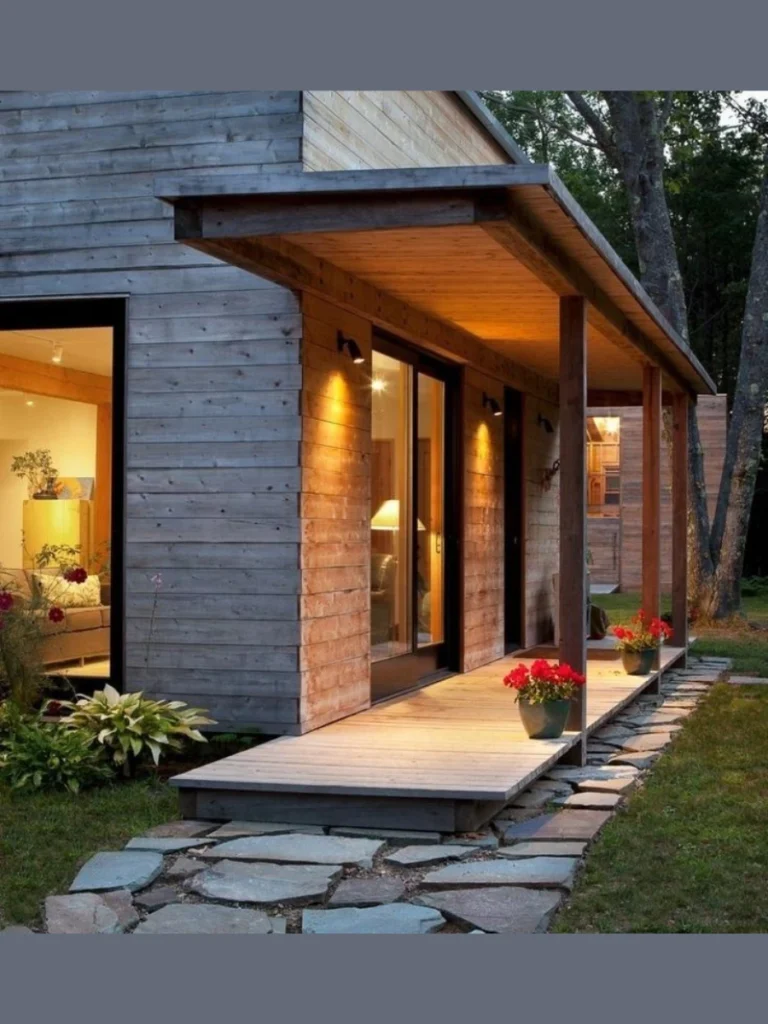
Flat roofs offer a minimalist aesthetic that works perfectly with mid-century modern or contemporary home designs. Despite the name, these roofs actually have a very slight pitch to ensure water drains toward the edges.
I often suggest flat roofs for porches that sit underneath a second-story balcony or a large window. They take up very little vertical space while providing a solid barrier against the sun and rain.
You can use the top of a flat porch roof as an extra deck space if the structure is reinforced with heavy-duty beams. This effectively doubles your outdoor living area without expanding the footprint of your home.
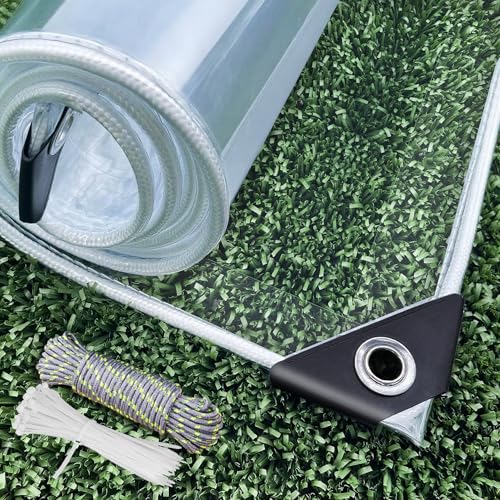
Dulepax Clear Tarp Heavy Duty with Grommets 10x12 FT Waterproof PVC Tarpaulin 14 Mil for Patio Enclosure, Greenhouse Cover, Porch Roof
Dulepax Clear Tarp Heavy Duty with Grommets 10x12 FT Waterproof PVC Tarpaulin 14 Mil for…
The membrane materials used for flat roofs require professional installation to prevent leaks at the seams. You should inspect the drainage points regularly to make sure leaves aren’t causing water to pond in the center.
7. Natural Cedar Shingle Roofs
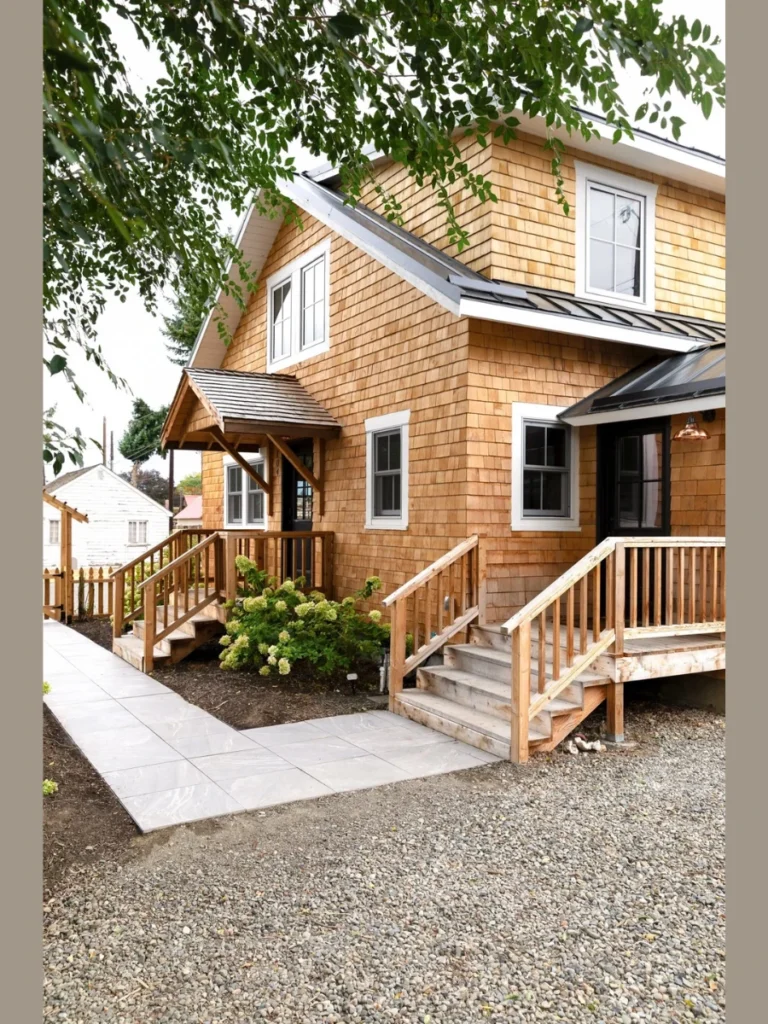
Cedar shingles offer a warm and rustic look that smells fantastic and ages gracefully into a beautiful silver-grey color. I recommend wood shingles for cottage-style homes or mountain cabins where you want a natural aesthetic.
This material provides excellent natural insulation to keep the porch cooler during the hot summer months. It is a premium option that feels much more luxurious than standard asphalt or plastic roofing products.
You must treat the wood every few years to prevent moss growth and rot in humid or rainy climates. Natural cedar requires more maintenance than metal or stone, but the visual payoff is worth the extra effort.
Fire resistance is a concern with wood, so check for shingles that have been treated with flame retardant chemicals. Many insurance companies require this treatment before they will cover a home with a wooden roof structure.
8. Elegant Curved Porch Roof Designs
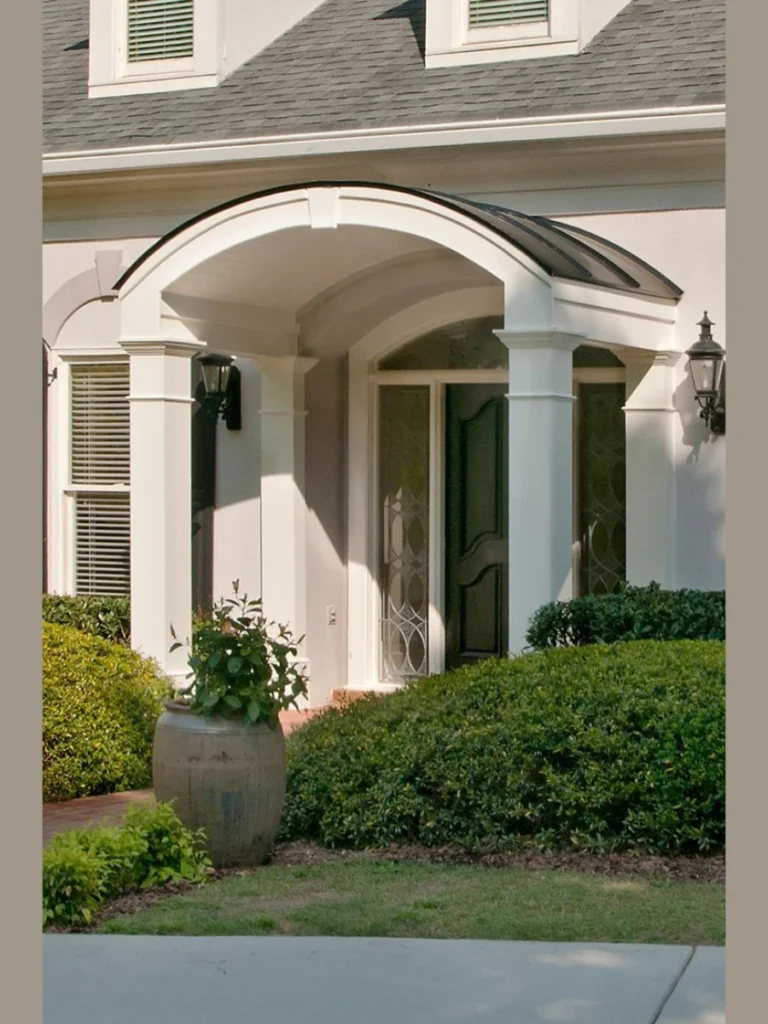
Curved roofs provide a soft and artistic look that breaks away from the sharp angles found on most modern homes. I often see these used on historic properties or custom builds where the owner wants a truly unique entrance.
The rounded shape allows rainwater and debris to slide off the sides effortlessly without getting caught in corners. You can use copper or flexible metal panels to achieve a smooth and continuous arc across the porch.
Installing a curved frame is a difficult task that usually requires a professional contractor with specialized wood-bending tools. It is a more expensive choice because the labor and materials are customized for your specific porch dimensions.
The interior of a curved roof creates a cozy and cocoon-like feeling that makes the porch feel very private. I suggest adding small recessed lights along the curve to highlight the architecture during the evening hours.
9. Glass Roof Systems for Maximum Sun
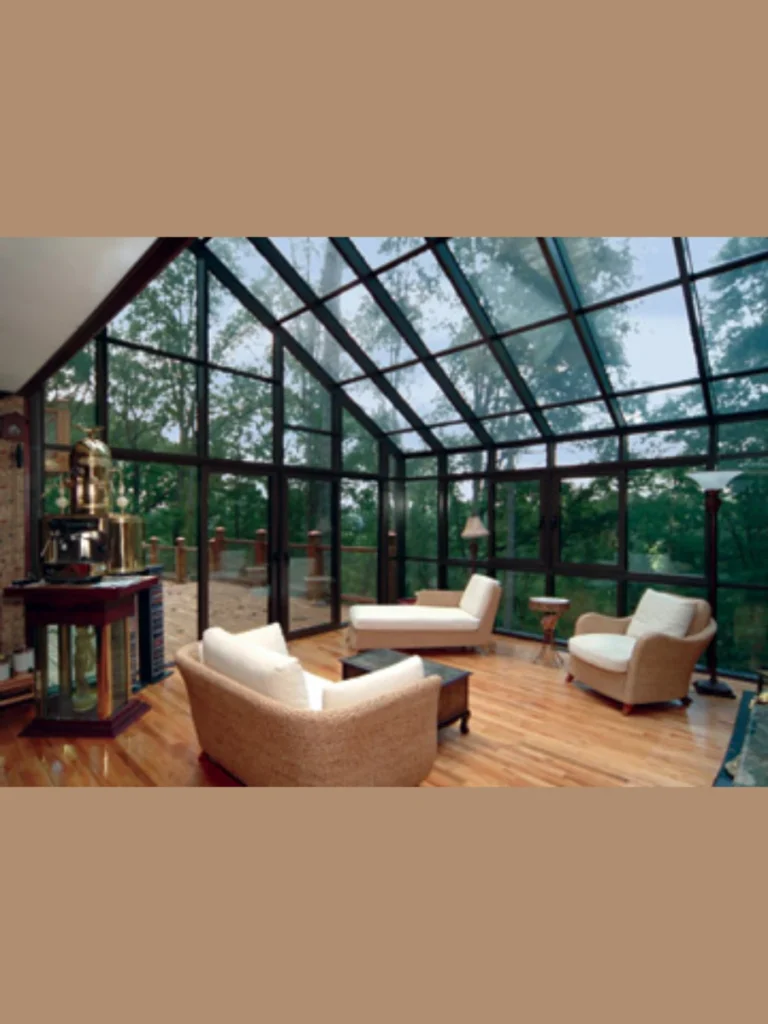
Glass roofs are the ultimate choice for homeowners who want an unobstructed view of the sky while staying dry. I find that glass creates a high-end look that makes even a small porch feel like a luxury outdoor lounge.
These roofs are built using tempered safety glass that can withstand heavy impacts from falling branches or hail. You get a completely clear view that allows you to enjoy the stars at night from your favorite chair.
The heat can build up quickly under a clear glass roof if you do not have proper ventilation or built-in shades. I recommend using high-performance coatings that reflect heat while still letting all the natural light pass through.
You will need to clean a glass roof more often than any other style to keep it looking crystal clear. Most people install an automated cleaning system or use a long-handled squeegee to maintain the beautiful transparent look.
10. Wraparound Porch Roof Extensions
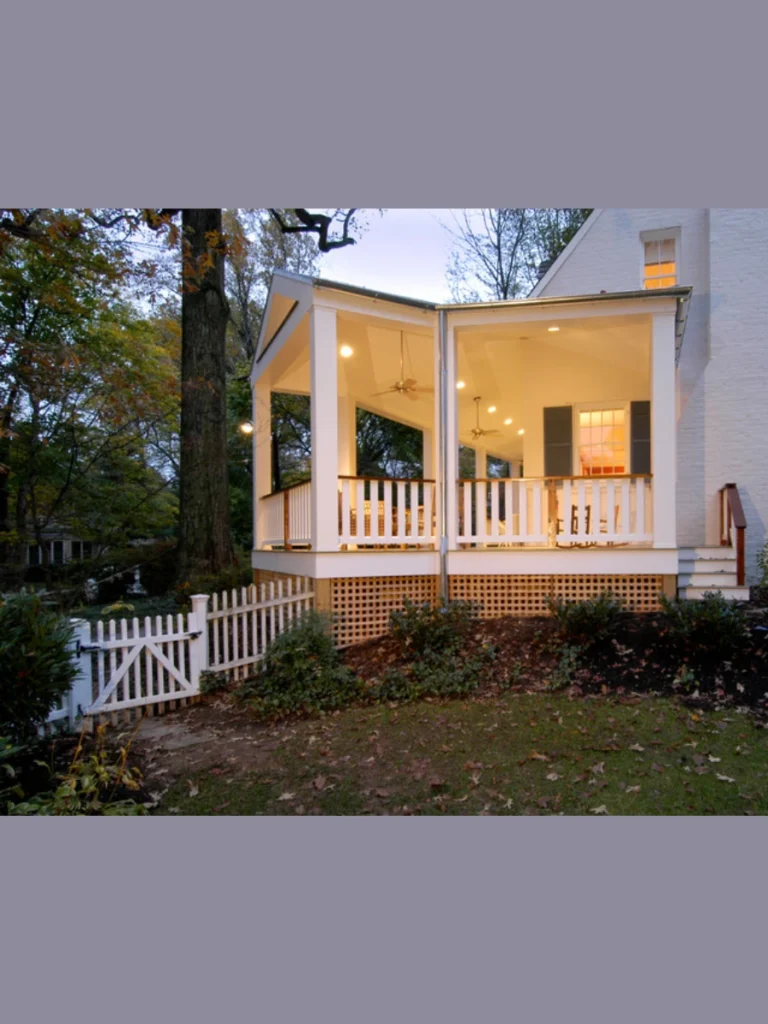
Wraparound roofs cover multiple sides of a house to provide a massive amount of shaded outdoor living space. I think this is the best option for farmhouse-style homes where the porch serves as the main social hub.
The continuous roofline creates a deep shadow that helps keep the entire lower level of your house much cooler. You can move your furniture around the house to follow the shade or stay out of the wind.
Building a wraparound roof requires a complex network of support posts and beams to keep the large structure stable. You must plan the drainage carefully to ensure that water doesn’t pool at the corners where the roofs meet.
The cost for a wraparound project is high due to the sheer volume of roofing shingles and lumber required. However, the dramatic change in your home’s curb appeal usually provides a massive return on your investment.
11. Retractable Fabric Awning Roofs
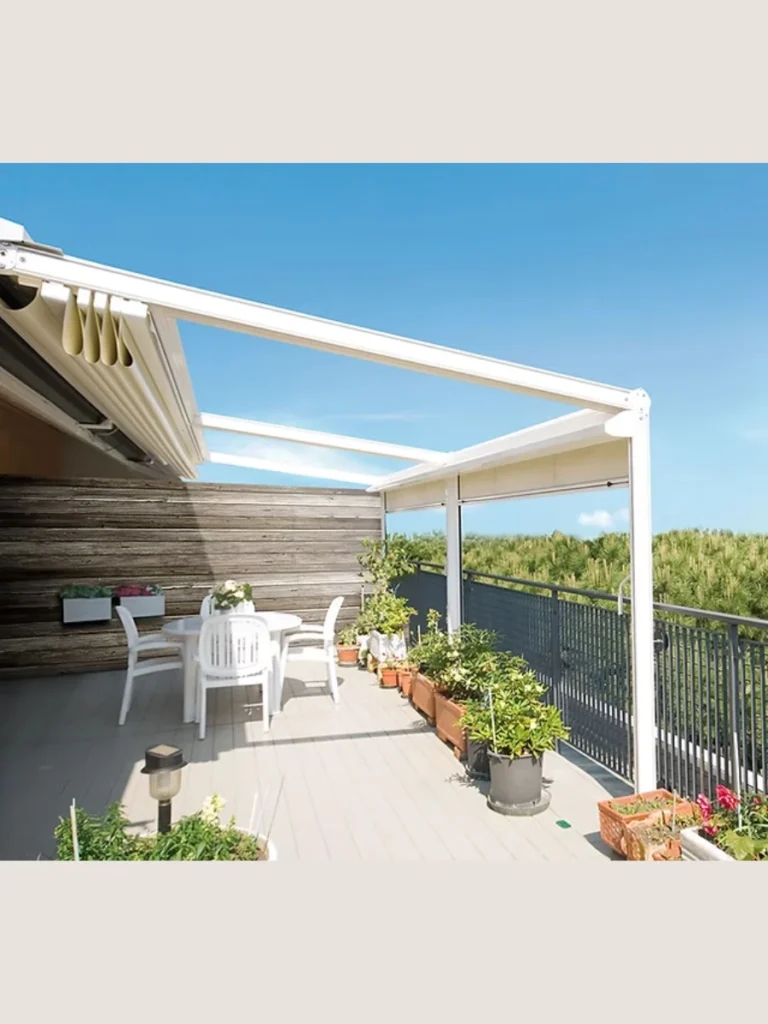
Retractable roofs give you the flexibility to choose between full sun and total shade with the push of a button. I recommend these for people who want to keep their porch open during the winter but covered in summer.
Modern fabrics are waterproof and treated to resist fading from the sun’s intense ultraviolet rays over many years. You can choose from hundreds of colors and patterns to match your outdoor pillows or patio furniture.
The motorized arm systems are very reliable now and often include sensors that automatically close the roof during high winds. This prevents the fabric from tearing or the metal frame from bending during a sudden summer storm.
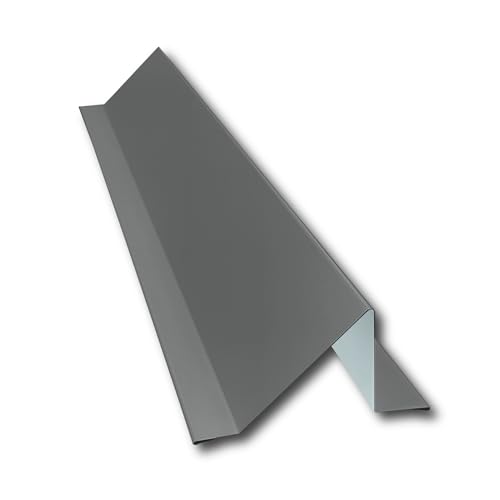
Eagle 1 Metal Roof Snow Guard/Stop with Full Installation Kit, Prevent Snow Sliding Off of Your Metal Roof, Multiple Colors and Quantities (6 Pieces - 20FT Kit, Charcoal Gray)
Eagle 1 Metal Roof Snow Guard/Stop with Full Installation Kit, Prevent Snow Sliding Off of…
The main benefit is that you don’t need a permanent building permit for most retractable awning installations on your home. It is a fast and affordable way to add a roof without starting a major construction project.
Guide to Planning Your Porch Roof Project
Before you start digging holes for support posts, you need to map out how the roof will attach to your house. I suggest looking at your siding to find the “ledger board” location where the porch will be structurally anchored.
- Check Permit Requirements: Most towns require a structural permit for any roof that is attached to the house.
- Pick Your Pitch: Ensure the slope is steep enough to shed water but low enough to clear your upstairs windows.
- Coordinate Colors: Match your drip edge and gutter colors to your existing house trim for a cohesive look.
- Budget for Lighting: It is much easier to run electrical wires for ceiling fans and lights during the framing stage.
| Planning Step | Importance | Difficulty Level |
| Structural Design | Very High | Professional Needed |
| Material Selection | High | Easy |
| Permit Approval | Very High | Moderate |
| Gutter Installation | Moderate | Moderate |
Final Thoughts on Upgrading Your Porch
Adding a roof to your porch is one of the most rewarding home improvements you can tackle this year. It changes how you use your outdoor space by providing a reliable shield against the unpredictable local weather.
I have seen simple shed roofs transform boring backyards into comfortable outdoor offices for people working from home. The right design will make your house look better while giving you a quiet place to relax.
You should prioritize durability and maintenance-free materials if you don’t want to spend your weekends on a ladder. Metal and polycarbonate are my top recommendations for anyone who wants a roof that lasts a long time.
Take your time to look at different houses in your area to see which roof styles actually look good in person. A well-planned porch roof is a permanent addition that you will enjoy every single day for decades.
FAQs
The shed roof is the cheapest option because it uses a single slope and requires the least amount of lumber.
Yes, most local building departments require a permit for any permanent structure that is attached to your home.
It can, but you can avoid this by installing skylights or using translucent polycarbonate panels for the roof.
Metal panels or EPDM rubber membranes are the best choices for roofs that do not have a steep pitch.
A professional crew can usually finish a standard porch roof in three to five days depending on the weather.
Related Posts
- Top 12 Porch Mudroom Ideas
- 13 Best Porch Art Ideas
- Top 14 Porch Privacy Ideas
- 15 Best Porch Flooring Ideas
- Top 10 Porch Floor Ideas
- 11 Best Porch Skirting Ideas