
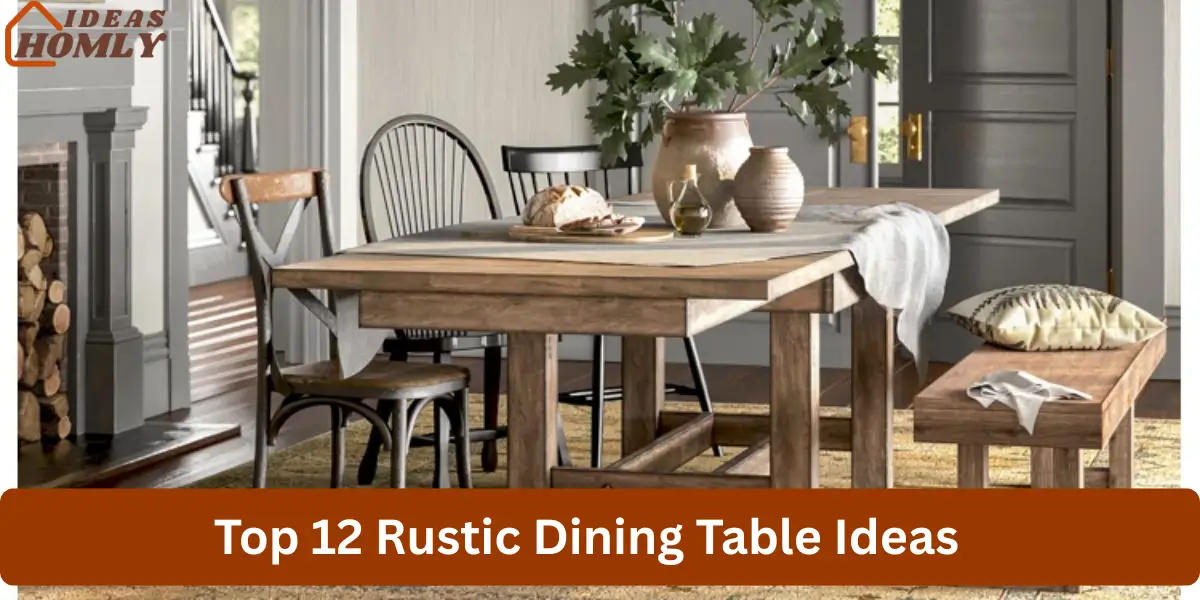

Rustic dining table ideas have a way of making a space feel instantly warm and welcoming. I’ve worked on many dining rooms where a solid wood table completely changed the atmosphere, adding texture, character, and a sense of authenticity.
Unlike overly polished designs, rustic pieces celebrate natural grain, knots, and handcrafted details. When chosen thoughtfully, they create a setting that feels grounded and inviting without trying too hard.
In this guide, I’ll share distinctive table styles that blend durability, charm, and practical design for homes that value comfort and timeless appeal.
Why Rustic Dining Tables Bring Lasting Character
Rustic dining tables stand out because they highlight natural materials rather than hiding them. I always notice how visible wood grain, knots, and slight imperfections create authenticity that polished furniture often lacks. These details give the dining room personality.
This style focuses on strength and simplicity. Thick tabletops, sturdy legs, and handcrafted finishes ensure durability. Instead of chasing trends, rustic design embraces warmth and honest construction.
When I design a rustic dining space, I aim for balance. The table should feel grounded and inviting while still remaining practical for daily use and gatherings.
1. Reclaimed Barn Wood Dining Table
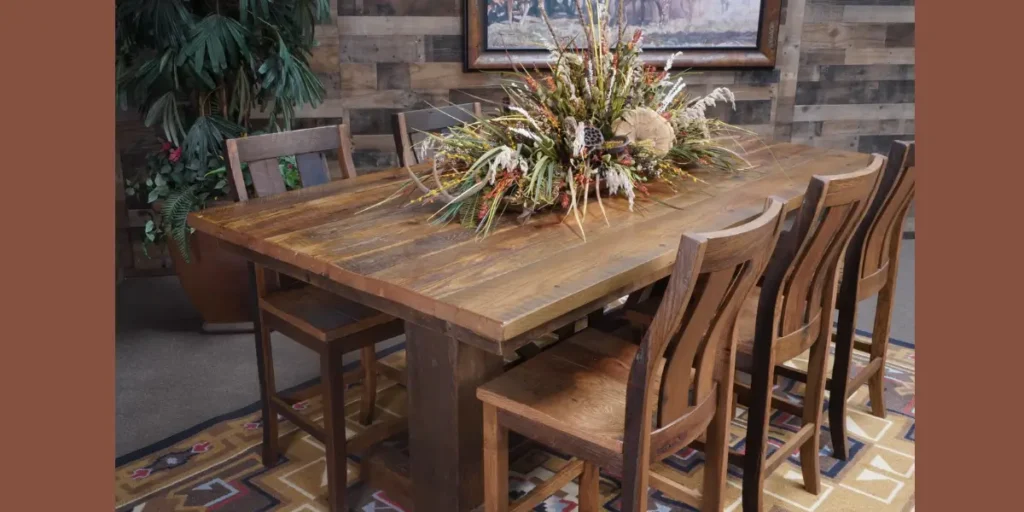
A reclaimed barn wood dining table carries history in every plank. I appreciate how aged wood surfaces display weathered textures and natural imperfections that cannot be replicated artificially. These features add depth and authenticity to the space.
Craftsmen typically use thick boards to create a solid and stable structure. I prefer keeping the finish matte to preserve the raw appearance. Pairing this table with simple wooden chairs enhances its organic charm.
This option works beautifully in farmhouse interiors. It creates a welcoming environment where the table becomes the emotional center of the room.
2. Farmhouse Trestle Base Table
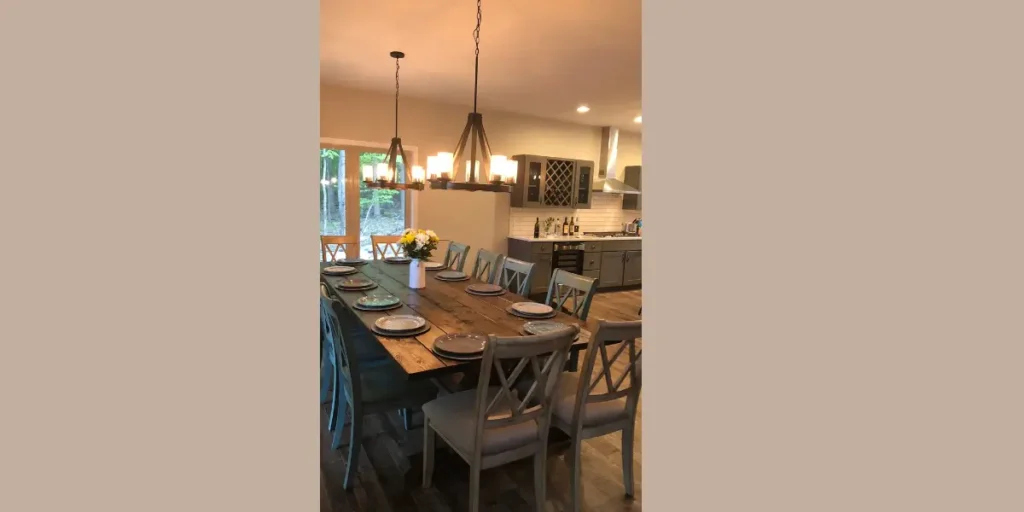
A farmhouse trestle base table introduces bold architectural structure. I often recommend this design for larger dining areas because the wide support beams anchor the space confidently. The trestle base also distributes weight evenly for stability.
The thick wooden top complements the strong base and reinforces durability. I usually suggest natural stains that highlight the wood grain rather than conceal it. This approach maintains authenticity.
This table suits family homes where gatherings happen frequently. It combines rustic warmth with structural presence and long-term reliability.
3. Live Edge Rustic Dining Table
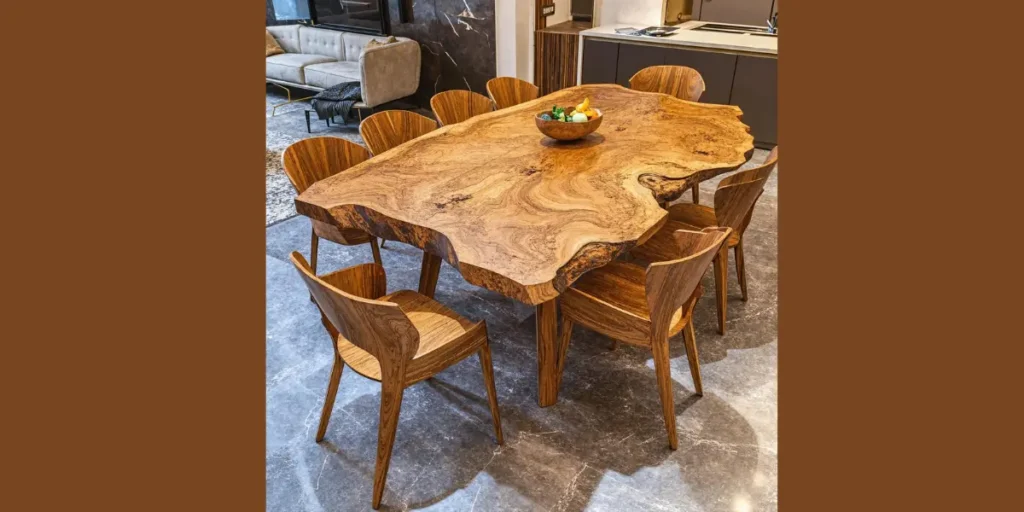
A live edge rustic dining table celebrates the natural shape of the tree. I admire how the preserved edges create visual movement while keeping the overall design simple. The organic contour feels intentional and artistic.
Each slab carries unique grain patterns, making every piece distinct. I prefer pairing the top with straightforward wooden legs to maintain balance. A clear protective finish keeps the surface durable without masking texture.
This table becomes a strong focal point in open dining areas. It connects the room to natural elements effortlessly.
4. Rustic Round Pedestal Table
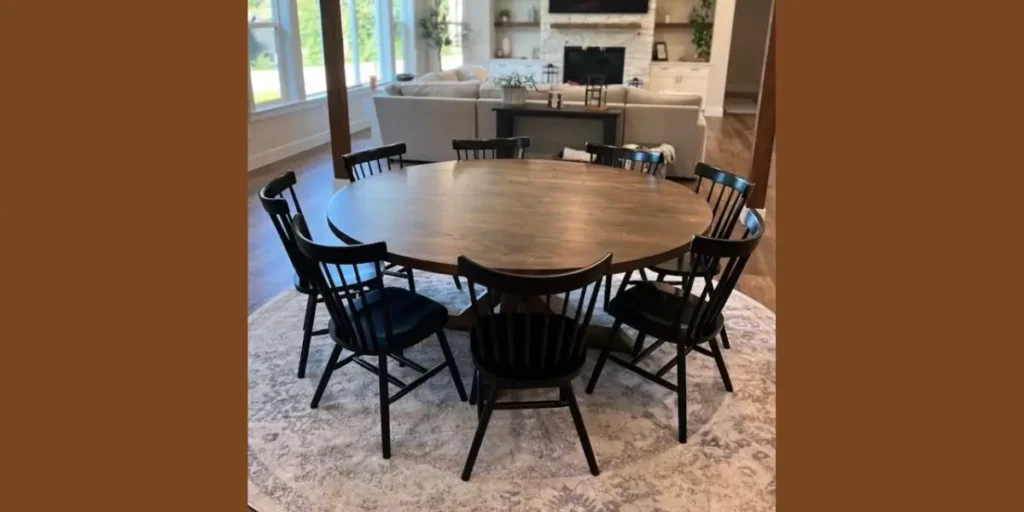
A rustic round pedestal table creates intimacy in the dining room. I find that the central base improves legroom and allows flexible seating arrangements. The round shape naturally encourages conversation.
Solid wood construction ensures the design feels grounded and sturdy. I usually recommend medium to dark wood tones to emphasize warmth. Proper proportion prevents the table from feeling bulky.
This option works well in smaller kitchens or breakfast nooks. It combines comfort, functionality, and rustic charm in a compact form.
5. Distressed White Rustic Table
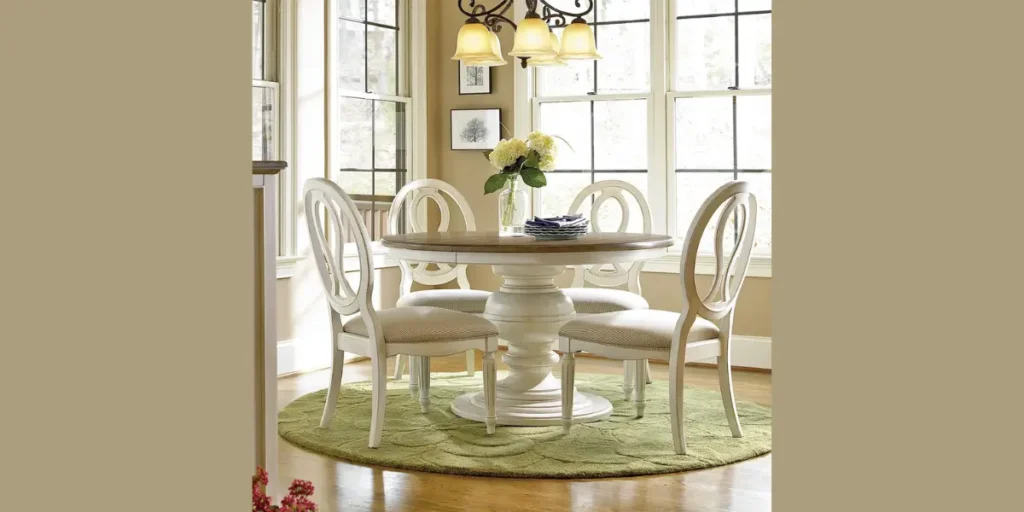
A distressed white rustic table softens the traditional heaviness of solid wood. I like using this style in brighter interiors where natural light plays a key role. The lightly weathered finish adds character without overpowering the space.
The combination of painted surfaces and visible wood undertones creates subtle contrast. I often pair this table with linen or upholstered chairs to enhance comfort. The overall effect feels relaxed and welcoming.
This design suits cottage-inspired or farmhouse spaces. It delivers rustic appeal while keeping the room airy and fresh.
6. Solid Oak Rustic Dining Table
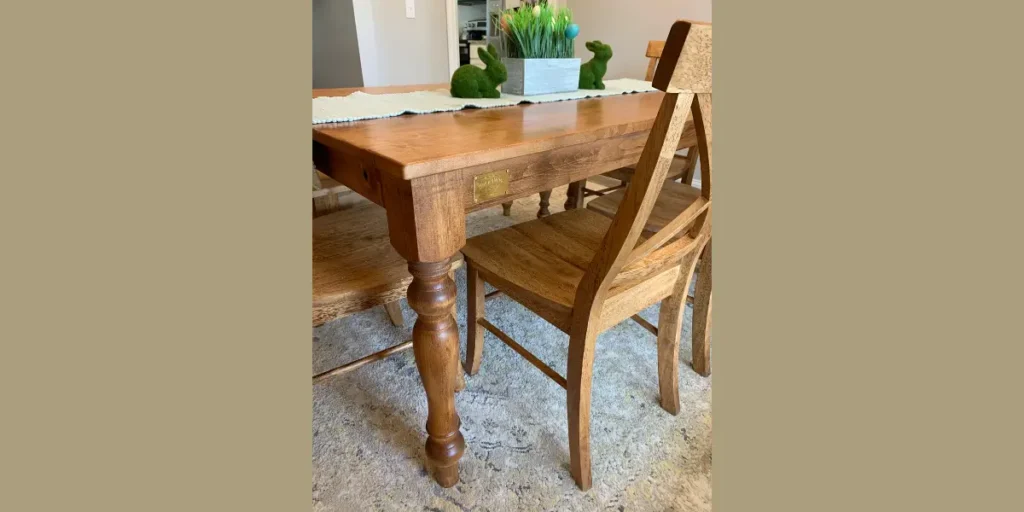
A solid oak rustic dining table offers strength and longevity. I trust oak because its dense grain resists wear and maintains structural integrity over time. The natural texture adds warmth and depth.
I prefer clear or lightly stained finishes that allow the grain to stand out. Thick legs and reinforced joinery ensure stability. This table easily handles daily meals and frequent gatherings.
This option fits traditional country homes beautifully. It provides reliability and authentic rustic character that lasts for years.
7. Rustic Dining Table with Metal Accents
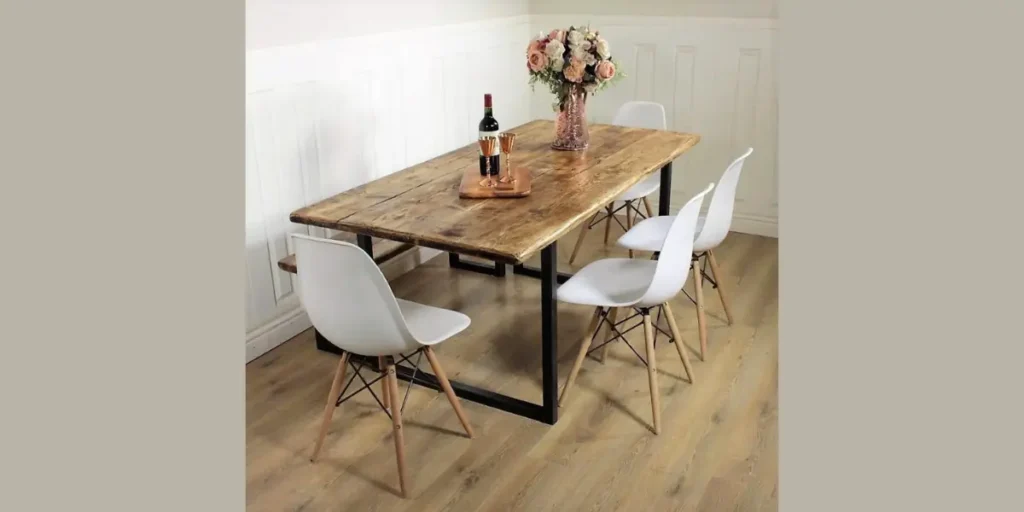
A rustic table with metal accents blends warmth with subtle edge. I often recommend this design when clients want farmhouse charm with a slightly modern twist. Iron brackets or metal legs introduce contrast without dominating the look.
The wooden top remains the primary feature, keeping the design grounded. I usually choose matte black or brushed metal finishes to maintain cohesion. The mix of textures creates visual interest.
This style works particularly well in modern farmhouse interiors. It balances softness and strength effectively.
8. Rustic Extendable Dining Table
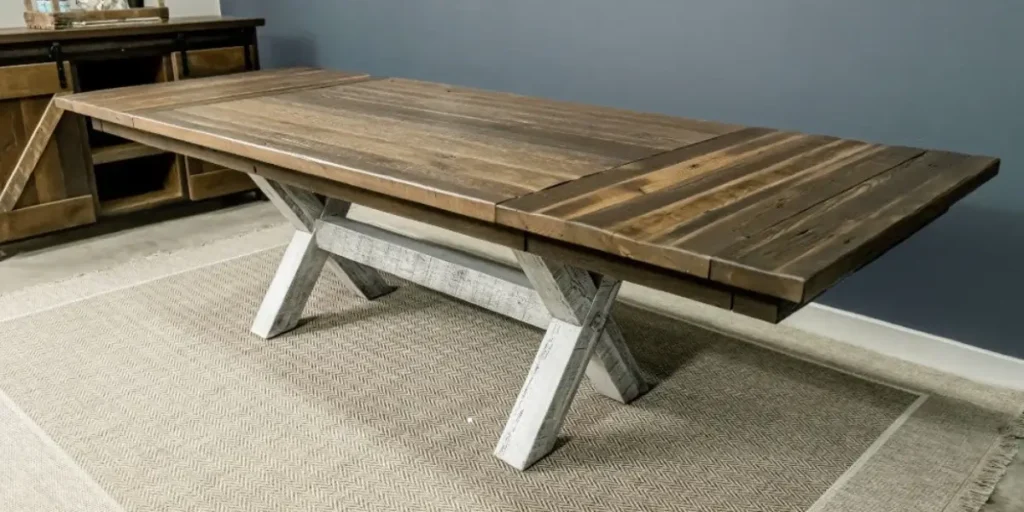
A rustic extendable dining table offers flexibility while preserving traditional appeal. I suggest this option for families who host regularly but need a practical everyday setup. Hidden extension leaves provide extra seating when required.
When closed, the table maintains a compact and balanced appearance. Quality hardware ensures smooth operation and durability. Matching wood grain across extension panels keeps the design seamless.
This table adapts easily to changing needs. It supports both daily dining and larger gatherings without compromising rustic authenticity.
9. Rustic Dark Walnut Dining Table
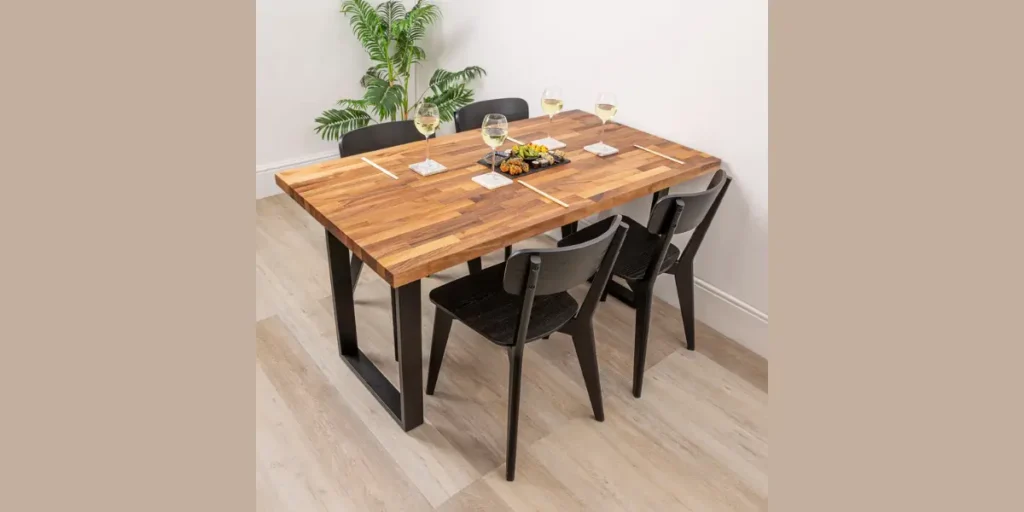
A rustic dark walnut dining table adds richness and depth to a warm interior. I often recommend this option when a space needs a stronger visual anchor. The deep brown tones create contrast against lighter walls and natural textiles.
Walnut’s smooth grain gives the table a slightly refined edge while still maintaining rustic authenticity. I prefer thick tabletops with simple, solid legs to keep the design grounded. Proper lighting enhances the wood’s natural luster.
This table works beautifully in larger dining rooms. It delivers warmth, structure, and timeless appeal without feeling overly formal.
10. Rustic X-Base Dining Table
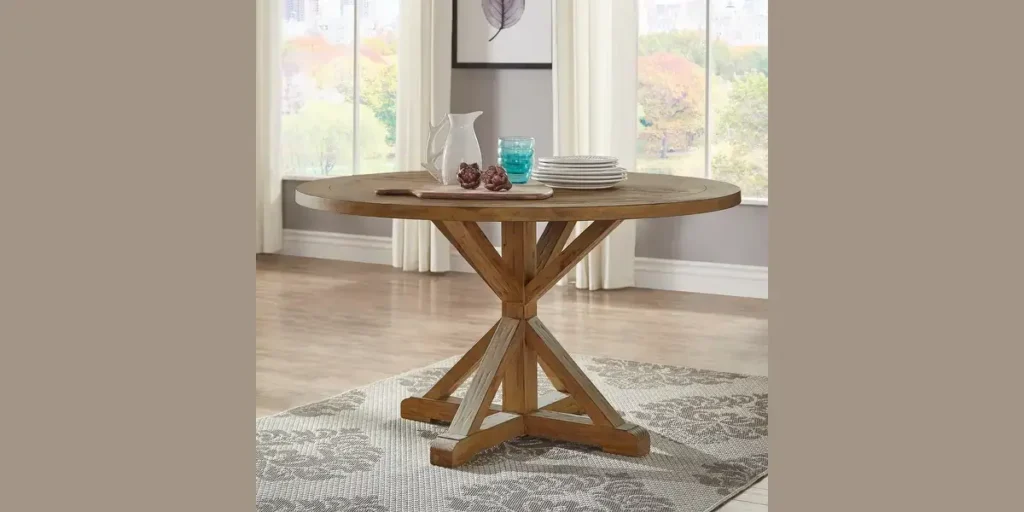
A rustic X-base dining table introduces bold structural detail beneath a sturdy wooden top. I appreciate how the cross-frame base adds both visual interest and stability. It feels handcrafted and intentional.
The thick tabletop balances the strong base, preventing the design from looking overly mechanical. I usually recommend natural or lightly distressed finishes to maintain authenticity. The open base also allows comfortable seating.
This design suits farmhouse and country-style interiors. It creates a strong focal point while remaining practical for everyday use.
11. Rustic Slab Wood Dining Table
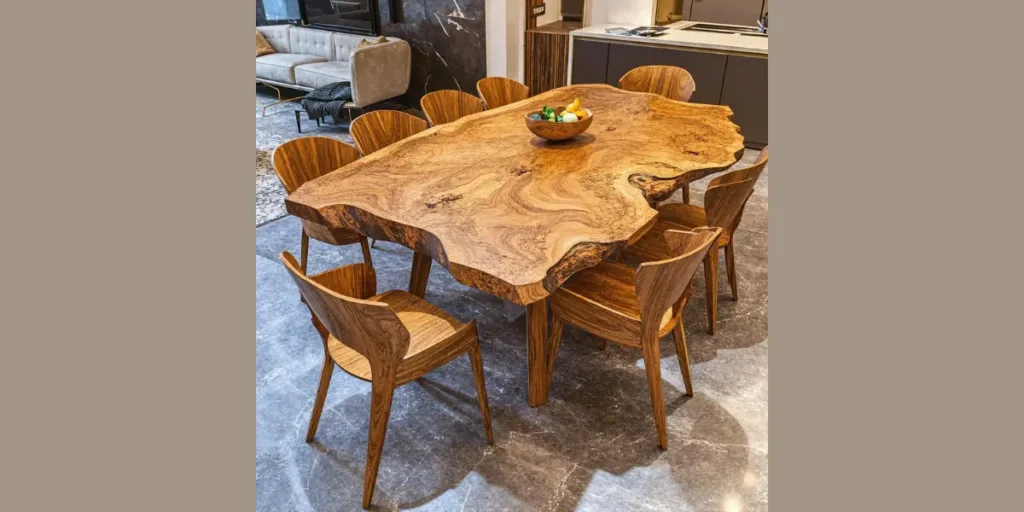
A rustic slab wood dining table emphasizes thickness and raw texture. I like how a single, solid slab immediately makes the room feel grounded. The natural imperfections add depth and individuality.
Keeping the edges slightly rough enhances the organic character. I prefer sturdy wooden legs rather than ornate details, allowing the slab to remain the highlight. A protective finish preserves durability without hiding texture.
This table works best in open dining areas where scale matters. It offers presence, warmth, and lasting craftsmanship.
12. Antique-Style Rustic Dining Table
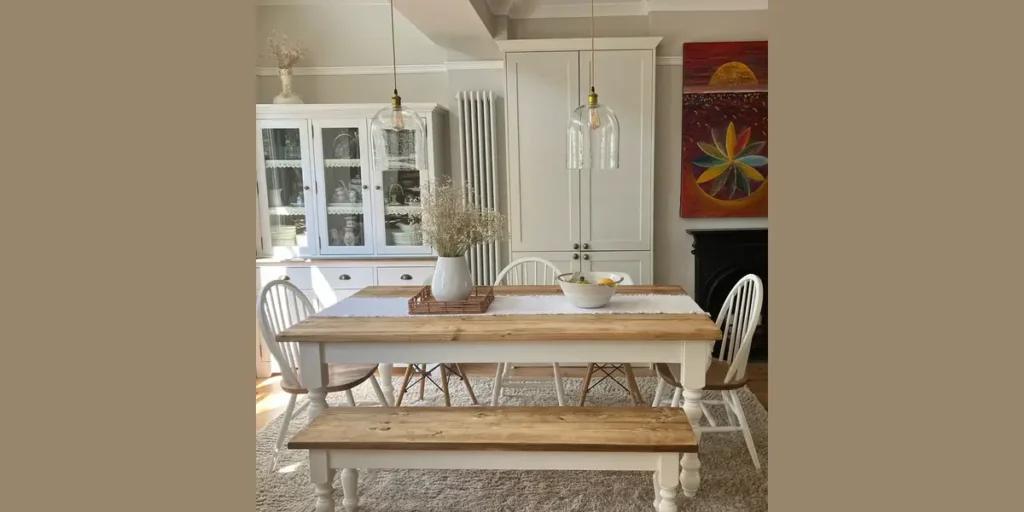
An antique-style rustic dining table brings heritage and nostalgia into the dining space. I often suggest this design for homeowners who appreciate traditional craftsmanship and historical detailing. Subtle carvings or turned legs add character without excess.
The aged finish creates a lived-in feel that enhances warmth. I recommend pairing it with classic wooden chairs or upholstered seating for comfort. Balanced décor keeps the space cohesive.
This table suits country homes and traditional interiors beautifully. It combines old-world charm with everyday functionality in a timeless way.
Practical Guide to Choosing the Right Rustic Dining Table
Choosing the right rustic dining table requires more than selecting a design you like. I always evaluate the room size, lighting, and daily usage before recommending a specific style. Rustic furniture should feel solid and inviting, not oversized or visually heavy.
Material quality plays a major role in long-term durability. I focus on solid wood construction, strong joinery, and finishes that protect the surface without hiding its natural texture.
When you align proportion, material, and comfort, the table becomes a lasting investment rather than a temporary trend.
Measure Your Dining Space Carefully
I always begin with accurate measurements. You should leave at least 36 inches of clearance around the table to allow easy movement. Without proper spacing, even a beautiful rustic table can make the room feel cramped.
Consider both seating capacity and traffic flow. Larger rectangular tables suit open dining rooms, while round or square options work better in compact spaces. Proper sizing ensures comfort and balance.
Choose the Right Wood Type
Different woods offer different characteristics. Oak provides strength and durability, while pine delivers a lighter, softer rustic appearance. Reclaimed wood adds unique character through visible aging and texture.
I usually recommend hardwoods for families who use the table daily. Selecting the right wood ensures both visual warmth and structural reliability over time.
Balance Texture with Comfort
Rustic tables often feature heavy wood textures, so I balance them with softer elements. Upholstered chairs, woven rugs, and warm lighting prevent the space from feeling too rigid.
Mixing textures creates harmony. The goal is to maintain rustic authenticity while ensuring the dining area feels welcoming and comfortable for long meals and gatherings.
Match Rustic Style with Home Theme
A rustic table should complement your overall interior theme. In farmhouse homes, I pair it with neutral tones and vintage accents. In modern settings, I soften it with clean lines and minimal décor.
Consistency keeps the design cohesive. When finishes, lighting, and seating align with the table, the entire dining space feels thoughtfully curated.
Conclusion
Rustic design has a way of making a dining space feel honest, warm, and lived-in. Whenever I choose a rustic dining table, I focus on craftsmanship, natural texture, and long-term durability rather than surface trends.
Whether it’s reclaimed barn wood, solid oak, or a handcrafted slab, the right table should feel grounded and welcoming from the moment you enter the room.
A well-made rustic dining table becomes more than furniture, it becomes the place where everyday meals and meaningful gatherings happen.
When you prioritize quality materials, proper scale, and thoughtful styling, you create a dining space that feels timeless, comfortable, and truly personal.
FAQs
Hardwoods like oak and walnut are excellent choices because they offer durability and strong grain patterns. Reclaimed wood also works well if you prefer authentic character. I recommend selecting solid wood for long-term reliability.
Yes, they can blend beautifully with modern interiors when styled carefully. I often pair rustic tables with minimalist chairs and clean lighting. The contrast creates warmth without overwhelming the space.
Regular dusting and gentle cleaning with a damp cloth keep the surface in good condition. Avoid harsh chemicals that may strip protective finishes. Periodic sealing helps preserve the wood and prevent moisture damage.
A rectangular table around 60 to 72 inches usually seats six comfortably. However, room dimensions and chair width matter as well. I always recommend measuring both the space and seating layout before purchasing.
Yes, metal accents like iron legs or brackets add strength and subtle contrast. I prefer matte finishes that complement the wood rather than dominate it. This combination works especially well in modern farmhouse settings.