


I know how uncomfortable a hot kitchen feels in summer, especially when heat builds up quickly and ruins the cooking experience. I focus on practical summer kitchen renovation ideas that make the space cooler, brighter, and easier to use. This guide shares real solutions that improve comfort without overcomplicating things.
How Summer Kitchen Renovation Ideas Improve Comfort and Function
I always start by improving airflow because proper ventilation directly reduces heat and keeps the kitchen usable during hot days. A smart kitchen renovation balances design and function so the space feels open and fresh.
I focus on materials, layout, and lighting because these elements control how heat behaves inside the kitchen. Even small upgrades can reduce temperature and improve daily comfort.
1. Open Layout Design for Better Airflow
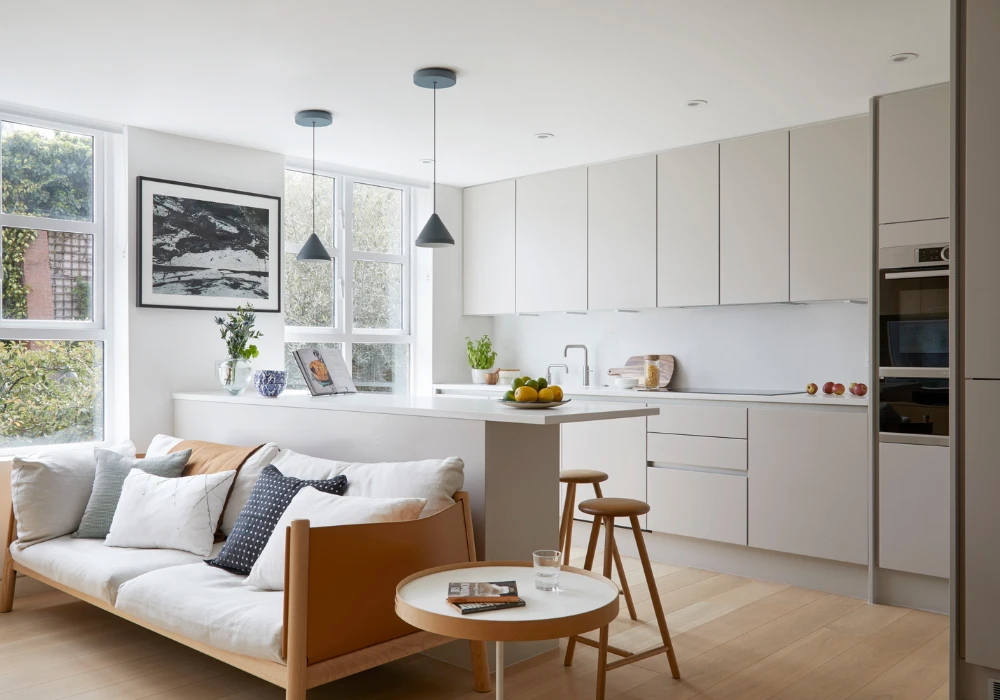
I always choose an open layout because it allows hot air to escape easily instead of getting trapped inside walls. This simple change makes the kitchen feel larger and more breathable.
I connect the kitchen with nearby spaces like the dining area to improve air circulation naturally. This also allows light to spread across the entire space without barriers.
I once removed a small wall in a compact kitchen, and the difference in airflow was immediate. The kitchen felt cooler and more comfortable during cooking hours.
I suggest using sliding doors or wide openings if full wall removal is not possible. This approach still improves ventilation without requiring heavy construction work.
2. Light Color Scheme for a Cooler Feel
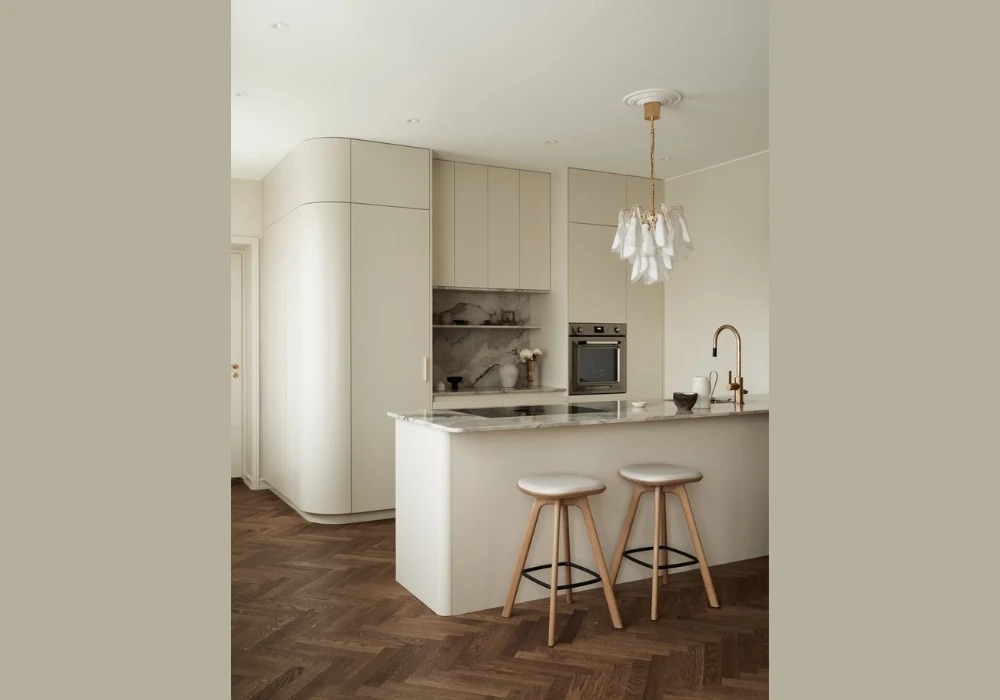
I always recommend light colors because they reflect heat instead of absorbing it, which helps keep the kitchen temperature lower. Shades like white, cream, and soft pastels create a fresh summer look.
I use light tones on walls, cabinets, and even countertops to maintain a consistent cooling effect. This approach also makes the kitchen appear more spacious and clean.
I noticed that switching from dark cabinets to lighter shades made a visible difference in brightness and comfort. The space felt more open without changing the layout.
I suggest combining light colors with natural textures like wood for balance. This keeps the design warm but still suitable for summer conditions.
3. Install Proper Ventilation Systems
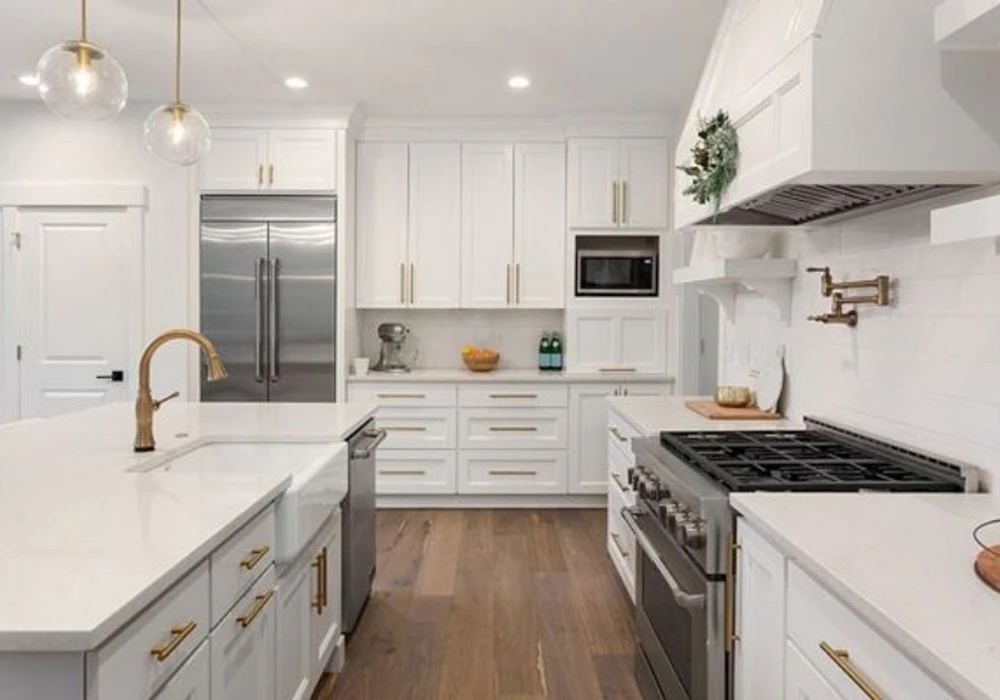
I always prioritize ventilation systems because they remove heat, smoke, and odors quickly while cooking. Without proper airflow, the kitchen becomes uncomfortable within minutes.
I install a good-quality chimney or exhaust fan to push hot air outside efficiently. This keeps the environment cooler and improves air quality.
I once upgraded a basic exhaust fan to a more powerful unit, and the difference was clear during daily cooking. The kitchen stayed fresher even during long cooking sessions.
I recommend placing ventilation units near the cooking area for maximum efficiency. Proper positioning ensures better heat removal and consistent airflow.
4. Add Large Windows for Natural Airflow
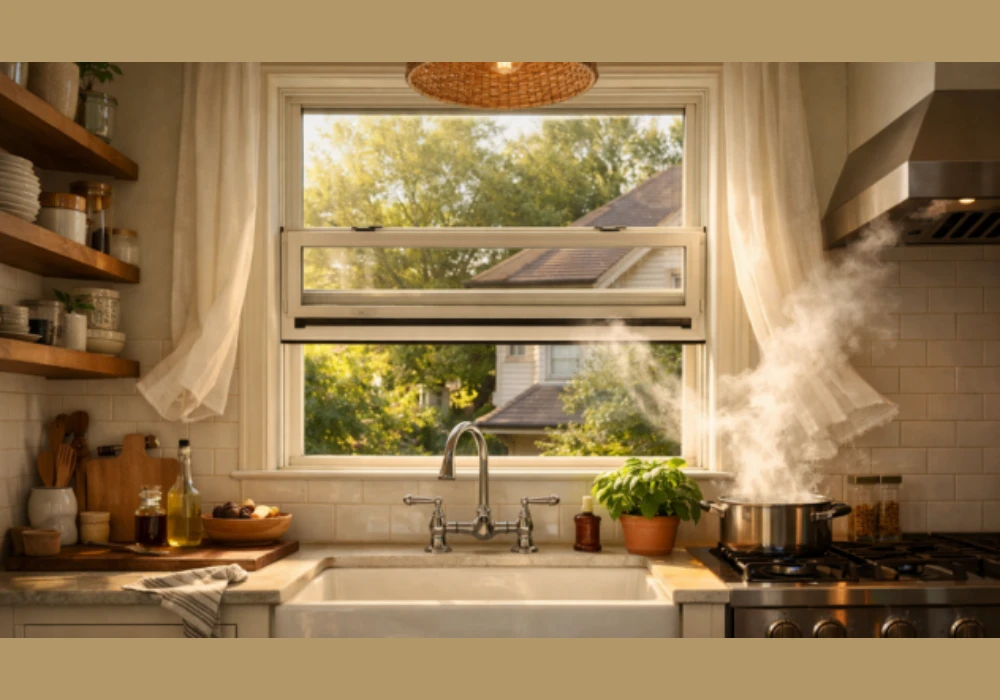
I always add large windows because they allow fresh air to enter and hot air to exit naturally. This creates a constant flow of air without relying on machines.
I position windows opposite each other whenever possible to create cross ventilation. This method improves cooling without increasing energy costs.
I have seen kitchens transform completely just by increasing the window size. The space feels brighter, cooler, and more inviting during summer.
I suggest using sliding or casement windows for better control over airflow. These options allow you to adjust ventilation based on weather conditions.
5. Use Heat-Resistant Countertop Materials
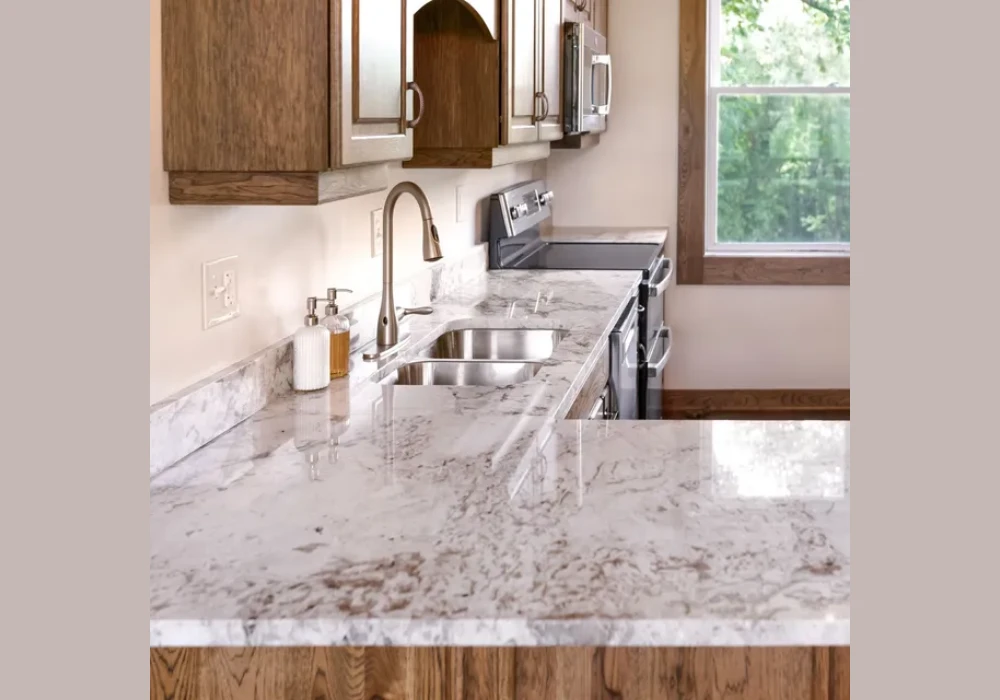
I always choose heat-resistant materials because countertops absorb a lot of heat during summer cooking. The right material keeps surfaces cool and durable.
I prefer materials like granite, quartz, or light-colored stone because they handle heat well and require less maintenance. They also add a clean and modern look.
I once replaced a dark laminate countertop with a light stone surface, and the kitchen felt noticeably cooler. It also improved the overall durability.
I suggest avoiding materials that retain heat for long periods. Choosing the right surface improves both comfort and long-term performance.
6. Improve Kitchen Lighting for Summer Brightness
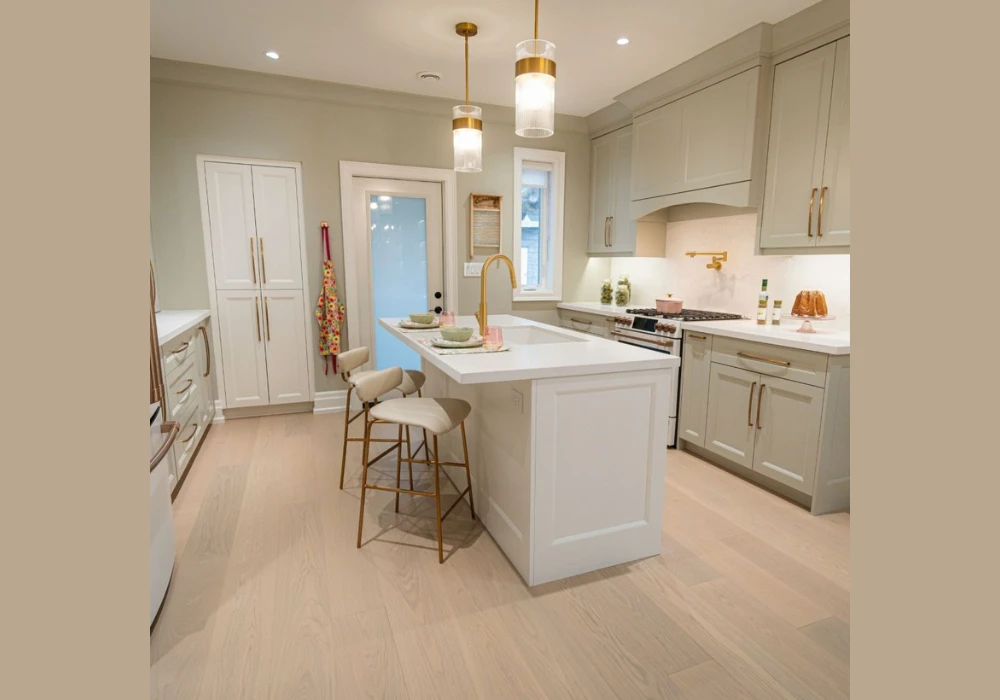
I always focus on lighting because good illumination reduces the need for extra heat-producing bulbs. Natural and efficient lighting keeps the kitchen comfortable.
I use LED lights because they produce less heat and consume less energy compared to traditional bulbs. They also provide consistent brightness.
I once replaced old lighting with LED fixtures, and the kitchen instantly felt cooler and brighter. It made cooking easier during evening hours.
I recommend combining natural light with layered artificial lighting for the best results. This balance ensures comfort throughout the day.
7. Install Energy-Efficient Appliances for Less Heat
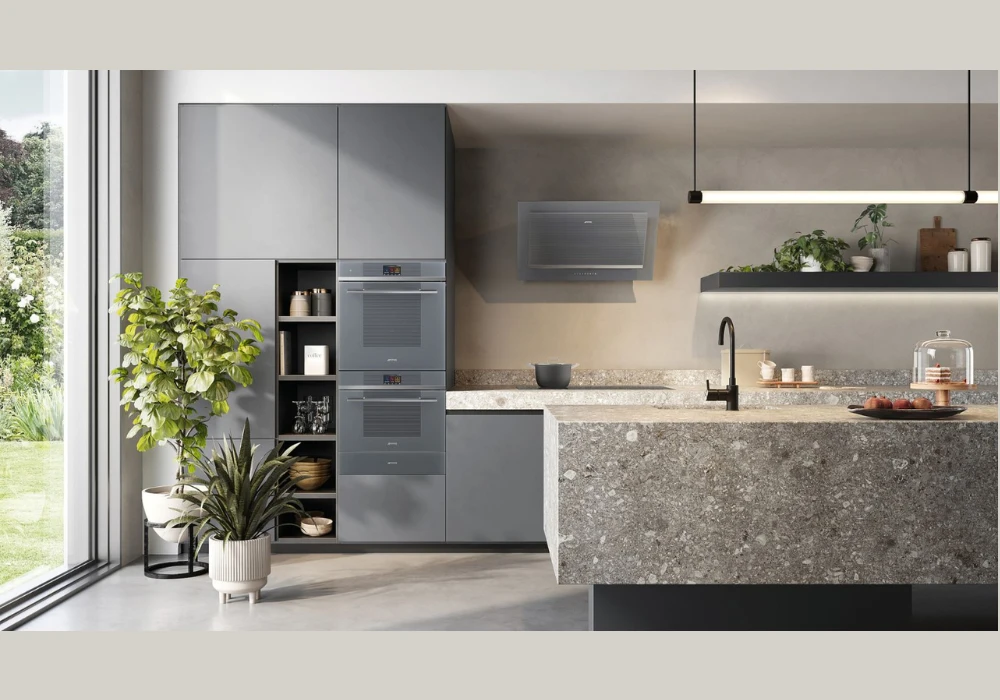
I always choose energy-efficient appliances because they produce less heat during operation and help keep the kitchen cooler. Modern appliances also reduce electricity consumption and improve overall performance.
I prefer induction cooktops and energy-rated ovens because they generate less ambient heat compared to traditional options. This makes a noticeable difference during long cooking sessions.
I once upgraded to an induction stove, and the kitchen temperature stayed more stable even during peak summer afternoons. It also improved cooking speed and safety.
I suggest replacing outdated appliances gradually to manage cost while improving efficiency. Even one upgrade can reduce heat and improve comfort.
8. Add a Semi-Outdoor Kitchen Extension
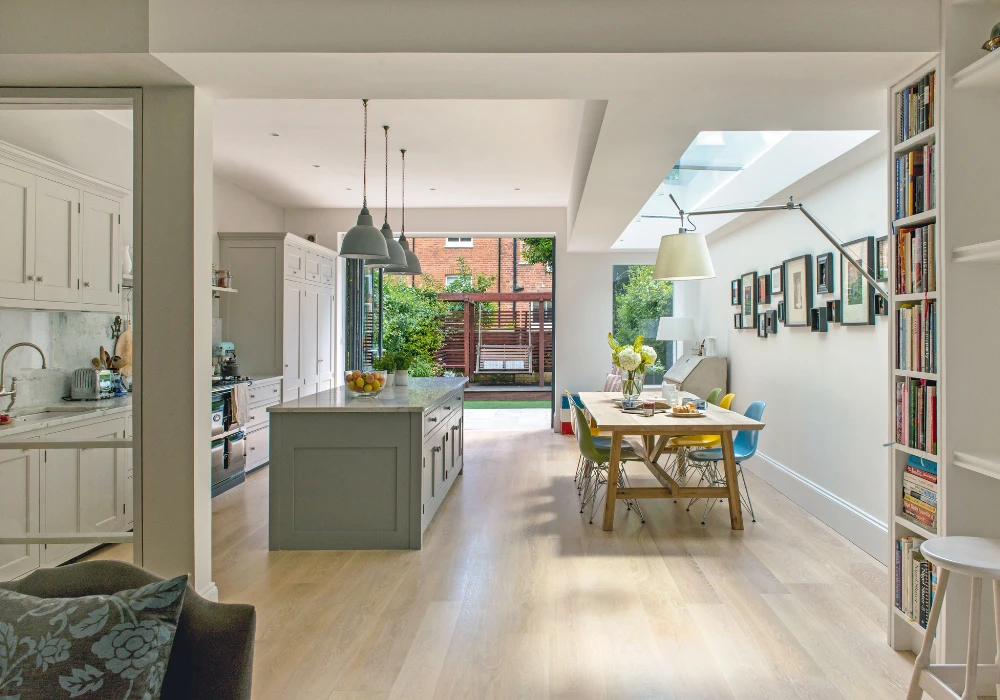
I always recommend a semi-outdoor kitchen setup because it shifts heat away from the main indoor space. This idea works well for homes with available backyard or terrace space.
I design these kitchens with proper shade and ventilation so cooking remains comfortable even in hot weather. Open surroundings naturally reduce heat buildup.
I have seen many homeowners use a covered patio as a summer kitchen, and it works well for grilling and heavy cooking. It also keeps indoor spaces cooler.
I suggest using weather-resistant materials to ensure durability in outdoor conditions. Proper planning makes this setup practical and long-lasting.
9. Use Breathable and Easy-to-Clean Flooring
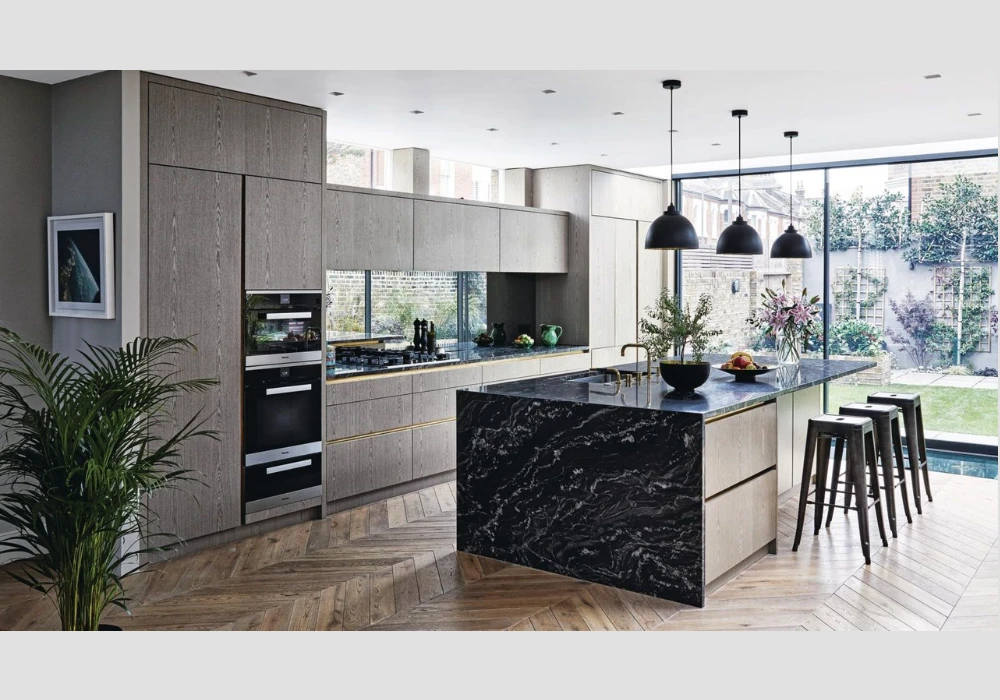
I always select flooring that stays cool underfoot and allows easy maintenance during summer. The right flooring improves comfort and hygiene in the kitchen.
I prefer ceramic tiles or natural stone because they do not trap heat and are simple to clean. These materials also handle moisture well.
I once replaced vinyl flooring with ceramic tiles, and the temperature difference was clear during hot days. The kitchen felt more comfortable to stand in.
I suggest avoiding heavy or heat-retaining materials for flooring. Choosing breathable surfaces helps maintain a cooler environment.
10. Install Ceiling or Wall Fans for Air Circulation
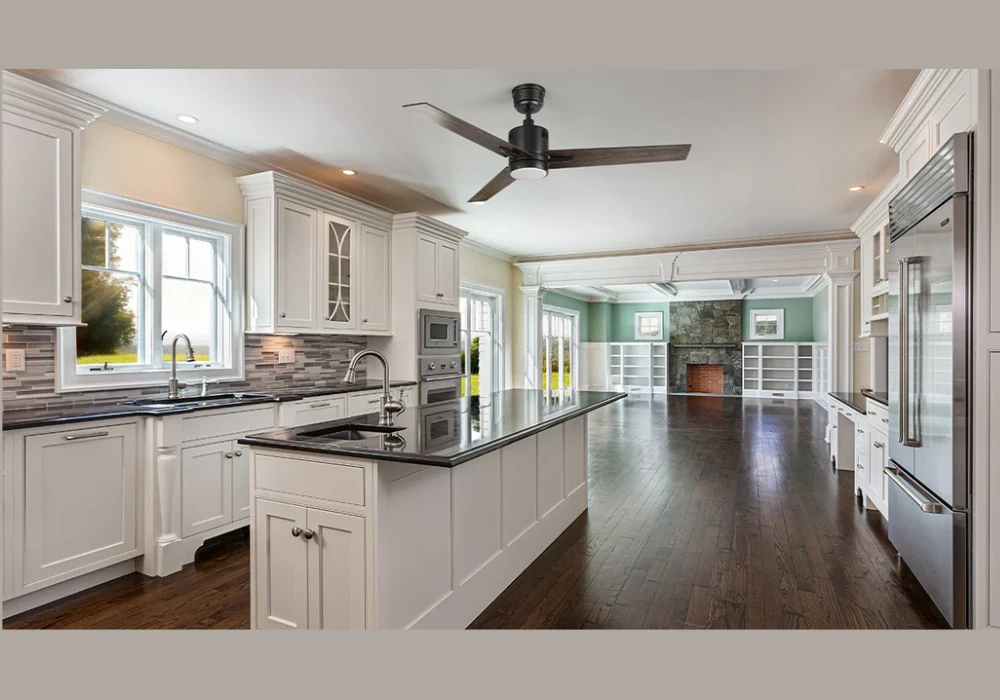
I always add fans because they improve air movement and reduce the feeling of heat while cooking. Proper circulation makes the kitchen more usable in summer.
I place ceiling or wall-mounted fans strategically to push hot air away from the cooking zone. This supports natural ventilation.
I noticed that adding a simple wall fan near the stove made cooking more comfortable without major changes. It is a small but effective upgrade.
I recommend choosing energy-efficient fans to maintain airflow without increasing electricity costs. Consistent circulation improves overall comfort.
11. Optimize Storage to Reduce Clutter and Heat
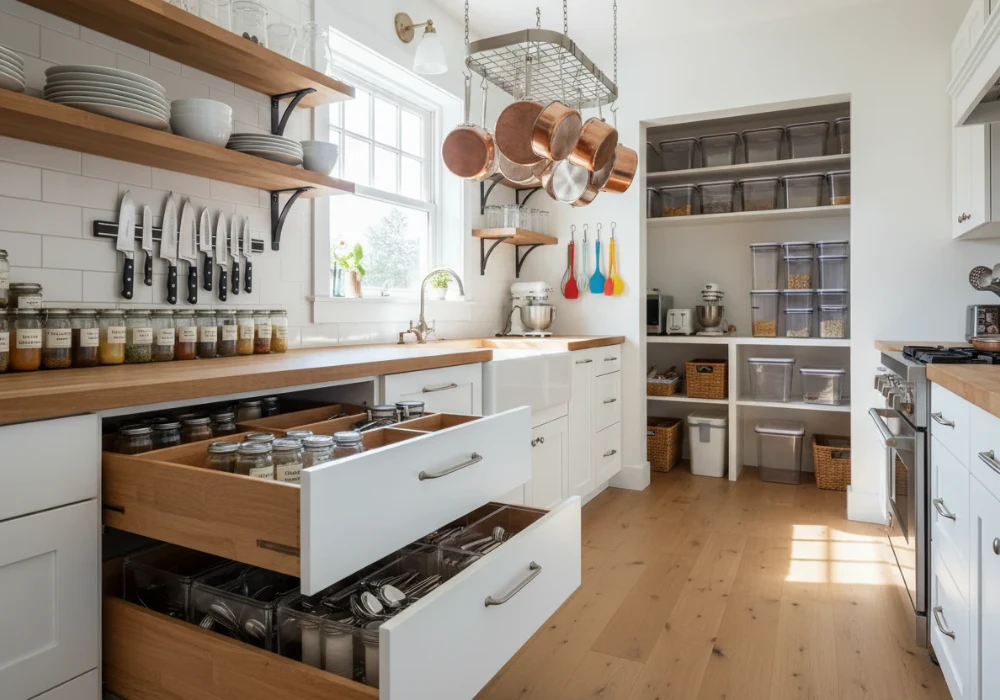
I always organize storage because clutter blocks airflow and makes the kitchen feel heavier and warmer. Clean spaces feel cooler and easier to manage.
I use smart cabinets and hidden storage to keep surfaces clear and functional. This also improves movement within the kitchen.
I once redesigned storage in a compact kitchen, and it instantly felt more open and breathable. Less clutter improved both airflow and usability.
I suggest focusing on vertical storage to save space and maintain a clean layout. Organized kitchens stay cooler and more efficient.
12. Add Reflective Backsplash for Heat Reduction
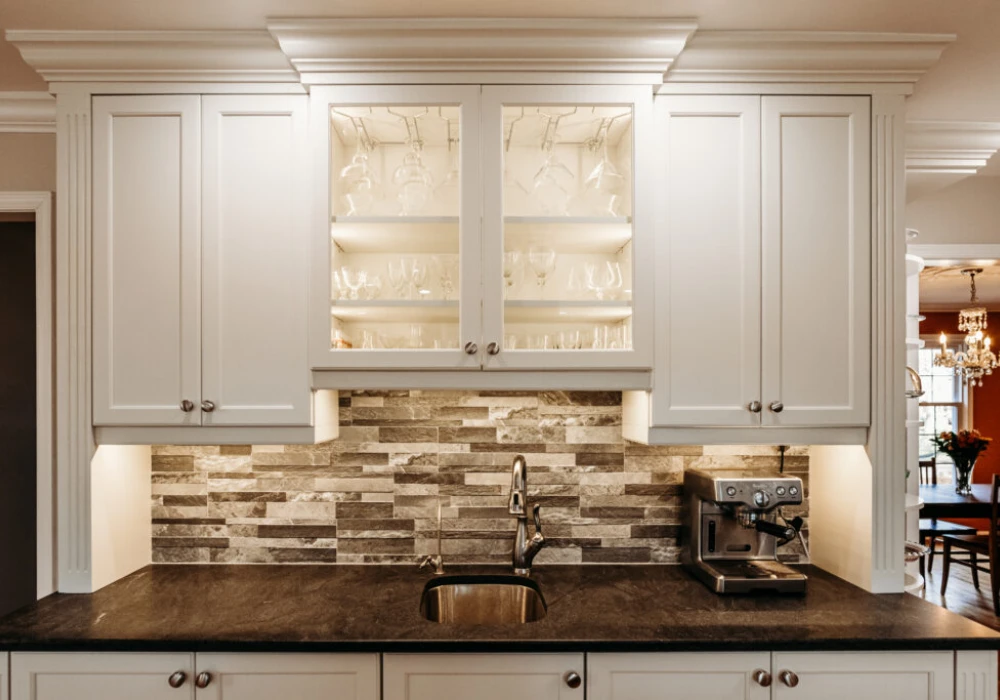
I always use reflective backsplash materials because they help bounce light and reduce heat absorption. This keeps the cooking area brighter and cooler.
I prefer glossy tiles or light-colored finishes that reflect both natural and artificial light. This improves visibility and comfort.
I once installed a glossy tile backsplash, and the kitchen looked brighter while feeling less warm during the day. It also added a modern touch.
I suggest choosing easy-to-clean materials for backsplash areas. This keeps maintenance simple while improving heat control.
13. Upgrade to Better Insulation and Ventilated Cabinets
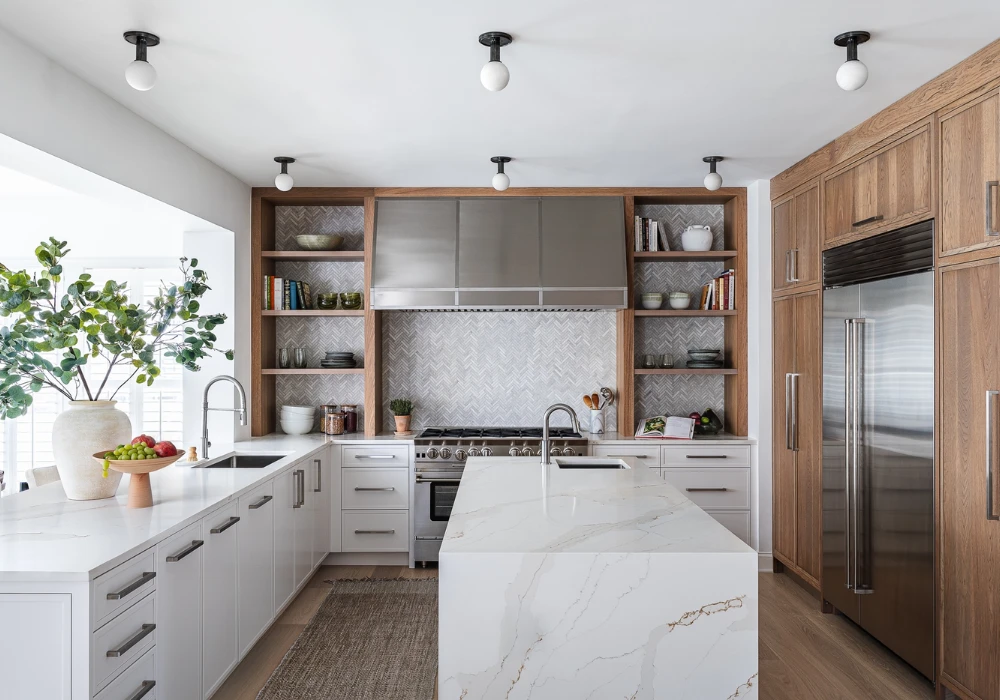
I always improve insulation because it prevents external heat from entering the kitchen. This keeps the internal temperature more stable.
I also use ventilated cabinets to allow air circulation around stored items. This prevents heat buildup inside closed spaces.
I once added simple cabinet vents, and it helped reduce trapped heat significantly. The kitchen felt less stuffy during peak hours.
I suggest combining insulation with ventilation for the best results. This approach improves comfort without major structural changes.
Practical Tips to Improve Summer Kitchen Renovation Results
I always focus on small details because they decide how well a kitchen performs in summer conditions. A few smart adjustments can improve comfort without increasing the budget. These tips help you avoid common issues and get better results from your renovation.
Smart Tips for a Cooler and More Functional Kitchen
- Use cross ventilation to keep fresh air moving continuously inside the kitchen
- Choose lightweight curtains or blinds to reduce heat from direct sunlight
- Keep cooking zones near ventilation areas for faster heat removal
- Use LED lighting only to avoid unnecessary heat buildup
- Install pull-out storage to improve airflow inside cabinets
Material and Feature Comparison Table
| Feature عنصر | Best Option | Why It Works in Summer |
|---|---|---|
| Countertops | Light stone or quartz | Reflects heat and stays cool |
| Flooring | Ceramic tiles | Does not trap heat |
| Lighting | LED lights | Produces less heat |
| Cabinets | Ventilated designs | Prevents heat buildup |
| Appliances | Energy-efficient | Reduces overall heat |
Common Mistakes to Avoid During Summer Kitchen Renovation
- Ignoring ventilation and focusing only on design
- Using dark colors that absorb heat
- Choosing heavy materials that retain heat
- Installing poor-quality exhaust systems
- Overcrowding the kitchen with unnecessary storage
Conclusion
I always believe a summer kitchen should feel light, cool, and easy to use during daily cooking. The right renovation ideas improve both comfort and functionality.

New Kitchen Idea Book: Idea-packed kitchen renovation book with layouts, finishes, and storage tricks.
New Kitchen Idea Book: Idea-packed kitchen renovation book with layouts, finishes, and storage tricks.
I focus on airflow, materials, and smart layout changes because they directly affect temperature and usability. Even small improvements can make a big difference.
I have seen kitchens transform with simple upgrades like better ventilation and lighter colors. These changes create a noticeable improvement in comfort.
If you apply these summer kitchen renovation ideas step by step, your kitchen will feel more practical and enjoyable throughout the season.
FAQs
I recommend improving ventilation, using light colors, and installing energy-efficient appliances to reduce heat buildup.
Light-colored stone, ceramic tiles, and heat-resistant surfaces work best because they stay cool and are easy to maintain.
Yes, open layouts allow better airflow and prevent heat from getting trapped inside the kitchen.
Yes, you can start with small upgrades like lighting, paint, and ventilation improvements without major construction.
Yes, older appliances produce more heat, while modern energy-efficient appliances help maintain a cooler environment.
Natural ventilation helps a lot, but combining it with exhaust systems gives the best results.
Related Posts
- Top 14 Summer Kitchen Remodeling Ideas
- 15 Best Summer Kitchen Styling Ideas
- Top 10 Summer Bathroom Tile Ideas
- 11 Best Summer Bathroom Renovation Ideas
- Top 12 Summer Bathroom Remodeling Ideas
- 13 Best Summer Bathroom Styling Ideas
Recommended for You

Kitchen Remodel Project Book: Kitchen Renovation Project Book | Kitchen Remodel Notebook | Kitchen Renovation Notebook
Kitchen Remodel Project Book: Kitchen Renovation Project Book | Kitchen Remodel Notebook | Kitchen Renovation…