
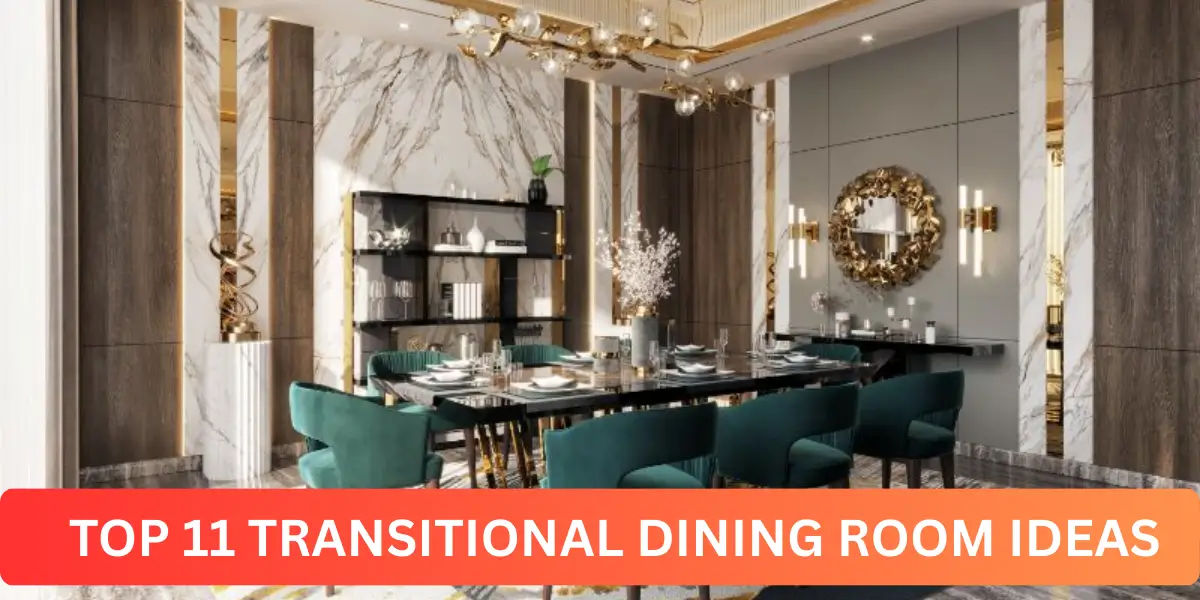

Transitional dining room ideas appeal to homeowners who want the warmth of tradition without sacrificing modern simplicity. I often find that this style offers the perfect middle ground, where clean lines meet classic comfort in a balanced way.
Instead of leaning heavily toward ornate detailing or stark minimalism, transitional spaces feel refined yet livable.
In this guide, I will share thoughtful inspiration to help you design a dining room that blends timeless structure with contemporary freshness, creating a setting that feels cohesive, welcoming, and effortlessly stylish.
What Defines a Well Balanced Transitional Dining Room?
A well balanced transitional dining room combines the structure of traditional design with the clarity of modern style. I always focus on proportion, texture, and restrained detailing to keep the space cohesive.
Instead of dramatic contrasts, this style relies on subtle shifts in tone and material. Clean silhouettes meet classic forms, creating harmony without visual tension.
Below are eleven carefully considered ideas that bring transitional dining rooms to life with warmth and refinement.
1. Neutral Foundation with Subtle Contrast
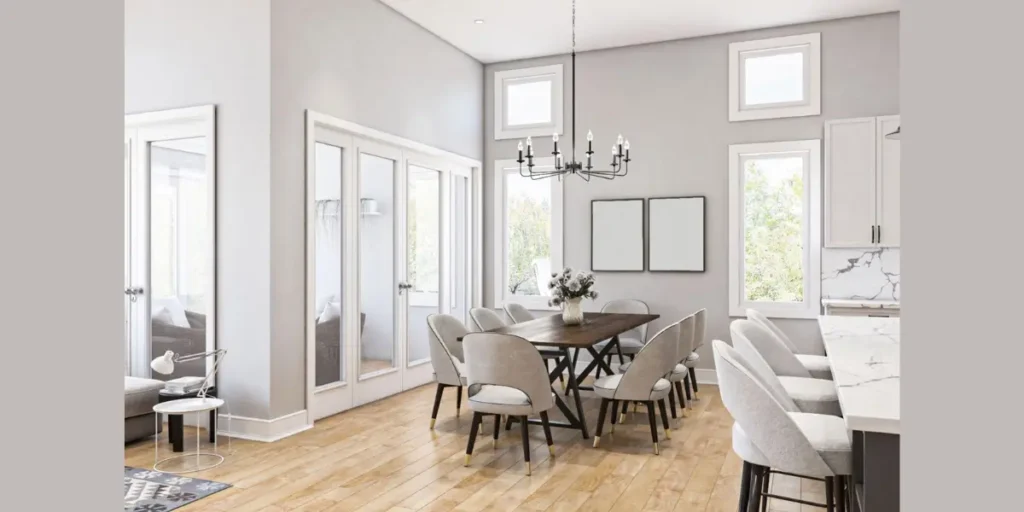
A neutral foundation sets the tone for transitional design. I often begin with soft beige, warm gray, or creamy white walls to create a calm backdrop. These hues allow furniture and lighting to stand out without overwhelming the room.
To prevent the space from feeling flat, I introduce subtle contrast through darker wood finishes or muted metallic accents. This approach adds dimension while maintaining balance.
A carefully layered neutral palette ensures the dining room feels timeless rather than trend driven. It creates flexibility for future updates while preserving sophistication.
2. Traditional Table with Modern Chairs
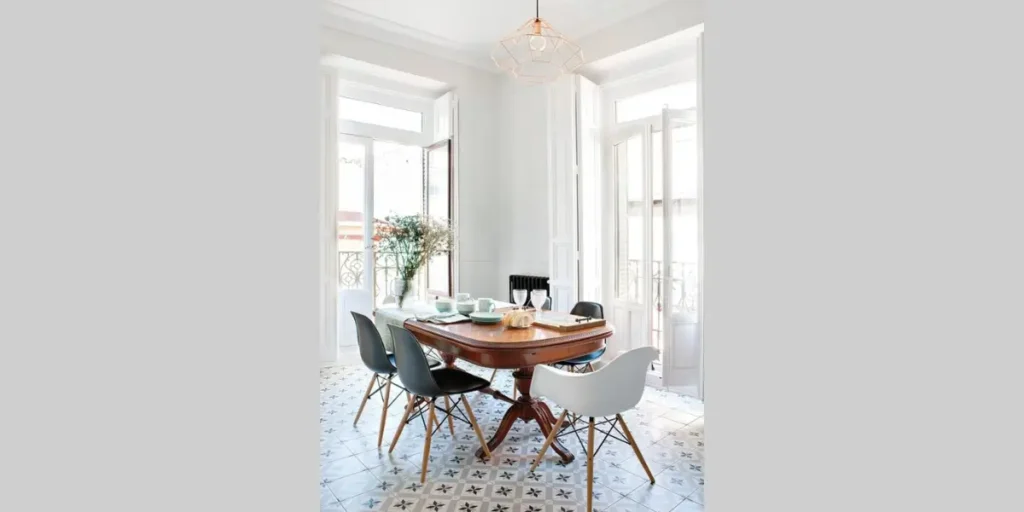
Blending a classic wood table with streamlined modern chairs creates instant transitional appeal. I like pairing a substantial rectangular table with upholstered seating that features clean lines.
The contrast feels intentional and balanced. Ornate carvings give way to simplified silhouettes, allowing the space to feel lighter and more current.
This mix bridges eras gracefully. It honors tradition while introducing contemporary clarity, making the dining room feel both refined and approachable.
3. Statement Lighting with Refined Simplicity
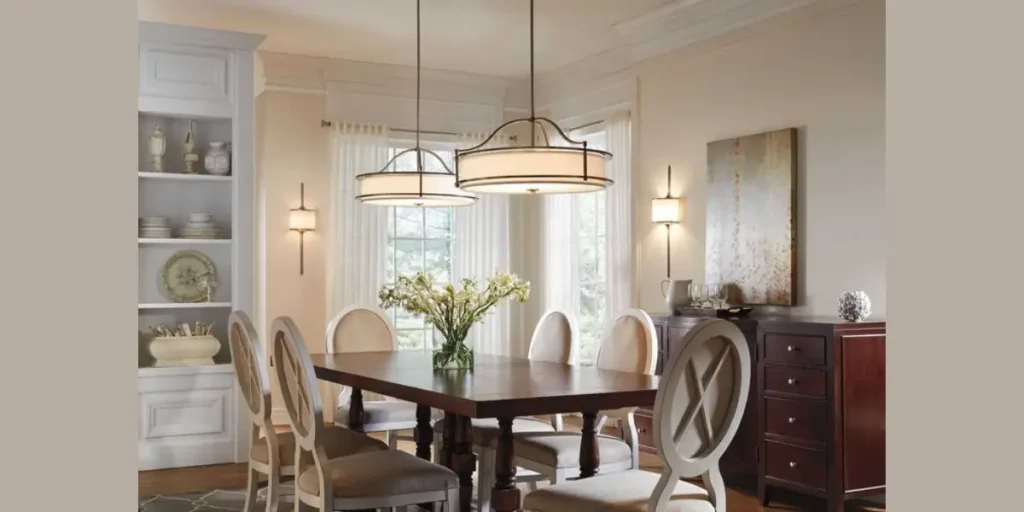
Lighting plays a crucial role in transitional spaces. I prefer chandeliers that maintain classic form but remove excessive ornamentation. Clean metal frames with subtle curves achieve this effect beautifully.
Warm finishes such as brushed brass or matte black reinforce elegance without heaviness. I always ensure proper scale to maintain proportion.
A refined statement light anchors the dining table and strengthens cohesion. It enhances the room’s atmosphere while preserving understated sophistication.
4. Layered Textures for Visual Depth
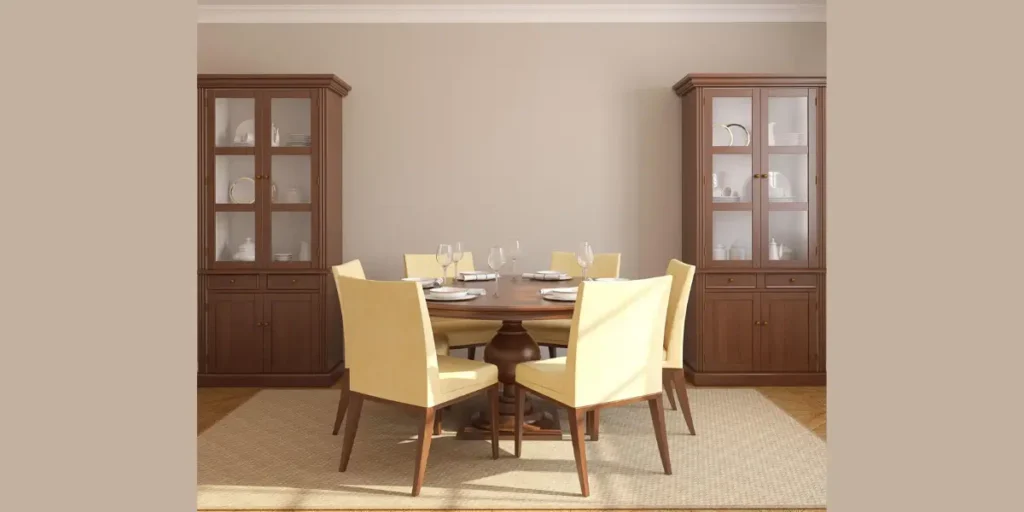
Texture adds warmth without clutter. I combine linen upholstery, polished wood surfaces, and soft rugs to create tactile interest. Each layer should feel complementary rather than competitive.
This method prevents the room from appearing sterile or overly modern. Subtle texture variation adds dimension while maintaining harmony.
When textures interact thoughtfully, the dining room feels welcoming and balanced. It achieves richness without relying on excessive decoration.
5. Classic Rug with Contemporary Color Palette
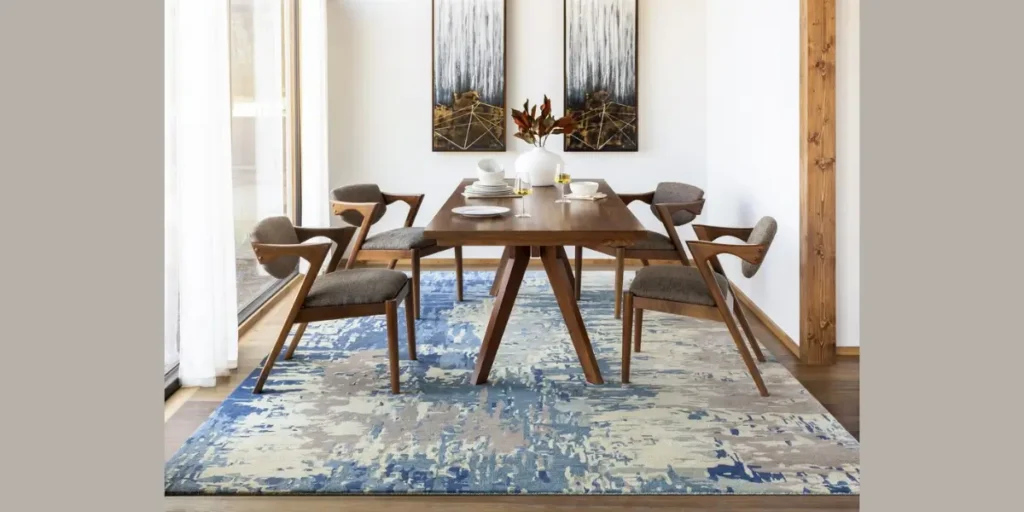
A traditional patterned rug grounds the dining area visually. I choose designs with muted tones rather than bold contrasts to maintain subtlety.
The rug should extend beyond the table edges to ensure comfort and proportion. Proper sizing enhances both function and visual appeal.
This combination blends heritage with freshness. The rug introduces classic charm while the restrained palette keeps the space current.
6. Balanced Symmetry with Clean Lines
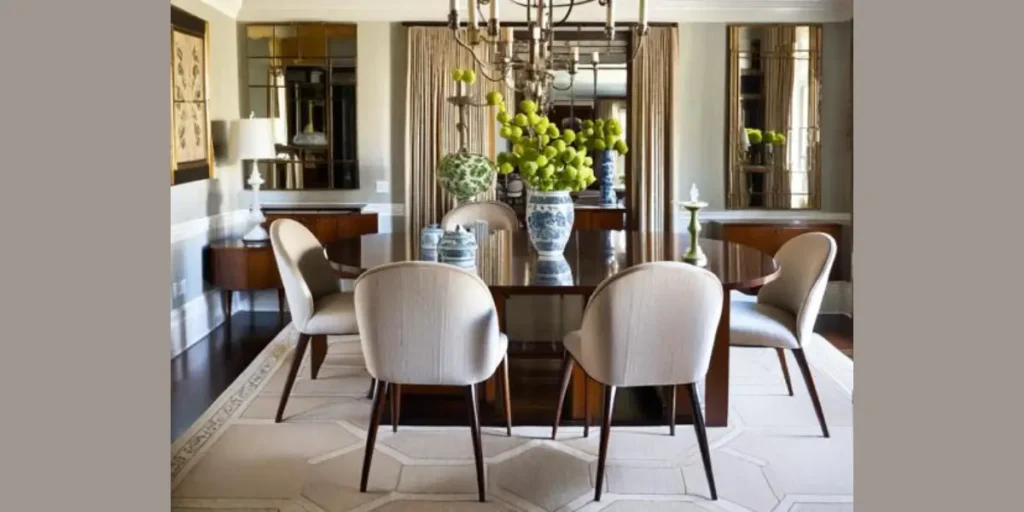
Symmetry establishes order in transitional design. I center the table beneath the primary light source and position furniture evenly to maintain balance.
However, I avoid overly ornate details that could make the space feel formal. Clean lines keep the composition fresh and approachable.
This structured yet simplified approach defines transitional interiors. It preserves elegance while allowing the room to feel comfortable and livable.
7. Upholstered Seating in Neutral Fabrics
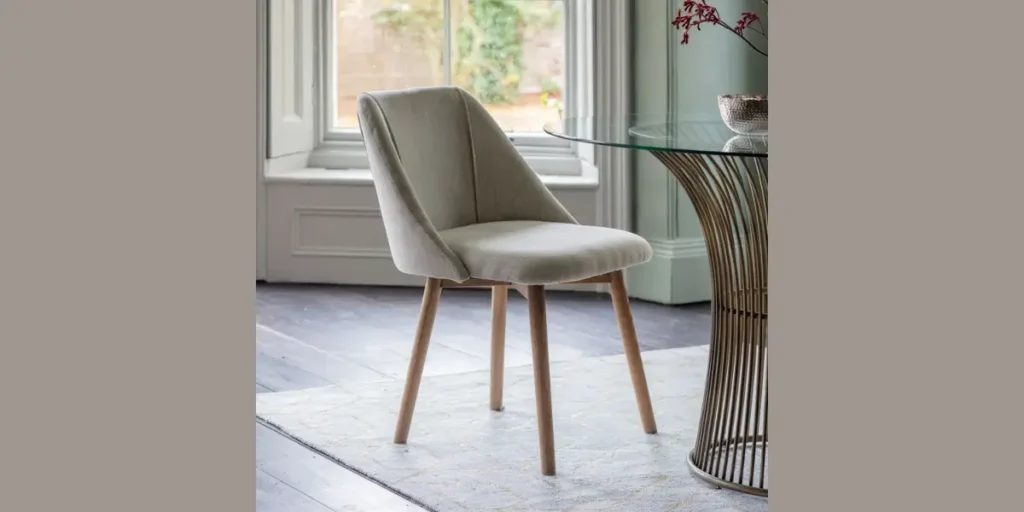
Comfort plays a central role in transitional dining rooms. I often select upholstered chairs in soft neutral fabrics such as linen or textured cotton.
Subtle curves or tapered legs introduce modern refinement without abandoning tradition. Balanced proportions remain essential.
These seating choices enhance warmth and practicality. They soften the overall look while supporting the room’s timeless character.
8. Subtle Architectural Details
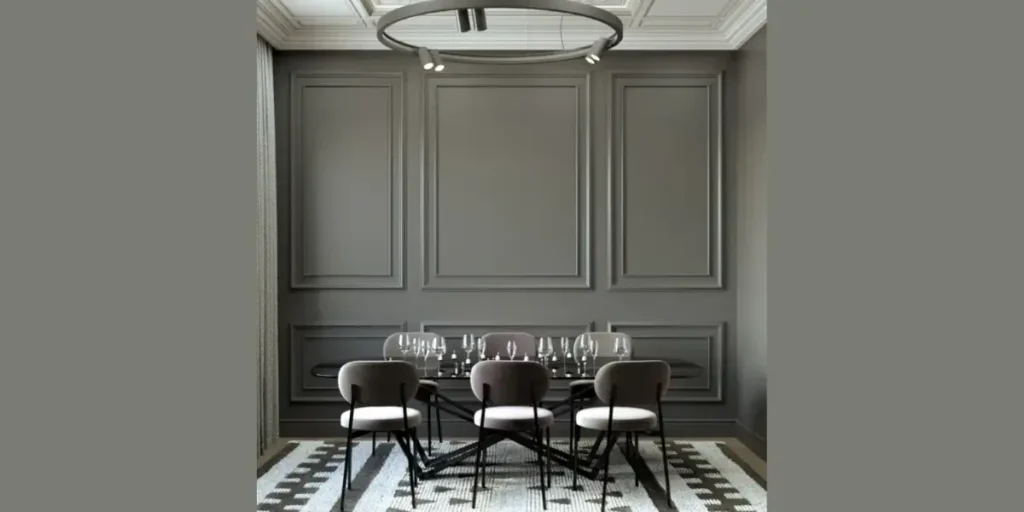
Transitional spaces benefit from understated architectural elements. I incorporate simple panel molding or restrained trim to add depth without heaviness.
The detailing should feel clean and proportional. Overly ornate profiles can disrupt the balance between traditional and modern influences.
These subtle enhancements elevate the dining room quietly. They add sophistication while maintaining clarity and visual calm.
9. Minimal Yet Impactful Wall Art
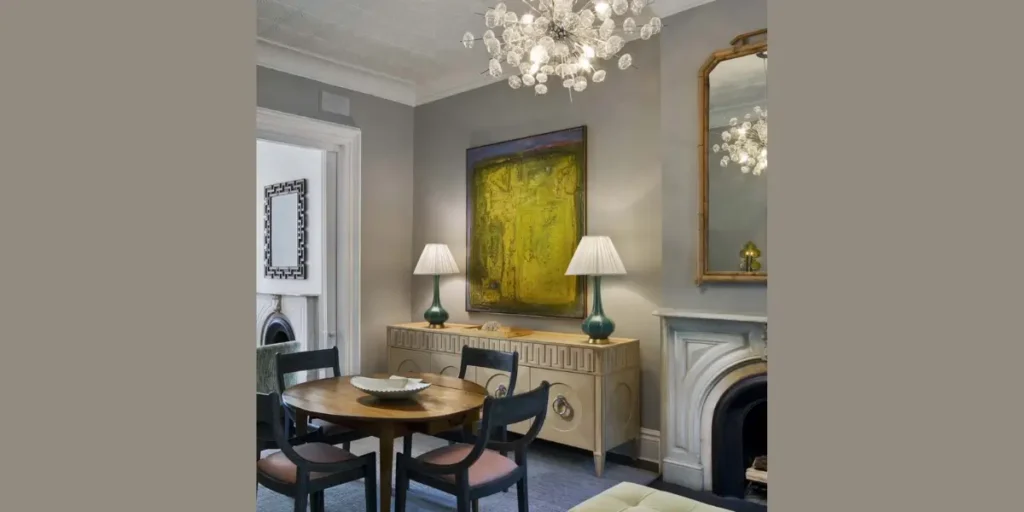
Wall art in a transitional dining room should feel curated rather than excessive. I select pieces that blend classic themes with modern framing styles.
Balanced placement reinforces symmetry and prevents visual clutter. Artwork should complement the palette instead of dominating it.
This restrained approach allows personality to shine. It enhances refinement while preserving the room’s cohesive atmosphere.
10. Warm Metallic Accents
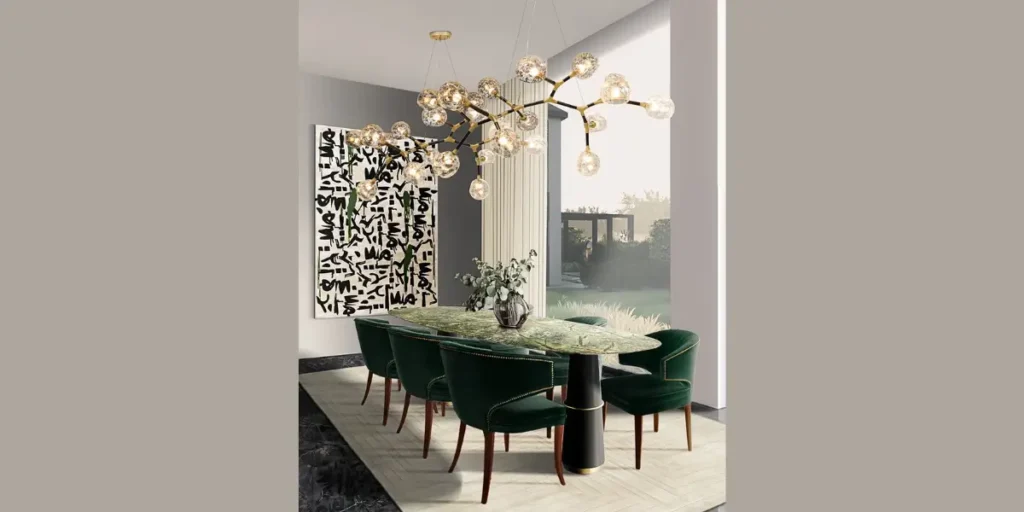
Warm metallic finishes such as brushed brass or muted gold introduce subtle luxury. I use these accents sparingly in lighting fixtures or decorative hardware.
The warmth balances cooler neutral tones and reinforces elegance. I avoid overly shiny finishes to maintain restraint.
These accents enhance the transitional blend. They contribute richness without overpowering the space or shifting it fully into traditional territory.
11. Layered Lighting for Flexibility
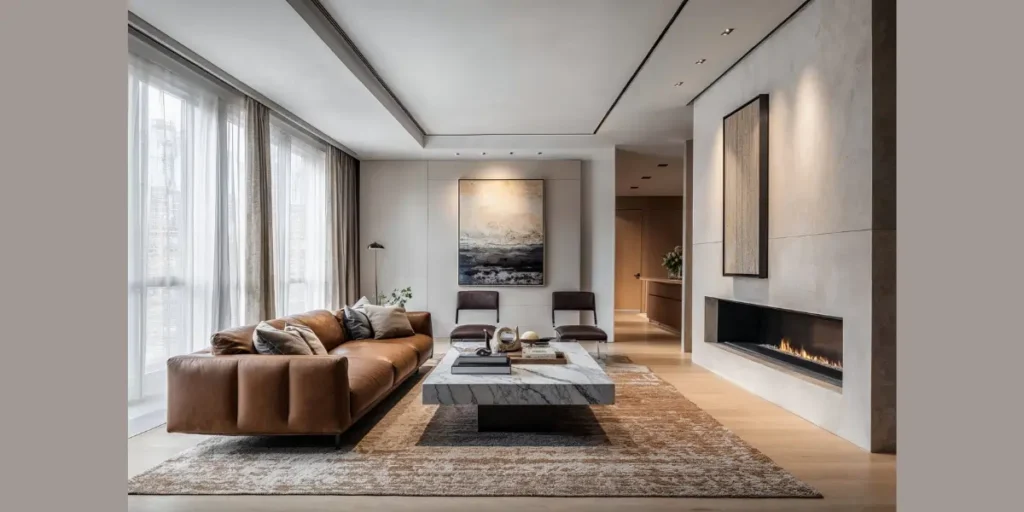
Layered lighting ensures both ambiance and practicality. I combine a central chandelier with wall sconces or recessed lights for depth.
Dimmers allow easy adjustment depending on the occasion. Proper lighting enhances materials and softens shadows.
This layered approach strengthens cohesion and comfort. It ensures the dining room adapts seamlessly to everyday meals and formal gatherings alike.
Designing a Seamless Transitional Dining Space
Creating a seamless transitional dining space requires thoughtful balance rather than dramatic contrast. I always begin by evaluating how traditional structure and modern simplicity can coexist within the same room.
The goal is not to divide the styles, but to blend them so naturally that the transition feels effortless.
Proportion, material harmony, and subtle layering shape the final outcome. When each element supports the overall aesthetic without competing for attention, the dining room feels cohesive and refined.
A well designed transitional space remains adaptable and timeless rather than trend driven.
Essential Design Principles
Neutral color harmony forms the foundation of transitional interiors. I rely on warm grays, creams, and soft taupe tones to create cohesion. These shades allow furniture and lighting to stand out without overwhelming the space.
Blending traditional and modern silhouettes requires restraint. I pair classic wood tables with simplified seating shapes to maintain equilibrium. Clean lines prevent the room from leaning too heavily toward formality.
Balanced proportions ensure visual comfort. I pay close attention to scale, spacing, and symmetry so that the room feels structured but never rigid. Texture layering replaces heavy ornamentation, keeping the atmosphere warm and inviting.
Transitional Material Pairing Guide
| Element | Traditional Influence | Modern Influence |
|---|---|---|
| Dining Table | Solid wood craftsmanship | Streamlined edges |
| Seating | Upholstered comfort | Minimal silhouette |
| Lighting | Classic chandelier form | Simplified detailing |
| Wall Treatment | Subtle molding | Neutral finishes |
| Hardware | Warm brass accents | Matte textures |
When these pairings align thoughtfully, the dining room achieves visual harmony. I always aim for cohesion rather than contrast to preserve the seamless quality that defines transitional style.
Conclusion
Transitional dining room design succeeds because it embraces balance rather than extremes. I always see it as a thoughtful dialogue between classic structure and modern simplicity.
When neutral palettes, refined textures, and carefully chosen furnishings work together, the space feels harmonious and adaptable. This style does not chase trends, yet it never feels outdated.
By focusing on proportion, material pairing, and layered lighting, you can create a dining room that evolves gracefully over time.
A well executed transitional space offers comfort, elegance, and versatility, making it ideal for both everyday living and memorable gatherings.
FAQs
Warm neutrals such as beige, greige, cream, and soft gray work beautifully. I often introduce subtle metallic accents to add warmth. The palette should feel calm and layered rather than bold or high contrast.
Focus on proportion and simplicity. Pair a classic statement piece, such as a wood table, with streamlined chairs. Maintaining a cohesive color palette ensures the mix feels intentional rather than mismatched.
Yes, transitional style adapts well to smaller spaces. Clean lines and neutral tones help maintain openness. I recommend scaled down furniture and layered lighting to preserve balance.
Choose fixtures that combine classic structure with minimal detailing. A simplified chandelier paired with subtle accent lighting enhances warmth while maintaining modern clarity.