
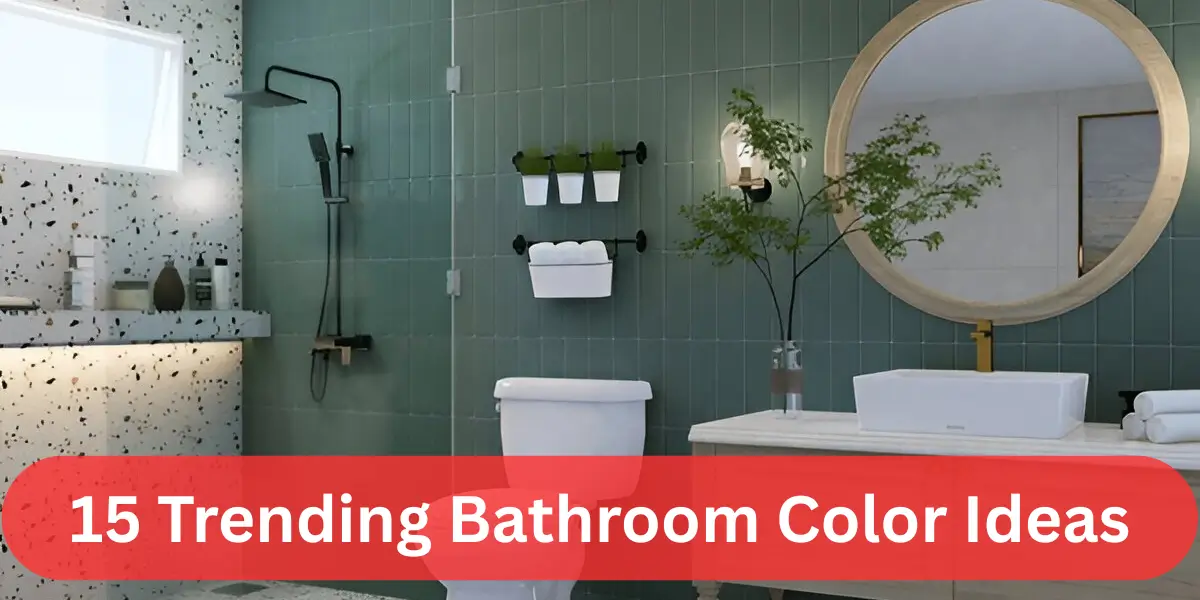

Choosing the right bathroom colors can completely change how the space feels, functions, and even how spacious it appears. From my experience, color is one of the most powerful design tools, yet it’s often underestimated.
The right shades can make a bathroom feel brighter, more relaxing, and visually balanced, while poor choices can make even a large space feel dull or cramped.
Today’s homeowners look for colors that not only follow trends but also support daily comfort and long-term appeal.
In this guide, I’ll share carefully selected bathroom color ideas that combine aesthetics, practicality, and timeless design principles.
1. Classic White Bathroom
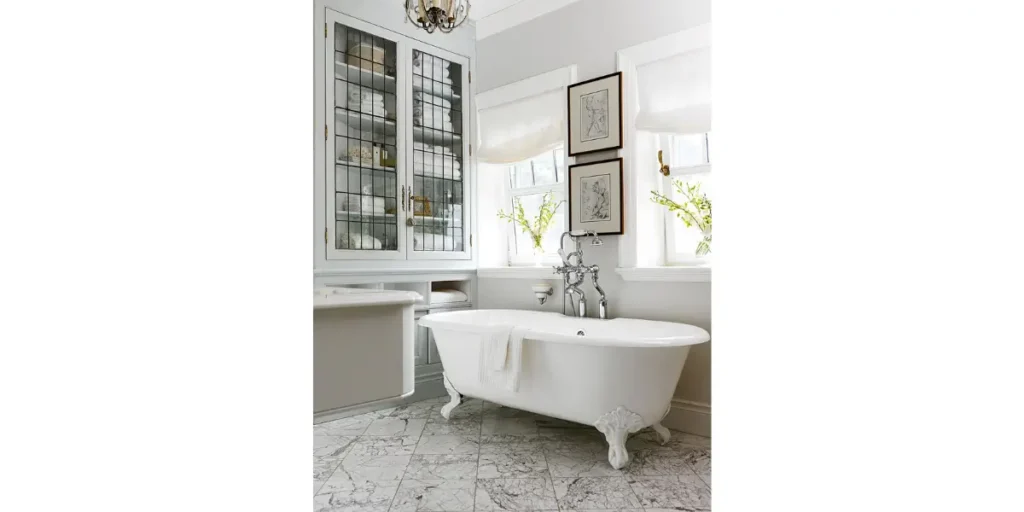
When I choose white for a bathroom, I focus on clarity and brightness. White instantly opens up the space and reflects light better than any other color. It creates a clean foundation that never feels outdated.
I often layer different shades of white with subtle textures to avoid a flat look. Matte tiles, glossy surfaces, and soft fabrics add depth without changing the color story.
This color works especially well in small or low-light bathrooms. It keeps the space feeling fresh, organized, and visually calm every day.
2. Soft Gray Bathroom
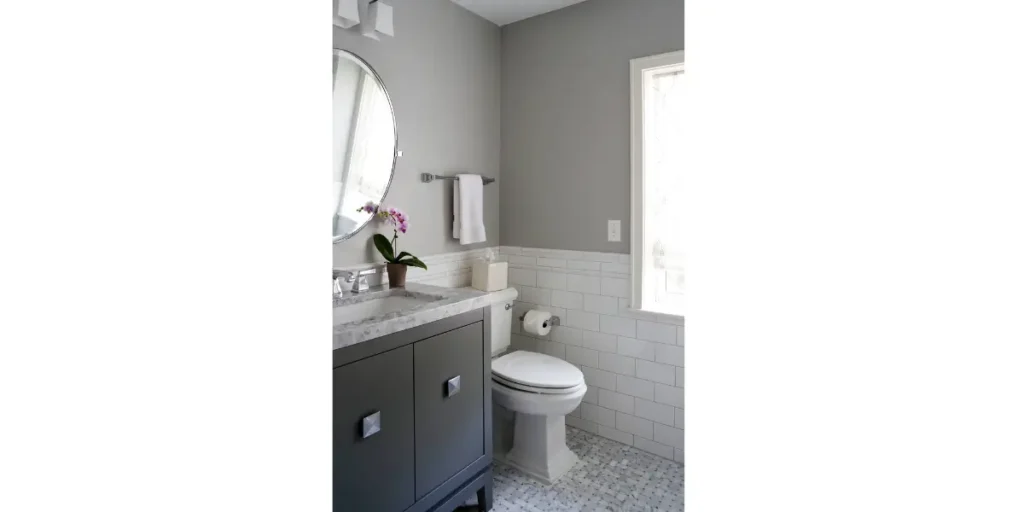
Soft gray is one of my go-to bathroom colors when I want something neutral but more interesting than white. It adds gentle contrast while maintaining a calm, modern feel.
I like pairing light gray walls with white fixtures or natural stone surfaces. This combination keeps the bathroom balanced and visually comfortable.
Gray adapts easily to different styles, from modern to transitional. It also hides minor wear better than white, making it a practical choice for everyday bathrooms.
3. Beige and Cream Bathroom
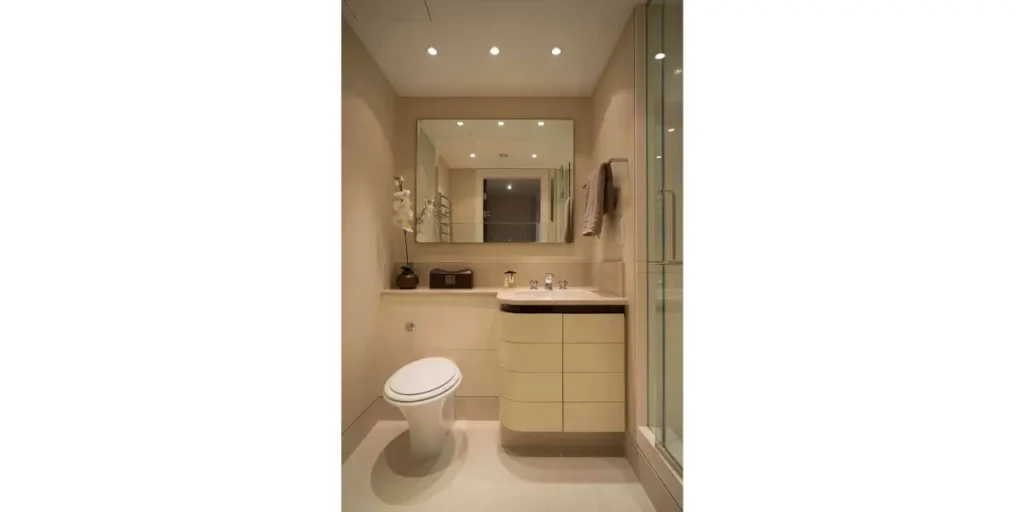
When warmth matters, I often recommend beige or cream tones. These colors create a welcoming environment that feels soft and relaxed rather than stark.
I usually combine beige walls with warm lighting and subtle textures to enhance comfort. The result feels cozy without looking dated.
This color palette works well in family bathrooms or shared spaces. It supports a calm atmosphere and pairs beautifully with wood, stone, and neutral fixtures.
4. Black and White Bathroom
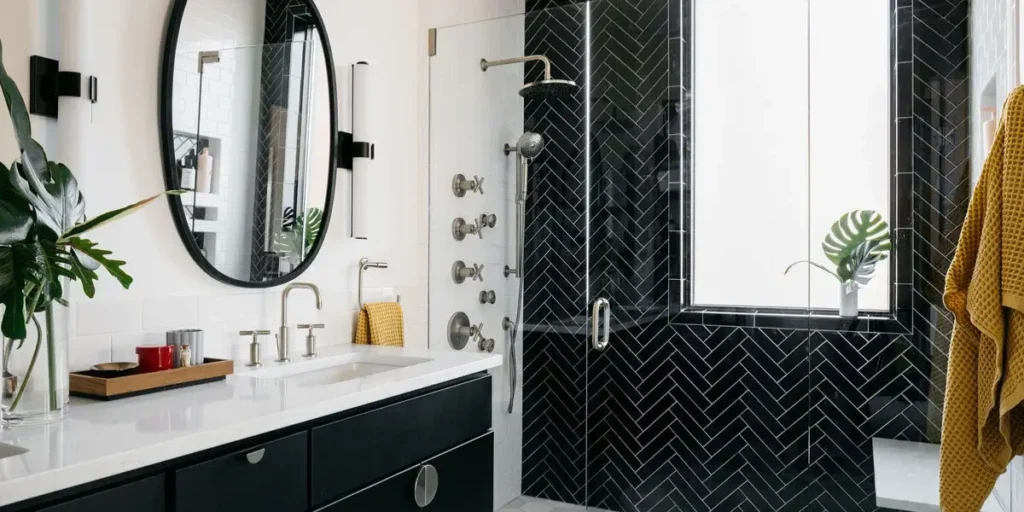
Black and white bathrooms allow me to create strong visual impact while keeping the design timeless. The contrast feels structured and intentional when used carefully.
I often use white as the dominant color and introduce black through fixtures, tiles, or accents. This approach keeps the space bright and controlled.
This color combination suits both modern and classic bathrooms. When balanced correctly, it feels bold, clean, and visually confident without overwhelming the space.
5. Navy Blue Bathroom
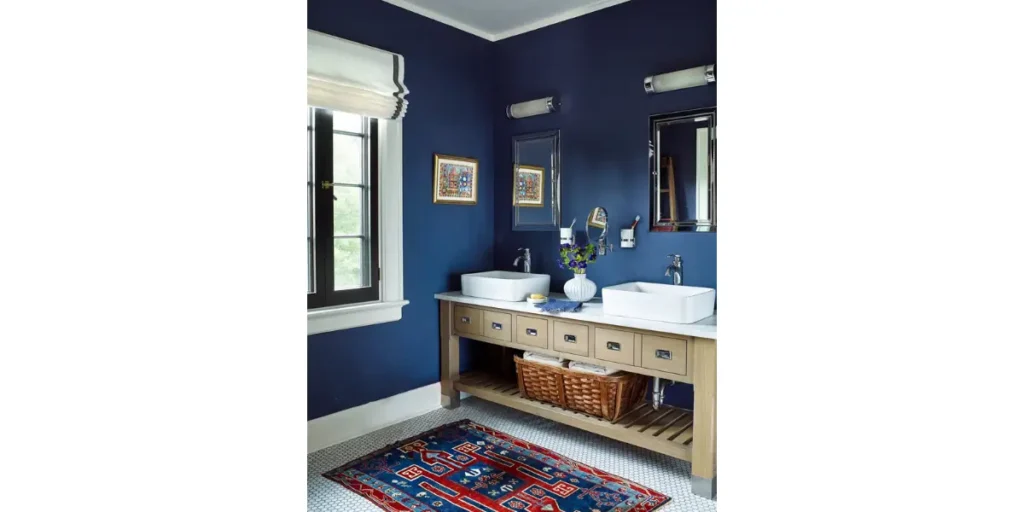
Navy blue adds depth and sophistication when I want a bathroom to feel elegant. This rich color works especially well in well-lit spaces where it won’t feel heavy.
I like pairing navy walls with white surfaces or metallic accents to maintain balance. These combinations prevent the color from overpowering the room.
Navy blue bathrooms feel refined and intentional. They work best when the design remains simple, allowing the color to make a strong but controlled statement.
6. Light Blue Bathroom
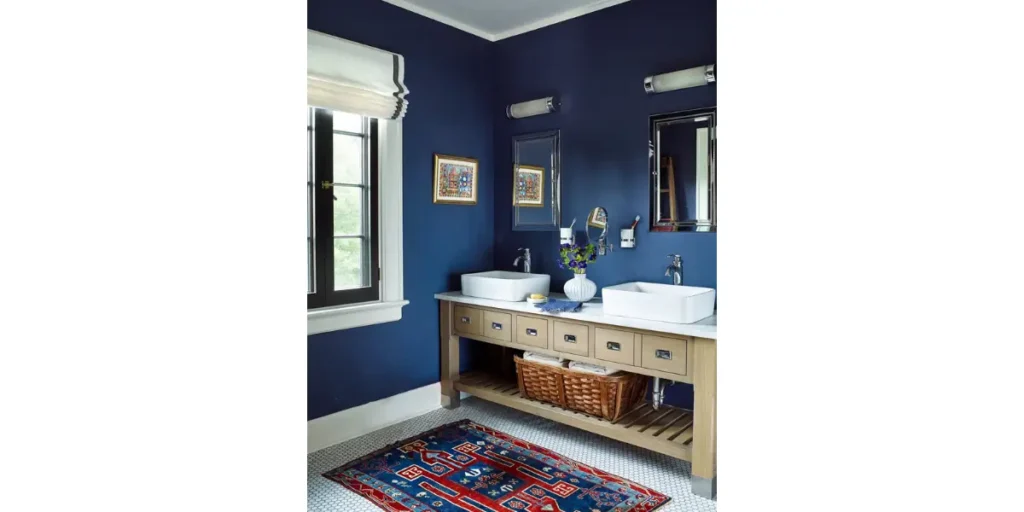
Light blue creates a fresh and calming atmosphere, which is why I often use it in bathrooms meant for relaxation. It naturally connects with water and cleanliness.
I prefer soft, muted blues rather than bright tones. These shades feel soothing and help the space remain visually light.
This color works beautifully in spa-inspired bathrooms. When paired with white fixtures and natural textures, light blue makes the bathroom feel airy and peaceful.
7. Sage Green Bathroom
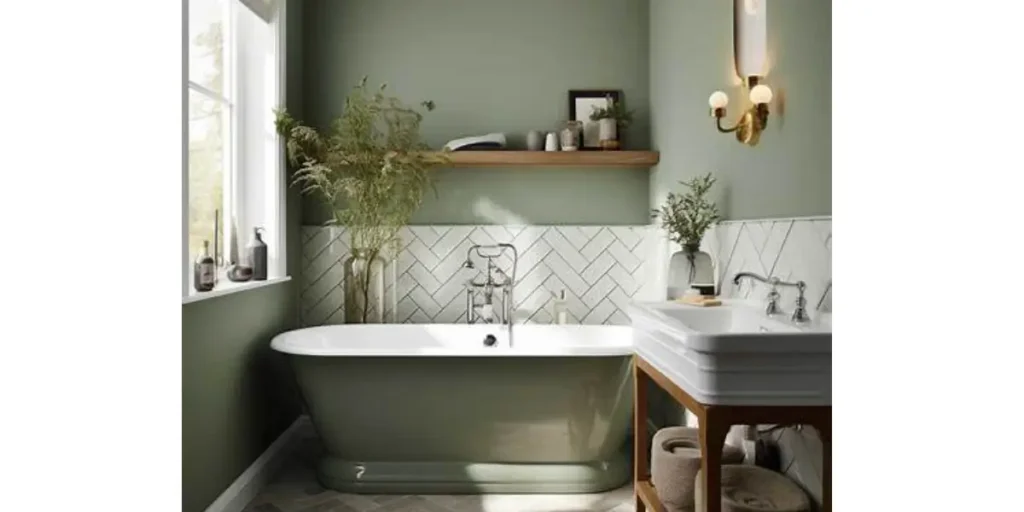
When I want a bathroom to feel calm and grounded, I often turn to sage green. This color brings a subtle connection to nature without feeling overpowering or trendy. It instantly softens the space.
I usually pair sage green with white fixtures or light wood accents to keep the look fresh. These combinations prevent the room from feeling too dark or heavy.
Sage green works especially well in bathrooms meant for relaxation. It creates a soothing environment that feels balanced, modern, and easy to live with.
8. Olive Green Bathroom
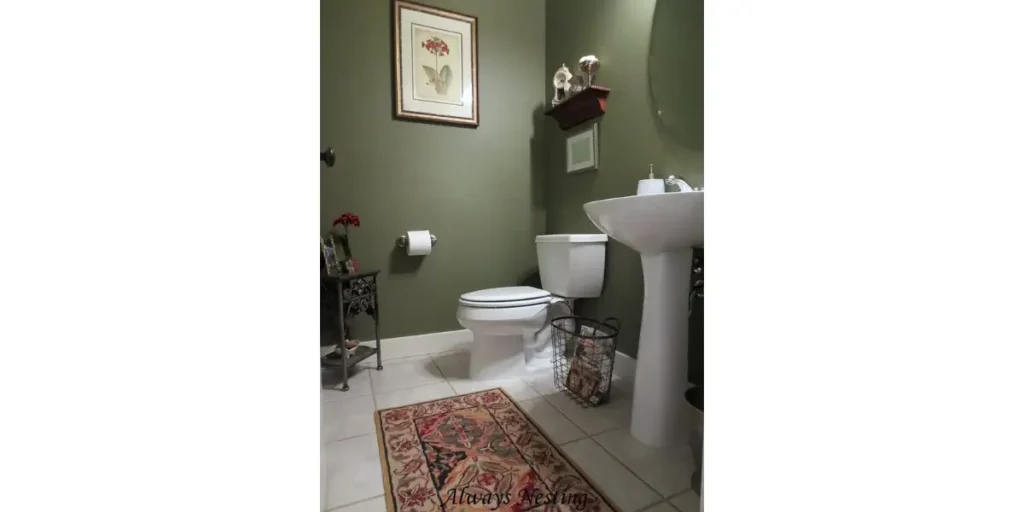
Olive green adds depth and warmth when I want a bathroom to feel rich and natural. Unlike brighter greens, olive feels mature and grounded, which makes it easier to work with long-term.
I like combining olive green walls with brass fixtures or stone textures. These elements enhance the earthy quality of the color without making the space feel dated.
This shade works best in bathrooms with good lighting. When used thoughtfully, olive green creates a cozy, refined atmosphere with strong character.
9. Blush Pink Bathroom
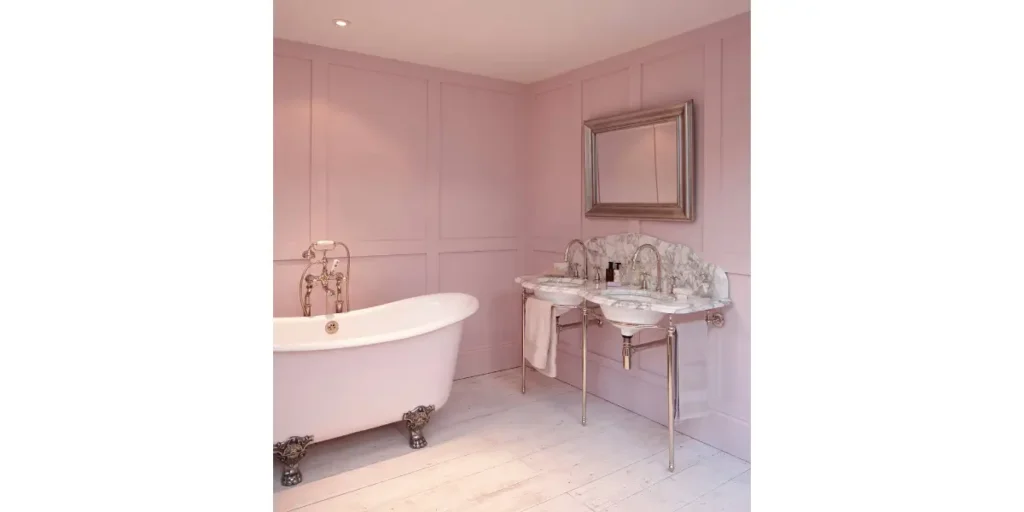
Blush pink is one of my favorite choices for adding softness without losing sophistication. It introduces warmth while still keeping the bathroom light and modern.
I prefer muted pink tones rather than bright shades. These softer hues feel elegant and pair well with gray, white, or metallic finishes.
Blush pink works beautifully in both small and large bathrooms. When balanced correctly, it feels calm and stylish rather than playful or overwhelming.
10. Charcoal Gray Bathroom
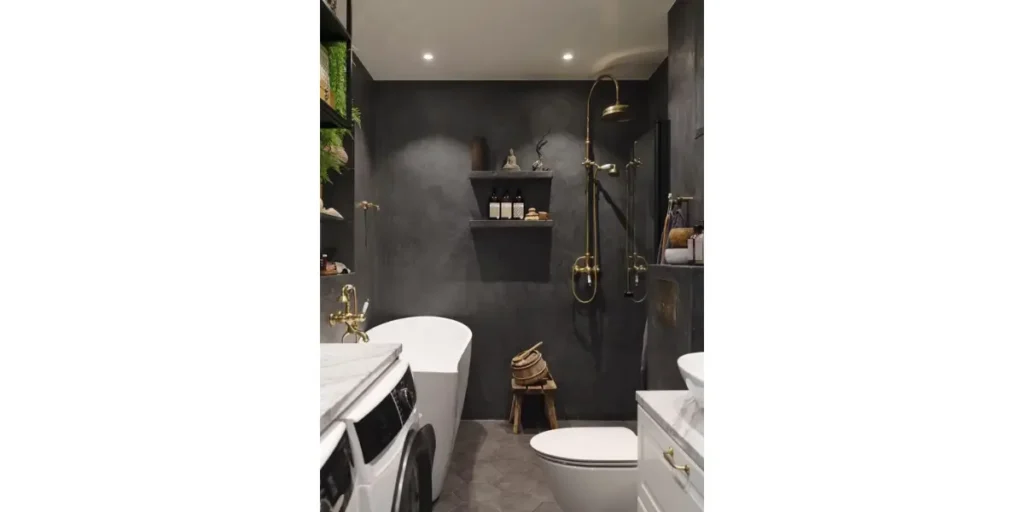
Charcoal gray allows me to create a bold yet controlled bathroom design. This deep neutral adds drama while maintaining a modern, polished look.
I usually offset charcoal walls with lighter flooring or fixtures to keep the space visually balanced. Proper lighting is essential to avoid a closed-in feel.
This color works best in contemporary bathrooms. When designed carefully, charcoal gray delivers a strong sense of luxury and confidence without feeling too dark.
11. Earthy Brown Bathroom
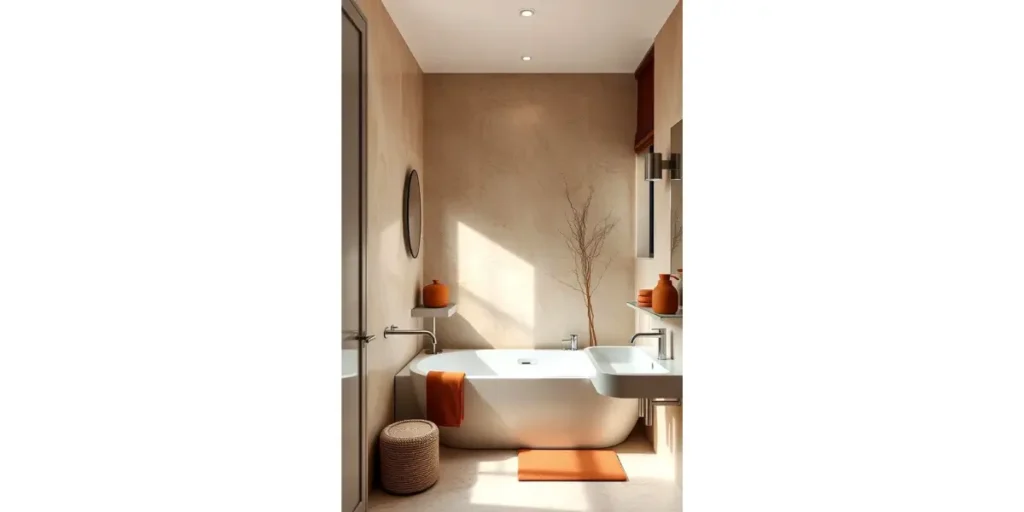
Earthy brown tones help me create bathrooms that feel warm and welcoming. These colors bring a sense of stability and comfort that many homeowners appreciate.
I often combine brown shades with wood textures and soft lighting. This approach enhances the natural feel and keeps the space from looking heavy.
Brown bathrooms work especially well in homes that favor natural materials. They feel timeless, grounded, and ideal for creating a relaxed, cozy atmosphere.
12. Greige Bathroom (Gray + Beige)
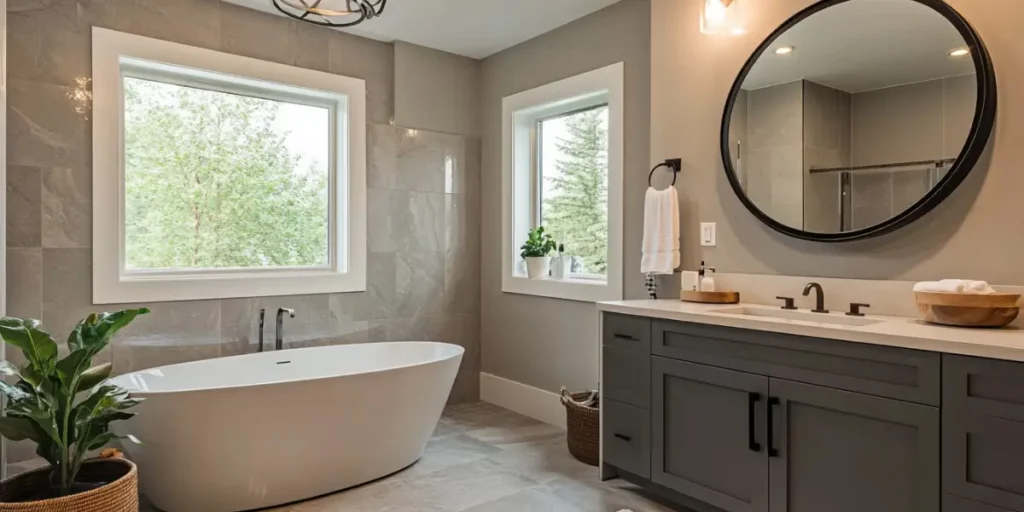
Greige is one of the most versatile bathroom colors I use. It blends the warmth of beige with the modern edge of gray, creating a perfectly balanced neutral.
I like how greige adapts to different lighting conditions. It never feels too cold or too warm, which makes it easy to live with.
This color works well in almost any bathroom style. It provides flexibility for future updates while maintaining a clean, timeless appearance.
13. All-Black Bathroom
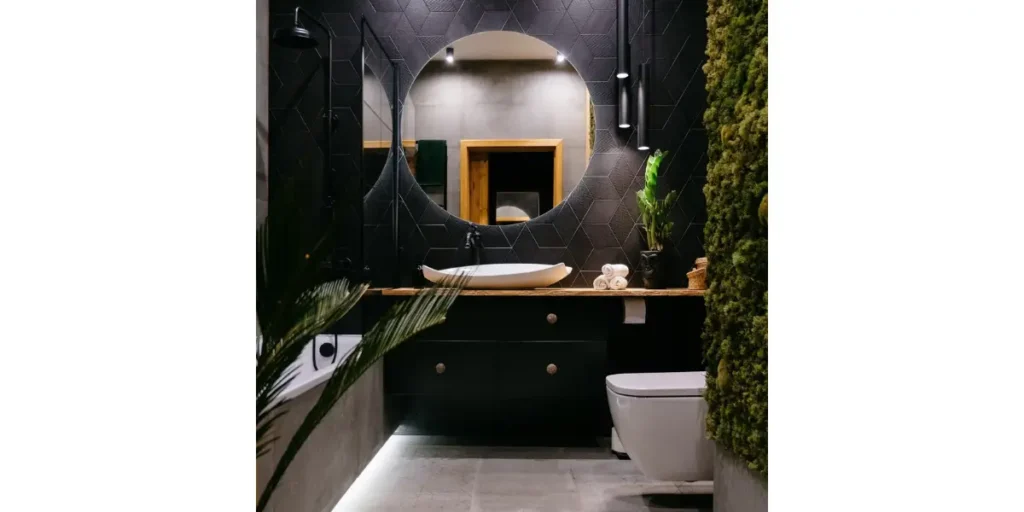
When I design an all-black bathroom, I focus on confidence and control. Black creates a bold, high-end look that immediately feels dramatic and modern. It works best when the layout stays clean and intentional.
I rely heavily on lighting, texture, and finishes to prevent the space from feeling flat. Matte black surfaces paired with subtle gloss or stone textures add depth and interest.
This color choice suits statement bathrooms rather than busy family spaces. When done right, an all-black bathroom feels luxurious, striking, and unmistakably refined.
14. White and Wood Bathroom
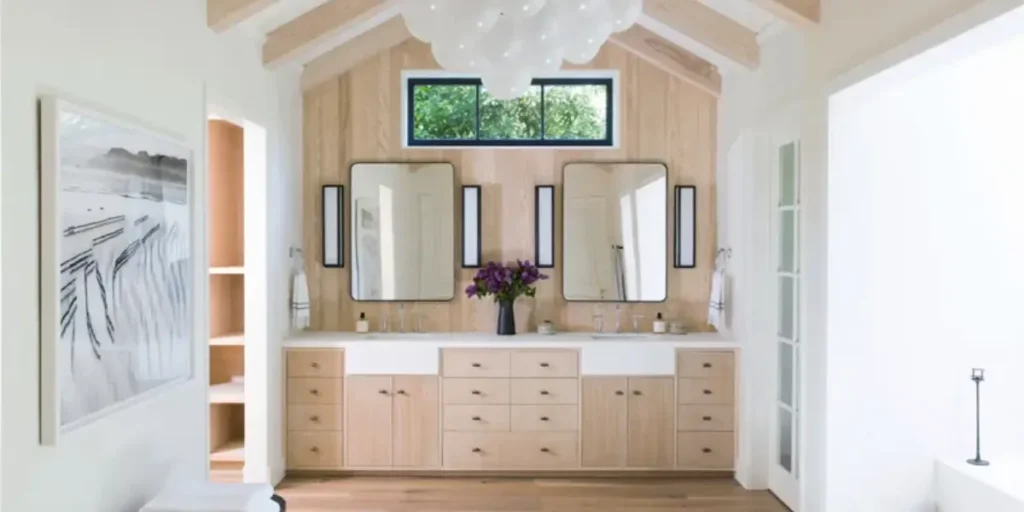
White and wood is one of the most balanced bathroom color combinations I use. White keeps the space bright and clean, while wood introduces warmth and natural texture.
I often use this palette in Scandinavian or modern homes where simplicity matters. Light wood tones prevent the bathroom from feeling cold or clinical.
This combination works beautifully in both small and large bathrooms. It feels timeless, welcoming, and easy to maintain, making it ideal for everyday use without sacrificing style.
15. Soft Pastel Bathroom
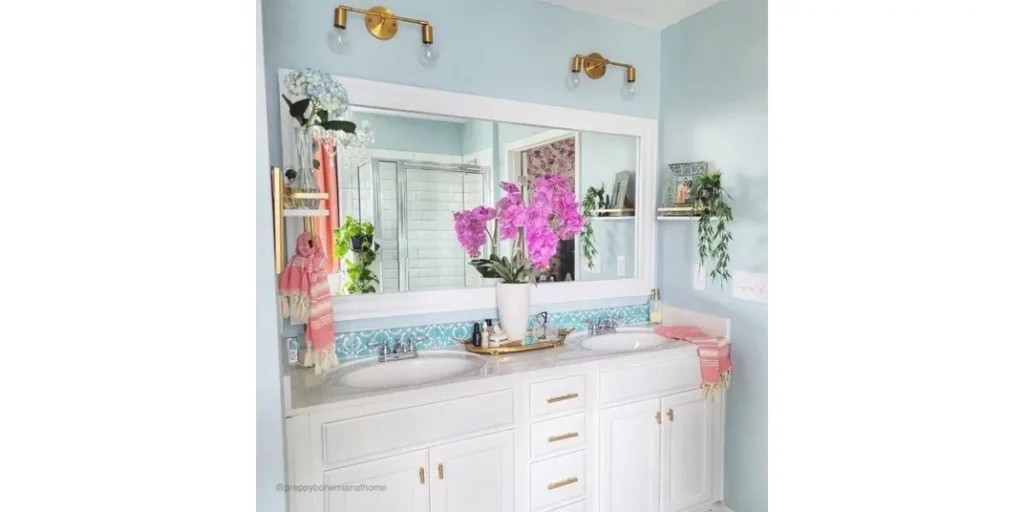
Soft pastel colors allow me to introduce personality without overwhelming the bathroom. Shades like pale mint, lavender, or powder blue add gentle color while keeping the space light.
I always choose muted pastels rather than bright tones. These softer versions feel mature and blend well with white or neutral fixtures.
Pastel bathrooms work especially well in small or low-light spaces. They brighten the room subtly and create a cheerful, relaxed atmosphere that still feels refined and modern.
How to Choose the Right Bathroom Color for Your Space
When I help someone select a bathroom color, I always look beyond trends and focus on how the space actually functions. Lighting, room size, and daily usage play a major role in how a color will appear over time.
A shade that looks perfect in a showroom may feel completely different at home. I also consider how long the homeowner plans to keep the design.
The right bathroom color should feel comfortable every day, adapt well to lighting changes, and remain visually pleasing for years without constant updates.
FAQs
Light colors such as white, soft gray, and light pastels reflect more light, making small bathrooms feel open and airy. I often pair these shades with mirrors and glass elements to enhance the effect. This approach reduces visual clutter and improves overall brightness.
Dark colors can show water spots and dust more easily, but good finishes make a big difference. I recommend matte or textured surfaces to reduce visible marks. With proper lighting and regular cleaning, dark bathrooms can stay stylish and manageable.
Soft blues, sage greens, and warm neutrals create the most calming environments. These colors reduce visual stress and support relaxation. I often use them in bathrooms designed for unwinding rather than quick use.
Yes, mixing colors works well when done with balance. I usually suggest one dominant color supported by one or two accent shades. This keeps the design cohesive while still adding visual interest.
Most bathroom colors can last many years if chosen thoughtfully. Neutral and nature-inspired tones age particularly well. I only recommend updates when functionality or personal preferences change, not just to follow trends.
Related Post
- Top 12 Smart Bathroom Ideas
- Top 10 Bathroom Countertop Ideas
- 5 Door Window Treatment Ideas
- 6 Trending Door Partition Ideas
- 6 Modern Door Handle Ideas
- 6 Doors with Glass Ideas
Conclusion
Bathroom color selection is not just about visual appeal, it directly shapes how the space feels and performs over time. From my experience, the most successful bathrooms are those where color choices support lighting, space, and daily routines rather than overpower them.
Whether you prefer light, airy tones or deeper, more expressive shades, the key lies in thoughtful balance and long-term comfort. Trends may change, but a well-chosen color palette continues to feel relevant and enjoyable for years.
By understanding how different colors behave in real spaces, you can create a bathroom that feels cohesive, calming, and truly personal rather than simply decorative.