
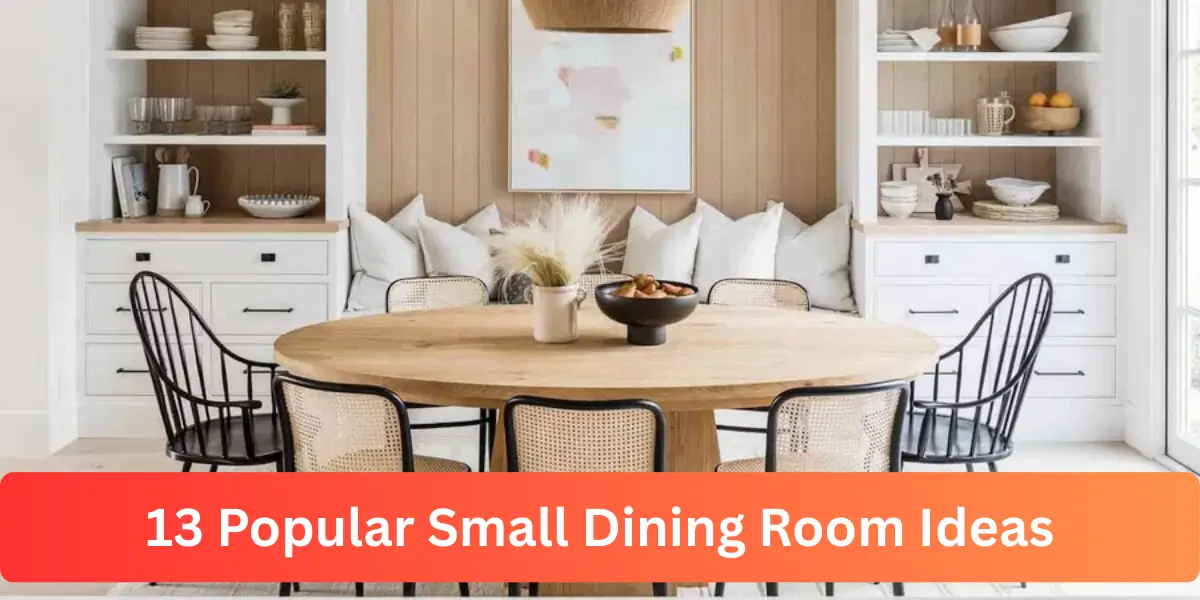

Small dining room ideas often begin with compromise, but I see them as an opportunity for smarter design. Limited square footage forces clarity, and when every piece has a purpose, the space naturally feels more intentional.
I have worked with compact layouts where thoughtful furniture selection and visual tricks completely transformed the room. Instead of overcrowding, I focus on proportion, light, and flow.
With the right approach, even the most compact dining area can feel open, functional, and surprisingly stylish without sacrificing comfort.
Why Smart Planning Matters in a Small Dining Room
A small dining room demands precision. I never approach compact spaces casually because every inch affects comfort and flow. Proper planning ensures the table, seating, and circulation areas work together rather than compete for space.
When I design for limited square footage, I prioritize proportion and functionality first. Visual openness, light reflection, and flexible furniture choices make a measurable difference. With thoughtful planning, even a modest layout can feel balanced and inviting.
1. Round Pedestal Dining Table
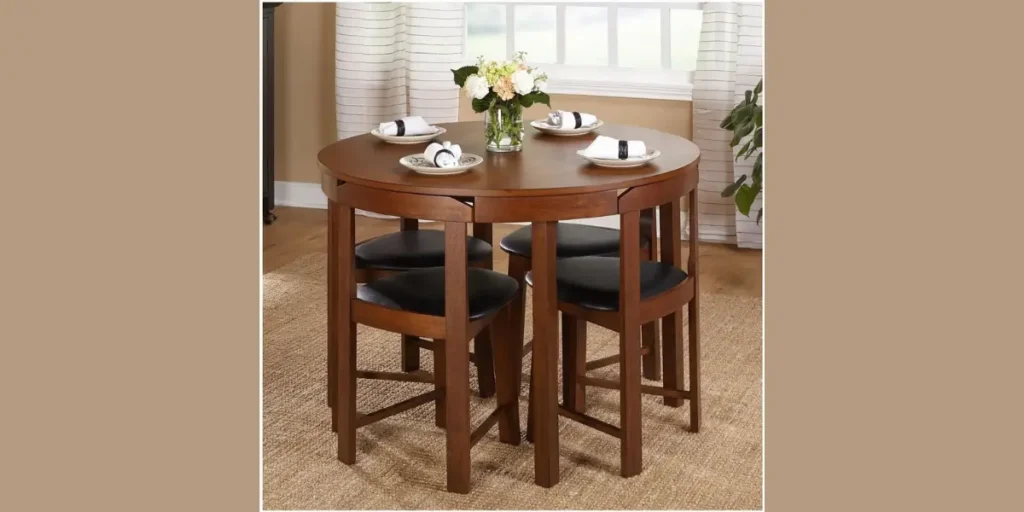
A round pedestal table improves movement in tight layouts. I prefer pedestal bases because they eliminate bulky corner legs and free up floor space. The circular shape softens the room and encourages smoother traffic flow.
In compact areas, sharp table edges often interrupt circulation. A round form prevents that issue while maintaining seating capacity. I also find it creates a more intimate dining experience.
When scaled properly, this table style anchors the room without overwhelming it. It keeps the layout functional while preserving visual openness.
2. Built In Bench Seating
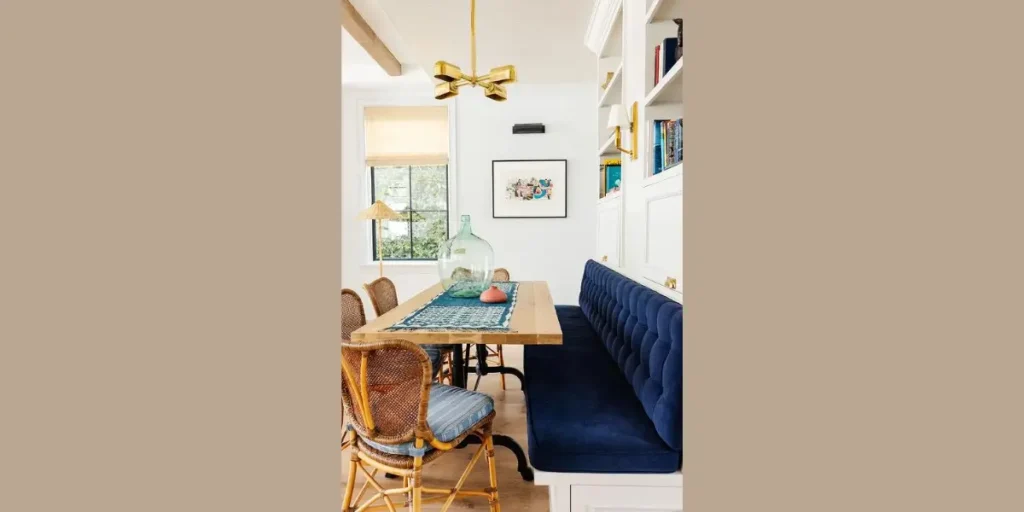
Built in bench seating maximizes available wall space efficiently. I often design corner benches to eliminate the need for extra chairs. This approach increases seating while reducing clutter.
Benches can also include hidden storage beneath the seat. I use this feature to store linens or seasonal items, keeping the dining room organized.
By aligning the bench with the wall, the layout feels structured and compact. It creates a cozy dining nook without sacrificing practicality.
3. Wall Mounted Drop Leaf Table
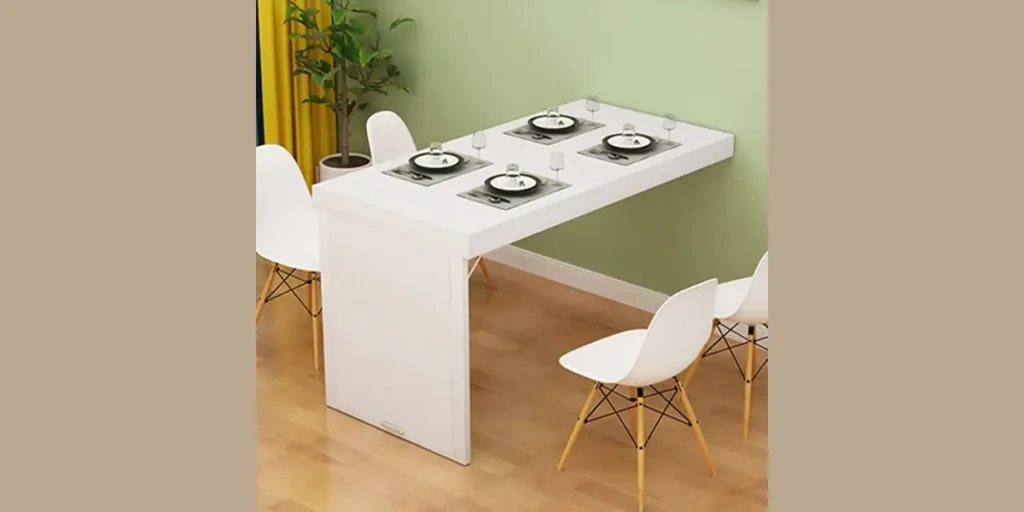
A wall mounted drop leaf table offers flexibility in tight areas. I recommend this solution when space must adapt to daily needs. The table folds down when not in use, freeing valuable floor space.
When extended, it provides adequate surface area for meals. Its compact design keeps the room open and uncluttered.
This idea works especially well in apartments or multifunctional rooms. It allows the dining space to expand and contract as needed.
4. Light Neutral Color Palette
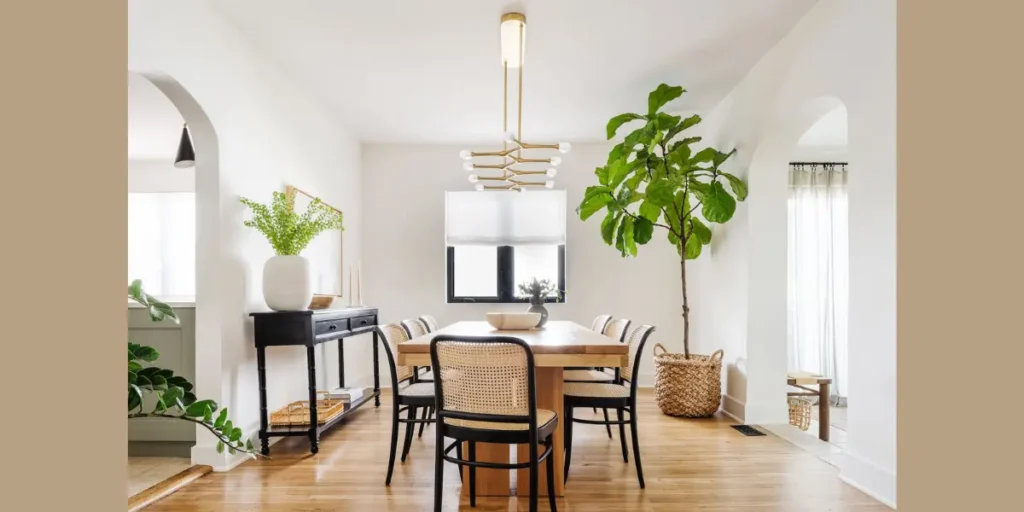
Light neutral colors expand a small dining room visually. I often use soft white, beige, or pale gray to reflect natural light. These tones create a brighter and more open atmosphere.
Darker shades can make compact rooms feel confined. By keeping walls light, I enhance depth and visual continuity.
Layering subtle textures within the neutral palette prevents flatness. The result feels airy yet thoughtfully designed.
5. Slim Profile Dining Chairs
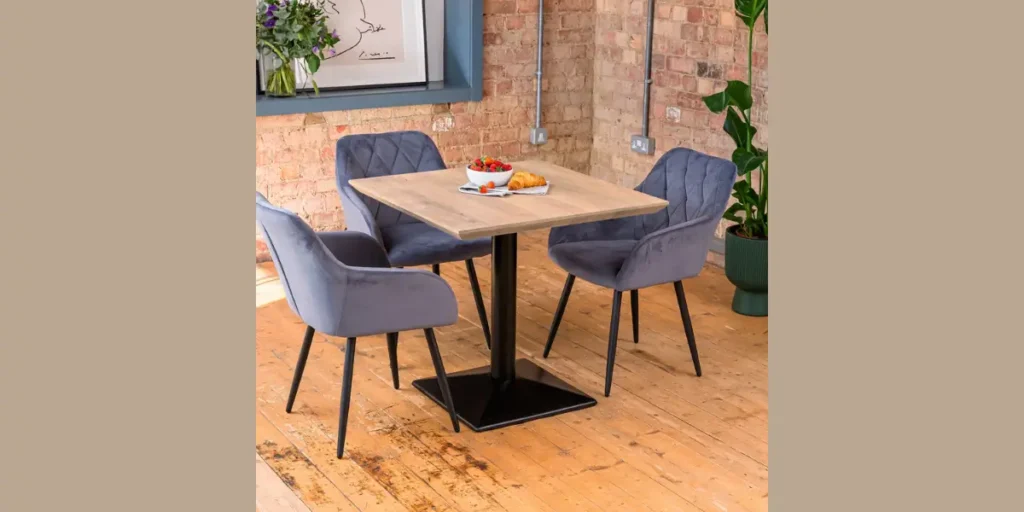
Slim profile chairs maintain openness in compact spaces. I choose seating with narrow frames and open backs to reduce visual bulk. This keeps the dining area feeling breathable.
Bulky chairs can dominate a small layout. Streamlined silhouettes allow better movement around the table.
When proportioned correctly, slim chairs provide comfort without compromising space. They reinforce clarity and function within the design.
6. Mirror Accent Wall
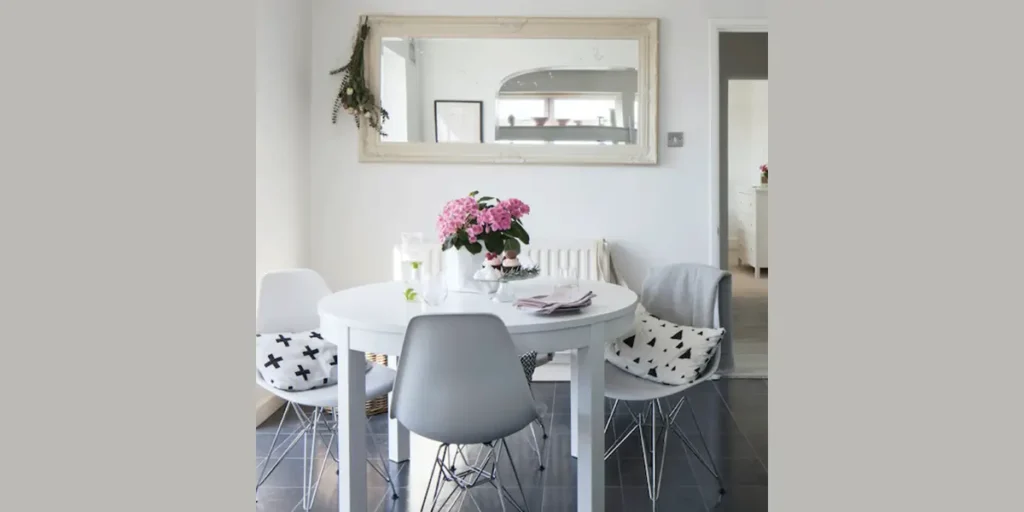
A mirror accent wall doubles the perception of space instantly. I strategically place a large mirror opposite a window to reflect light. This simple addition brightens the entire room.
Mirrors also create depth by visually extending the walls. In narrow dining areas, this effect proves especially effective.
To maintain sophistication, I select minimal frames. Clean edges ensure the mirror enhances rather than distracts from the design.
7. Vertical Storage Solutions
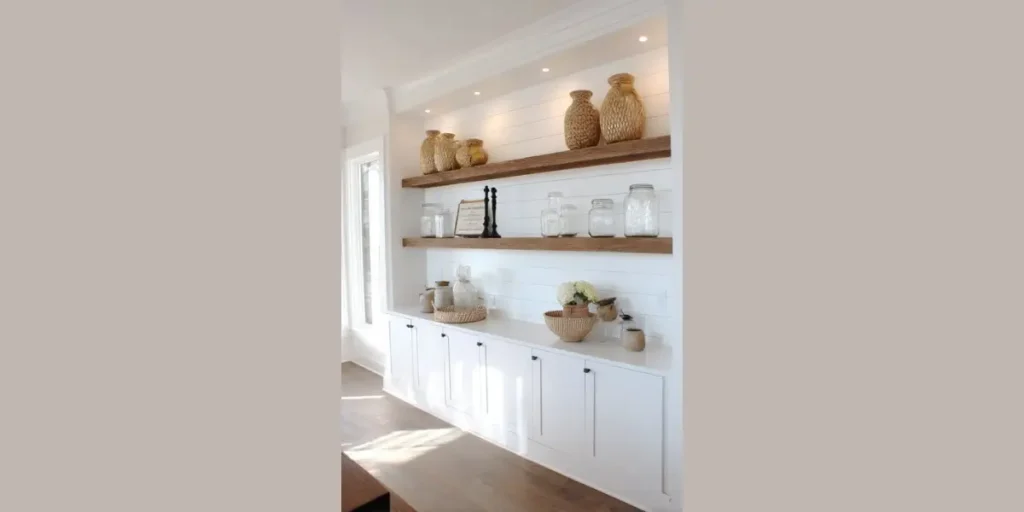
Vertical storage uses wall height efficiently. I install floating shelves or tall cabinetry to free floor space. This strategy keeps essential items accessible without crowding the room.
By drawing the eye upward, vertical elements make ceilings appear taller. This subtle trick enhances perceived spaciousness.
Organized storage prevents clutter from accumulating on surfaces. A tidy layout always feels larger and more comfortable.
8. Glass Dining Table
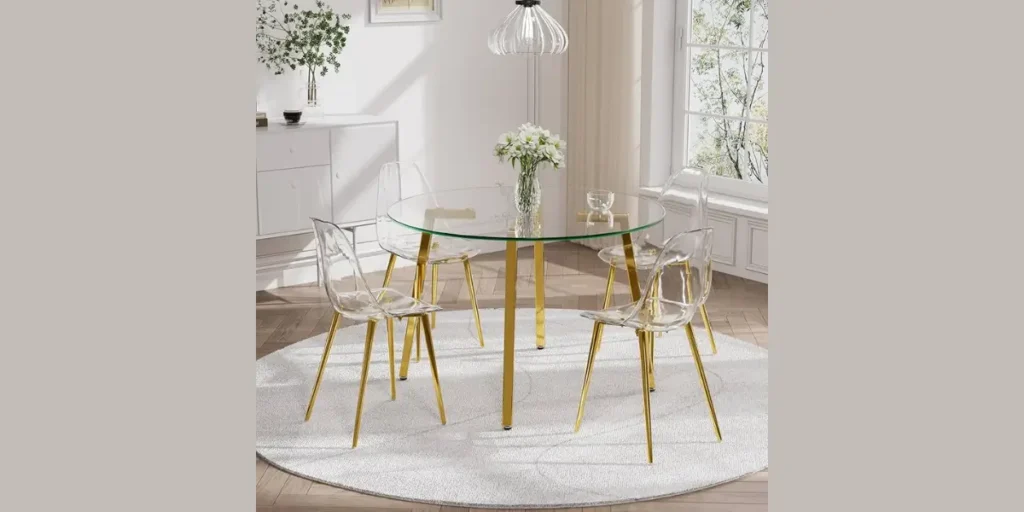
A glass dining table creates transparency within a compact space. I use glass surfaces to allow light to pass through, reducing visual weight. This keeps the layout feeling open.
Unlike solid wood tables, glass does not block sight lines. It maintains clarity and depth within the room.
Paired with slim chairs, a glass table reinforces modern simplicity. It maximizes function while preserving a light and spacious aesthetic.
9. Multi Functional Furniture
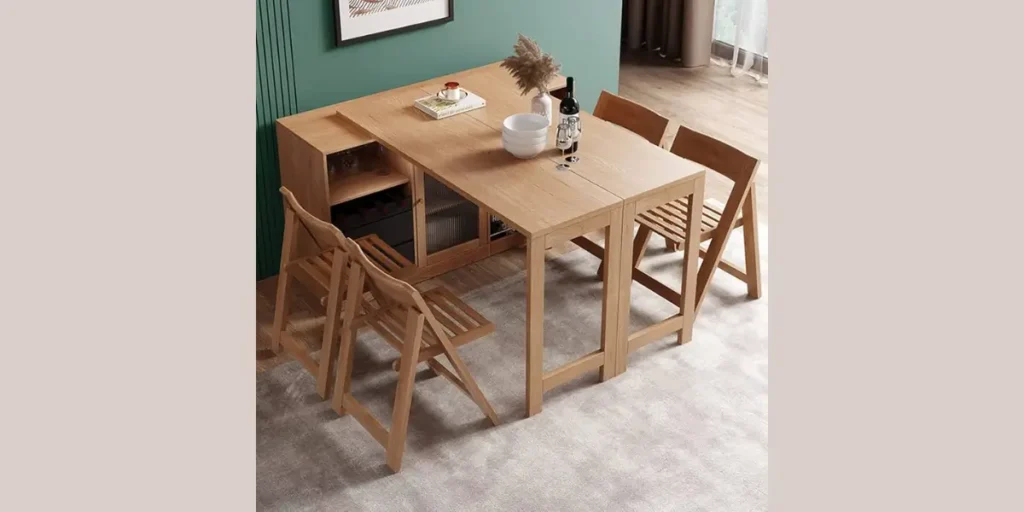
Multi functional furniture transforms how a small dining room operates. I often choose extendable tables that remain compact daily but expand when guests arrive. This flexibility allows the space to adapt without permanent bulk.
Storage benches, nesting stools, or console tables that convert into dining surfaces also work effectively. Each piece serves more than one purpose, reducing the need for extra furniture.
When every item contributes function, the room feels efficient rather than crowded. Smart furniture choices create a layout that supports daily life while preserving visual openness.
10. Statement Lighting Fixture
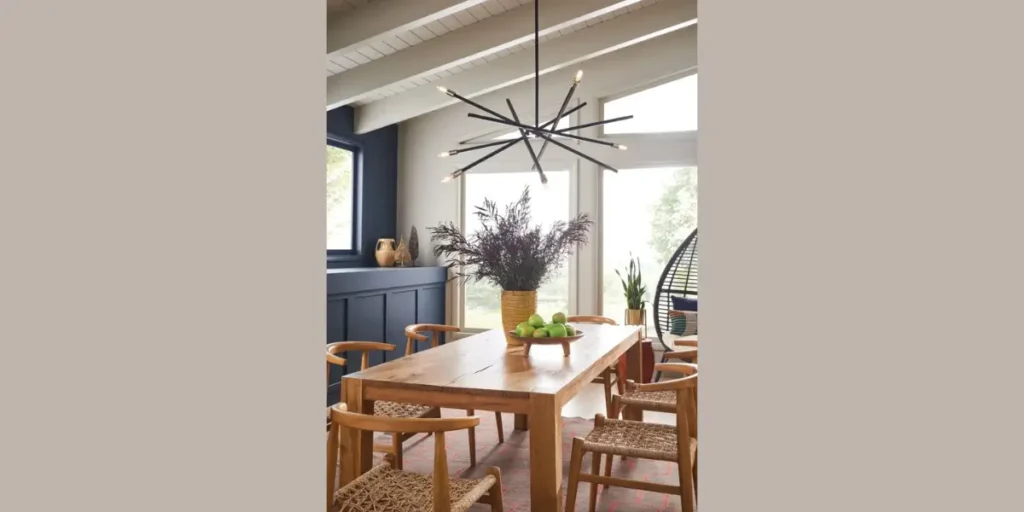
A statement lighting fixture draws the eye upward and adds character without consuming floor space. I select a single bold pendant or sculptural chandelier to define the dining zone.
Proper scale is essential in smaller rooms. I avoid oversized fixtures and instead choose designs that complement the table size. Balanced lighting enhances proportion.
Warm illumination softens the space and creates depth. When positioned thoughtfully, lighting becomes both a visual anchor and a functional enhancement.
11. Two Tone Wall Design
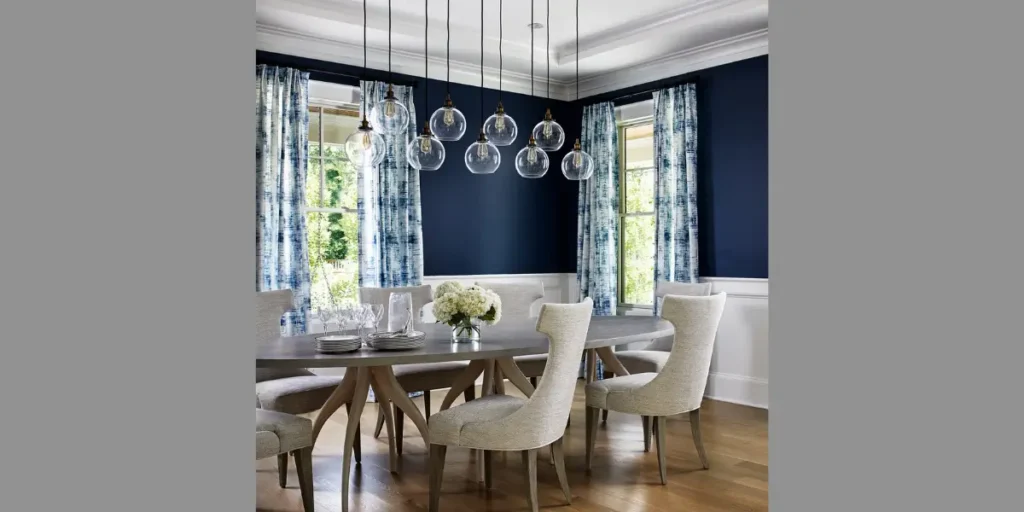
A two tone wall design introduces depth without overwhelming a compact space. I often apply a slightly darker shade on the lower portion of the wall and keep the upper half light.
This technique creates visual structure and elongates the walls. The lighter upper section reflects light and prevents heaviness.
Maintaining similar undertones between both colors ensures harmony. When executed carefully, the room feels layered yet open.
12. Open Concept Integration
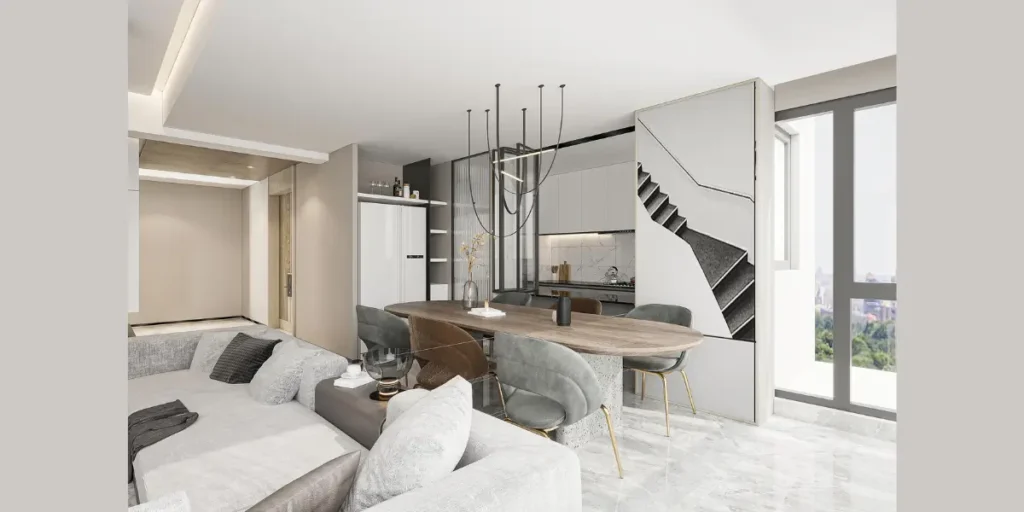
Connecting the dining room with adjacent spaces improves flow significantly. I remove unnecessary partitions to allow visual continuity between the kitchen or living area.
Consistent flooring and cohesive color palettes strengthen this connection. The absence of barriers creates a sense of expansion.
By defining the dining zone with lighting or rugs rather than walls, I maintain openness while preserving functionality. This approach makes compact homes feel larger.
13. Minimal Decor Approach
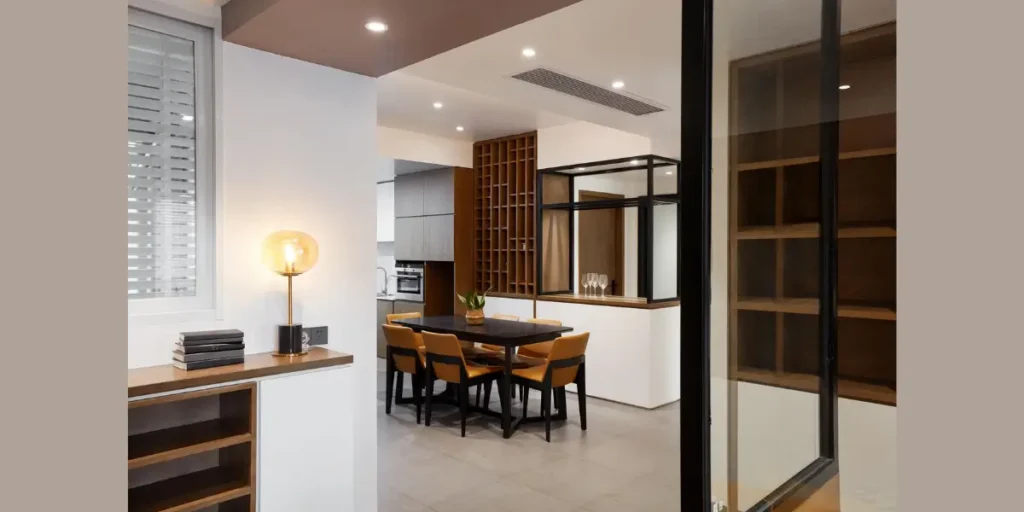
A minimal décor approach prevents clutter from dominating a small dining room. I limit accessories to a few meaningful pieces, such as a centerpiece or framed artwork.
Too many decorative objects can shrink the perception of space. Clean surfaces and intentional styling enhance clarity.
When décor remains purposeful and restrained, the dining area feels calm and spacious. Simplicity allows architectural elements and furniture to stand out naturally.
How to Make a Small Dining Room Feel Larger
Making a small dining room feel larger requires more than just choosing compact furniture.
I focus on visual flow, light distribution, and proportion to create a sense of openness. Even subtle design adjustments can significantly improve how spacious the room feels.
Instead of filling every corner, I allow breathing room between elements. When layout, color, and lighting align thoughtfully, the space feels balanced rather than restricted.
Use Mirrors Strategically
Mirrors expand visual depth instantly. I position them opposite windows or light sources to reflect brightness throughout the room. This technique enhances natural light and creates the illusion of extended space.
Keep Flooring Consistent
Consistent flooring across adjoining areas improves continuity. I avoid abrupt transitions that visually break the space. When surfaces flow seamlessly, the dining area appears larger and more connected.
Choose Furniture With Exposed Legs
Furniture with visible legs allows light to pass underneath, which reduces visual heaviness. I prefer open base tables and slim chairs to maintain airflow and openness.
Avoid Oversized Décor
Large decorative pieces can overwhelm compact rooms. I select appropriately scaled artwork and accessories to preserve balance. Proportion plays a crucial role in maintaining spaciousness.
Maximize Natural Light
Natural light remains one of the most effective ways to enlarge a room visually. I keep window treatments minimal and avoid blocking light sources. A brighter room always feels more expansive.
FAQs
Round and oval tables often work best because they improve circulation and eliminate sharp corners. I find pedestal bases especially effective in tight layouts since they reduce visual bulk. Choosing the right scale ensures the table fits comfortably without overcrowding the space.
Built in benches or extendable tables provide additional seating without permanently occupying space. I also recommend slim profile chairs that tuck neatly under the table. Flexible solutions allow the room to adapt when needed.
Yes, rugs can define the dining zone and add warmth. I choose appropriately sized rugs that extend beyond the chairs to maintain proportion. Subtle patterns help ground the space without creating visual clutter.
A single well proportioned pendant light works effectively. I avoid oversized fixtures that dominate the room. Layered lighting with warm tones enhances depth without overwhelming the space.
Conclusion
Designing a small dining room challenges you to think smarter, not bigger. I always remind myself that limited space forces clarity in design decisions.
When every piece serves a purpose and proportion guides placement, the room begins to feel intentional rather than restricted. Light colors, flexible furniture, and thoughtful layout choices can dramatically shift how spacious the area feels.
A compact dining room does not need excessive décor to stand out. With balanced lighting, controlled styling, and strategic storage, even the smallest layout can feel refined and comfortable.
Smart planning transforms constraints into opportunities for creative, functional design.