
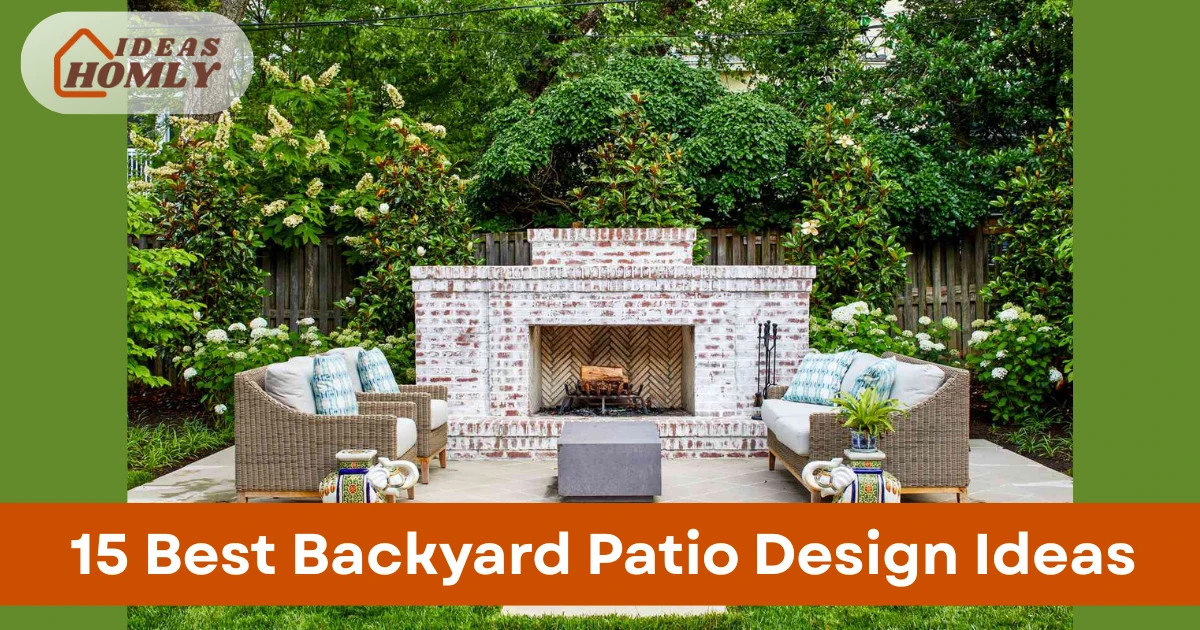

I know you want a backyard that looks better than your neighbor’s overgrown jungle of weeds. Let’s look at some practical ways to build a patio that actually serves a purpose.
Strategic Planning for Outdoor Spaces
Building a patio requires more than just throwing some stones on the ground and hoping for the best. You need to think about how you will actually move around the space when you have a plate of food in your hand.
Materials matter because nobody wants to spend their entire weekend scrubbing moss off expensive Italian marble. I suggest choosing surfaces that can handle a spilled drink or a rogue charcoal ember without a permanent stain.
A good layout balances your desire for a giant grill with the reality of how much square footage you actually own. You should map out where the sun hits at noon so you don’t accidentally turn your seating area into a human toaster.
Privacy is the final piece of the puzzle unless you really enjoy making eye contact with the person living next door. Simple additions like tall plants or wooden screens can keep your outdoor business private while adding a nice visual layer.
1. Natural Flagstone Seating Areas
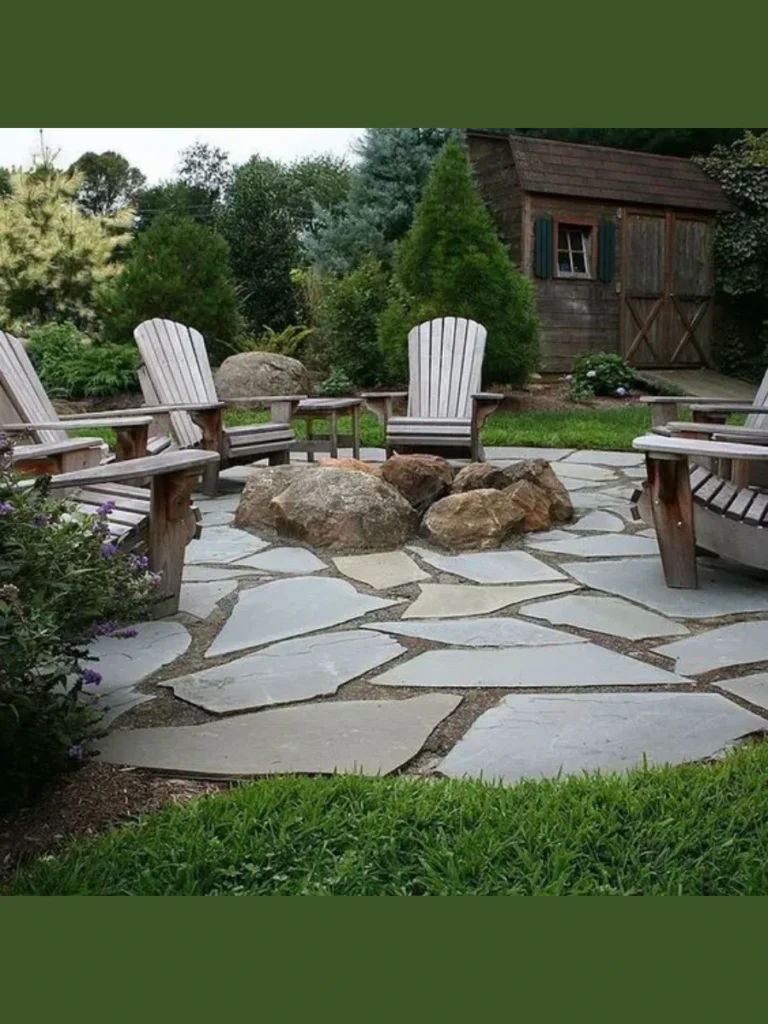
I think flagstone is the best choice if you want a look that says you are fancy but also appreciate nature. These stones have irregular shapes, which means you don’t have to worry about every single line being perfectly straight.

Building Outdoor Kitchens for Every Budget, 2nd Edition: DIY Instructions and Over 300 Photos for Attractive and Functional Kitchens No Matter Your Budget (Creative Homeowner)
Building Outdoor Kitchens for Every Budget, 2nd Edition: DIY Instructions and Over 300 Photos for…
Installation is basically a giant puzzle for adults where the pieces weigh fifty pounds each and don’t come with instructions. You will need a solid base of sand and gravel to ensure the stones stay flat instead of turning into a trip hazard.
The gaps between the stones are perfect for growing small herbs or moss to soften the overall look of the patio. This adds a nice scent to the air and helps the patio blend into the rest of your garden naturally.

Yardbliss Large Galvanized Raised Garden Bed Outdoor with Legs, Load Capacity 1200LB, 48x26x30in Raised Garden Bed, for Backyard/Patio/Balcony/Gardening/Vegetables Flowers, Black
Yardbliss Large Galvanized Raised Garden Bed Outdoor with Legs, Load Capacity 1200LB, 48x26x30in Raised Garden…
You should choose stones that match the local geology so your backyard doesn’t look like a random shipment from a different planet. Local stone is usually more affordable and handles the specific weather patterns of your region much better than imported options.
2. Modern Polished Concrete Patios
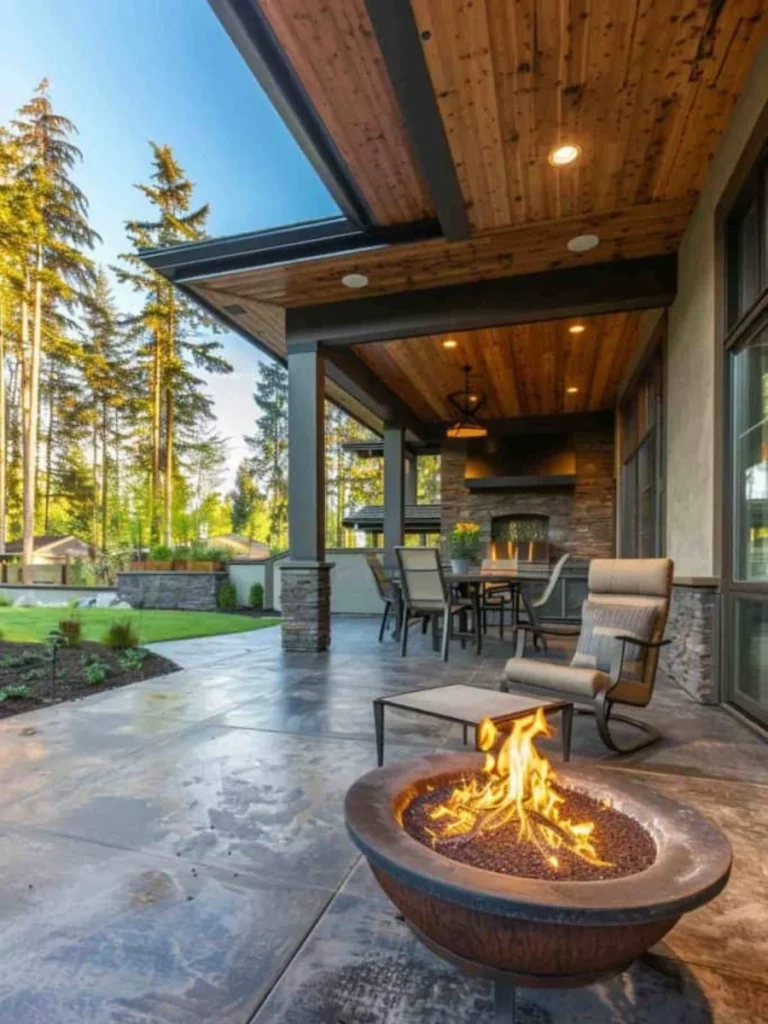
Concrete is the way to go if you prefer a clean look that doesn’t involve pulling weeds out of cracks every Saturday. It provides a smooth surface that makes moving your heavy patio furniture around much easier for your lower back.
I find that adding a slight tint to the mix prevents the patio from looking like a sidewalk in front of a grocery store. You can even score the surface with lines to mimic the look of expensive, large-scale tiles for a fraction of the cost.
Maintenance is almost non-existent as long as you apply a high-quality sealer every few years to prevent water from soaking in. A quick spray with a garden hose is usually all it takes to keep this surface looking brand new and professional.
This material works best for those who want a minimalist vibe that allows their plants and furniture to be the main stars. It is a very durable option that can withstand heavy foot traffic and the occasional dropped cast-iron skillet during a barbecue.
3. Classic Red Brick Herringbone Patterns
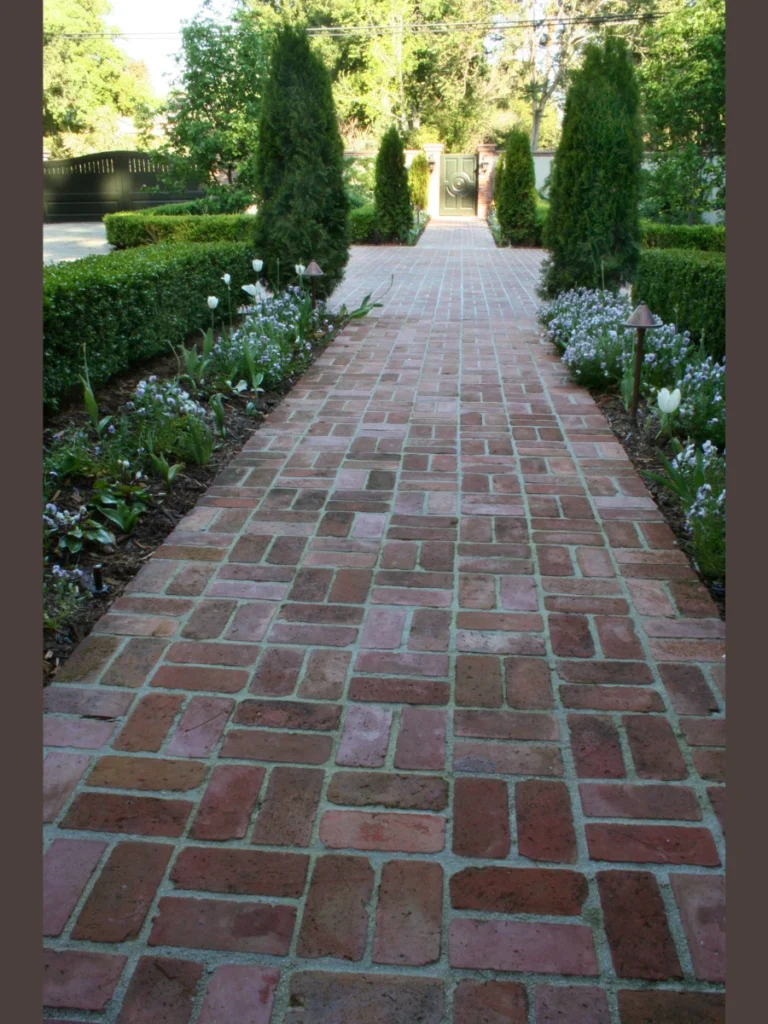
Red bricks offer a timeless feel that makes your backyard look like it has been there for a hundred successful summers. The herringbone pattern is particularly strong because the interlocking bricks prevent the surface from shifting under the weight of your grill.
I suggest using reclaimed bricks if you can find them to give your patio some instant character and a bit of history. Older bricks have unique textures and color variations that modern factory versions simply cannot replicate, no matter how hard they try.

Breezestival 8x6 FT Outdoor Storage Shed with Floor & Lockable Double Doors, Heavy-Duty Galvanized Steel Outdoor Metal Shed for Bike, Tool, Generator Storage in Backyard, Patio (8’x6’, Floor)
Breezestival 8x6 FT Outdoor Storage Shed with Floor & Lockable Double Doors, Heavy-Duty Galvanized Steel…
You must ensure the edges are held in place with a hidden border so the bricks don’t start wandering off into the grass. A solid edge restraint is the difference between a professional-looking patio and a pile of loose clay squares.
Bricks are very easy to repair because if one cracks, you just pop it out and slide a new one into the hole. This makes it a very practical long-term investment for anyone who doesn’t want to replace their entire patio every decade.
4. Multi-Level Timber Decking
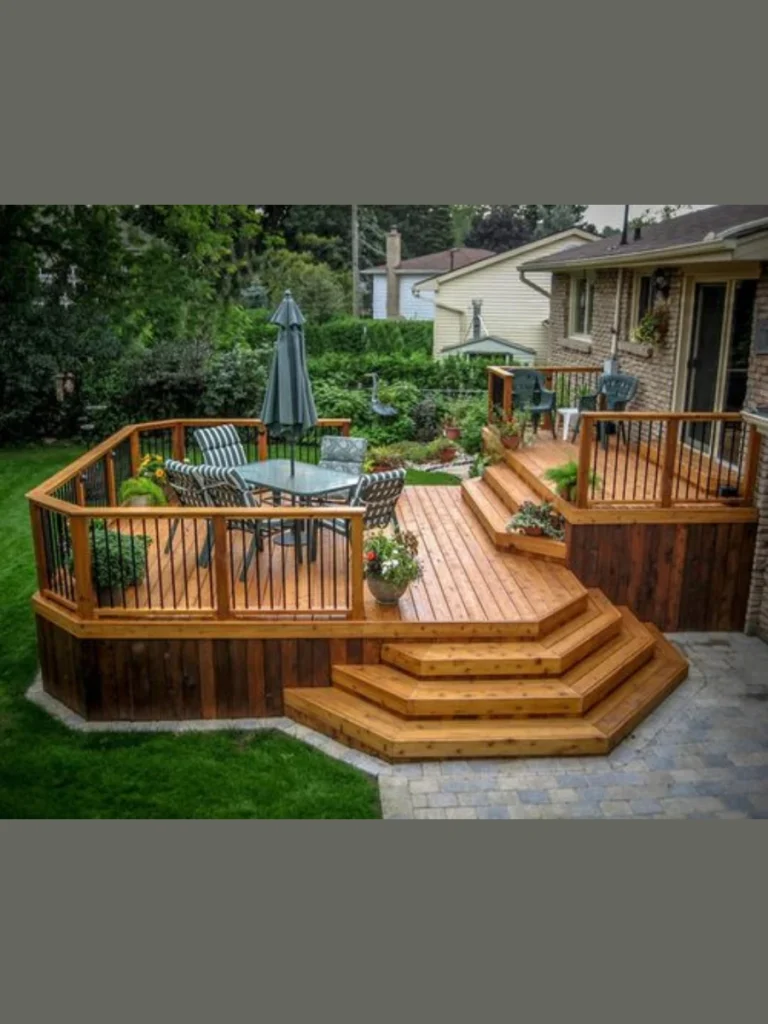
Building different levels is a smart way to separate your dining area from the spot where you plan to nap. Using wood or composite decking allows you to build over uneven ground without spending a fortune on heavy dirt-moving equipment.
I prefer composite materials because they don’t give you splinters, and they never require you to spend a day with a paintbrush. These boards look like real wood, but they are actually made of recycled plastic, which makes them very durable.
Each level should have a clear purpose, so you aren’t just walking up and down stairs for no reason at all. Use the top level for your cooking station and the lower level for a fire pit or a set of lounge chairs.
Integrated lighting in the stairs is a great safety feature that also makes your backyard look like a high-end resort. It helps define the edges of the patio at night so your guests don’t accidentally walk into your prize-winning rose bushes.
5. Circular Pea Gravel Fire Pit Zones
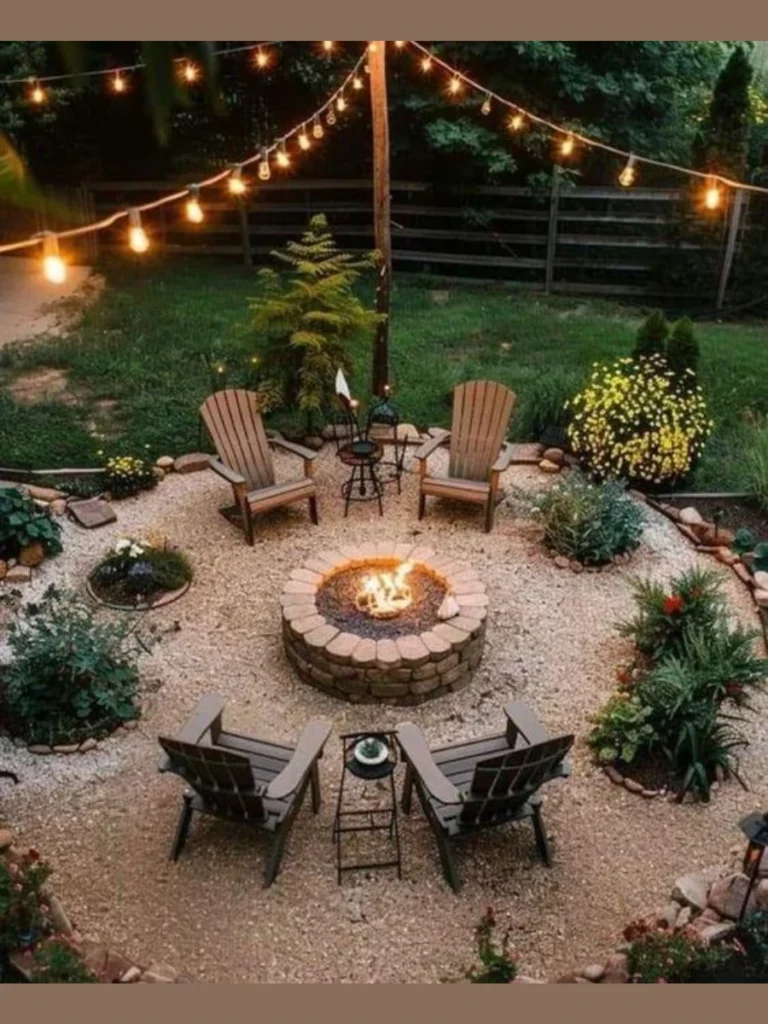
Pea gravel is the most affordable way to create a patio area without needing a degree in engineering or a massive bank loan. It creates a crunching sound when you walk, which is a great way to hear if someone is sneaking up on you.
I think a circular design is best for fire pits because it encourages people to actually sit and talk to each other. You can easily rake the stones back into place if they get moved around by kids or dogs during the day.
You have to use a heavy-duty landscape fabric underneath the gravel or you will eventually be hosting a very rocky weed garden. This fabric allows water to drain away while keeping the stones from sinking into the mud after a heavy rainstorm.

SFMY Patio Wall Decor Backyard Patio Signs And Decor Outdoor Home Bar Sign
SFMY Patio Wall Decor Backyard Patio Signs And Decor Outdoor Home Bar Sign
Bordering the gravel with larger rocks or metal edging is necessary to keep the stones in the patio and out of your lawn mower. It creates a crisp line that makes the DIY project look like you hired a professional team to do it.

Complete Book of Outdoor DIY Projects: The How-To Guide for Building 35 Projects in Stone, Brick, Wood, and Water (Creative Homeowner) Step-by-Step Instructions for Stylish Lawn & Garden Improvements
Complete Book of Outdoor DIY Projects: The How-To Guide for Building 35 Projects in Stone,…
6. Sustainable Permeable Paver Designs
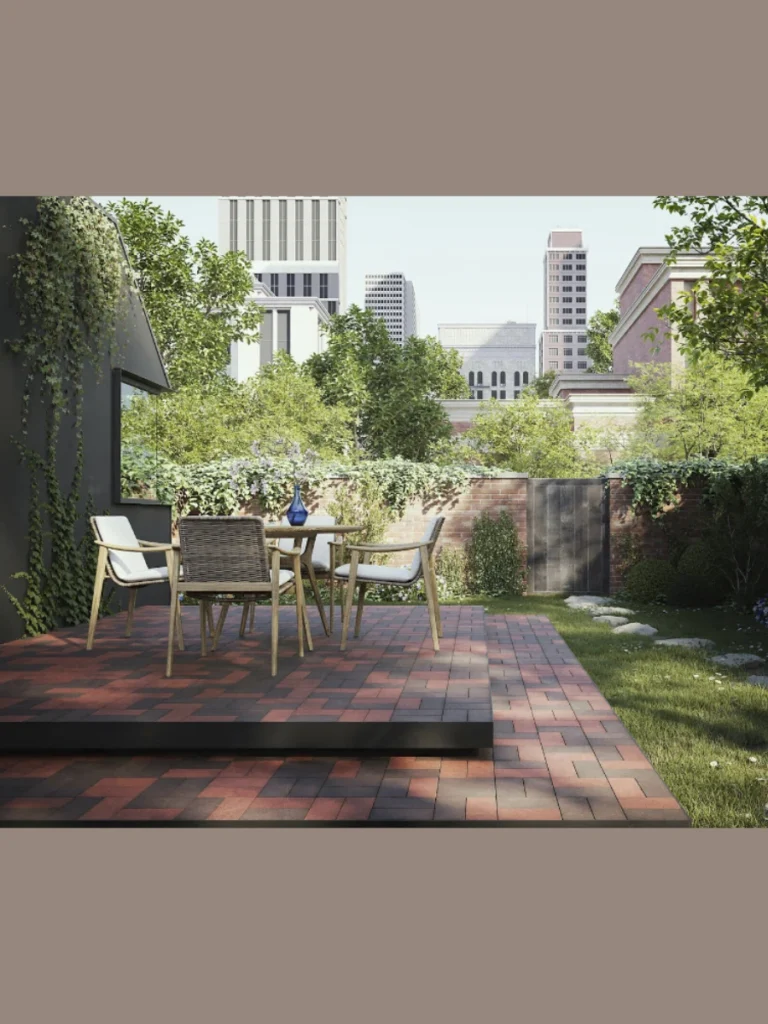
Permeable pavers are great because they let the rain soak into the ground instead of creating a giant lake in your yard. This design uses wider gaps filled with small stones to manage water runoff effectively during the wet seasons.
I recommend this for anyone living in an area with strict drainage rules or for those who just hate standing water. It keeps your patio dry and functional even after a massive downpour, so you can get back outside faster.
The pavers come in many shapes and colors, which allows you to create custom patterns that reflect your personal style. You can mix and match different sizes to create a visual break in the middle of a large outdoor space.
This setup is very stable and can handle the weight of heavy planters or even a hot tub if that is your thing. It requires a deep base of varied stone sizes to work correctly, but the result is a very professional and eco-friendly surface.
7. Mediterranean Style Terra Cotta Patios
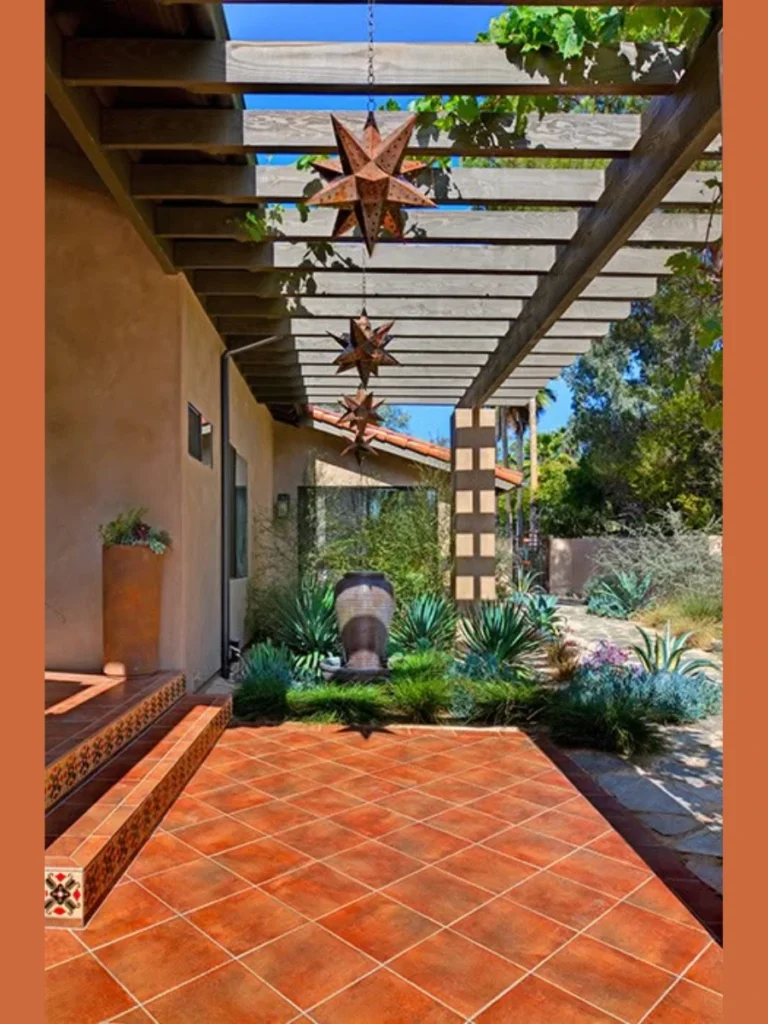
Terra cotta tiles bring a warm and sunny feel to your backyard, even if the weather is actually grey and miserable. These clay tiles offer a rich, earthy tone that makes every outdoor meal feel like a vacation in a coastal European village.
I suggest choosing frost-resistant tiles if you live in a place where the ground actually freezes in the winter months. Regular indoor tiles will shatter like glass the moment the temperature drops, so make sure you buy the outdoor-grade version.
The natural slip resistance of unglazed clay makes this a safe choice for areas near a pool or a busy garden hose. You will appreciate the extra grip when you are carrying a tray of drinks across a wet surface after a summer rain.
You should use a wide grout joint filled with a contrasting color to highlight the geometric shapes of the individual tiles. This creates a bold visual pattern that serves as a beautiful foundation for your heavy wrought iron patio furniture.
8. Japanese Zen Gravel Gardens
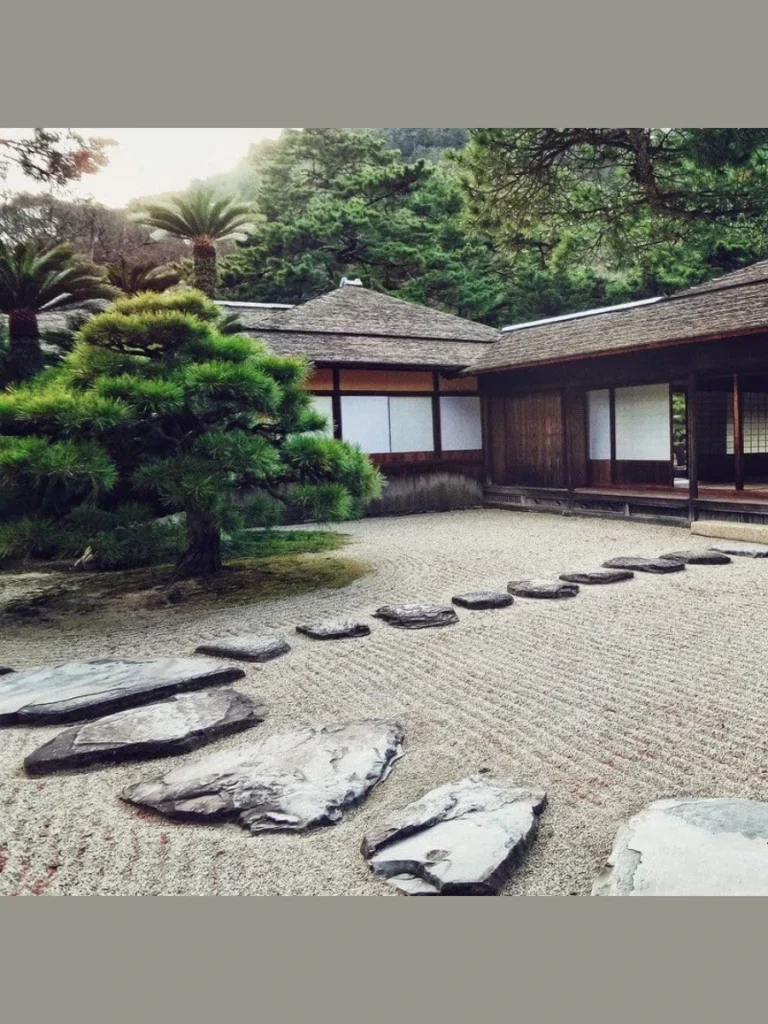
A Zen-style patio uses fine gravel and large accent boulders to create a space that actually forces you to feel calm. This design is perfect for people who want a low-maintenance area that looks like a piece of living art.

Customizable Backyard Patio Metal Sign 8x12 Inch Welcome To The Deck
Customizable Backyard Patio Metal Sign 8x12 Inch Welcome To The Deck
I find that using a wooden rake to create patterns in the gravel is a surprisingly good way to relieve your daily stress. These patterns represent water waves and give the patio a sense of movement without the need for a noisy fountain.
You should place a few large flat stones within the gravel to act as a path so you don’t ruin your patterns. This ensures you can cross the patio to reach your seating area without making a mess of the carefully raked stones.
Bamboo fencing or tall grasses work best as a backdrop for this type of design to block out the rest of the world. It creates a quiet sanctuary where you can sit with a book and pretend your phone doesn’t exist for an hour.
9. Modern Floating Porcelain Pavers
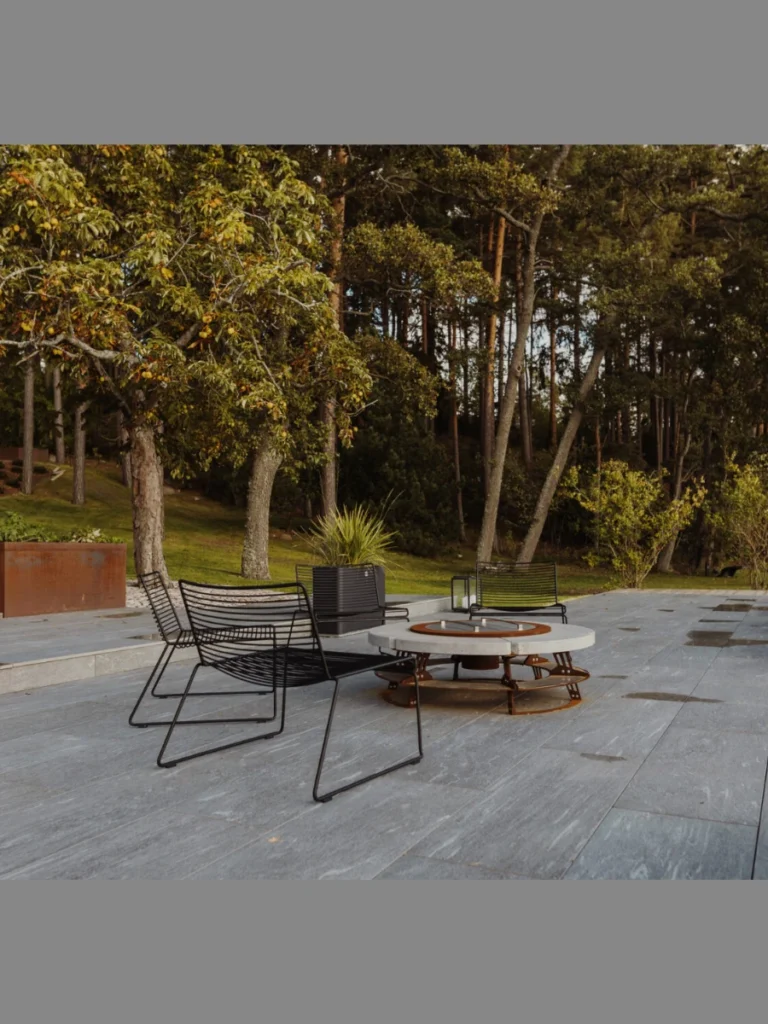
Porcelain pavers are the latest trend for people who want their backyard to look as clean as their high-end kitchen. These tiles are incredibly thin but strong enough to support a car, which makes them perfect for a sleek patio.
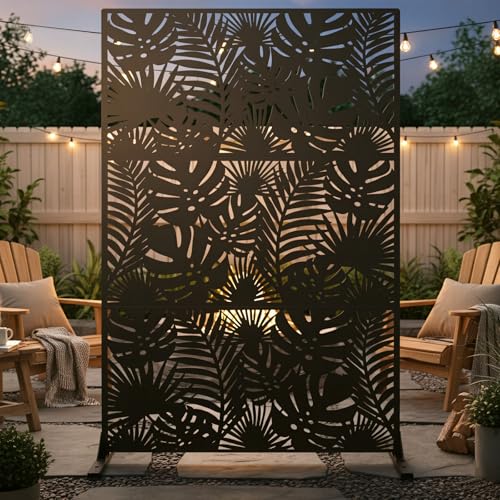
Metal Privacy Screen Outdoor – 72in Decorative Laser Cut Steel Garden Divider Panel with Tropical Leaf Design, Weatherproof Freestanding Modern Privacy Fence for Patio, Deck, Backyard & Balcony
Metal Privacy Screen Outdoor – 72in Decorative Laser Cut Steel Garden Divider Panel with Tropical…
I love these because they are completely non-porous, so they will never soak up grease from your dropped burger or steak. You can literally wipe them clean with a damp cloth, and they will look like they were installed this morning.
Installation often involves a pedestal system, which allows you to run wires and pipes underneath the patio surface for hidden lighting. This creates a perfectly level floor, even if the ground underneath is uneven or has a slight slope for drainage.
The colors are digitally printed, so you can get porcelain that looks exactly like expensive wood or rare Italian marble. You get the luxury look you want without the high price tag or the annoying maintenance requirements of natural materials.
10. Rustic Cobblestone Courtyards
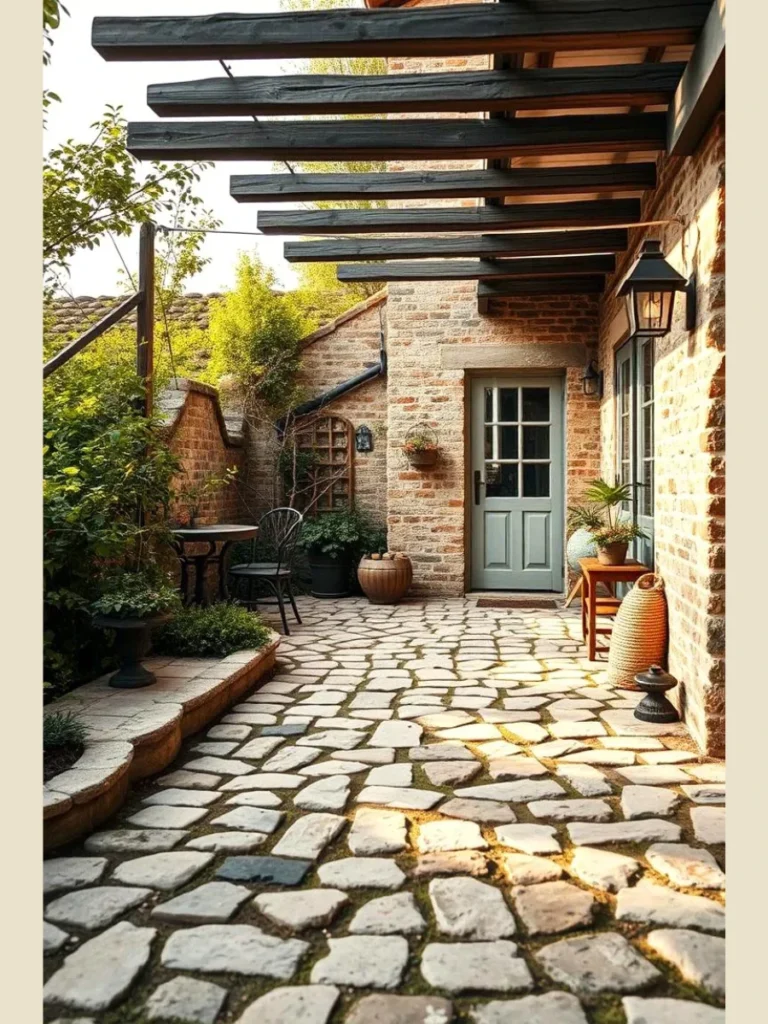
Cobblestones give your patio a rugged look that suggests your home has survived at least three different centuries of history. The rounded edges of the stones create a textured surface that feels very sturdy and permanent under your feet.
I think this style is the best way to hide the fact that your backyard isn’t perfectly level or flat. The uneven nature of the stones makes small dips and bumps look like intentional design choices rather than construction mistakes.
You can fill the spaces between the stones with sand or even small creeping thyme for a fragrant and green appearance. This creates a soft carpet of plants that will stand up to being stepped on by you and your guests.
These stones are nearly impossible to break, so you will likely never have to replace a single part of this patio. It is a heavy-duty solution for high-traffic areas where people are constantly moving heavy chairs or equipment around.

Welcome To The Deck Aluminum Metal Sign, 8X12 Inch, Vintage Wall Decor For Patio Backyard Porch Outdoor, Homeowners Entertainers
Welcome To The Deck Aluminum Metal Sign, 8X12 Inch, Vintage Wall Decor For Patio Backyard…
11. Recycled Pallet Wood Decking
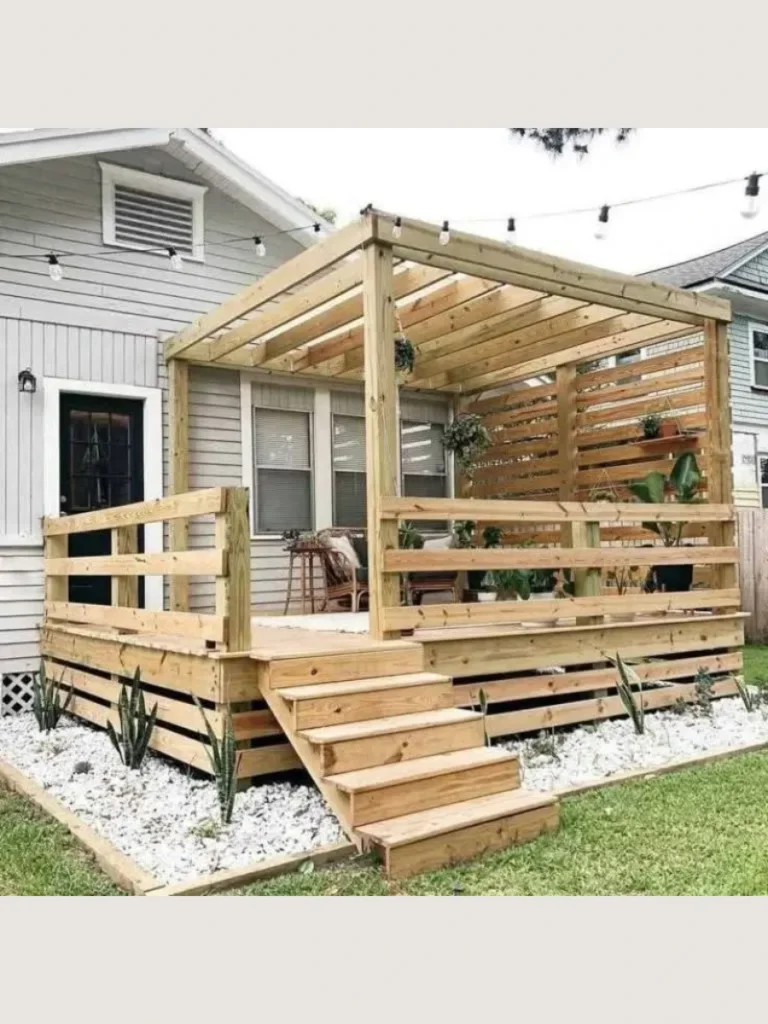
Using old pallets is the ultimate budget-friendly way to build a patio if you have more time than spare cash. You can often find these boards for free behind local businesses, which makes the cost of materials almost zero.
I recommend sanding every single board thoroughly unless you actually enjoy pulling splinters out of your feet all summer long. A good coat of outdoor stain will also help protect the soft wood from rotting after the first big rainstorm.
You should build a simple frame out of pressure-treated lumber to keep the pallet wood off the damp soil. This creates airflow underneath the boards, which prevents mold and helps your DIY masterpiece last for several years of use.
This design has a great rustic charm that looks perfect when paired with some string lights and a few mismatched chairs. It is a creative way to recycle materials while giving yourself a comfortable place to sit and enjoy a cold drink.
12. Geometric Stepping Stone Paths
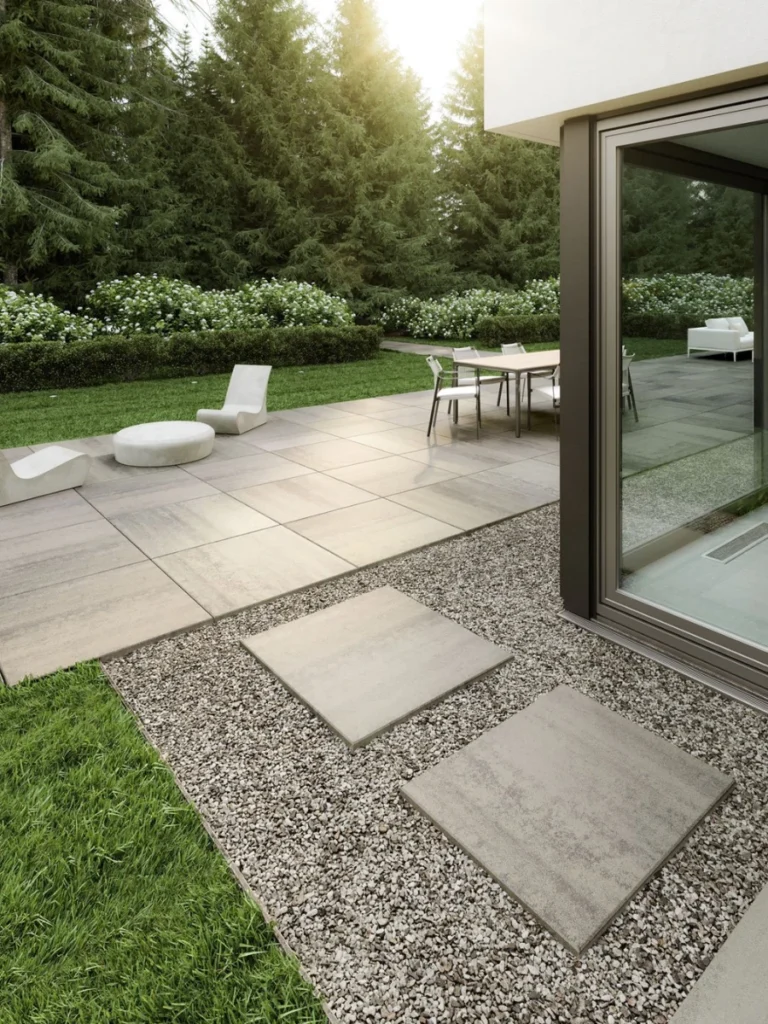
Stepping stones are a great way to create a patio area that doesn’t feel like a solid block of heavy gray concrete. By leaving space for grass to grow between the stones, you allow the patio to blend seamlessly with your lawn.
I prefer using large square stones for a modern look that feels very organized and intentional in a small backyard. The grass in between acts as a natural drainage system, so you never have to worry about puddles forming on the surface.
You must set the stones slightly lower than the grass level so you can run your lawn mower right over them. This saves you the hassle of using a weed whacker around every single stone, which is a task nobody actually enjoys doing.
This layout is perfect for a transition area between your back door and a larger seating zone further out in the garden. It provides a dry path for your feet while keeping the overall look of your backyard very green and open.
13. Raised Stone Planter Borders
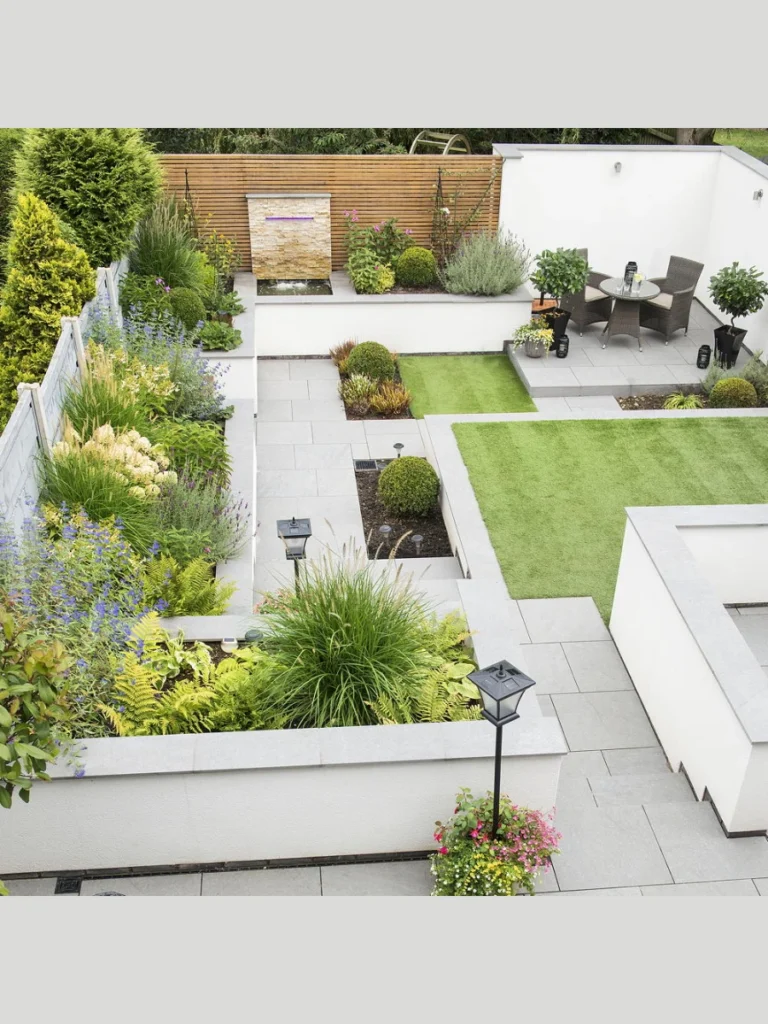
Building a patio inside a raised stone border creates a cozy feeling of being tucked away in a private garden room. These walls provide extra seating for your guests when you run out of chairs during a large weekend party.

Land Guard 2 Pack 4×2×1ft Galvanized Raised Garden Bed Outdoor, Heavy Duty Bottomless Metal Raised Planter Box for Vegetables, Flowers, Herbs, Backyard Patio Gardening, Silver
Land Guard 2 Pack 4×2×1ft Galvanized Raised Garden Bed Outdoor, Heavy Duty Bottomless Metal Raised…
I suggest using the same stone for the walls and the patio floor to create a cohesive and professional look. It makes the entire space feel like a single unit that was designed by an architect rather than thrown together.
You can fill the raised beds with fragrant flowers or tall shrubs to create a natural wall of privacy and nice smells. This brings the garden up to eye level so you can enjoy your plants while you are sitting down with your morning coffee.
The stone walls also act as a windbreak, which can make your patio feel much warmer during the cooler evenings of spring. It is a functional and beautiful way to define the edges of your outdoor living space without using a fence.

Deck Decor Welcome Sign Outdoor Deck Wall Art for Patio Porch Backyard
Deck Decor Welcome Sign Outdoor Deck Wall Art for Patio Porch Backyard
14. Covered Pergola Seating Zones
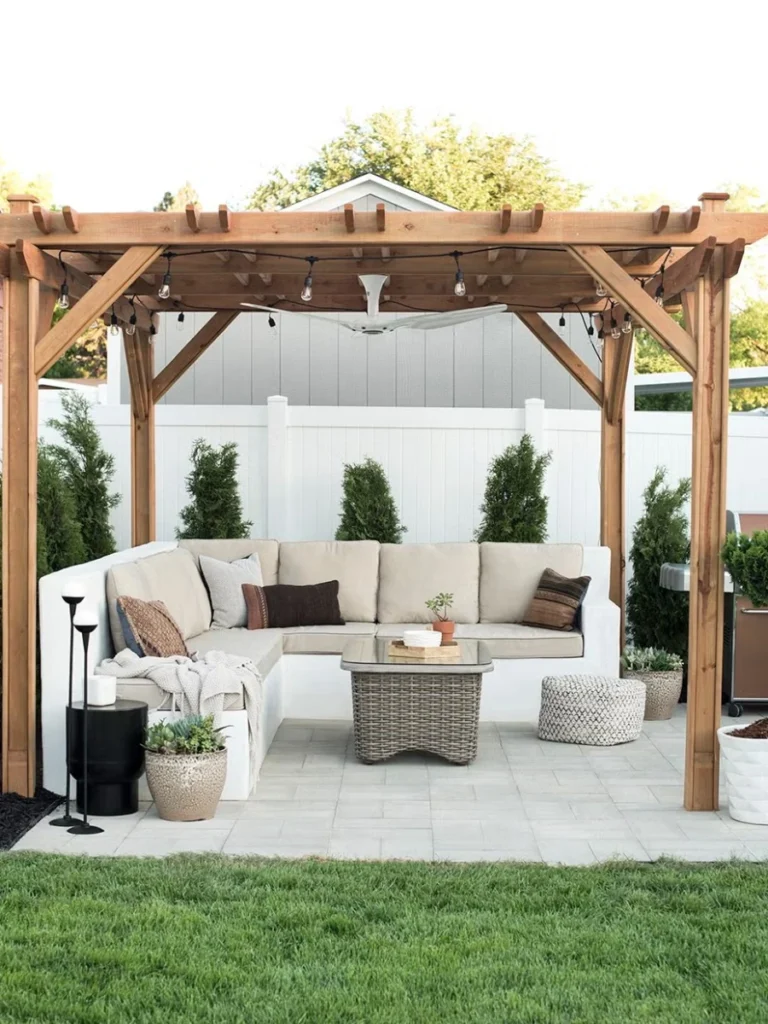
A pergola adds a vertical element to your patio that makes the whole area feel more like a real room. The open roof allows for plenty of airflow while providing a structure for climbing plants like grapes or ivy.
I find that adding a retractable shade cover is a smart move for those days when the sun is absolutely punishing. You can pull the cover over when it gets too hot and slide it back when you want to look at the stars.
You can hang outdoor curtains from the sides of the pergola to block the wind or hide the view of your neighbor’s garage. This adds a soft texture to the space and makes the patio feel much more luxurious and expensive than it is.
The heavy wooden posts provide a perfect place to mount outdoor speakers or a television for the ultimate backyard theater setup. It transforms a simple flat patio into a high-tech entertainment hub for your friends and family to enjoy.
15. Minimalist Crushed Stone Patios
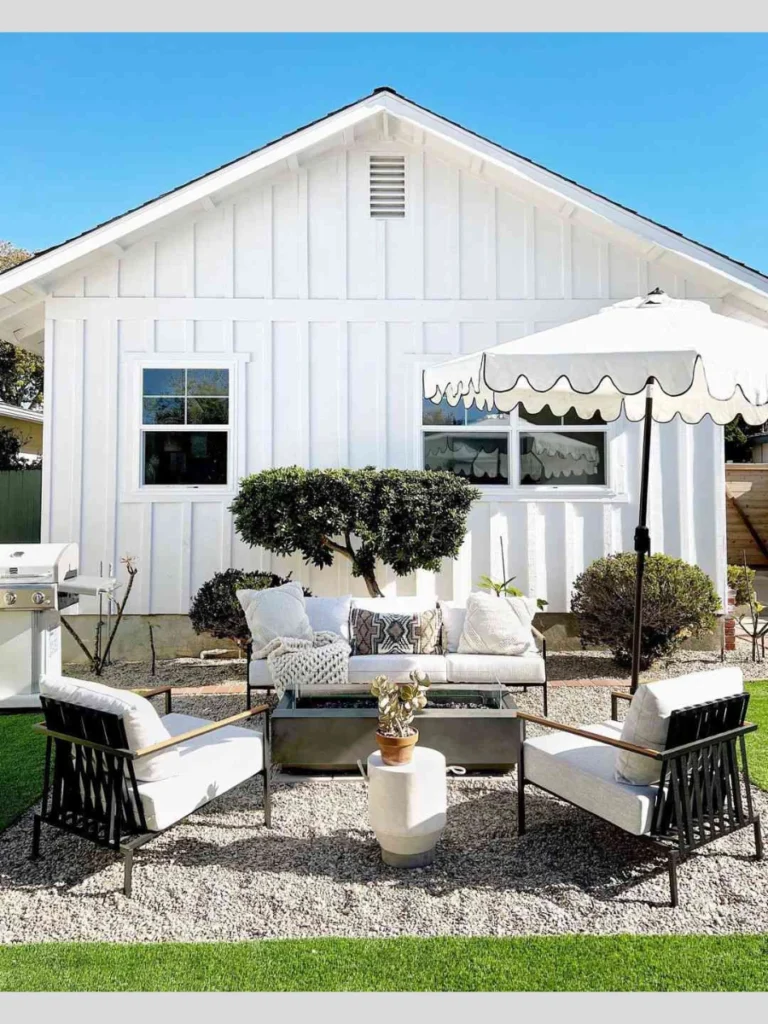
Crushed stone or decomposed granite is a fantastic alternative to traditional pavers if you want a soft and natural look. It packs down into a very firm surface that is easy to walk on but still allows water to drain through easily.
I suggest using a dark grey stone to hide dirt and make the green colors of your plants pop with more intensity. It is a very sophisticated look that works well with modern metal furniture and simple wooden accent pieces.
You should use a plate compactor to press the stone down firmly so it doesn’t move around like a sandbox when you walk. A well-compacted stone patio feels almost as solid as concrete but looks much more organic and integrated into the landscape.
Maintenance involves a quick rake now and then to keep the surface level and looking fresh for your guests. It is a very forgiving material that is easy to fix if a spot settles or gets washed away during a particularly bad storm.

Welcome Patio Grillin' & Chillin' Backyard Decor Metal Sign 12x8 In
Welcome Patio Grillin' & Chillin' Backyard Decor Metal Sign 12x8 In
Recommended Patio Maintenance Schedule
| Task | Frequency | Why It Matters |
| Surface Sweeping | Weekly | Prevents leaves from staining your stones. |
| Power Washing | Yearly | Removes deep dirt and slippery moss growth. |
| Sealing Surfaces | Every 2-3 Years | Protects concrete and stone from water damage. |
| Weeding Cracks | Monthly | Keeps the patio looking clean and professional. |
Tips for Building a Long-Lasting Patio
The secret to a patio that doesn’t sink into the earth is the preparation of the ground before you lay a single stone. You must dig out the soil and replace it with a thick layer of crushed rock that won’t shift when it gets wet.
I always recommend using a level at every step of the process because a sloping patio will make your table wobble forever. Even a tiny mistake at the beginning will become a huge problem by the time you reach the final corner of the project.
Lighting is often an afterthought, but it is what actually makes your patio usable after the sun goes down in the evening. Low-voltage LED lights are easy to install yourself, and they won’t significantly increase your monthly electricity bill at all.
Finally, you should invest in high-quality furniture covers to protect your investment from the rain and the sun’s rays. Good furniture is expensive, and keeping it covered when not in use will help it last for many years of outdoor enjoyment.
Summary of Backyard Design Success
A great patio is the result of choosing the right materials for your specific lifestyle and the local weather conditions. Whether you choose the luxury of porcelain or the simplicity of gravel, the goal is to create a space where you actually want to spend time.

Backyard & Outdoor Living: Transform Your Outdoor Space Into the Room You Use Most (The Handy Homeowner Series)
Backyard & Outdoor Living: Transform Your Outdoor Space Into the Room You Use Most (The…
I think the best designs are the ones that reflect your personality while solving the practical problems of your specific backyard layout. Take the time to plan your zones, and you will end up with an outdoor room that adds real value to your home.
You should not be afraid to mix different materials like wood and stone to create a more interesting and textured visual experience. This layering of different elements is what makes a professional design stand out from a basic DIY attempt at a patio.
I hope these ideas help you move from a boring patch of grass to a beautiful outdoor space that makes your neighbors jealous. Your backyard has so much potential, and a well-designed patio is the best way to start making the most of it.
FAQs
Pea gravel is generally the most affordable option because the materials are cheap and the labor is very simple for a DIY project. You don’t need expensive tools or professional machinery to create a beautiful and functional gravel seating area in your backyard.

AYOHA Artificial Turf Grass 4'10"" x 8' with Drainage, 0.8 Inch Realistic Fake Grass Rug Indoor Outdoor Lawn Landscape for Garden, Balcony, Backyard, Patio, Synthetic Turf Mat for Pet Dogs, Customized
AYOHA Artificial Turf Grass 4'10"" x 8' with Drainage, 0.8 Inch Realistic Fake Grass Rug…
In most cases, a simple ground-level patio made of stone or pavers does not require a building permit from your local city. However, if you are building a raised deck or a permanent roof structure, you should definitely check with your local planning office first.
The best way to prevent weeds is to use polymeric sand in the joints which hardens into a glue-like substance when it gets wet. This creates a solid barrier that seeds cannot penetrate while still allowing the patio to flex naturally as the ground moves.
Yes you can lay pavers or tiles directly over old concrete as long as the surface is still flat and is not crumbling into pieces. You will need to use a thin layer of sand or a special adhesive to ensure the new materials stay firmly in place over the old base.
A mixture of mild dish soap and warm water applied with a stiff brush is usually enough to remove most common outdoor stains and dirt. For tougher grime or moss, you can use a pressure washer on a low setting to avoid damaging the surface of the stones.
Related Posts
- Top 10 Porch and Patio Design Ideas
- 11 Best Porch Design Ideas
- Top 12 Porch Sign Ideas
- 13 Best Modern Porch Furniture Ideas
- Top 14 Porch Furniture Ideas
- 15 Best Porch Gardening Ideas
Recommended for You

FDW 4-Piece Patio Furniture Set | Black | Outdoor Wicker Furniture
FDW 4-Piece Patio Furniture Set | Black | Outdoor Wicker Furniture
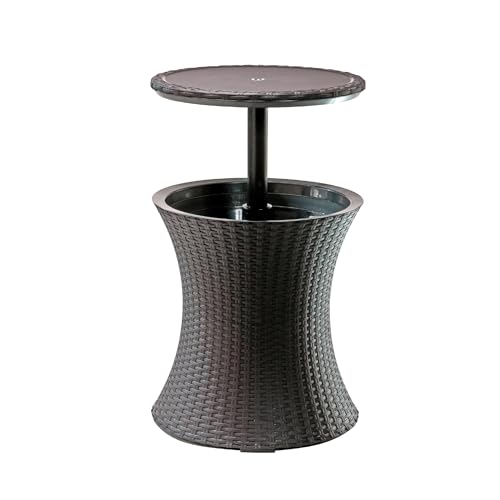
Keter Pacific Cool Bar Outdoor Patio Furniture and Hot Tub Side Table with 7.5 Gallon Beer and Wine Cooler, Espresso Brown
Keter Pacific Cool Bar Outdoor Patio Furniture and Hot Tub Side Table with 7.5 Gallon…

Aoxun Patio Furniture Sets, 7-Piece Outdoor Furniture with Thick Cushions, Wicker Conversation Set Sectional Sofa for Backyard, Poolside, Garden
Aoxun Patio Furniture Sets, 7-Piece Outdoor Furniture with Thick Cushions, Wicker Conversation Set Sectional Sofa…

Qsun 3 Pieces Patio Furniture Set Rocking Bistro Set Outdoor Rattan Conversation with Coffee Table for Garden Balcony Backyard Poolside (Grey Cushion)
Qsun 3 Pieces Patio Furniture Set Rocking Bistro Set Outdoor Rattan Conversation with Coffee Table…
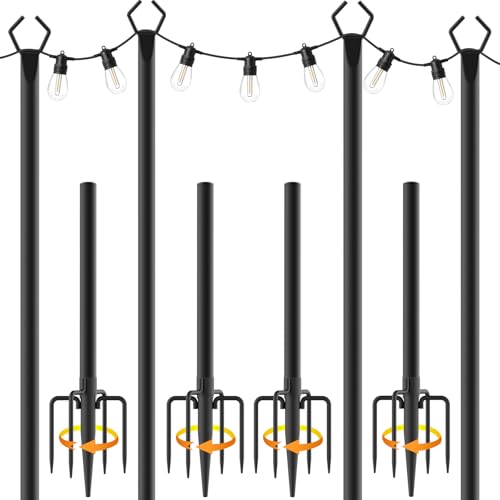
AILBTON 10Ft String Light Poles 4 Pack,Light Poles for Outside Lights,Outdoor with Fence Brackets Hanging Lights,Metal Stand Deck Patio Backyard
AILBTON 10Ft String Light Poles 4 Pack,Light Poles for Outside Lights,Outdoor with Fence Brackets Hanging…

Outdoor Living: The Ultimate Project Guide (Fox Chapel Publishing) DIY Backyard Projects for Decks, Patios, Garden Structures, Outdoor Furniture, Hardscaping, and Lawn Care
Outdoor Living: The Ultimate Project Guide (Fox Chapel Publishing) DIY Backyard Projects for Decks, Patios,…

Do Not Ring Doorbell 8X12 Inch Aluminum Metal Sign, No Soliciting Exceptions Warning for Home Entrance, Porch, Front Door, Private Property Homeowners
Do Not Ring Doorbell 8X12 Inch Aluminum Metal Sign, No Soliciting Exceptions Warning for Home…