
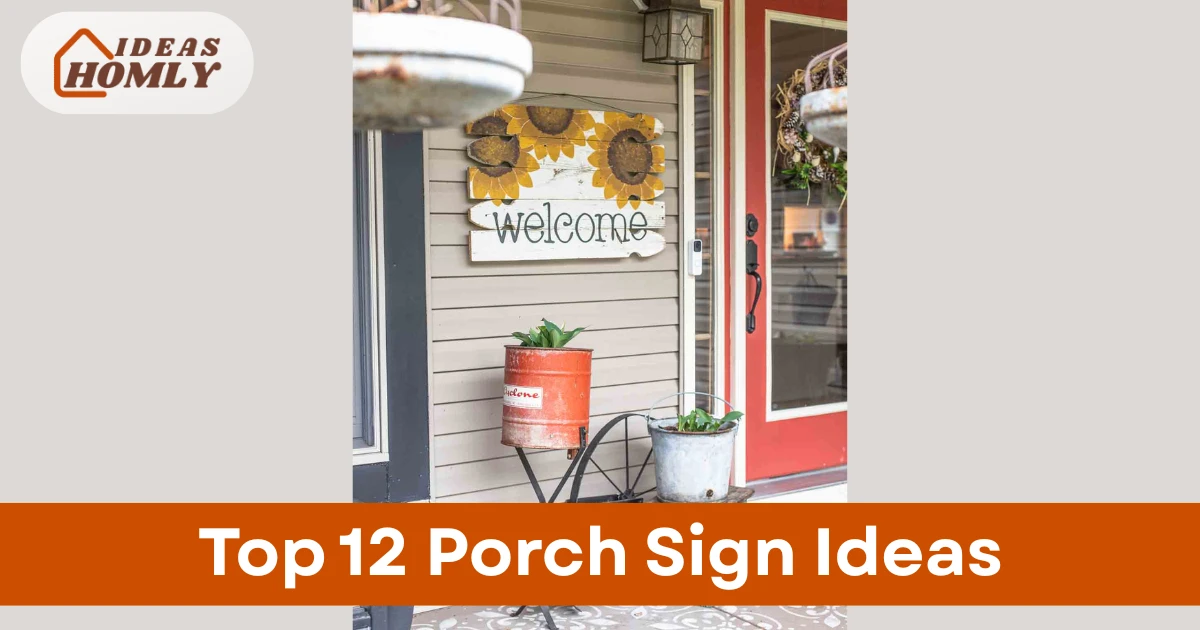

I spent my entire Saturday looking at my bare front porch and realized it lacked any real personality or charm. Choosing the right porch sign serves as the easiest way to greet your neighbors without actually having to stand outside and talk to them.
I gathered these practical concepts to help you create a welcoming entrance that reflects your personal style while keeping things simple.
Selecting the Right Materials for Outdoor Porch Decor
Wood remains the most popular choice for exterior signs because it handles the weather well and looks natural against any siding. You should look for cedar or treated pine to ensure your project does not rot after the first rainstorm of the season.
Applying a clear sealant is a step you cannot skip if you want your hard work to last longer than a week. This protective layer prevents the sun from fading your paint and keeps the wood from warping when the humidity levels start to rise.
Heavy materials like stone or thick timber stay put when the wind picks up during a localized summer storm. I prefer using weighted bases for leaning signs so I do not have to go chasing my decor down the street every time a breeze hits.
Paint choice matters just as much as the wood type when you are designing something meant to sit outside. Use exterior-grade acrylics or chalk paints paired with a UV-resistant topcoat to maintain those crisp colors throughout the entire year.

Home Sweet Home Porch Sign 47.2H Wooden Welcome Sign Vertical Hanging Signs For Standing Front Porch Standing Farmhouse Porch Signs Outdoor Tall Sign Decorations Outdoor Welcome Signs for Porch- balck
Home Sweet Home Porch Sign 47.2H Wooden Welcome Sign Vertical Hanging Signs For Standing Front…
1. Reversible Seasonal Vertical Leaner Signs
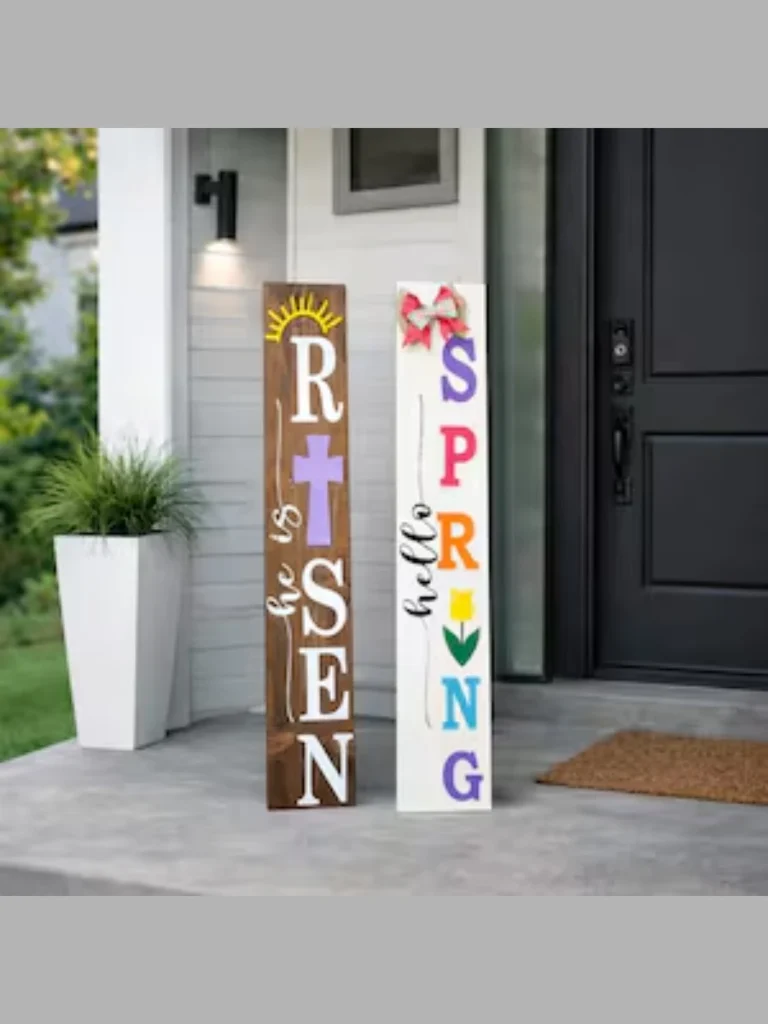
I love the efficiency of a reversible sign because it saves me from finding extra storage space in my crowded garage. You can paint a bright spring message on one side and a cozy autumn theme on the other to stay relevant all year.
These tall boards usually stand about five feet high to create a strong visual impact next to your front door. The vertical orientation draws the eye upward and makes your entryway look much more substantial than it actually is in real life.
Creating one of these involves a simple sanding process and some basic stencils if your freehand lettering looks like a doctor wrote it. I suggest using contrasting colors like white lettering on a dark stained background so people can read it from the curb.
You can easily swap the look by just flipping the board over when the temperature starts to change and the leaves fall. It feels like getting two decorations for the price of one which is a win for anyone trying to stick to a budget.
2. Personalized Family Name Established Signs
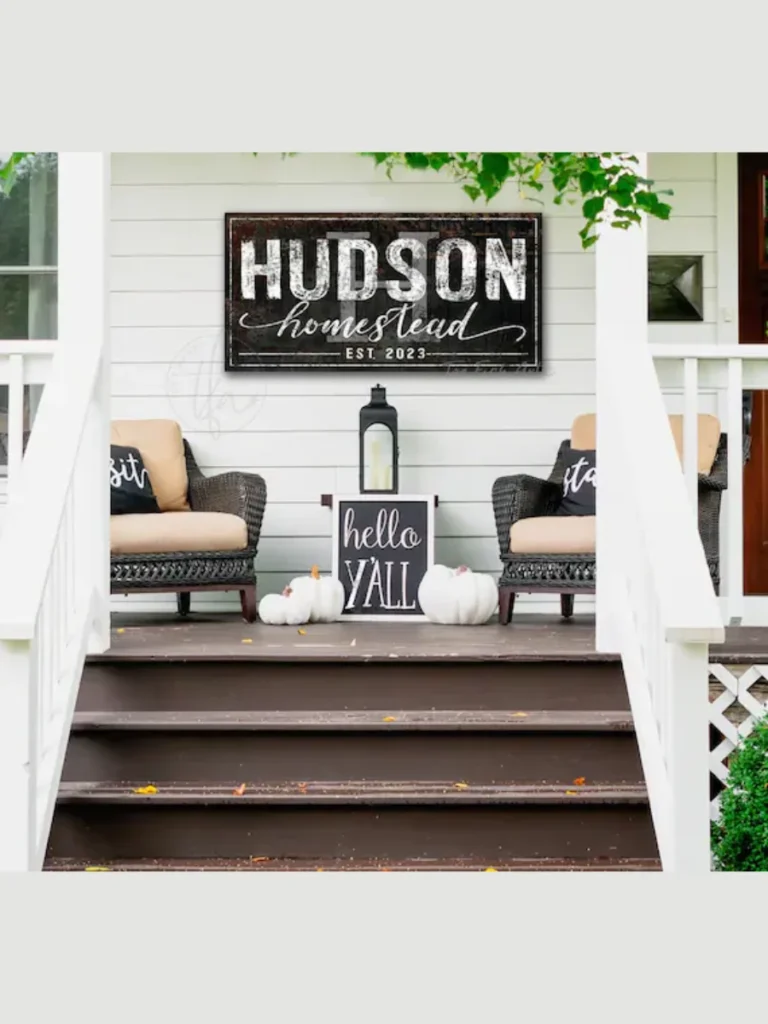
Adding your last name to a porch sign creates an immediate sense of ownership and pride for your local residence. I find that these signs work best when you include the year your family started to make your house feel like a permanent home.

Custom Fall Porch Sign with Family Name and Year 48x8", Personalized Fall Welcome Sign for Front Porch, Autumn Porch Decor and Welcome Home Sign for Front Door, PVC Sign, D6
Custom Fall Porch Sign with Family Name and Year 48x8", Personalized Fall Welcome Sign for…
A horizontal layout works beautifully when hung above a mailbox or placed directly on the siding next to the doorbell. Use a classic serif font for the name to give it a timeless look that will not feel outdated by next summer.
These signs serve as excellent conversation starters for new neighbors who are still trying to remember who lives in which house. I recommend using a dark walnut stain to help the wood grain pop against the lighter colors of a standard porch.
You should consider the size of your house numbers when choosing the scale for a personalized nameplate. Keeping the proportions balanced ensures that your porch looks professional and organized rather than cluttered with too many different competing focal points.

Our Porch Sign Sit Down Stay Awhile Rustic Decor Signs Vintage Black on White Tin Plaque Wall Art Decorations Gift 6 x 18 High Gloss Metal 206180023043
Our Porch Sign Sit Down Stay Awhile Rustic Decor Signs Vintage Black on White Tin…
3. Modern Minimalist Welcome Boards
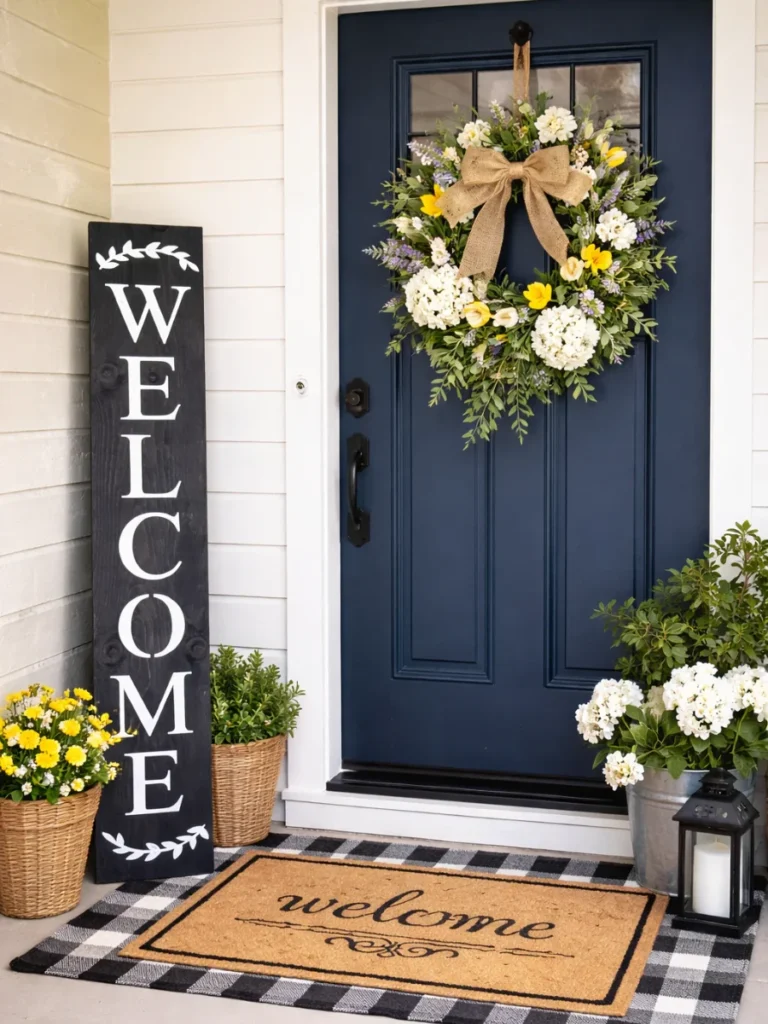
Minimalist signs focus on clean lines and plenty of open space to create a sophisticated look for a modern home. I appreciate how a simple blackboard with white sans-serif lettering can look much more expensive than a DIY project actually costs.
You do not need many embellishments when the typography is strong enough to stand on its own as a piece of art. Avoiding busy patterns helps the “Welcome” message stay clear and easy to read for any guests arriving at your home.
I suggest placing these signs in a sturdy metal stand if you want to avoid leaning them directly against your painted walls. The mix of wood and metal adds a touch of industrial style that fits perfectly with contemporary architectural designs.
Most people find that less is more when it comes to decorating a small porch area that gets easily overwhelmed. A single well-placed minimalist sign does the job of welcoming visitors without making your front entrance feel cramped or messy.
4. Rustic Reclaimed Wood Pallet Signs
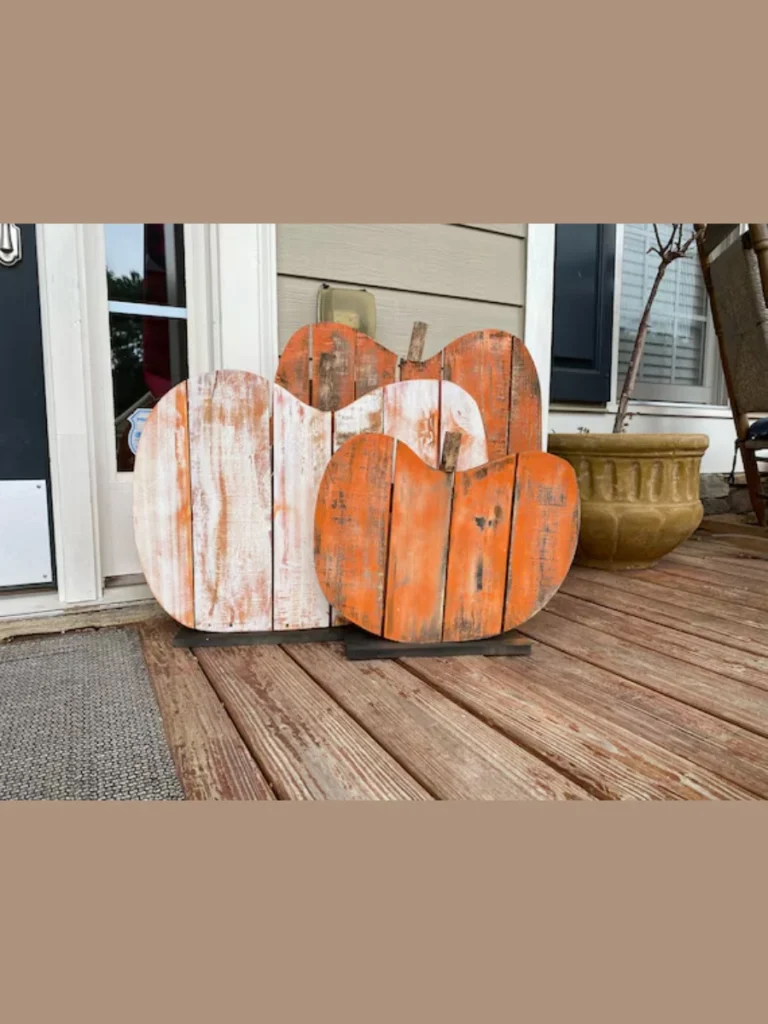
Using old pallets is a great way to get that rugged farmhouse look without spending a single dime on new lumber. I enjoy the character found in the natural knots and nail holes that come with wood that has lived a previous life.
You can pull the slats apart and nail them together in a staggered pattern to create a unique textured background. This uneven surface adds a lot of visual interest and works well with hand-painted quotes or simple silhouette art.
I recommend a light sanding to prevent splinters while leaving enough of the original texture to keep that authentic rustic feel. Use a dry brush technique with white paint to highlight the wood grain without completely covering the natural brown tones.
These signs look best when paired with other natural elements like burlap bows or a galvanized metal bucket filled with flowers. It creates a cozy atmosphere that makes your porch feel like a lived-in part of the house instead of an afterthought.
5. Interchangeable Icon Home Signs
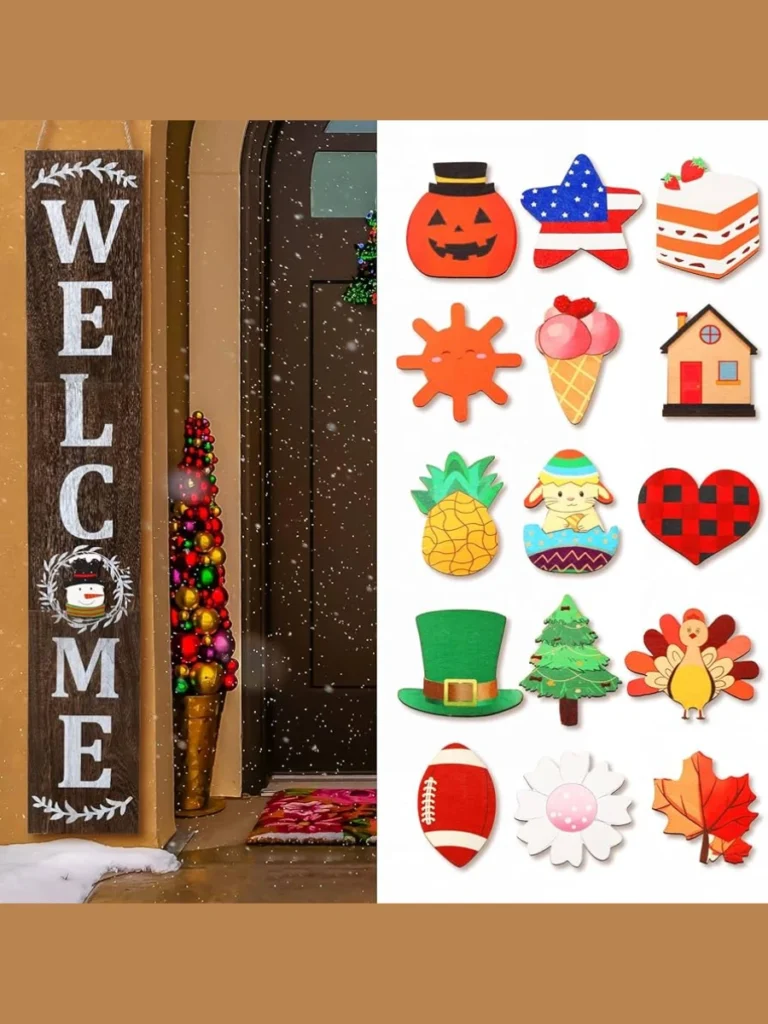
An interchangeable sign uses a magnetic or Velcro system to replace one letter with a symbol representing the current season. I think replacing the “O” in “Home” with a pumpkin or a snowflake is a clever way to keep things fresh.

Custom Fall Porch Sign with Family Name and Year 48x8", Personalized Fall Welcome Sign for Front Porch, Autumn Porch Decor and Welcome Home Sign for Front Door, PVC Sign, Design 1
Custom Fall Porch Sign with Family Name and Year 48x8", Personalized Fall Welcome Sign for…
You can buy or make a set of small wooden shapes like hearts, stars, and clover leaves to swap out every month. This approach keeps your porch decor looking intentional and updated without requiring you to store multiple large signs.
I find that kids especially enjoy helping change the icons whenever a new holiday or special occasion rolls around. It turns your porch decor into a small interactive tradition that the whole family can participate in together throughout the year.

Custom Fall Porch Sign with Family Name and Year 48x8", Personalized Fall Welcome Sign for Front Porch, Autumn Porch Decor and Welcome Home Sign for Front Door, PVC Sign, Design 13
Custom Fall Porch Sign with Family Name and Year 48x8", Personalized Fall Welcome Sign for…
The base sign stays the same which means you only have to worry about maintaining one large piece of outdoor furniture. It is a practical solution for anyone who loves holiday decorating but hates the clutter of a dozen different wooden boards.
6. Farmhouse Style Distressed White Planks
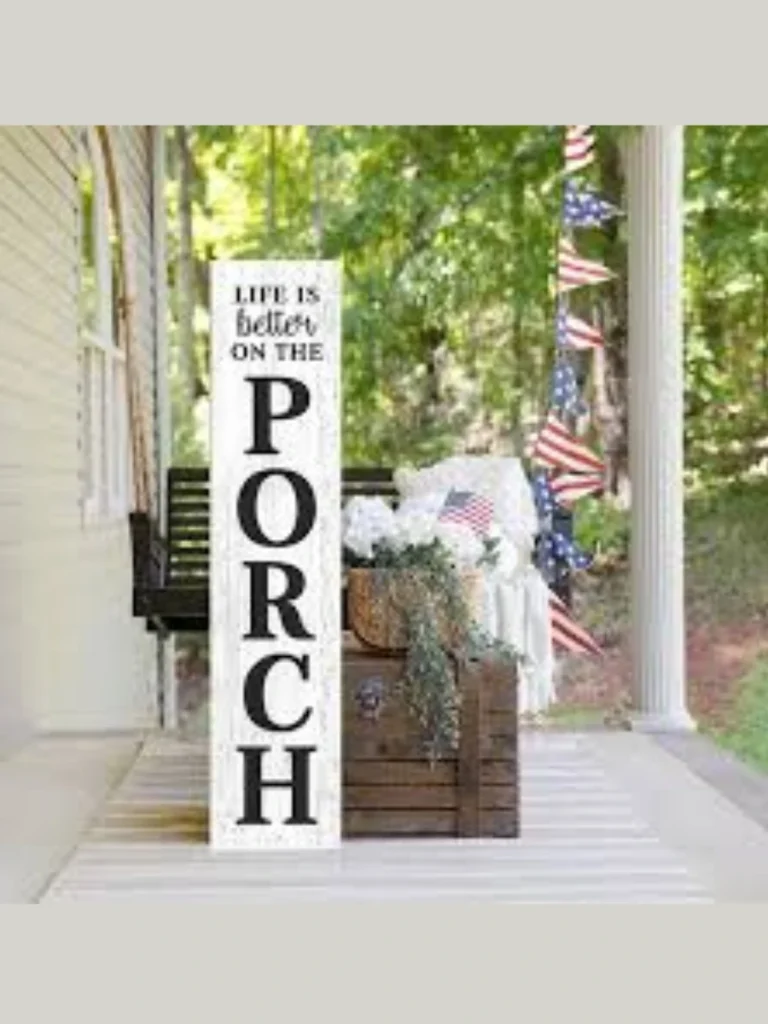
The farmhouse look relies on a bright white background with dark lettering to create a high contrast and clean appearance. I find that using a bit of sandpaper on the edges gives the sign a comfortable and aged feel.
You should use a matte finish paint rather than a glossy one to keep the aesthetic authentic and traditional. This style coordinates perfectly with black hardware and natural green wreaths hanging on your front door.
I like to add a thick jute rope at the top for a hanging option that adds a bit of texture to the wood. The rope reinforces the handmade quality of the sign while providing a sturdy way to display it on a wall hook.
These planks work well in pairs if you have a wide porch that needs more than one focal point to feel complete. Placing one on either side of the door creates a symmetrical look that is very pleasing to the eye of any passerby.
7. Chalkboard Surface Message Boards
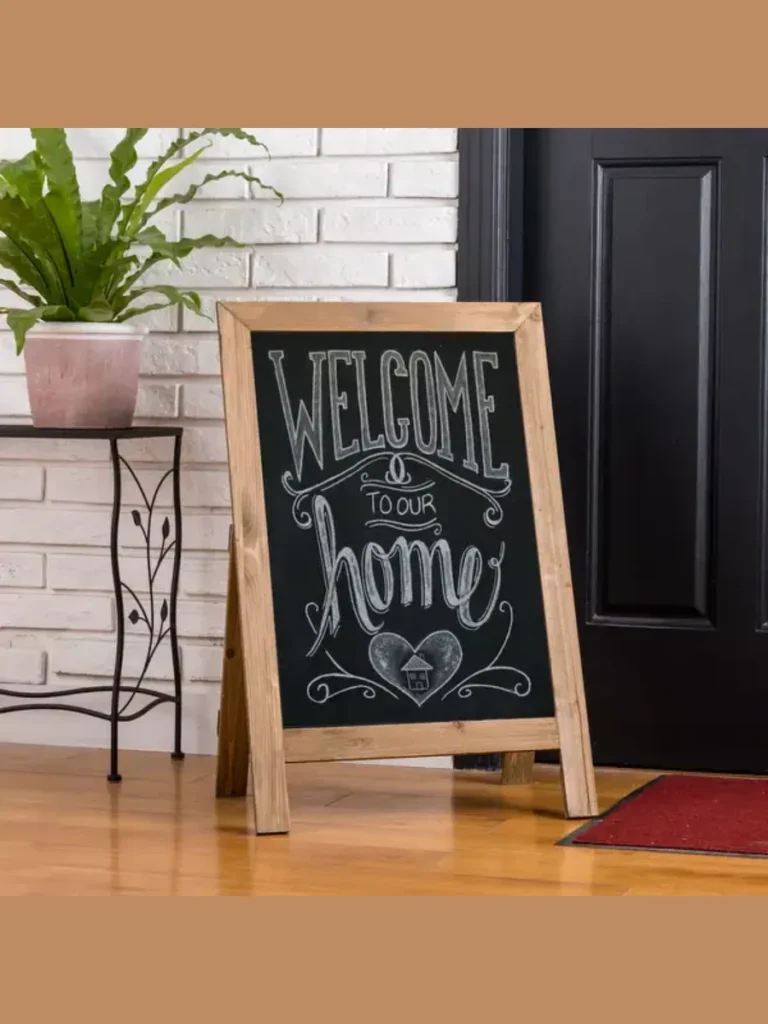
Chalkboard signs offer the most flexibility because you can change your message every single morning if you feel like it. I enjoy writing funny quotes or specific directions for delivery drivers when I am expecting a package.
Using chalk markers instead of traditional sticks gives you much cleaner lines and prevents the rain from smudging your text. You can simply wipe the surface clean with a wet rag when you are ready to start a new design.
I recommend framing the chalkboard with stained wood to give it a more finished and intentional look for your entryway. The dark frame helps the black surface stand out against the lighter colors of your home exterior.
This is a great option for people who get bored with their decor quickly and want to experiment with different fonts. It allows you to practice your hand lettering skills without committing to a permanent paint job on a piece of expensive wood.
8. Bold Geometric Patterned Welcome Signs
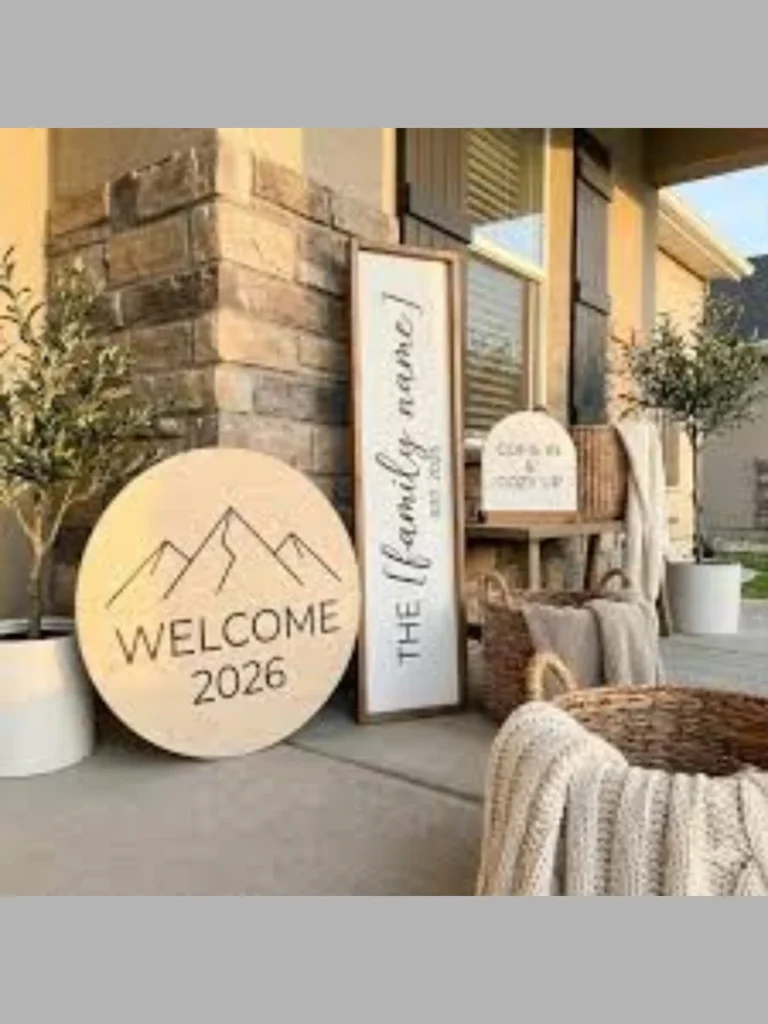
Adding a chevron or herringbone pattern to the background of your sign makes it a modern piece of porch art. I use painter’s tape to create crisp lines that look like they were done by a professional printing shop.
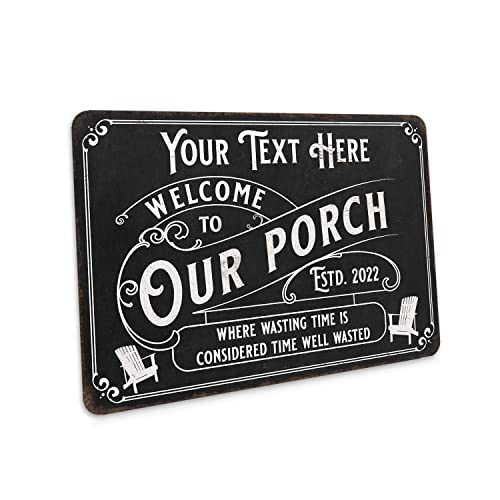
Personalized Porch Sign Welcome to Our Porch Sign Custom Family Name Patio Décor Deck Backyard Signs 8x12 208120111001
Personalized Porch Sign Welcome to Our Porch Sign Custom Family Name Patio Décor Deck Backyard…
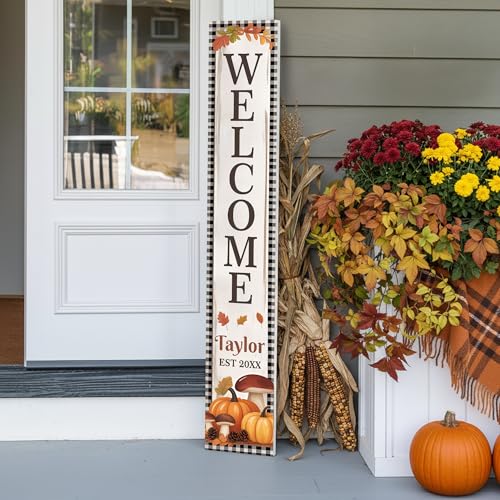
Custom Fall Porch Sign with Family Name and Year 48x8", Personalized Fall Welcome Sign for Front Porch, Autumn Porch Decor and Welcome Home Sign for Front Door, PVC Sign, Design 16
Custom Fall Porch Sign with Family Name and Year 48x8", Personalized Fall Welcome Sign for…
Bold colors like navy blue or forest green work well for these patterns because they provide a sophisticated backdrop for white text. The geometric shapes add a sense of energy and movement to your porch that plain boards lack.
I suggest keeping the lettering simple when using a busy background to ensure the “Welcome” message remains the priority. Using a thick block font helps the words sit on top of the pattern without getting lost in the lines.
These signs are perfect for homeowners who want to show off a bit of their creative personality through color and shape. It moves away from the traditional rustic look and leans into a more vibrant and energetic style of home decor.
9. Horizontal Porch Railing Banners
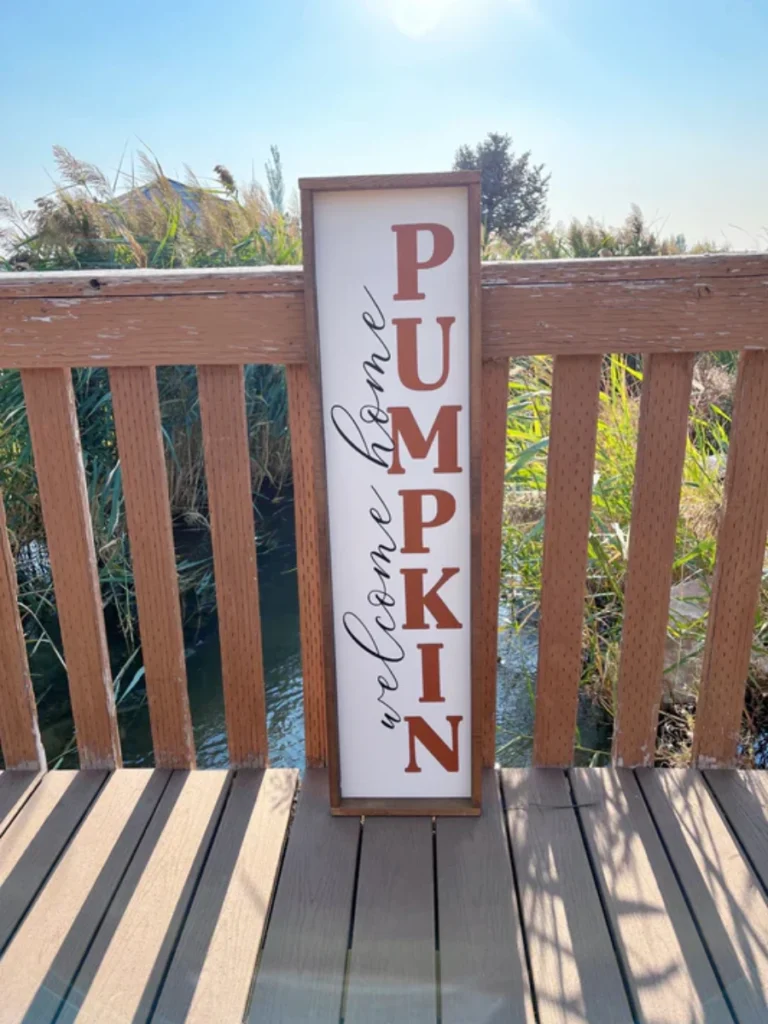
If you have a railing around your porch, you can use it to display a long horizontal sign instead of a vertical leaner. I find that this uses up space that usually goes ignored while adding a pop of color to the perimeter.
You can secure these signs with zip ties or decorative ribbons to ensure they do not slide around on the railing. Using lightweight wood ensures that you do not put too much stress on the structure of your porch railing.
I prefer using short and punchy words like “Gather” or “Blessed” for these long signs to keep the design balanced. The horizontal layout provides a nice visual break from the vertical lines of the house and the front door.
Make sure the paint you use is waterproof since these signs are often more exposed to rain than those tucked against the wall. A good quality exterior paint will keep the colors bright even if the sign gets splashed during a heavy downpour.
10. Glowing Backlit LED Porch Signs
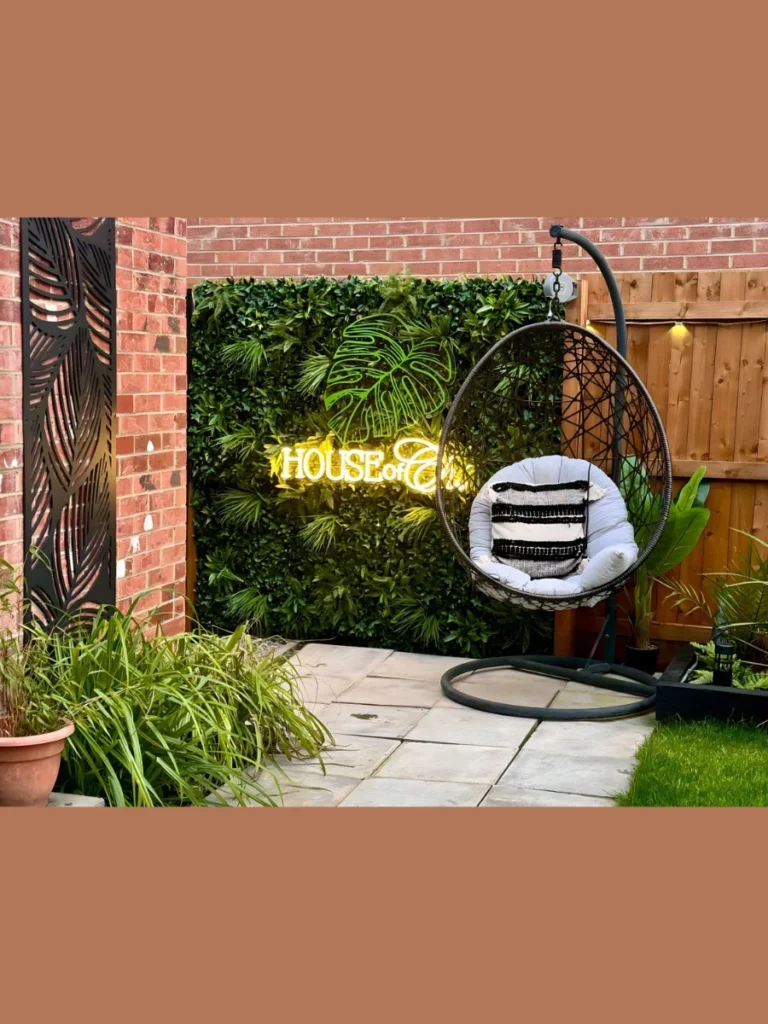
Adding a string of battery-operated LED lights behind your sign creates a beautiful glow that works well during the evening hours. I think this is the best way to make your house easy to find for guests arriving after the sun goes down.

Custom Fall Porch Sign with Family Name and Year 48x8", Personalized Fall Welcome Sign for Front Porch, Autumn Porch Decor and Welcome Home Sign for Front Door, PVC Sign, D7
Custom Fall Porch Sign with Family Name and Year 48x8", Personalized Fall Welcome Sign for…
You can mount the sign a few inches off the wall using spacers to allow the light to spill out from behind the edges. This creates a halo effect that makes the sign look like it is floating against the side of your house.
I recommend using a timer for the lights so you do not have to remember to turn them on and off every single night. It adds a layer of security to your home by keeping your entryway well-lit and welcoming throughout the darkness.
The soft light highlights the texture of the wood and the colors of the paint in a way that standard porch lights cannot. It is a modern touch that feels high-end and unique compared to the standard wooden boards found in most neighborhoods.
11. Stenciled Stone and Concrete Markers
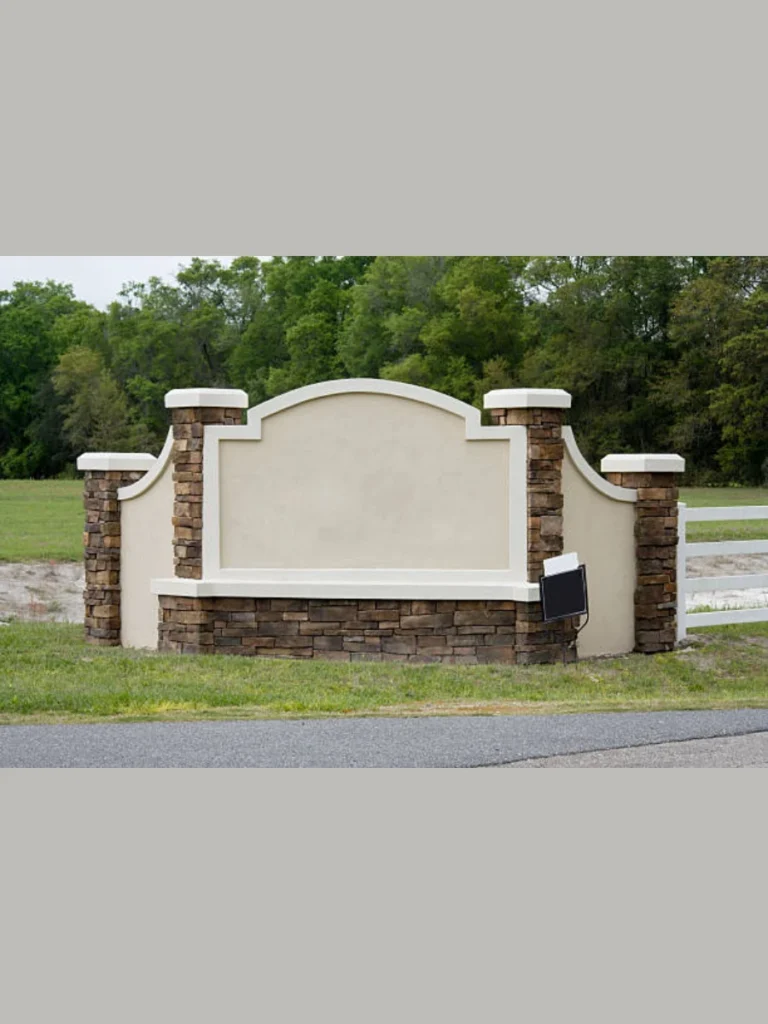
I find that using heavy stone or concrete for a porch sign provides a permanent feel that wooden boards simply cannot match. You can use a large flat garden stone or a pre-cast concrete paver to create a rugged and indestructible welcome marker.

LianheCy Home Sweet Home Porch Sign 45" x 9" Large Vertical Farmhouse Welcome Sign Rustic Wooden Front Porch Decor with Bow & Greenery Standing & Hanging Indoor Outdoor Home Sign(Black)
LianheCy Home Sweet Home Porch Sign 45" x 9" Large Vertical Farmhouse Welcome Sign Rustic…
Using a high-quality stencil allows you to apply crisp numbers or greetings even on the most textured rocky surfaces. I recommend using a masonry-specific paint to ensure the pigment bonds deeply with the stone pores for a long-lasting finish.
These heavy markers are the perfect solution for homes located in areas that experience high winds or frequent summer storms. You will never have to worry about your decor tipping over or sliding across the porch when the weather turns rough.
12. Hanging Double-Sided Bracket Signs
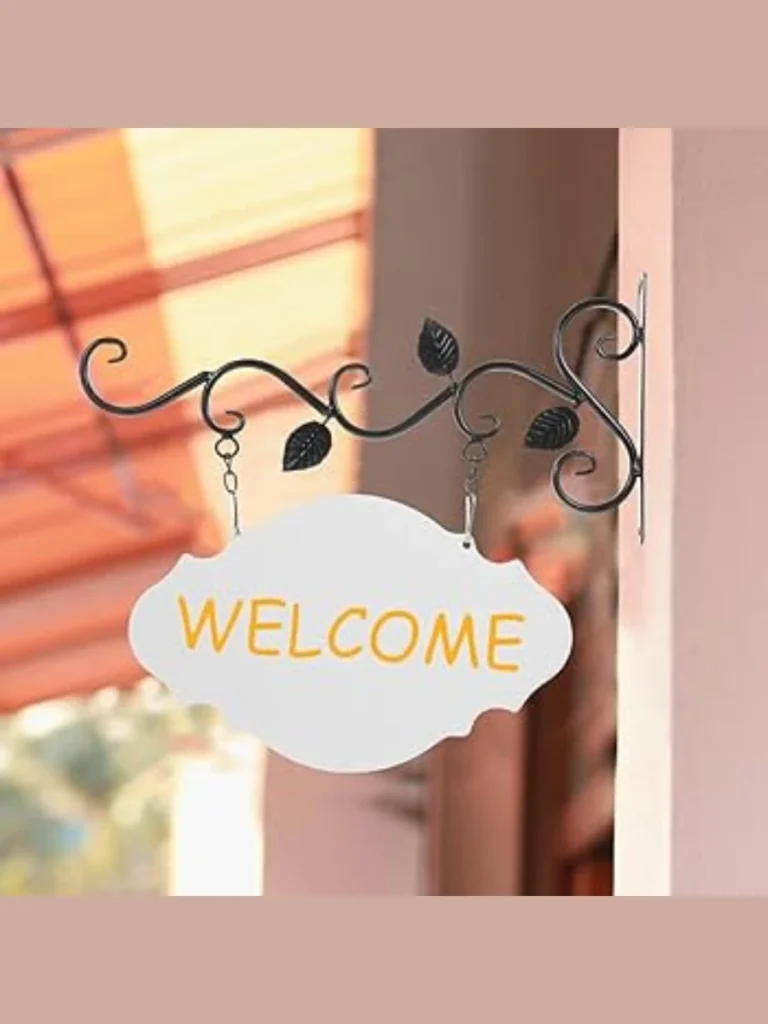
I think there is something incredibly charming about a sign that hangs perpendicularly from a wrought iron wall bracket. This style mimics the look of an old European shop and makes your porch feel like a specialized destination rather than just an entry.
The double sided design allows people walking from either direction on the sidewalk to see your welcoming message clearly. I prefer using a dark metal bracket paired with a light wood sign to create a classic look that fits almost any home style.
You should ensure the bracket is drilled securely into a wall stud to support the weight of the sign during a windy afternoon. Using heavy duty metal rings to connect the sign to the arm prevents it from flying off when a gust of wind catches the flat surface.

Custom Fall Porch Sign with Family Name and Year 48x8", Personalized Fall Welcome Sign for Front Porch, Autumn Porch Decor and Welcome Home Sign for Front Door, PVC Sign, Design 11
Custom Fall Porch Sign with Family Name and Year 48x8", Personalized Fall Welcome Sign for…
I enjoy how these signs stay up and out of the way of your walking path while still providing a major visual impact. It is a smart choice for narrow porches where floor space is limited and every square inch of the ground needs to stay clear.
I suggest placing these stone signs at the base of a large potted plant to create a grounded and natural decorative arrangement. The contrast between the cold gray stone and the vibrant green leaves creates a professional look for any front entrance.
Practical Tips for Maintaining Your Outdoor Porch Signs
The outdoor elements can be harsh on wooden decor, so you must take steps to protect your investment. I always apply a second coat of sealant after six months to ensure the moisture stays out of the wood fibers.
Cleaning your signs with a soft, damp cloth prevents dirt buildup that can eventually scratch the painted surface. Avoid using harsh chemicals or pressure washers because they will strip the protective finish and ruin your beautiful handiwork.
Checking the stability of your leaning signs during the windy season prevents them from falling and cracking on the porch floor. I often use a small piece of outdoor mounting tape on the back to keep the sign secured against the siding.
Rotating your signs based on the sun exposure helps prevent one side from fading faster than the other over time. If your porch receives direct afternoon sunlight you might want to move the sign into a shaded corner during the peak summer months.
Summary of Creative Entrance Ideas
Choosing a porch sign is about finding a balance between your personal style and the practical needs of your outdoor space. I hope these ideas help you see that even a simple piece of wood can completely change how your home feels to visitors.

Waterproof Door Canopy Awning - Durable Exterior Window Awnings for Patio & Porch - Sunshade Protection for Entrances - Enhance Your Home's Style & Curb Appeal
Waterproof Door Canopy Awning - Durable Exterior Window Awnings for Patio & Porch - Sunshade…
Whether you prefer the rugged look of reclaimed pallets or the sleek lines of modern minimalism, there is a project here for everyone. I encourage you to start small and choose a design that matches the current colors of your front door and siding.
Remember that the best porch decor is the kind that makes you smile every time you pull into your driveway after a long day. You do not need a massive budget to create a high-quality look that adds real value and charm to your residence.
I have found that keeping things organized and using the right materials ensures that your porch stays looking great for many years to come. Take these concepts and make them your own by adding your family’s unique flair to every single brushstroke.

Sassy Squirrel Beautifully Handcrafted Slate Home Welcome Plaque - Life is Better at The Lake 16"x10" or 12"x8" Improve The Curb Appeal of Your Lake House with This Bespoke House Sign.
Sassy Squirrel Beautifully Handcrafted Slate Home Welcome Plaque - Life is Better at The Lake…
FAQs
Cedar and redwood are the top choices because they naturally resist rot and insects without needing heavy chemical treatments. I always suggest avoiding cheap plywood if your porch is not fully covered from the rain and snow.
You can attach a heavy sandbag to the back of the board or use a specialized heavy-duty easel stand for better stability. I sometimes use a small hook and eye latch to secure the top of the sign directly to the siding.
Paint is more durable for long-term outdoor use, but vinyl is much easier to apply if you are not confident in your painting skills. If you use vinyl, make sure to apply a thick, clear coat over it to prevent the edges from peeling.
Most standard leaning signs are between four and five feet tall to ensure they are visible from the street level. I find that anything shorter than four feet tends to get lost behind planters or other porch furniture items.
I strongly advise against using indoor paint because it will crack and peel very quickly when exposed to temperature changes. Always look for labels that specifically mention exterior use or weather resistance to save yourself from future frustration.

Custom Fall Porch Sign with Family Name and Year 48x8", Personalized Fall Welcome Sign for Front Porch, Autumn Porch Decor and Welcome Home Sign for Front Door, PVC Sign, Design 12
Custom Fall Porch Sign with Family Name and Year 48x8", Personalized Fall Welcome Sign for…
Related Posts
- 13 Best Modern Porch Furniture Ideas
- Top 14 Porch Furniture Ideas
- 15 Best Porch Gardening Ideas
- Top 10 Porch Garden Ideas
- 11 Best Porch Swing Decorating Ideas
- Top 12 Porch Swing Ideas
Recommended for You
Sassy Squirrel Beautifully Handcrafted Slate Home Welcome Plaque (12”x8” or 16"x10") Improve The Curb Appeal of Your Property with This Bespoke House Sign.
Sassy Squirrel Beautifully Handcrafted Slate Home Welcome Plaque (12”x8” or 16"x10") Improve The Curb Appeal…
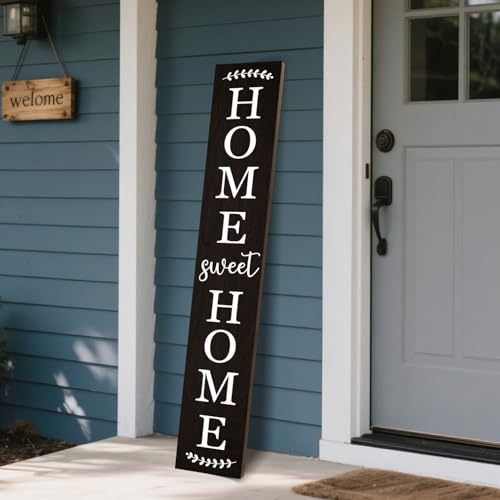
Home sweet home wooden porch sign Vertical hanging decorations Welcome sign front door standing Decorative sign 47x7.8Inch Plaques for Outside Yard Decor(Black)
Home sweet home wooden porch sign Vertical hanging decorations Welcome sign front door standing Decorative…

Home Sweet Home Welcome Sign for Front Porch, 47" Wood Framed Porch Sign Spring Hydrangea Flower Decorations with Hanging Rope, Farmhouse Yard Signs Home Decor for Outdoor Patio Gift for Family and Friends
Home Sweet Home Welcome Sign for Front Porch, 47" Wood Framed Porch Sign Spring Hydrangea…