
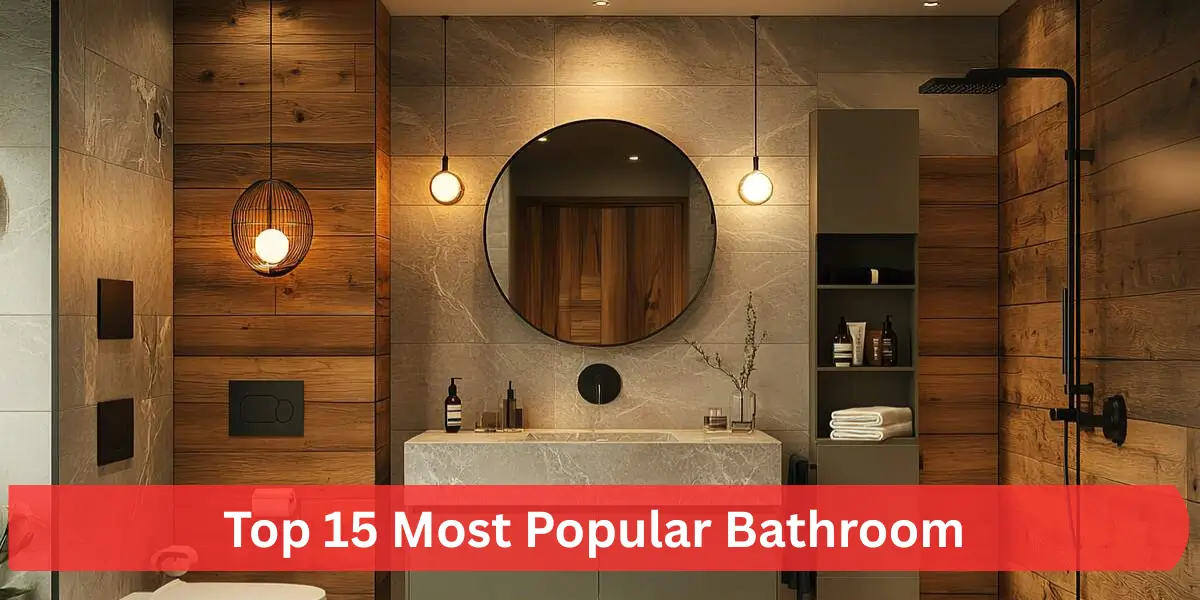

Good lighting can completely change how a bathroom looks and functions, yet it’s often overlooked during design planning.
In my experience, bathroom lighting is not just about brightness, it’s about placing the right light in the right area for daily tasks, comfort, and atmosphere.
From grooming and safety to relaxation and mood, lighting influences every moment spent in the bathroom.
Poor lighting creates shadows and discomfort, while thoughtful lighting improves clarity and balance.
By exploring well-planned bathroom lighting ideas, it becomes easier to design a space that feels practical, inviting, and visually refined without relying on unnecessary decoration.
1. Layered Bathroom Lighting
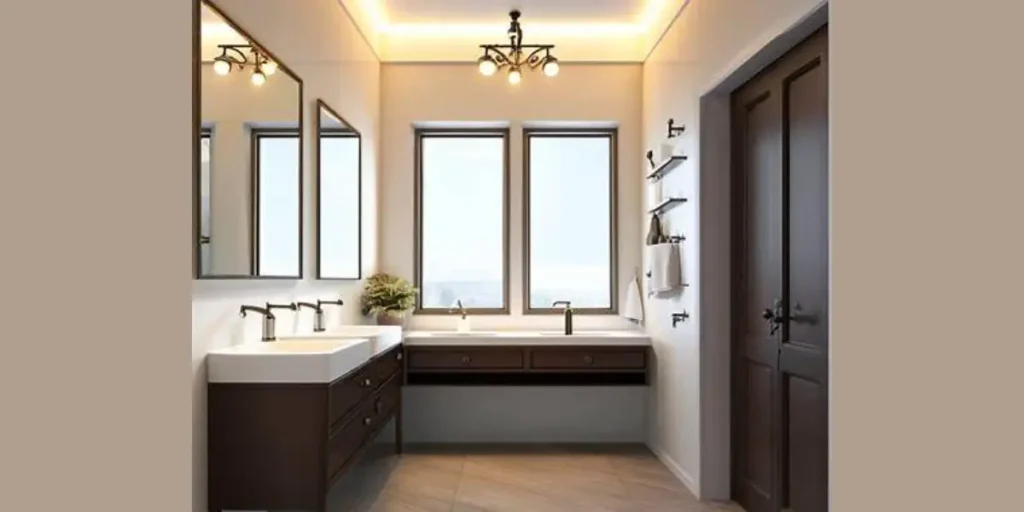
When I plan bathroom lighting, I always start with layering. A single light source never supports all bathroom activities properly.
Layered lighting combines ambient, task, and accent lighting to create balance and comfort. This approach ensures the space feels usable at all times of day.
Ambient lighting provides overall brightness, while task lighting supports grooming and cleaning.
Accent lighting adds depth and highlights architectural features. Each layer plays a clear role.
Layered lighting works in bathrooms of all sizes. It improves visibility, reduces harsh shadows, and creates a more comfortable environment without overwhelming the space.
2. Vanity Mirror Task Lighting
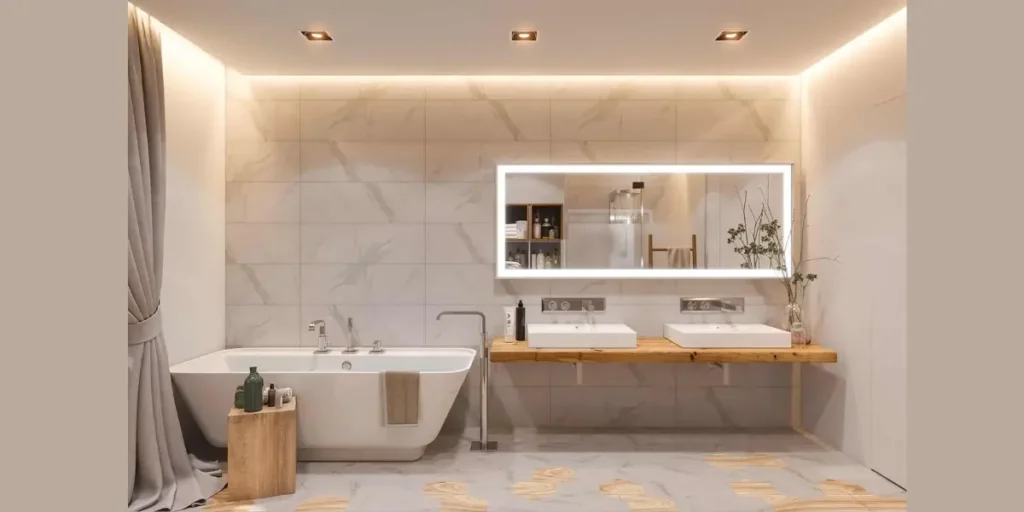
Vanity lighting directly affects how accurately we see ourselves.
I always position task lighting at face level to reduce shadows during shaving, makeup, or skincare routines. Overhead lights alone are never enough.
Side-mounted or vertical lights around the mirror provide even illumination.
This setup prevents unflattering shadows under the eyes and chin, which improves daily grooming accuracy.
Proper vanity lighting increases comfort and confidence. When designed correctly, it enhances both function and appearance without adding unnecessary brightness to the rest of the bathroom.
3. Backlit Bathroom Mirrors
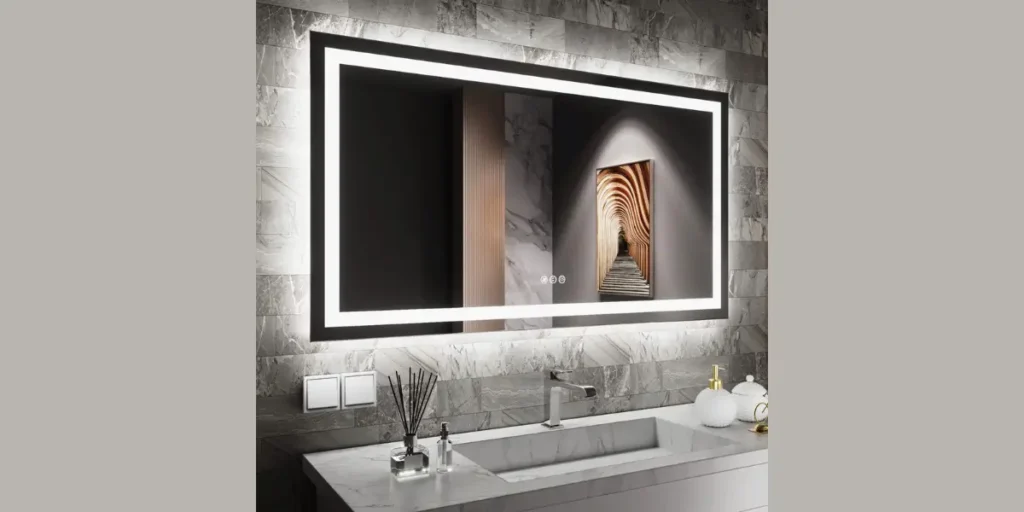
Backlit mirrors offer soft, even lighting that feels modern and refined.
I use them when I want subtle illumination without visible fixtures dominating the design. The light spreads gently around the mirror.
This type of lighting reduces glare and creates a clean visual effect. It works well in minimalist or contemporary bathrooms where simplicity matters.
Backlit mirrors also improve nighttime usability. They provide enough light for orientation without overwhelming the space, making them both practical and visually appealing.
4. Recessed Ceiling Lights
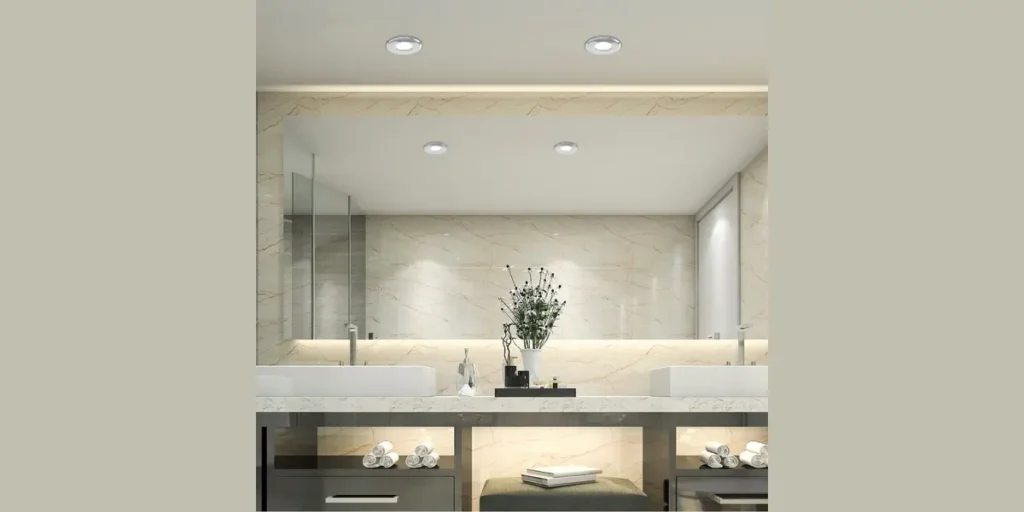
Recessed ceiling lights give bathrooms clean, unobtrusive illumination.
I prefer them when I want consistent lighting without drawing attention to the fixture itself. They work well in low or standard ceilings.
Spacing matters with recessed lights. I place them strategically to avoid dark corners and uneven brightness, especially near vanities and showers.
These lights support a wide range of interior styles. When paired with task lighting, recessed lights provide reliable coverage without creating harsh or distracting shadows.
5. Pendant Lights Over the Vanity
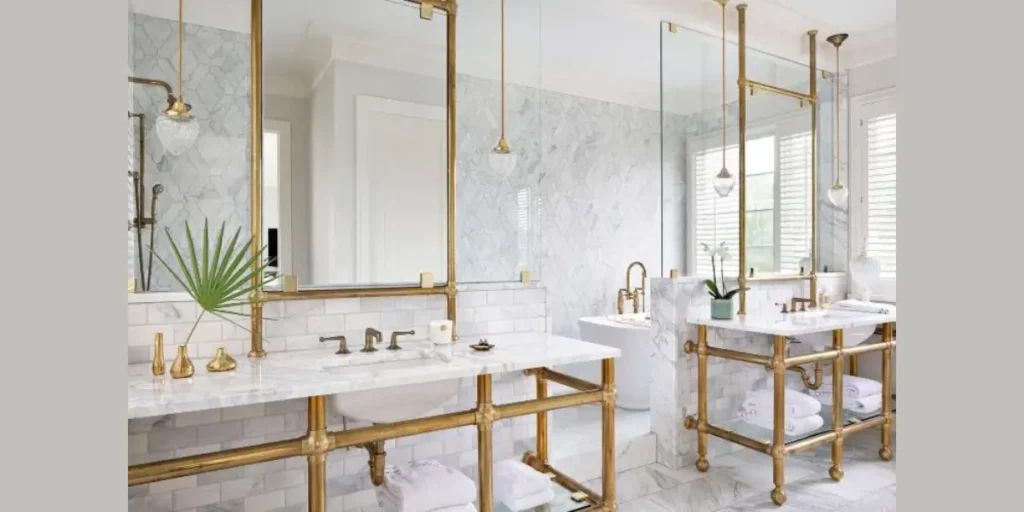
Pendant lights add personality while still serving a practical purpose. I use them when a bathroom design needs character without clutter.
Hung correctly, they provide focused lighting near the mirror.
I always consider height and spacing to prevent glare or obstruction. Symmetry plays a key role when using pendants for balance.
This lighting choice works best in medium to large bathrooms. Pendant lighting elevates the overall design while maintaining usability during daily routines.
6. Wall Sconces Beside Mirrors
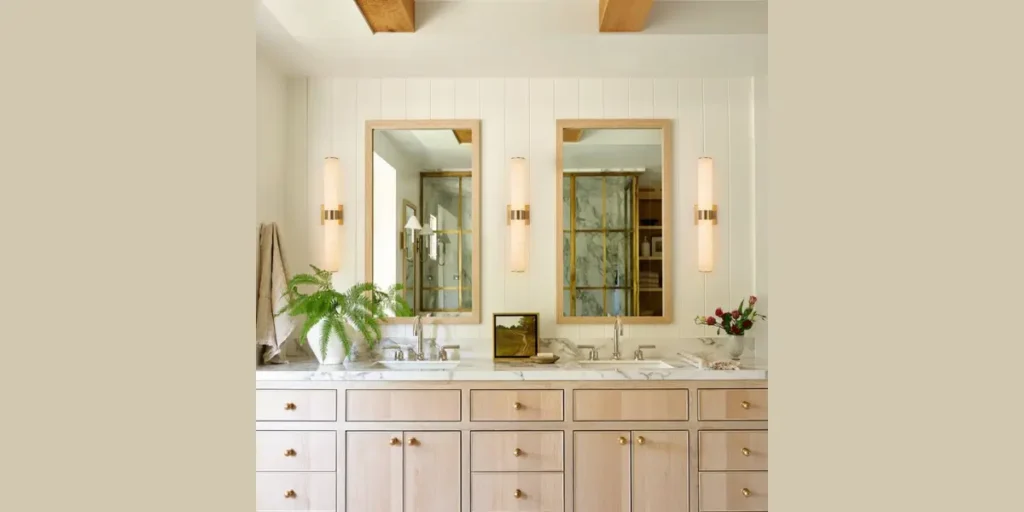
Wall sconces provide balanced lighting that improves visibility.
I often install them on both sides of the mirror to distribute light evenly across the face. This reduces shadows more effectively than overhead lighting.
Sconces also add architectural interest. Their placement frames the mirror and strengthens the bathroom’s visual structure.
This option suits both modern and traditional bathrooms. With the right fixture choice, wall sconces combine elegance with functional lighting support.
7. LED Strip Lighting Under the Vanity
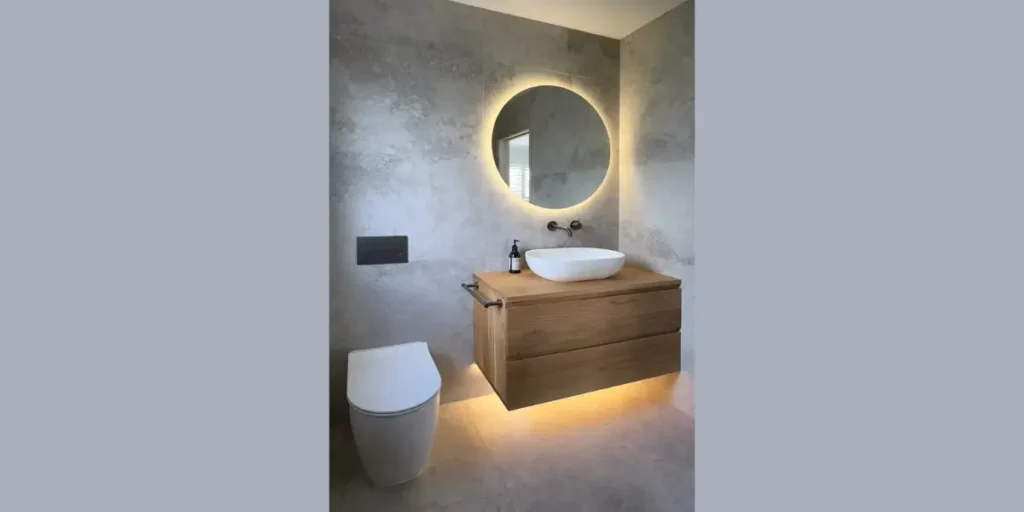
Under-vanity LED lighting adds subtle brightness without cluttering the space. I use it to create a floating effect that enhances modern bathroom interiors.
This lighting also improves safety at night. Soft illumination helps with navigation without requiring full overhead lighting.
LED strips are energy-efficient and discreet. When installed properly, they add depth and usability while maintaining a calm, refined atmosphere.
8. Shower Area Lighting
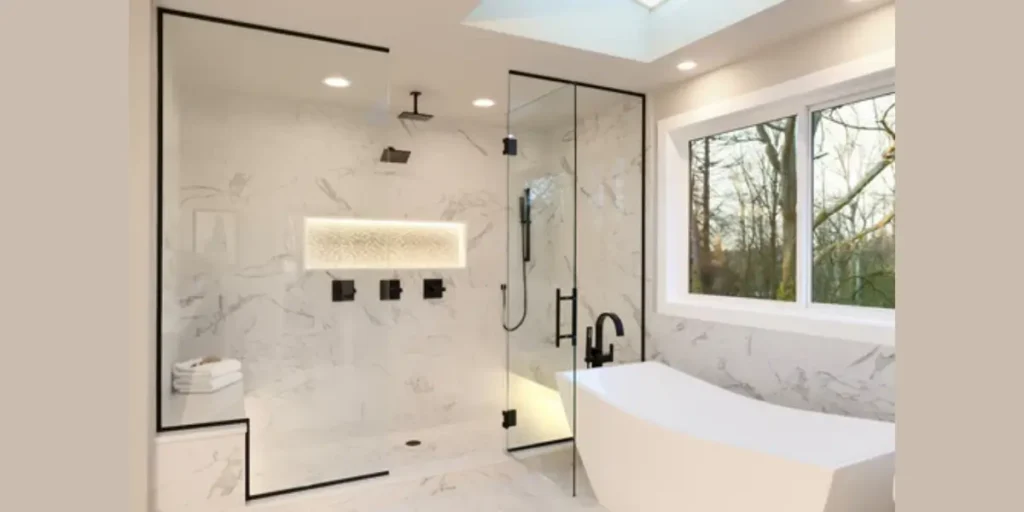
Shower lighting requires careful planning due to moisture exposure. I always select waterproof, rated fixtures to ensure safety and durability.
Well-lit showers improve visibility and comfort. Recessed or ceiling-mounted fixtures work best for even coverage without glare.
Proper shower lighting enhances both safety and design. It ensures the shower feels bright and inviting without overpowering the rest of the bathroom.
9. Natural Light Integration
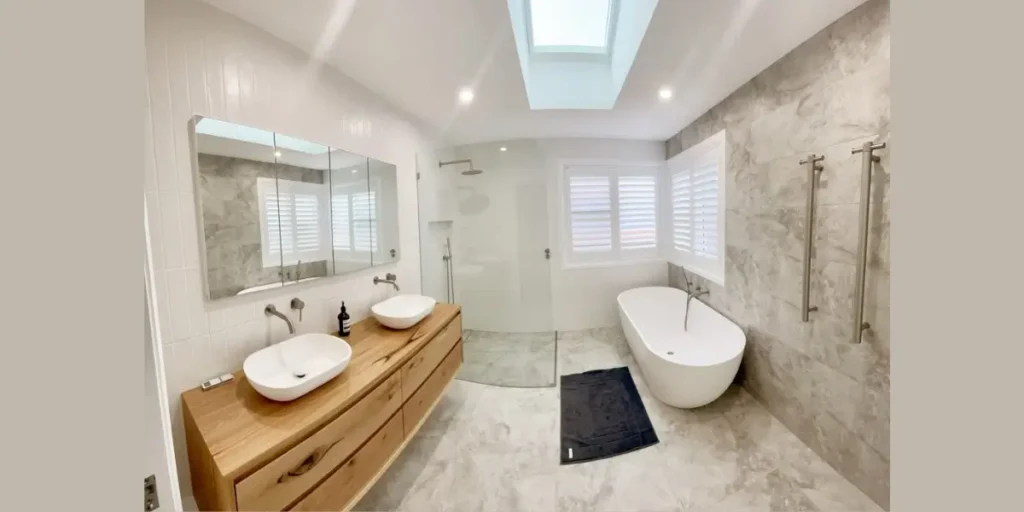
Whenever possible, I integrate natural light into bathroom design. Windows or skylights reduce reliance on artificial lighting and improve mood.
Natural light enhances color accuracy and creates a fresh atmosphere.
It also makes small bathrooms feel larger and more open.
This approach works best when combined with privacy solutions. With proper planning, natural light becomes a powerful design asset rather than a limitation.
10. Warm Ambient Bathroom Lighting
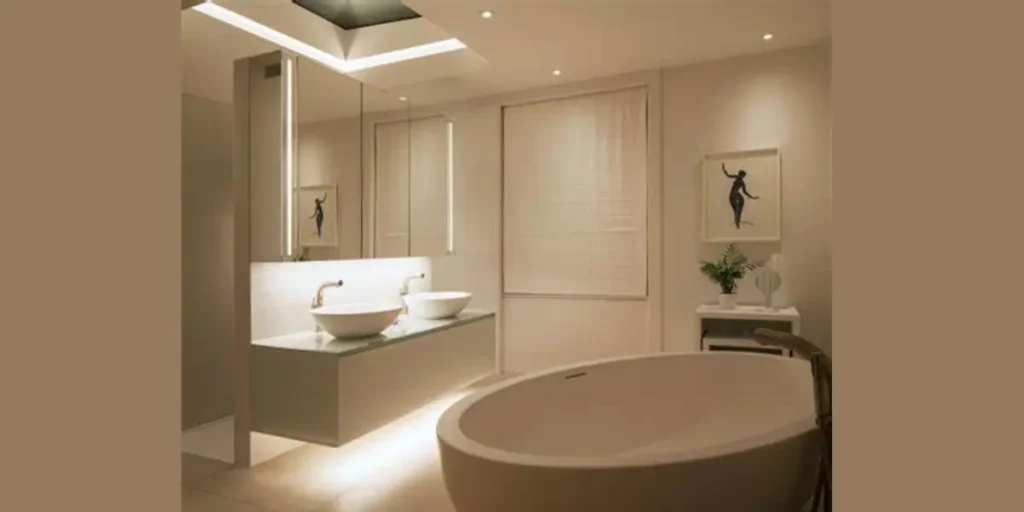
Warm ambient lighting creates a relaxed, comfortable environment.
I use warmer color temperatures to soften the space and reduce visual stress.
This lighting style works especially well in spa-inspired bathrooms. It encourages relaxation without compromising visibility.
Warm lighting pairs best with neutral tones and natural materials. It transforms the bathroom into a calming space rather than a purely functional one.
11. Dimmable Bathroom Lighting
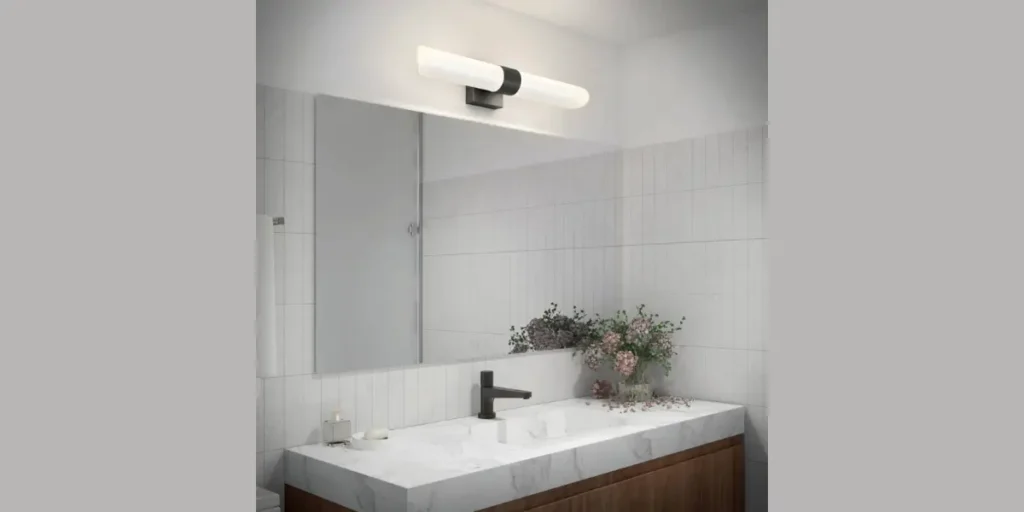
Dimmable lighting gives full control over brightness. I recommend it for bathrooms used at different times of day and night.
Lower light levels suit relaxation, while higher levels support cleaning and grooming. This flexibility improves daily comfort.
Dimmers also reduce energy use. They allow the bathroom to adapt naturally to changing needs without requiring multiple light sources.
12. Accent Lighting for Bathroom Features
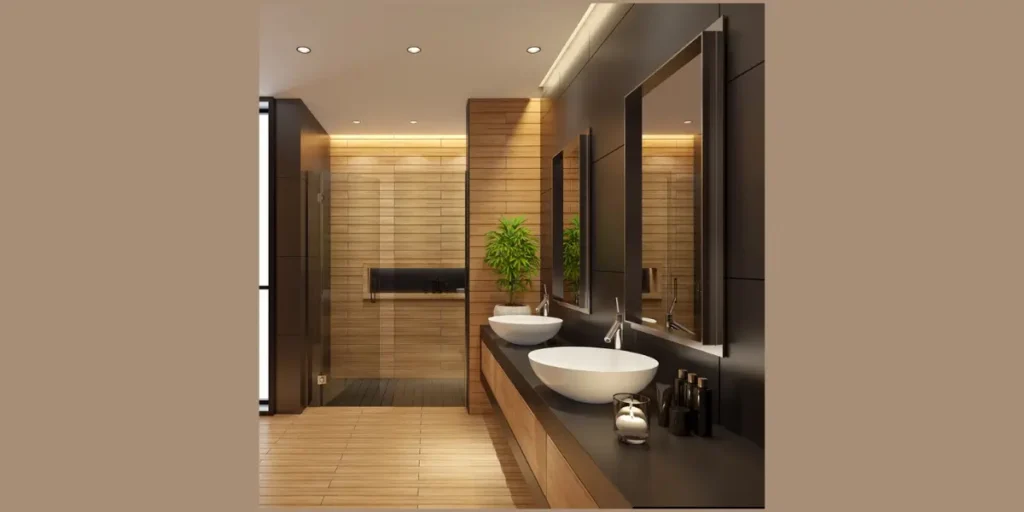
Accent lighting highlights design details such as niches, textures, or decorative elements. I use it to add depth without increasing overall brightness.
This lighting draws attention to intentional design choices.
It helps the bathroom feel layered and thoughtfully planned.
Accent lighting works best when subtle. Used correctly, it enhances visual interest without distracting from functionality.
13. Motion Sensor Night Lighting
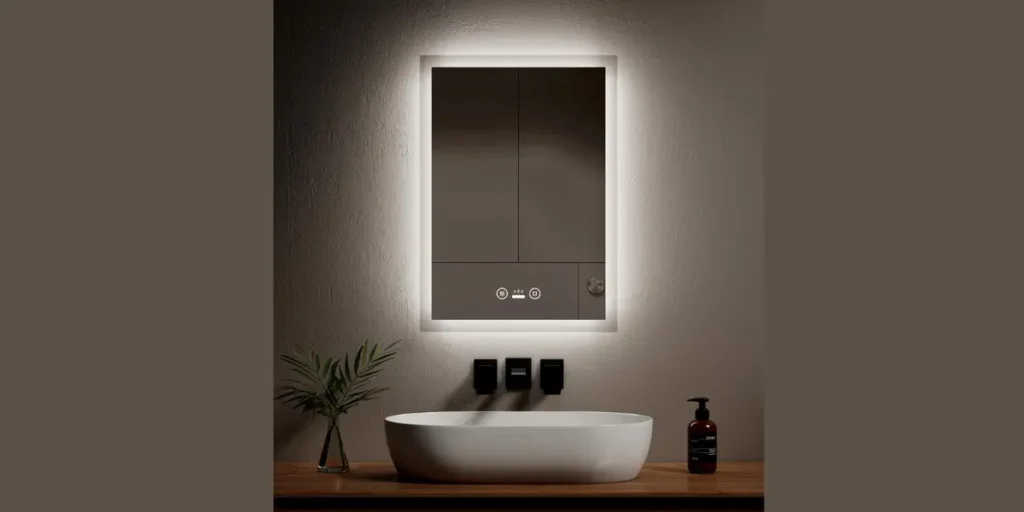
Motion sensor lighting adds convenience and safety to bathroom use, especially at night.
I often recommend this option for households where lights frequently turn on during late hours. The sensor activates gentle illumination without requiring switches.
I usually install low-level lights near the floor or under the vanity. This placement prevents harsh brightness while still providing enough visibility to move safely.
Motion sensor lighting also improves energy efficiency. Lights turn on only when needed and switch off automatically, making this solution practical, discreet, and ideal for everyday comfort.
14. Black Fixture Bathroom Lighting
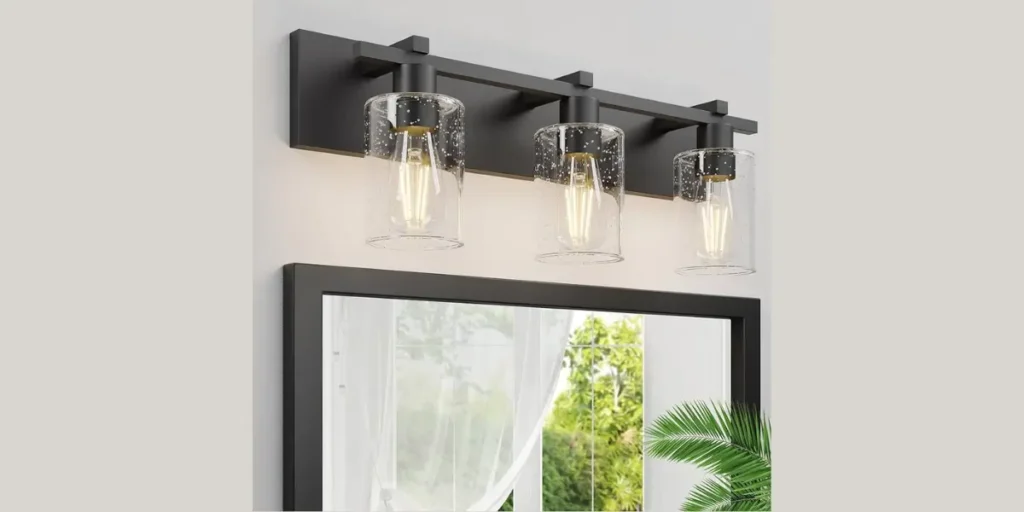
Black light fixtures bring contrast and definition to bathroom interiors.
When I use them, I focus on balance so the space feels intentional rather than heavy. Black fixtures work best as accents.
I often pair black lighting with light walls or neutral tiles to maintain visual clarity. This contrast highlights the fixture’s shape and adds architectural interest.
This lighting style suits modern and industrial bathrooms. Black fixtures add depth, structure, and a contemporary edge without relying on decorative excess or bold colors.
15. Smart Bathroom Lighting Systems
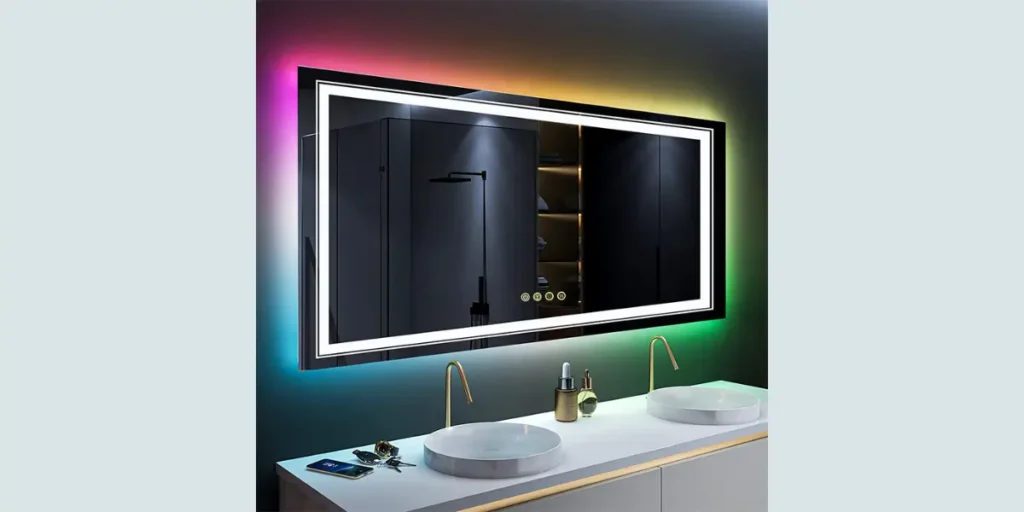
Smart lighting systems change how people interact with bathroom spaces. I use them to give users control over brightness, color temperature, and timing through apps or voice commands.
I integrate smart lighting carefully to avoid clutter.
Clean controls and seamless installation keep the bathroom design intact while improving functionality.
Smart lighting supports modern lifestyles by improving comfort and efficiency. It adapts lighting to daily routines and reduces energy waste, making it a forward-thinking and practical bathroom upgrade.
How to Plan Bathroom Lighting for Daily Comfort and Efficiency
When I plan bathroom lighting, I always think beyond aesthetics and focus on how the space is used throughout the day.
Different zones require different light levels, from grooming at the vanity to safe movement at night.
Color temperature, fixture placement, and control options all affect comfort and visibility. I also consider long-term maintenance and energy use.
When lighting is planned with real routines in mind, the bathroom feels balanced, functional, and easy to use rather than overlit or visually tiring.
Conclusion
Bathroom lighting shapes how the space feels, functions, and supports everyday routines.
Throughout this guide, I’ve shared lighting ideas that focus on clarity, comfort, and smart placement rather than decoration alone.
When lighting aligns with real usage, grooming, relaxation, and safety, the bathroom becomes easier and more enjoyable to use.
I always encourage thoughtful planning, layered solutions, and flexible controls to avoid harsh or insufficient lighting.
With the right approach, bathroom lighting enhances both design and daily experience, creating a space that feels balanced, welcoming, and practical for long-term use.
FAQs
For grooming, I recommend task lighting placed at face level around the mirror. This setup reduces shadows and improves visibility for shaving or makeup. Overhead lights alone usually create uneven lighting and should be supported with focused task lights.
Most bathrooms work best with at least three light sources: ambient, task, and accent lighting. I use ambient lights for overall brightness, task lights for functionality, and accent lights for depth. This combination prevents harsh lighting and improves comfort.
Yes, LED lights are safe when rated for bathroom environments. I prefer LEDs because they consume less energy, last longer, and offer consistent brightness. Moisture-rated LED fixtures work well near sinks and showers.
In small bathrooms, I use recessed lights and mirror lighting to avoid clutter. Light color temperatures and reflective surfaces help make the space feel larger. Proper placement matters more than the number of fixtures.
I create a relaxed mood by using warm lighting and dimmers. Lower brightness levels reduce visual stress and support relaxation. Accent lighting also helps soften the space without removing functionality.