
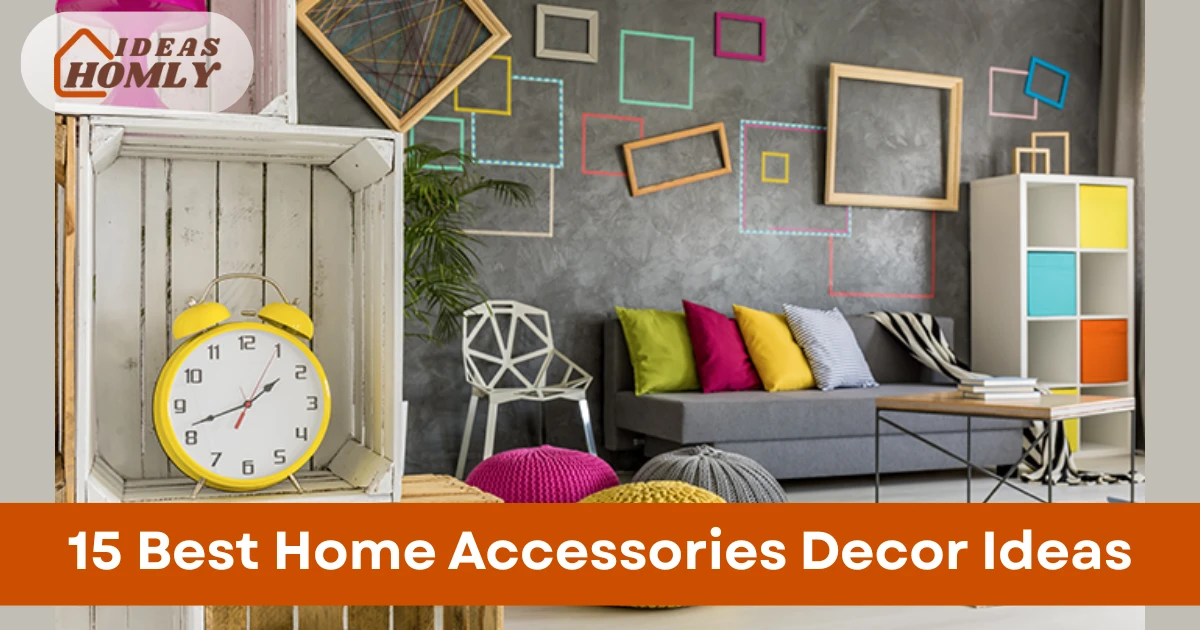

I believe that the right accessories act like the perfect jewelry for a boring outfit in your living room. You probably have the big furniture pieces ready but feel like your space still lacks that professional finished look.
The Art of Styling Small Decorative Objects
I found that the most common mistake people make is buying random items without a clear plan for placement. Your home should look like a curated collection of your life rather than a messy warehouse sale of plastic.
Successful decorating involves picking pieces that speak to your personality while maintaining a sense of visual order and balance. I prefer items that have a story to tell or remind me of a specific place I visited.
You must think about how each small object interacts with the larger furniture pieces to create a cohesive design. A tiny candle looks lost on a giant table so you must learn to group your items correctly.
Focus on quality materials like stone and wood to give your interior a high end feel without spending too much. These natural elements age beautifully and never go out of style like cheap plastic trends often do.
1. Using Trays to Organize Coffee Table Clutter
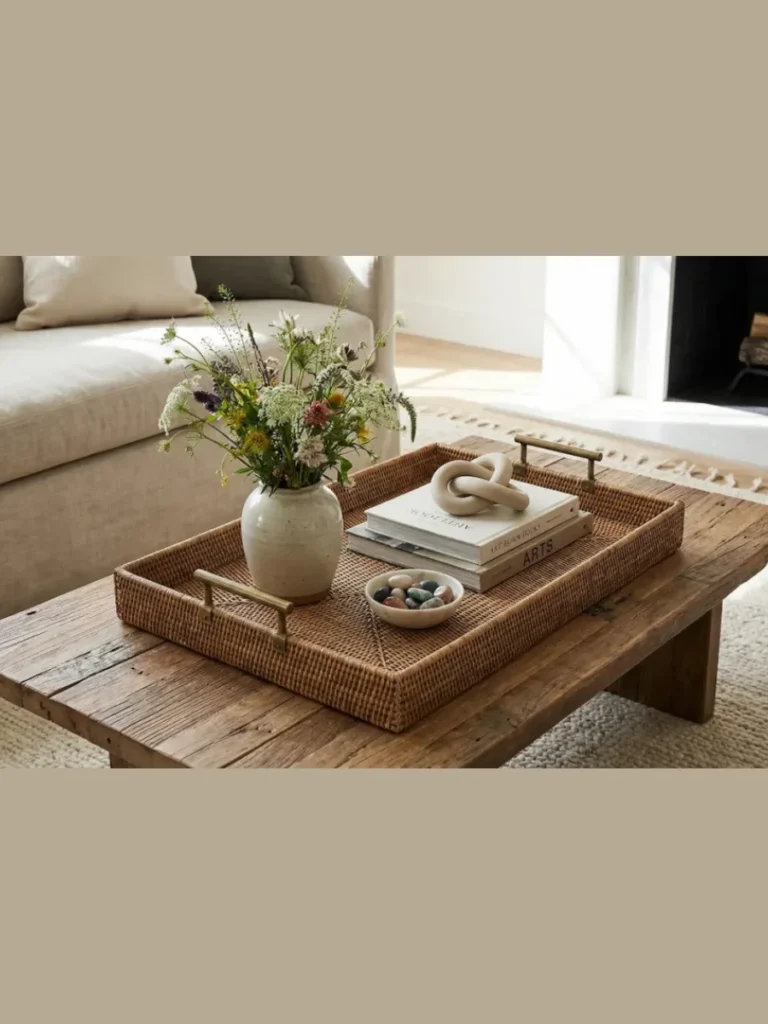
A large decorative tray is my secret weapon for making a messy table look like a professional magazine spread. It corrals all your small items into one defined zone so they don’t wander across the whole surface.
I place a stack of books and a small candle inside the tray to create a simple vignette. This method makes it easy to move everything at once when you actually need to use the table.
You should choose a material that contrasts with your table surface to make the tray pop and catch eyes. A marble tray looks stunning on a dark wooden table while a wooden tray warms up a glass top.
I found that round trays work best on rectangular tables to soften the sharp corners and add visual interest. This simple swap changes the energy of the room and makes your styling look much more intentional.
2. Layering Textiles with Throw Pillows and Blankets
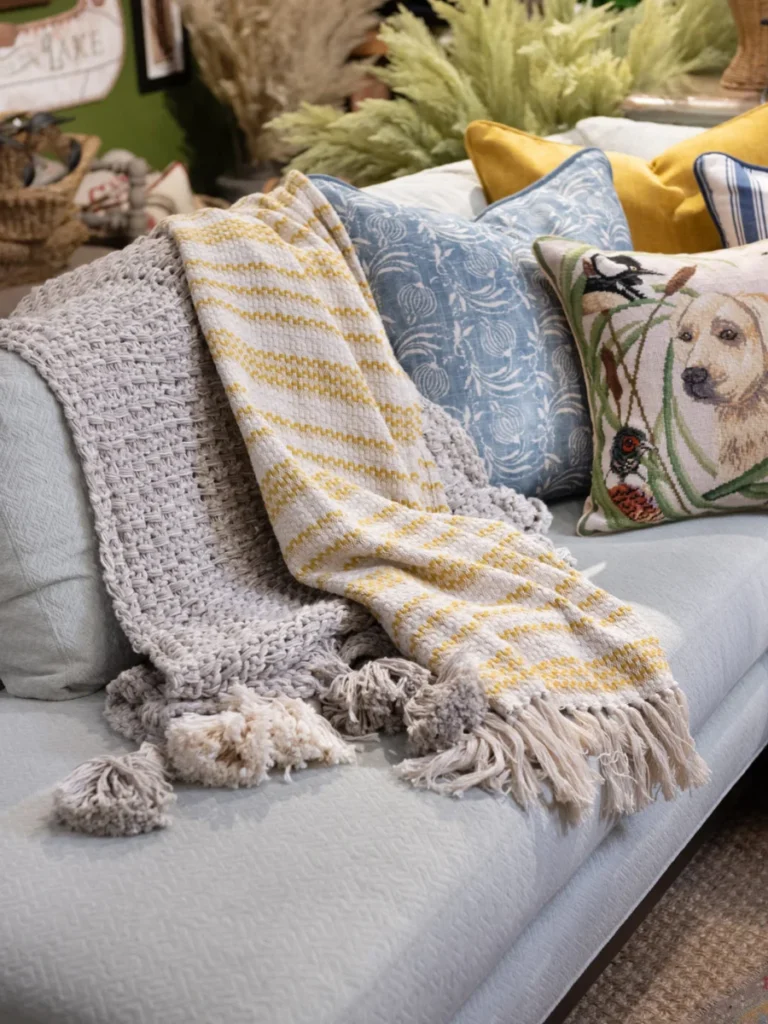
Mixing different fabrics is the easiest way to make a cold sofa feel warm and inviting for guests. I suggest using a variety of textures like velvet and linen to create a rich look through simple contrast.
You should use larger pillows at the back and smaller ones in the front to give your seating depth. This layering technique prevents the sofa from looking flat and provides extra comfort for your afternoon naps.
I always choose one solid color that matches my rug and pair it with two subtle patterned covers. Avoid using more than three different patterns to keep the look from becoming a chaotic mess of shapes.
A chunky knit blanket draped over one corner adds a cozy vibe that makes people want to sit down. This accessory is functional for cold nights and adds a soft layer to your hard furniture pieces.
3. Creating Height with Statement Table Lamps
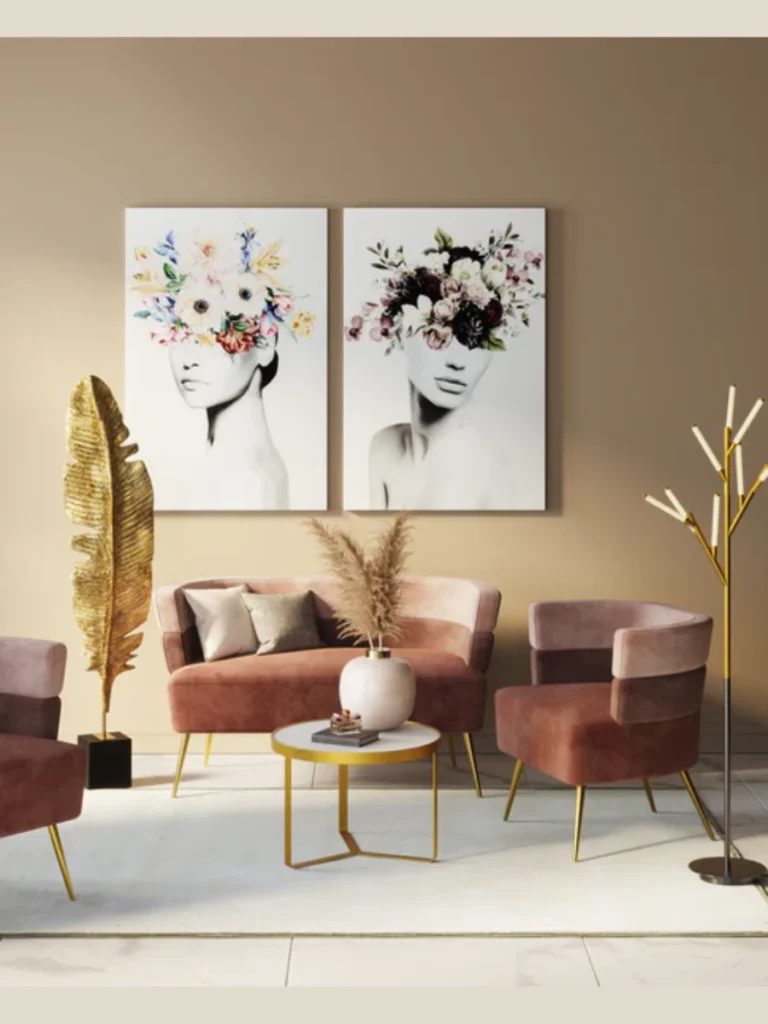
Lighting serves as both a functional tool and a sculptural element that draws the eye upward in a. I never rely on just one overhead light because it makes every accessory look flat and very unappealing.
A tall lamp with a unique base acts as a focal point on a side table or console. I look for ceramic or metal bases that add a bit of shine and personality to the room.
You should place lamps at different heights throughout the room to create a warm and balanced glow at night. This eliminates dark corners and makes your decorative accessories stand out even after the sun goes down.
I prefer warm yellow bulbs to create a welcoming atmosphere that feels like a hug when you enter. Proper lighting temperature is the hidden secret that separates professional homes from basic living spaces.
4. Incorporating Greenery and Sculptural Plants
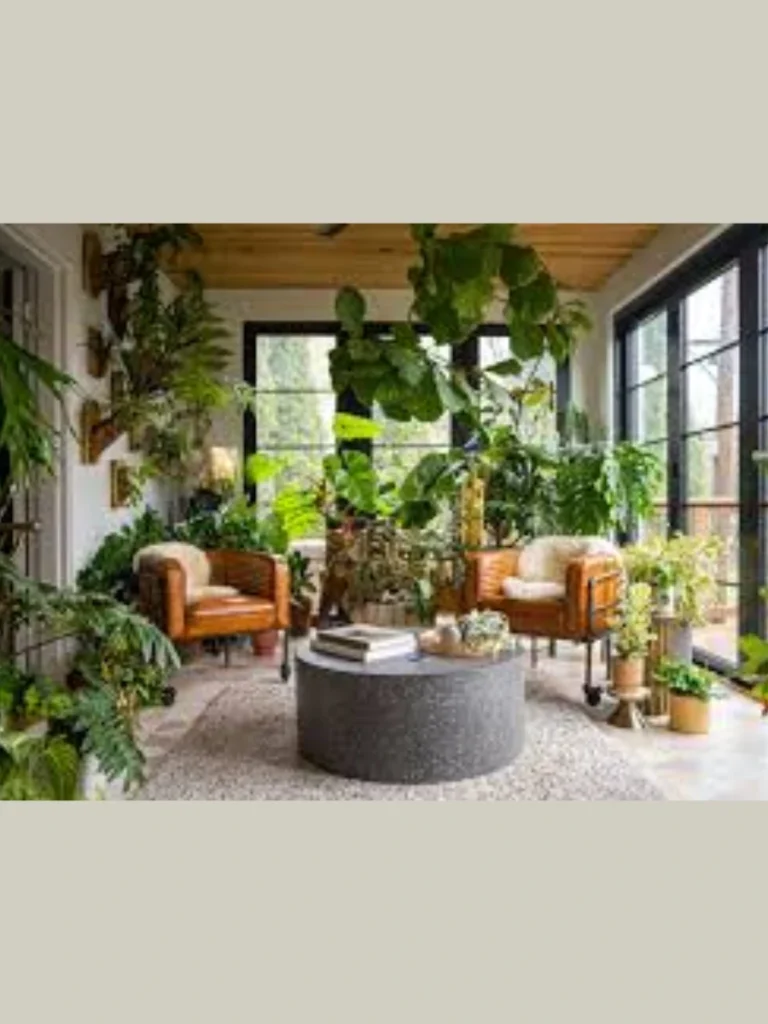
I believe a room without plants is like a garden without soil because it lacks life and energy. Adding a tall tree in a corner fills awkward empty space and brings a natural softness to the.
Low maintenance options like snake plants are perfect if you usually forget to water your green friends every week. These hardy plants thrive in low light and still look incredibly stylish in a modern ceramic pot.
I use small succulents on my bookshelves to add a pop of organic color between the heavy book stacks. This small detail keeps the shelving from looking too dusty and gives the eye a place to rest.
Trailing plants like ivy look amazing when placed on top of a cabinet or a high floating shelf. The hanging leaves create a vertical line that makes your ceilings feel much taller than they actually are.
5. Styling Bookshelves with the Rule of Thirds
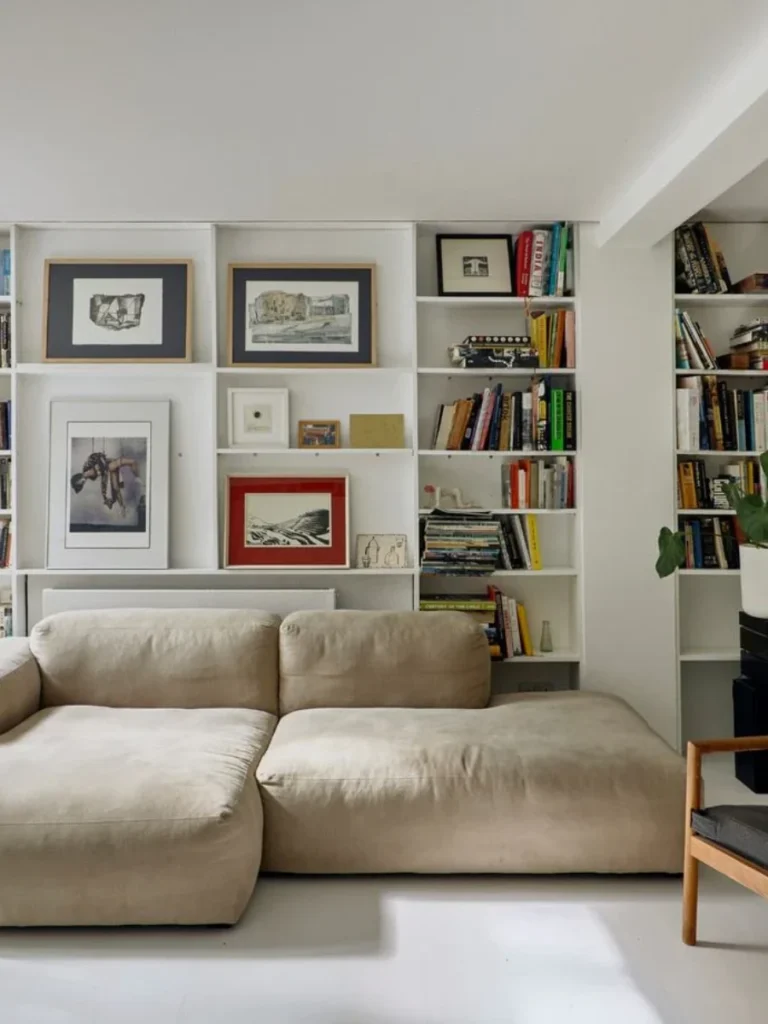
A shelf should never be just a place to store books that you never intend to read again. I arrange my books both vertically and horizontally to create a visual rhythm that feels active and fun.
You should leave about thirty percent of your shelf space empty to prevent the look from becoming too. This negative space allows your favorite decorative objects to actually be seen and appreciated by your guests.
I place small sculptures or framed photos on top of horizontal book stacks to add a personal touch. Mixing these items with your reading collection shows off your personality and keeps the styling very authentic.
Keep heavier items on the lower shelves to anchor the unit and make it feel structurally sound and. This simple organization trick creates a balanced look that is much easier on the eyes for everyone.
6. Strategic Mirror Placement for Depth
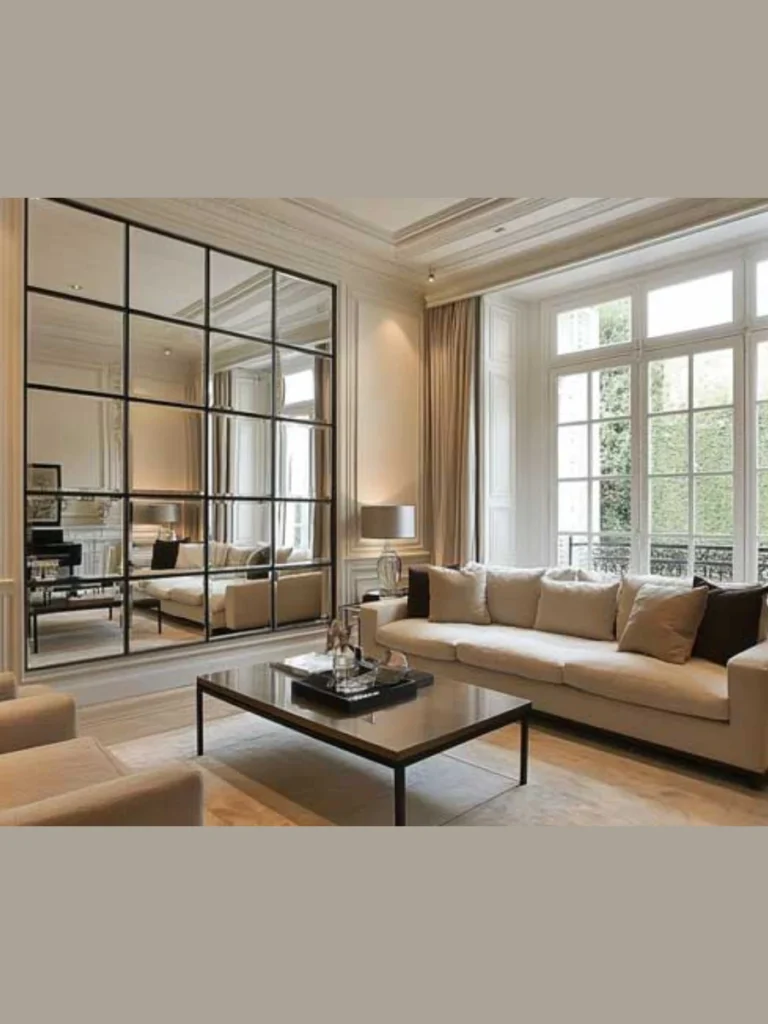
I use mirrors to fake a larger room when the square footage feels a bit too tight for comfort. A large mirror reflects the rest of your accessories and doubles the visual impact of your favorite decor pieces.
You should place a mirror opposite a window to capture natural light and bounce it into dark corners. This simple positioning makes the whole space feel airy and much more expensive than it actually is today.
I prefer frames with interesting textures like brushed brass or weathered wood to add a layer of style. A mirror is not just a tool for checking your hair but a massive piece of wall art.
Leaning a tall floor mirror against a wall provides a relaxed vibe that feels modern and very approachable. It adds a vertical element that draws the eye upward and makes your ceilings look impressively high.
7. Using Decorative Bowls for Practical Style
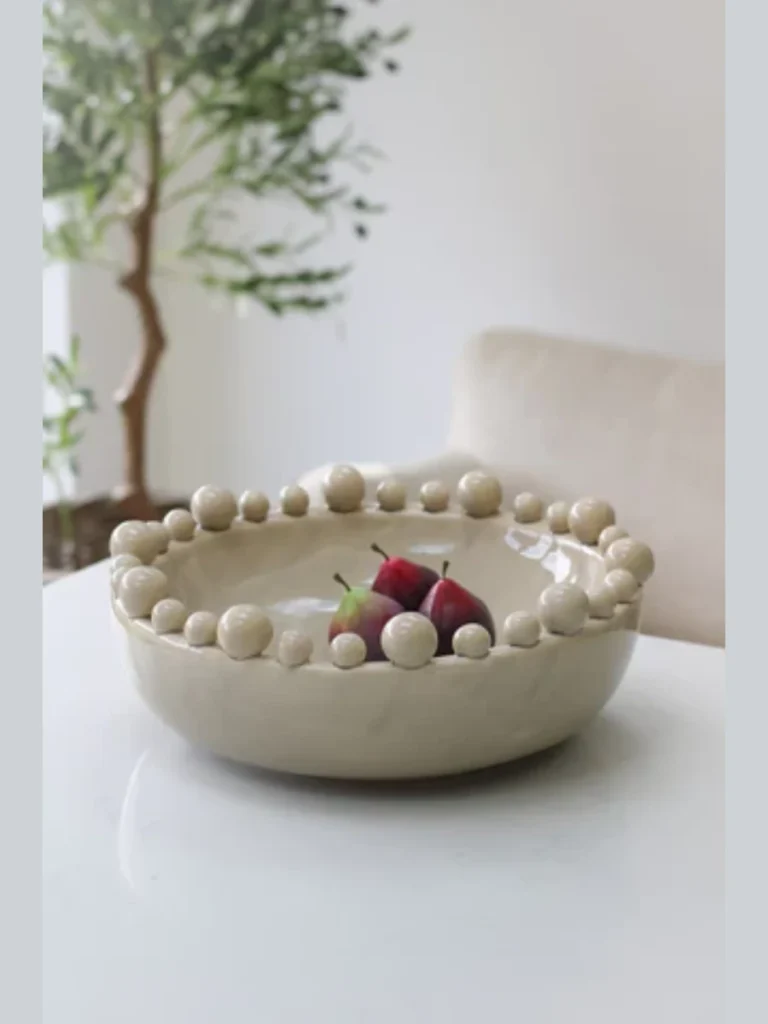
A beautiful wooden bowl on an entry table is the perfect spot for your keys and loose change. I hate seeing piles of junk on a flat surface so I use bowls to contain the chaos.
I choose bowls with unique organic shapes to contrast with the straight lines of my modern furniture pieces. This contrast creates a sense of balance and makes the accessories look like they were carefully chosen.
You can fill a large glass bowl with seasonal fruit or moss balls to add a quick pop. This is an affordable way to change your decor throughout the year without buying brand new items every month.
I place smaller ceramic bowls on top of a stack of coffee table books for extra height. This layering technique adds depth and makes your table styling look like it was done by a professional.
8. Scented Accessories for Sensory Decor
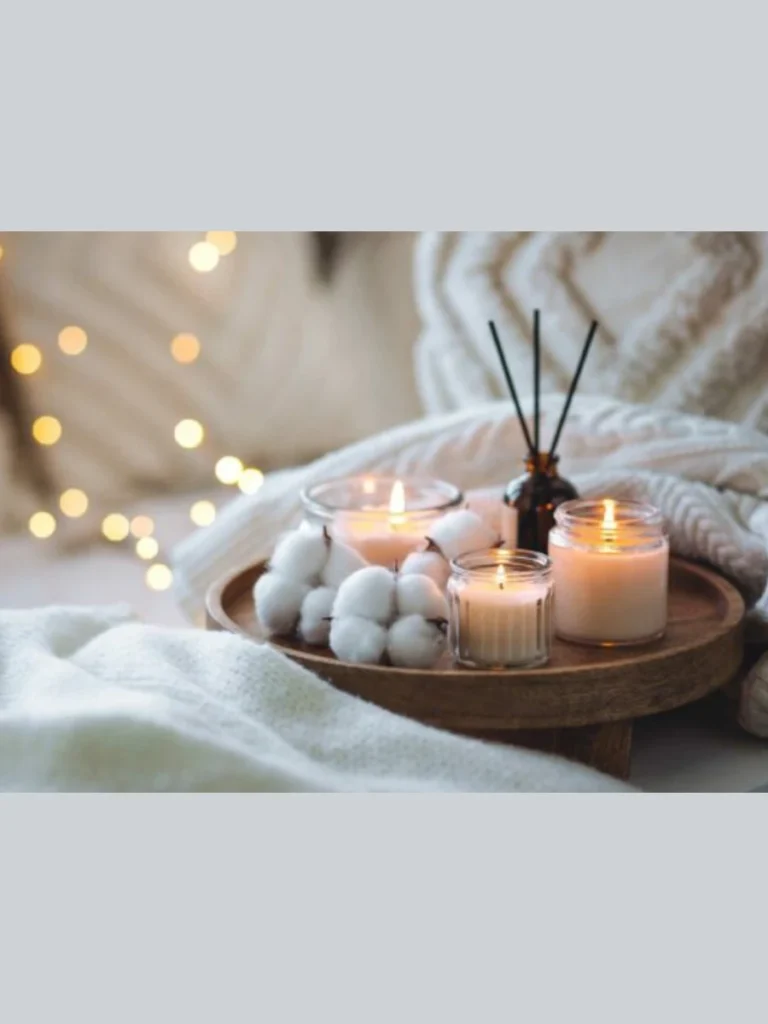
I believe a home should smell as good as it looks to create a truly welcoming environment. Scented candles in glass jars provide a warm glow while filling the air with your favorite calming aromas.
You should group candles in sets of three on a tray to create a flickering focal point. Using different heights for each candle makes the arrangement look much more intentional and visually interesting for guests.
I also use reed diffusers in bathrooms and hallways where I do not want an open flame burning. They offer a constant light fragrance and the glass bottles act as a sleek decorative accessory on shelves.
Choosing scents that match the season helps your home feel connected to the world outside your front door. Fresh linen is great for spring while spicy wood tones make a winter living room feel cozy.
9. Wall Art Groupings for Personal Character
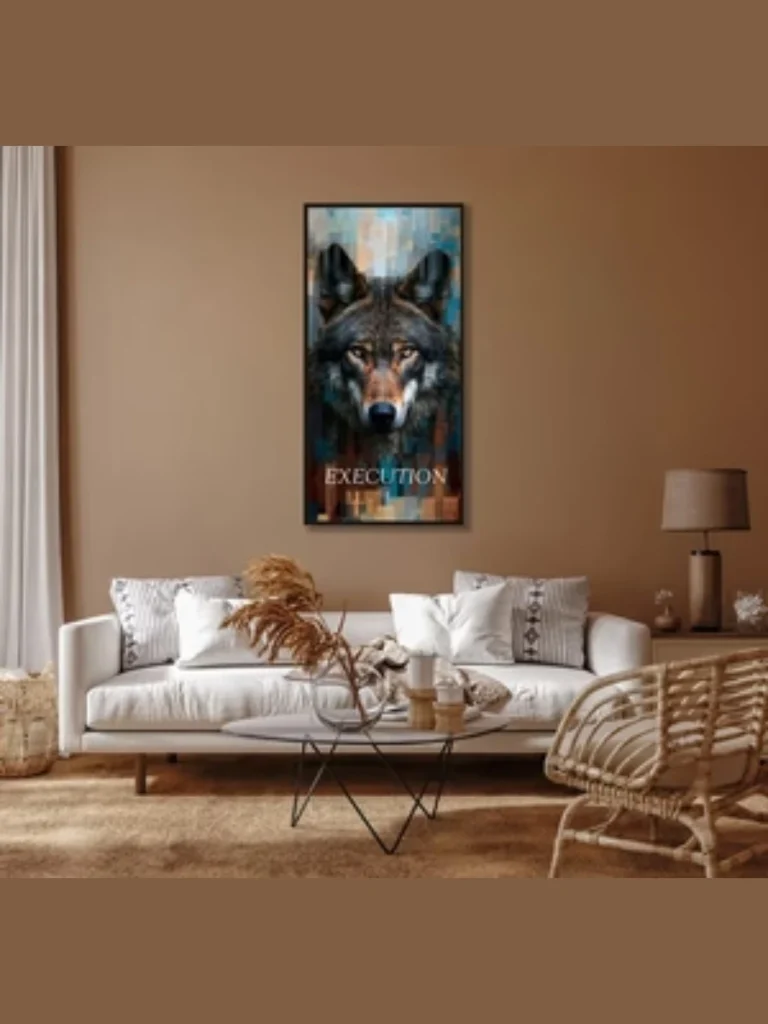
Blank walls are missed opportunities to show off the things that make you smile every single day. I prefer creating a gallery wall with a mix of personal photos and abstract art prints for variety.
You should keep the spacing between your frames consistent to ensure the whole collection looks unified and neat. Use a level to make sure nothing is tilted because a crooked frame will drive you absolutely crazy.
I mix different frame colors like black and gold to keep the wall from looking too stiff. This eclectic approach feels much more authentic and shows that your home has evolved naturally over many years.
Focus on a central theme or color palette to keep the different pieces of art feeling connected. A cohesive wall tells a story about your life and acts as a massive conversation starter for visitors.
10. Decorative Baskets for Soft Storage
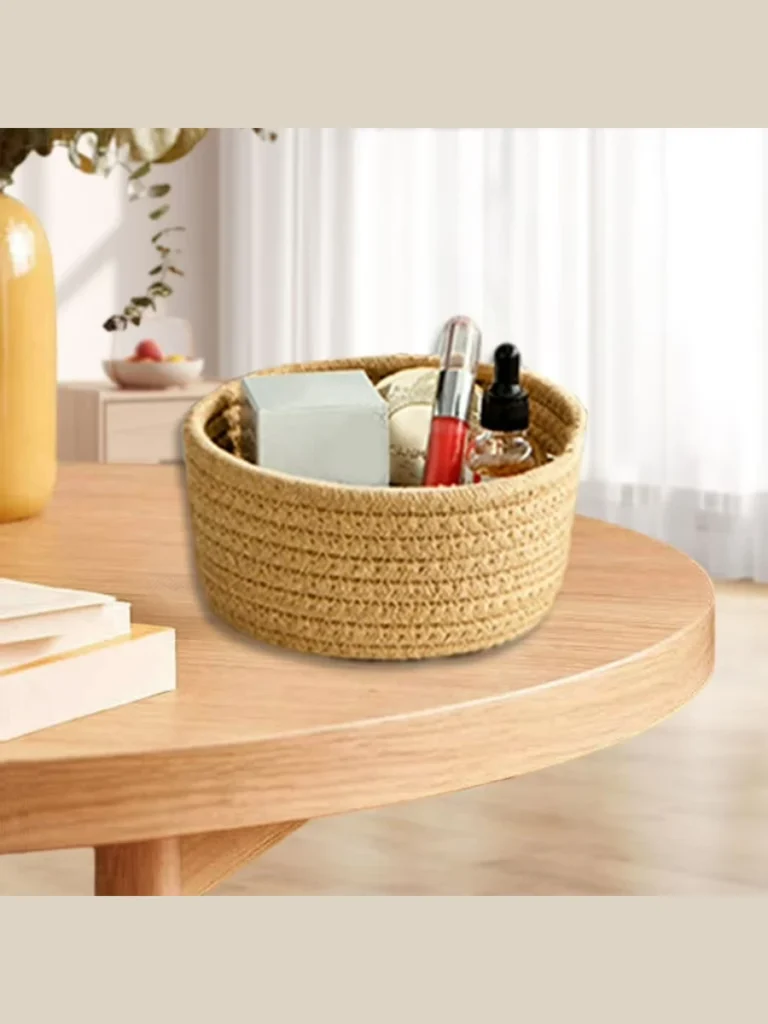
I use woven baskets to hide the ugly plastic toys or tangled charging cables that clutter my floor. They provide a soft texture that balances out the hard surfaces of metal or wooden storage units.
You can tuck a large basket under a side table to make use of every inch of space. This keeps your extra blankets within reach while adding a cozy organic element to the room’s overall layout.
I love seagrass and jute materials because they add a natural earthy tone to a neutral color. These materials are durable and provide a nice contrast to smooth fabrics like velvet or high end silk.
Using a set of matching baskets on an open shelf keeps your smaller items organized and hidden. This creates a clean look that is much easier to maintain during a busy work week at home.
11. Sculptural Objects for Visual Interest
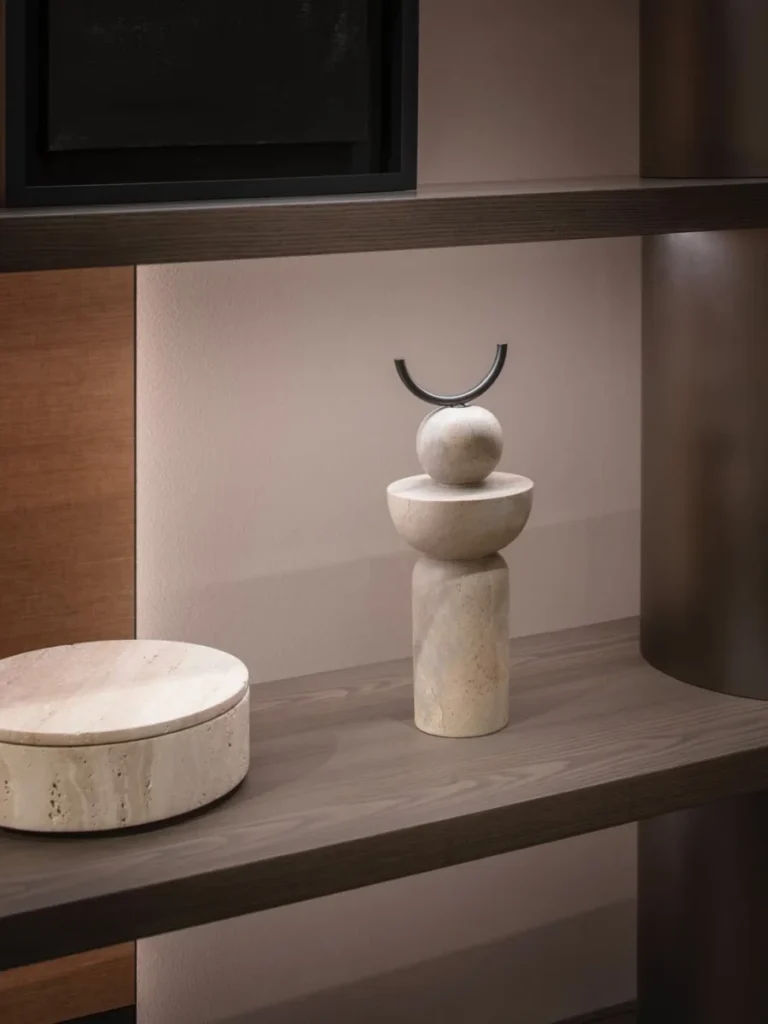
A unique sculpture on a shelf acts as a resting point for the eye among rows of books. I look for interesting shapes like spheres or geometric blocks to break up the straight lines of furniture.
You should choose pieces with a different texture than the shelf itself like a rough stone or metal. This play of materials makes your home feel rich and layered without requiring a lot of floor space.
I often find my favorite sculptural pieces at local craft markets or small vintage shops in my city. These one of a kind items give your home a unique personality that you cannot find in stores.
Place a single bold object on a pedestal to give it the attention it deserves in your room. This creates a high end gallery feel that makes your personal style look much more sophisticated and intentional.
12. Using Decorative Wall Hooks for Utility
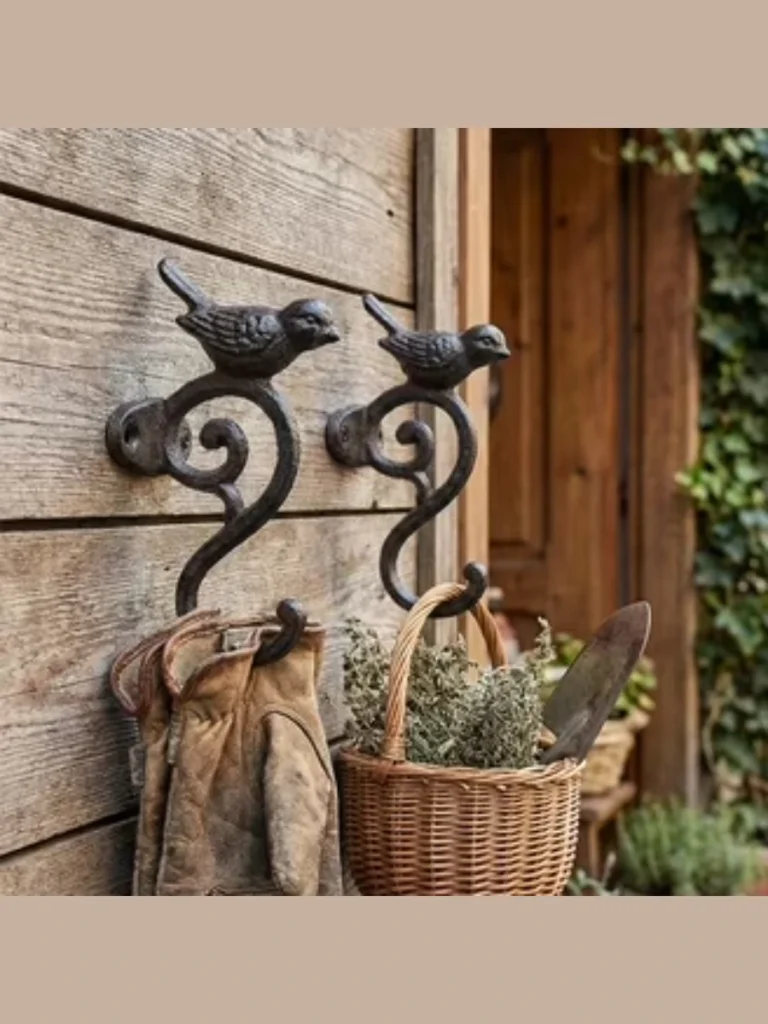
I believe even the most functional items like coat hooks should look beautiful on your entryway walls. Choosing brass or matte black hooks adds a touch of style to a space that is often.
You can arrange hooks in a random pattern to create a functional piece of art for your bags. This keeps your daily essentials off the floor and organized in a way that looks very cool.
I use sturdy hooks in the bedroom to hang my favorite hats or a beautiful linen robe. It turns your everyday items into part of the room’s decor while keeping your closet much more organized.
Make sure to mount them at different heights to accommodate everything from long coats to small keys. This thoughtful layout ensures that every member of the family can reach their own specific hanging spot.
13. Statement Vases for Fresh Floral Displays
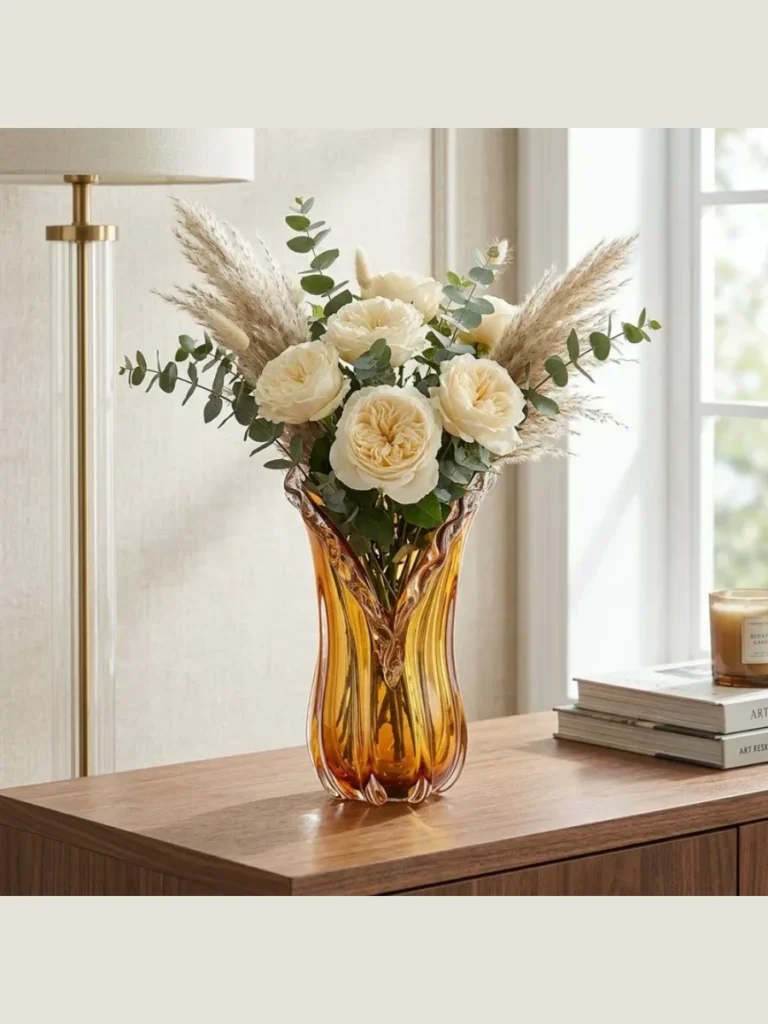
A tall ceramic vase is the perfect way to add a vertical line to a low. I always keep a few different sizes on hand to match whatever flowers are currently in season.
You should display empty vases as sculptural pieces when they are not holding a fresh bouquet of roses. Their shapes and colors contribute to the room’s style even without any greenery inside of them today.
I prefer matte finishes because they don’t show fingerprints and look much more modern under bright room lights. Grouping two or three vases of the same color but different shapes creates a very strong look.
Place a large floor vase in a corner to fill a gap and add a touch of. It provides a sense of scale that makes the whole room feel more balanced and professionally designed.
14. Decorative Clocks as Timeless Wall Pieces
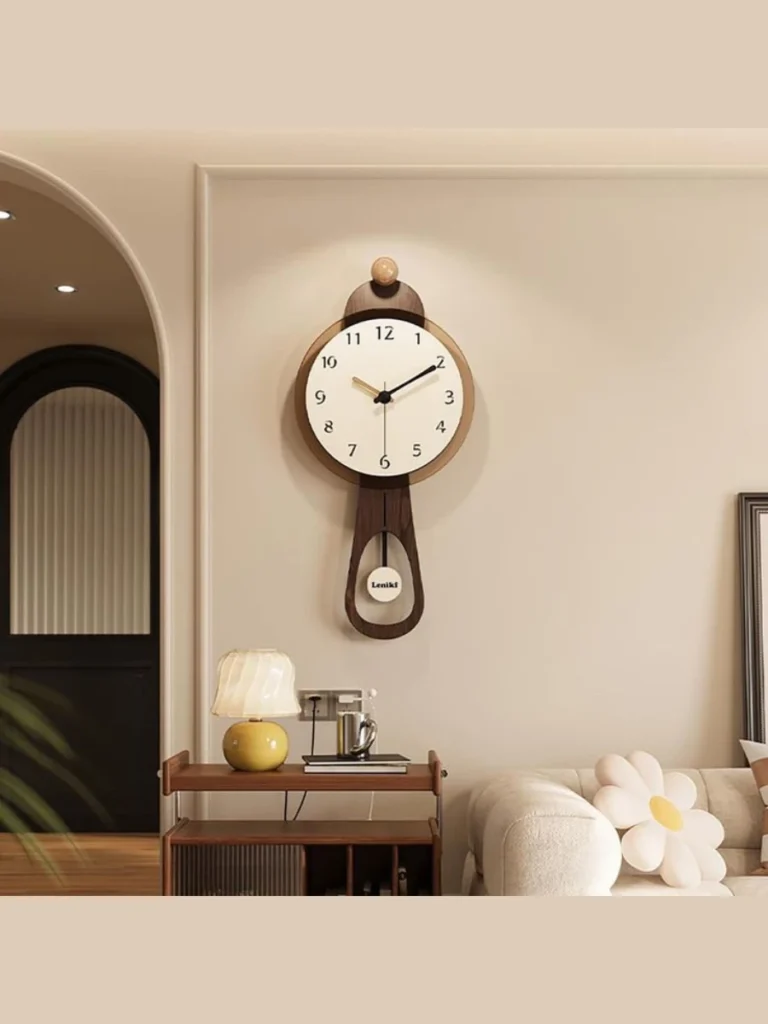
I find that a large wall clock acts as a great anchor for a kitchen or office. It provides a classic look that is both functional and a strong decorative statement for your walls.
You should choose a design that matches the metal finishes found in your lighting and cabinet hardware handles. This consistency makes the whole room feel like it was designed by a single professional hand yesterday.
I love oversized wooden clocks for a rustic vibe that adds warmth to a white painted wall space. They fill up a large empty area without the need for multiple smaller pieces of expensive art.
Smaller desk clocks are perfect for adding a bit of vintage charm to your bedside table or shelf. They are small accessories that carry a lot of character and help you stay on schedule daily.
15. Metallic Accents for a Touch of Shine
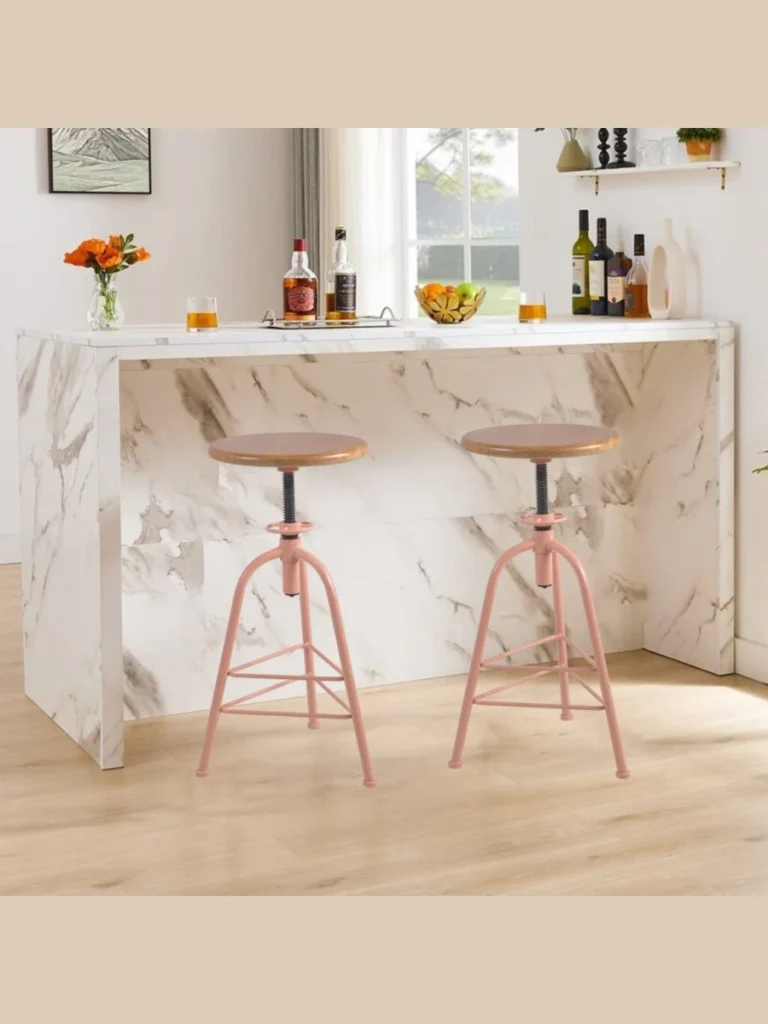
A few brass or gold accessories can instantly lift the mood of a dark and moody interior. I use small metallic figurines or picture frames to catch the light and add a bit.
You should limit your metal tones to two per room to keep the look from becoming too. Mixing silver and gold can work if you have a dominant metal that ties everything together nicely.
I place a metallic tray on a footstool to turn it into a functional and stylish side table. This adds a bit of glamor to a casual piece of furniture and serves as a base.
Use metal bookends to keep your library in place while adding a sleek and modern touch to shelving. These small details provide a polished finish that makes your home accessories decor ideas feel complete.

STUOARTE Red Rose Print Fashion Car Handbrake Cover Gear Shift Knob Cover Set of 2PCs, Smooth Breathable Comfortable Auto Interior Accessories Decor
STUOARTE Red Rose Print Fashion Car Handbrake Cover Gear Shift Knob Cover Set of 2PCs,…
Interior Accessory Placement Guide
| Location | Key Accessory | Goal |
| Entryway | Decorative Bowl | Catch keys and create a tidy first impression |
| Living Room | Textured Throw | Add comfort and soften the look of the sofa |
| Dining Table | Tall Statement Vase | Create a focal point that adds vertical height |
| Bookshelves | Sculptural Object | Break up book rows and add personal character |
Strategic Placement Tips for Maximum Visual Impact
I often find that where you put an item is just as important as the object itself. You should place your most interesting accessories in areas where the eye naturally lands when entering a room.
I use the concept of visual weight to ensure that one side of my room doesn’t feel heavier. Balancing a large lamp on one side with a tall plant on the other creates a stable environment.
You must consider the viewing angle from both a sitting and a standing position for your shelf decor. This ensures that your favorite pieces look great whether you are relaxing on the sofa or walking.
Focus on creating small “moments” or vignettes on every flat surface to keep the design feeling very intentional. These tiny scenes act as personality anchors that make your entire house feel like a curated home.
Conclusion
I hope these ideas help you see that decorating is about the small details that reflect you. Focus on grouping your items and mixing textures to create a home that feels warm and very.
You don’t need to buy everything at once to have a space that looks like a professional. Take your time to find pieces that you truly love and that serve a real purpose daily.
I found that rearranging my current accessories is often enough to give a room a brand new. Don’t be afraid to experiment with different heights and materials until the balance feels just right to.
Your home is a work in progress and these accessories are the tools that help it grow. Happy styling to all my fellow decor fans who want a space that feels perfectly like home.
FAQs
Use trays to group small items and leave some empty space on your shelves for the eye. Following the rule of three helps keep your arrangements looking intentional rather than like a random mess.
Yes, you can mix metals like brass and black as long as one finish is more dominant. Consistent metal tones across your accessories and hardware help the room feel cohesive and professionally designed.
Start with a large tray and add a stack of books, a candle, and a small. This creates a layered look that is easy to move and keeps your surface organized for daily.
The mirror should be about two thirds the width of the furniture piece it hangs above for. A mirror that is too small will look lost while one too big might overwhelm the.
They do not have to match but keeping a consistent color or material helps the wall look. Mixing frame styles is fine if the art inside follows a similar theme or color palette.
Related Posts
- Top 10 Stage Decor Tips
- 11 Best Home Decorating Tips Interiors
- Top 12 Home Decor Tips
- 13 Best Furniture for New Apartment Ideas
- Top 14 furniture mirror ideas
- 15 Best Furniture for Baby Girl Room Ideas