
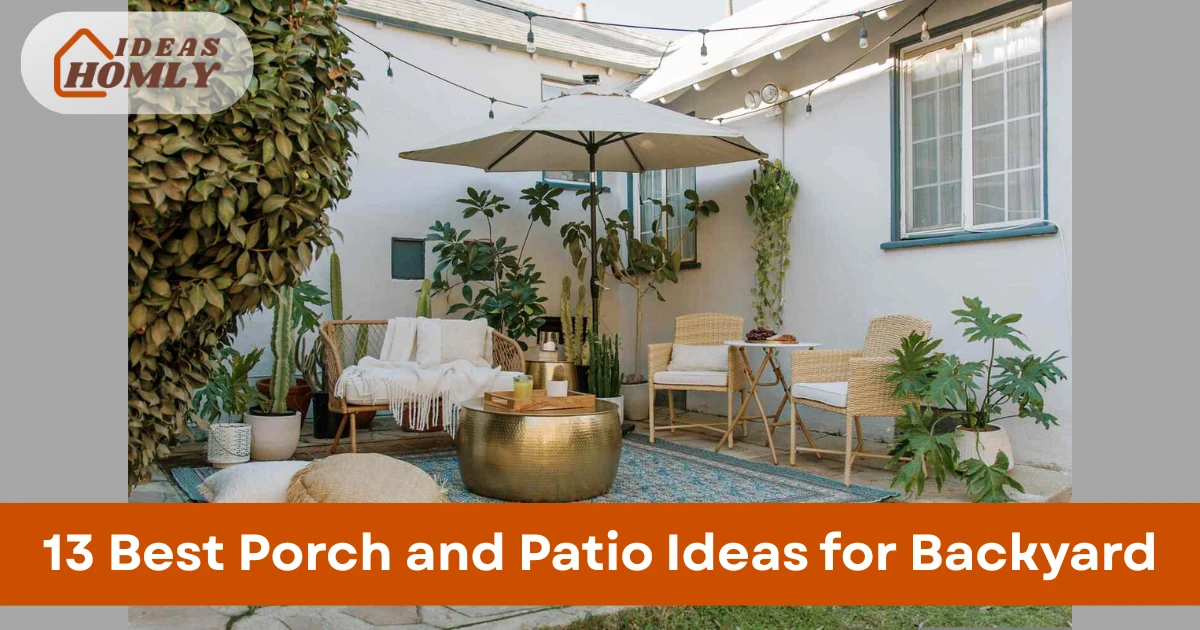

Whether you want a peaceful spot for your morning coffee or a massive zone for weekend barbecues, picking the right layout is the first step toward a better home. I believe that your backyard should feel like a natural extension of your indoor living room rather than just an abandoned patch of grass.
Planning Your Perfect Outdoor Living Space
You need a solid plan before you start dragging heavy furniture across your lawn like a confused landscaper. I suggest measuring your available area twice so you do not end up buying a massive sectional that blocks your back door.
Think about how you actually spend your time outside instead of just following every expensive trend you see on social media. I find that focusing on the flow between your indoor kitchen and the outdoor grill makes hosting far less stressful for everyone.
Lighting and shade are the two things people always forget until they are sitting in the dark or melting in the sun. You should consider where the sun hits at peak hours to decide if a permanent roof or a simple umbrella works best.
Budgeting for materials like stone or wood early prevents that awkward moment when you run out of money halfway through the project. I always tell my friends to prioritize the foundation first because a shaky patio is just a trip hazard waiting to happen.
1. Traditional Brick Paver Patio Layouts
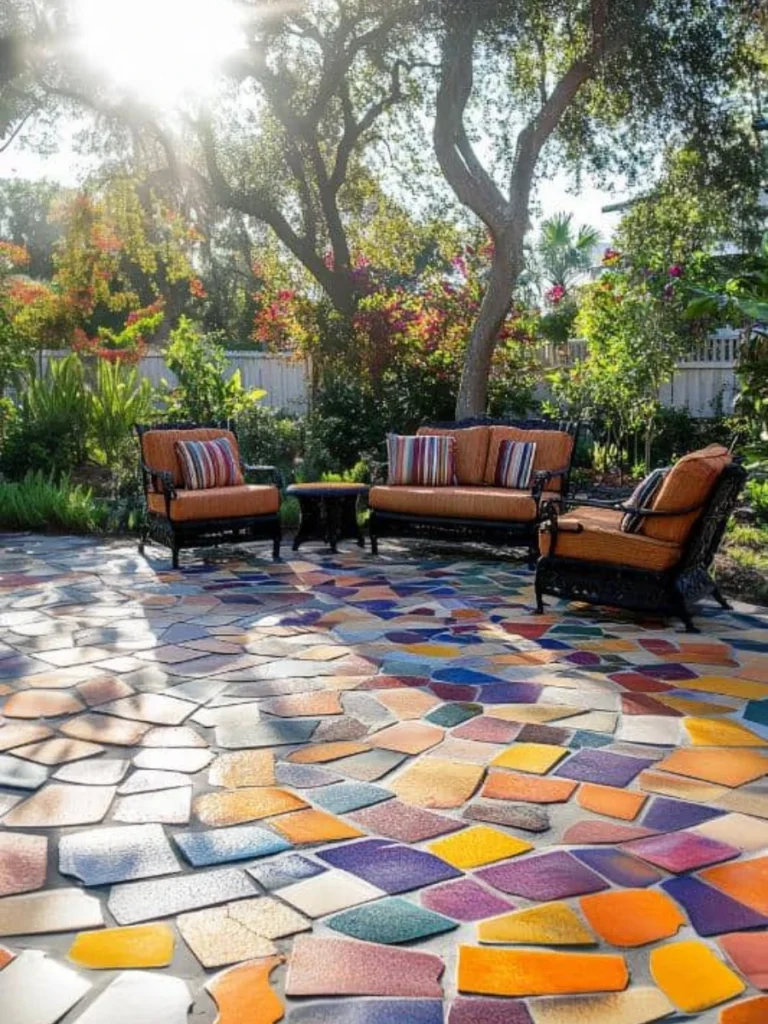
I love the timeless look of red brick pavers because they bring a classic charm that newer materials just cannot replicate properly. These blocks are incredibly durable and handle heavy foot traffic without showing much wear and tear over the long summer months.
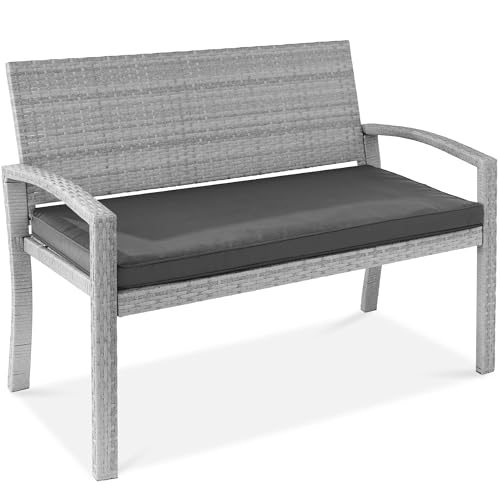
Best Choice Products Outdoor Bench 2-Person Wicker Garden Patio Benches Seating Furniture for Backyard, Porch w/Seat Cushion, 700lb Capacity - Gray/Gray
Best Choice Products Outdoor Bench 2-Person Wicker Garden Patio Benches Seating Furniture for Backyard, Porch…
You can arrange these bricks in a herringbone pattern to add some visual interest and stability to your backyard ground surface. I noticed that this specific layout prevents the pavers from shifting over time, which saves you a lot of maintenance work later.
Maintenance involves a quick sweep and the occasional refill of polymeric sand in the cracks to keep the weeds from taking over. It is a simple task that keeps your outdoor floor looking sharp without requiring you to hire a professional cleaning crew every year.
Brick matches almost any house style from colonial to modern farmhouse, which makes it a safe bet for increasing your home value. I think the warm tones of natural clay create a cozy atmosphere that feels much more inviting than cold and grey concrete slabs.

Home Sweet Home Doormat Set, 2-Piece Layered Front Porch Mat Combo, Natural Coir Welcome Mat with Black and White Buffalo Plaid Rug, Farmhouse Outdoor Entryway Decor for Porch, Patio, Home
Home Sweet Home Doormat Set, 2-Piece Layered Front Porch Mat Combo, Natural Coir Welcome Mat…
2. Elevated Natural Wood Decking
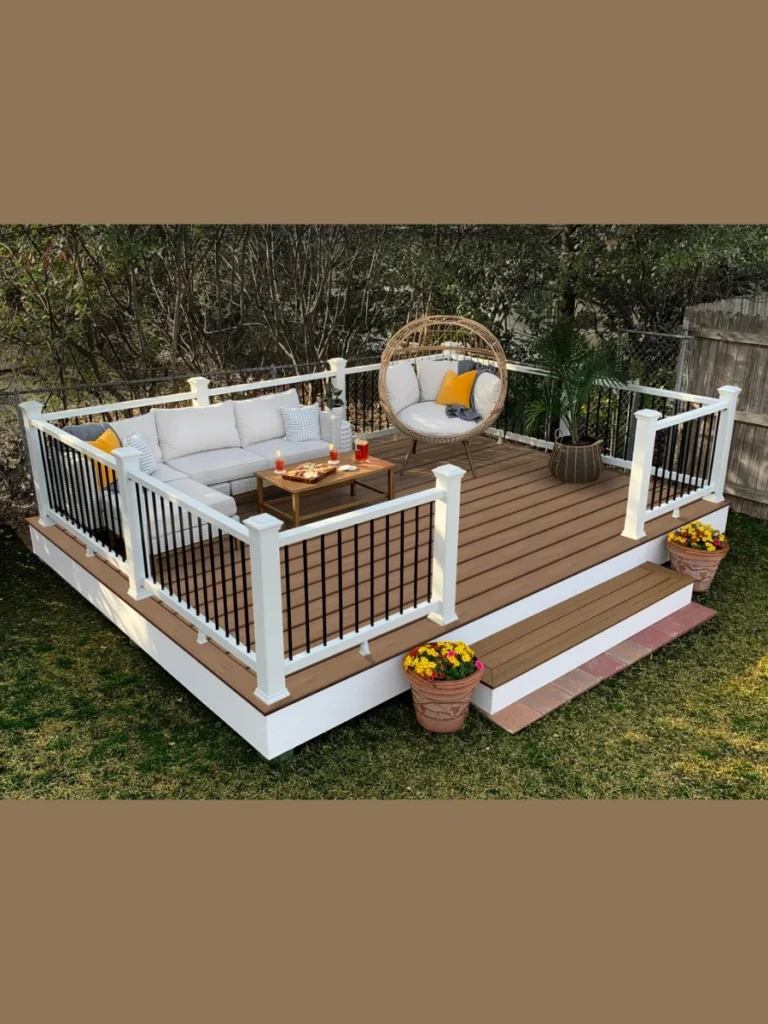
Building a wooden deck is a great way to handle uneven ground in your backyard while creating a dedicated spot for sunbathing. I prefer using cedar or pressure-treated lumber because these options stand up well against rain and annoying wood-boring insects.
You get a natural warmth under your feet that stone simply cannot provide during those chilly autumn evenings spent outside by the fire. I suggest staining the wood every few years to keep the color vibrant and protect the grain from turning a dull grey.
A raised platform allows you to see over your fence line and enjoy a better view of your garden or the neighborhood. I find that adding a simple wooden railing provides both safety for the kids and a place to hang some pretty flower boxes.
The construction process is relatively straightforward for a handy person, but do not be afraid to call a pro for the framing. I believe a well-built deck acts as a seamless extension of your living room, which makes your entire house feel much larger.
3. Screened In Porch Retreat
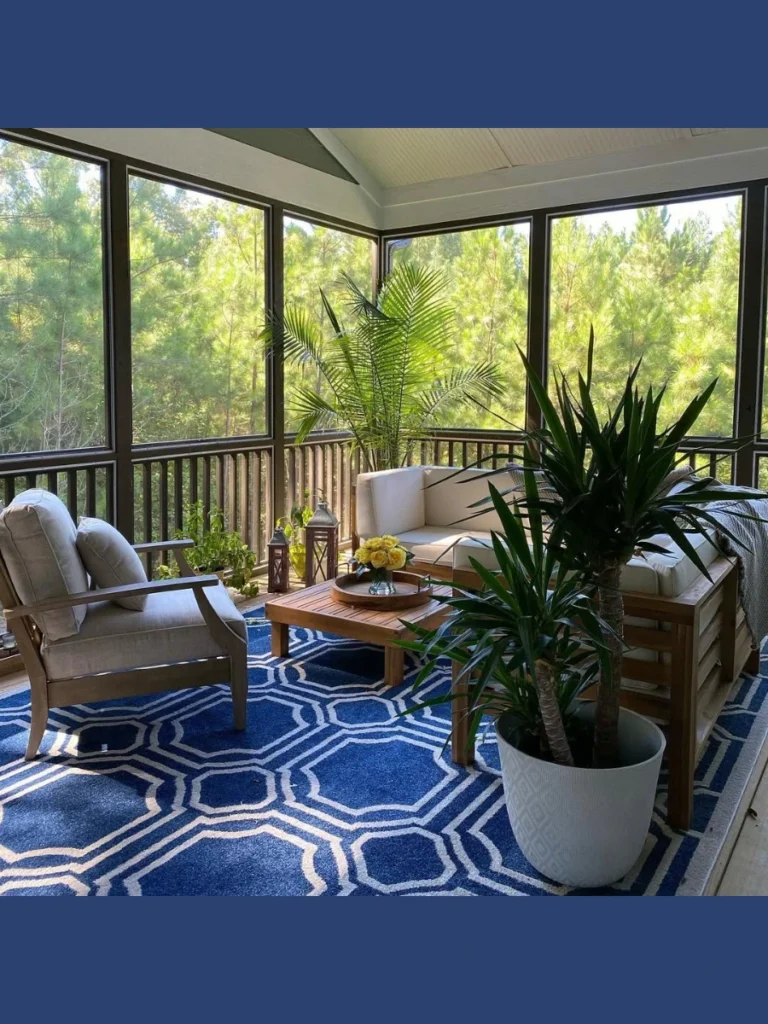
If you are tired of battling mosquitoes every time you want to read a book, then a screened porch is your best friend. I enjoy being able to hear the rain and feel the breeze without having to worry about flying pests ruining my afternoon.
This setup allows you to use indoor-style furniture and rugs since they are protected from the harsh elements of the direct weather. I often spend my Sunday mornings out here with a coffee because it feels like being in nature without the dirt.
You can add a ceiling fan to keep the air moving on those humid days when the wind just refuses to blow at all. I think this is the most practical addition for anyone living in a climate where the bugs are basically the residents.
Adding large glass inserts or thick mesh keeps the space feeling open while still providing a clear boundary from the wild backyard. I have found that a screened area quickly becomes the most popular room in the house for both family and pets.

Funny Patio Signs Outdoor Patio Decor Backyard Bar Metal Signs For Outside Pool Tin Signs Patio Wall Decorations Outdoor Porch Accessories What Happens On The Patio Stay On The Patio Sign 8x12 Inches
Funny Patio Signs Outdoor Patio Decor Backyard Bar Metal Signs For Outside Pool Tin Signs…
4. Modern Concrete Slab Designs
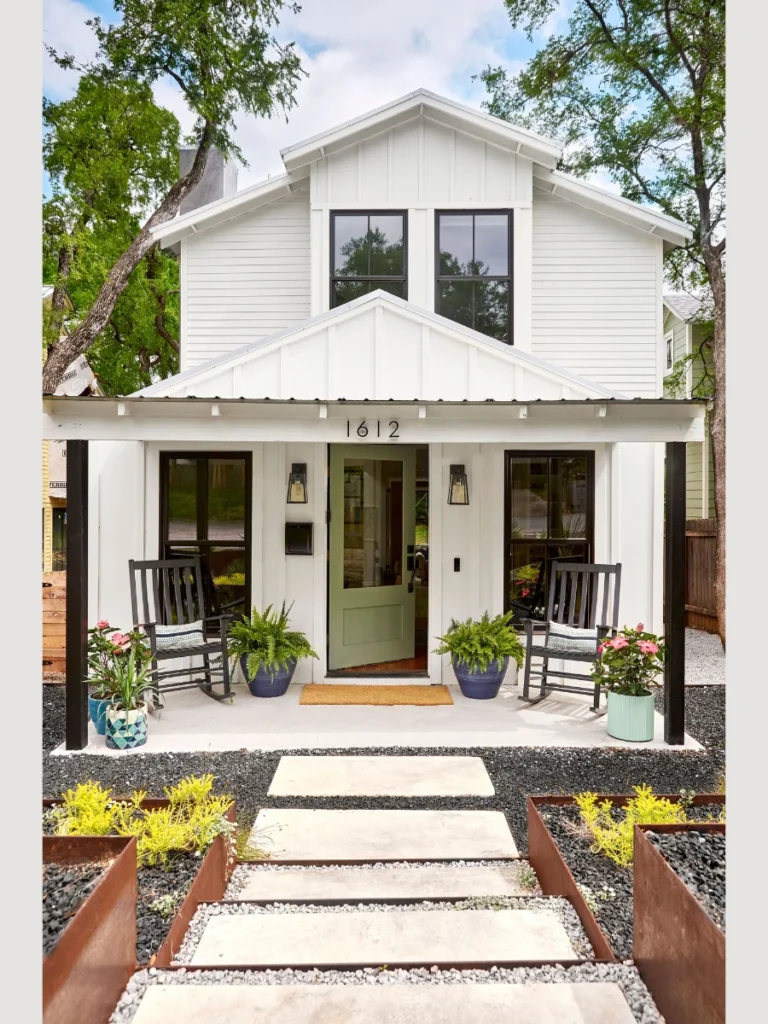
Concrete does not have to be boring if you use large geometric slabs separated by small pebbles or patches of green moss. I like this look for modern homes because the clean lines create a very organized and sophisticated vibe in the backyard.

Best Choice Products 2-in-1 Transforming Interchangeable Outdoor Wooden Picnic Table Garden Bench for Backyard, Porch, Patio, Deck w/Umbrella Hole - Harbor Blue
Best Choice Products 2-in-1 Transforming Interchangeable Outdoor Wooden Picnic Table Garden Bench for Backyard, Porch,…
The flat surface is perfect for stabilizing heavy dining tables and prevents your chairs from wobbling while you are trying to eat dinner. I find that a smooth finish is much easier to power wash than textured stone, which saves me a lot of time.
You can even tint the concrete to match your exterior paint or leave it natural for an industrial aesthetic that looks very high-end. I suggest sealing it once a year to prevent cracks from forming when the ground shifts during the freezing winter months.
This is often the most affordable way to get a massive amount of usable square footage without breaking the bank on expensive materials. I appreciate how concrete stays cool underfoot during the day, which makes it a comfortable choice for bare feet in July.
5. Cozy Stone Fire Pit Seating
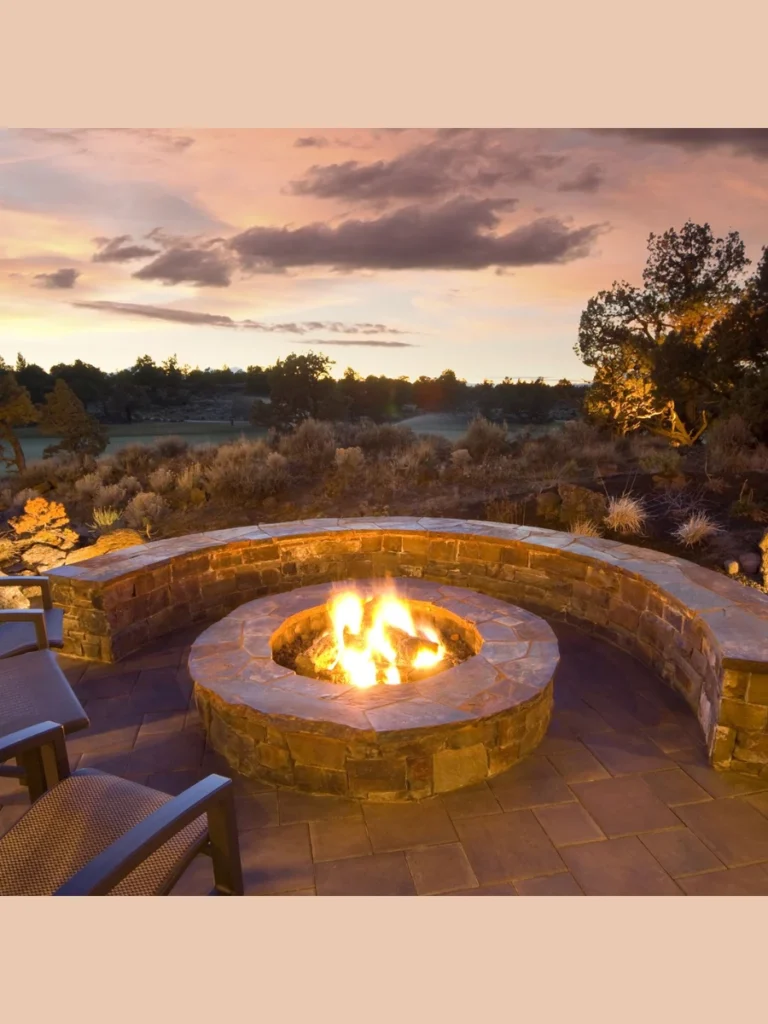
There is nothing quite like sitting around a stone fire pit to make your backyard feel like a high-end mountain resort. I prefer using stacked natural stone because it blends into the landscape perfectly and looks better as it gets a bit weathered.
You should leave enough space for heavy Adirondack chairs so your guests can lounge comfortably without being too close to the actual heat. I think that a circular layout encourages better conversation than a straight line of benches because everyone can see each other.
Having a dedicated spot for a fire means you can extend your outdoor season well into the colder months of the year. I find that a wood-burning pit is more authentic but a gas version is much faster to start.
Safety is key, so make sure you build this feature a good distance away from any overhanging trees or your wooden fence. I always keep a bucket of sand or a hose nearby just to be responsible while enjoying the flickering orange flames.
6. Flagstone Path and Patio Combo
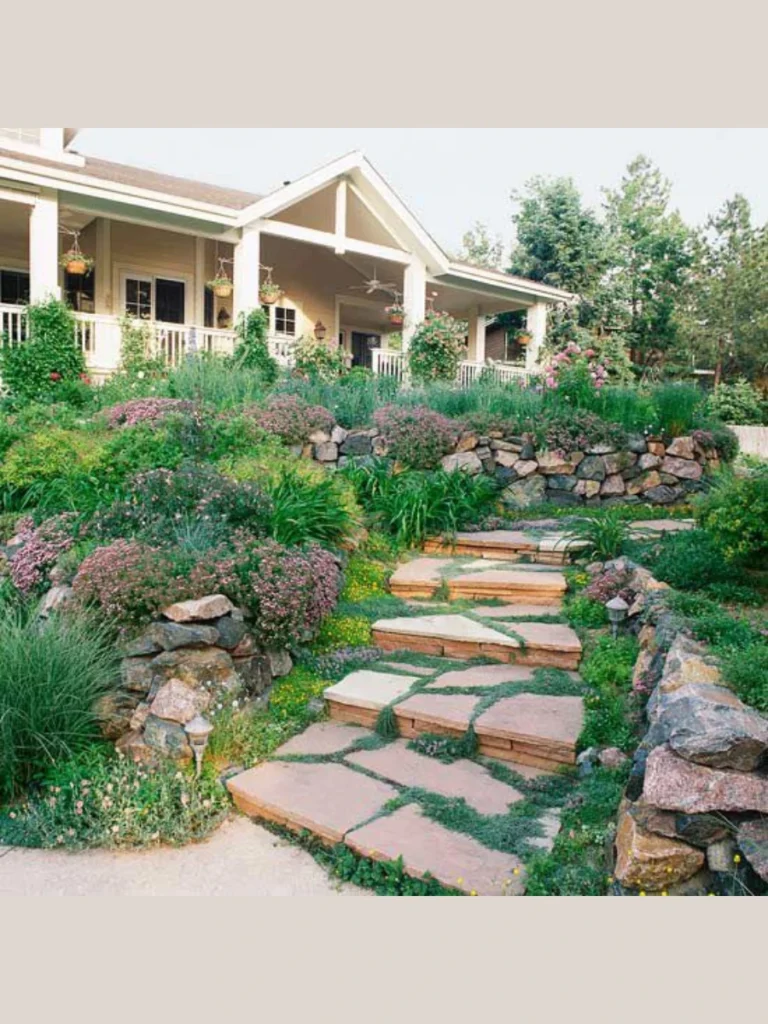
Flagstone offers an organic look with irregular shapes that make your patio feel like it has been there for a hundred years. I enjoy the puzzle of fitting the stones together because it creates a unique floor pattern that no one else will have.

GPQAWER Porch Swing Cushions,Outdoor Cushions 3 Seater Replacement with Backrest, Waterproof Thickened Bench Cushion with Ties for Porch, Patio,Outdoor, Backyard and Garden (Dark Green 47 * 40 in)
GPQAWER Porch Swing Cushions,Outdoor Cushions 3 Seater Replacement with Backrest, Waterproof Thickened Bench Cushion with…
You can plant creeping thyme in the gaps to add a wonderful scent and a splash of green to the grey stone. I have noticed that this helps with drainage too, since the water can soak into the ground instead of pooling on top.
The weight of the stones makes them stay put which means you do not have to worry about them shifting under your feet. I think the variation in natural color from tan to blue grey adds a lot of depth to the backyard.
It works perfectly for creating a winding path that leads from your back door to a hidden seating area deep in the garden. I find that flagstone is the best choice for a rustic look that emphasizes the natural beauty of your outdoor space.
7. Covered Pergola With Climbing Plants
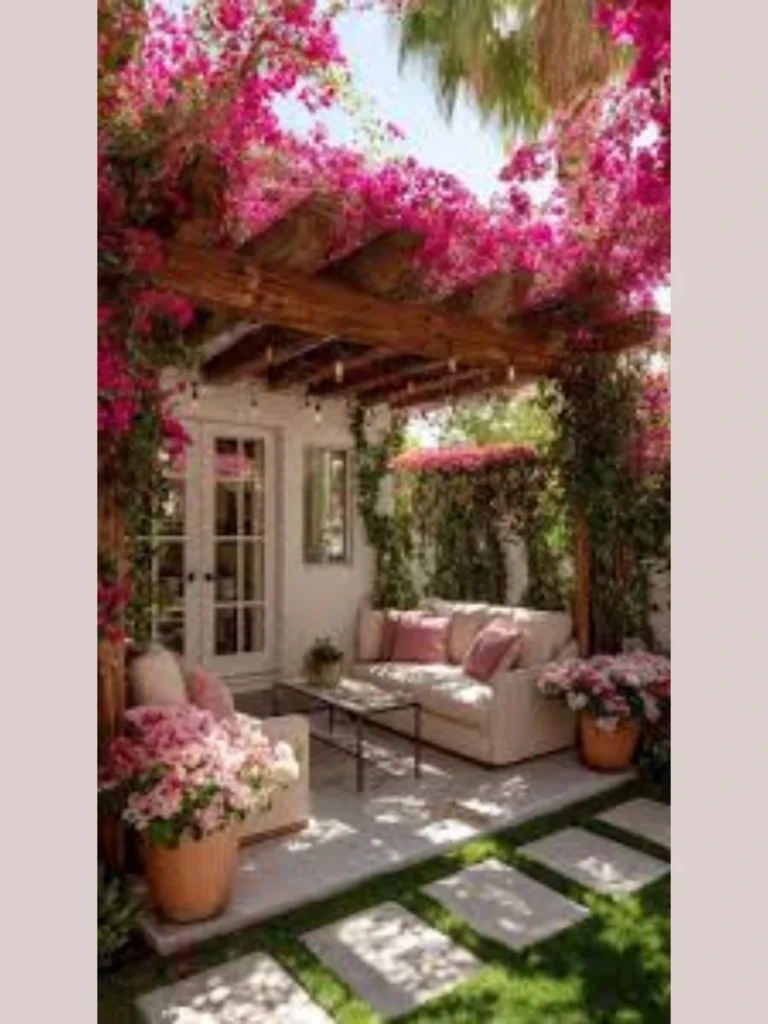
A pergola provides that perfect balance of open air and partial shade while giving your climbing vines a place to grow wild. I love seeing wisteria or grapes hanging from the rafters because it creates a lush green ceiling that looks absolutely stunning.
You can hang outdoor curtains from the sides to get some extra privacy from the neighbors when you are trying to relax. I find that adding a few strings of globe lights to the beams makes the whole area feel magical at night.
The structure itself adds a lot of architectural height to a flat backyard which helps define the patio as a separate room. I suggest using cedar for the posts because it smells great and resists rotting even when it is covered in damp foliage.
It is a great DIY project if you have a weekend and a couple of friends who are willing to help with the heavy lifting. I believe a pergola is the best way to turn a boring concrete pad into a destination that you actually want to visit.
8. Multi-Level Paver Terraces
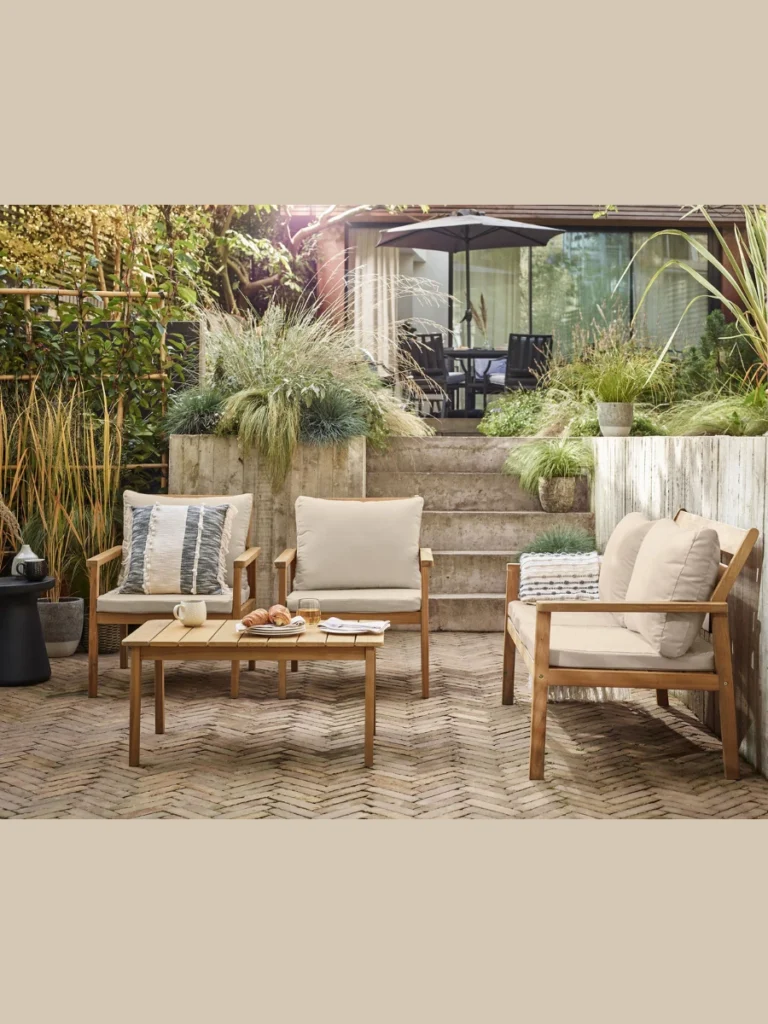
If your backyard has a slope you should consider building multiple levels to create different zones for dining and lounging around. I like how terraces break up a large hill and turn unusable space into several flat areas for various outdoor activities.

Putuo Decor Funny Patio Signs And Decor Outdoor Home Patio Wall Decor Vintage Relax Unwind You're On Patio Time Tin Signs Patio Signs For Outside Backyard Porch Bar Decor 8x12 Inches
Putuo Decor Funny Patio Signs And Decor Outdoor Home Patio Wall Decor Vintage Relax Unwind…
You can use stone retaining walls to hold back the soil while doubling as extra seating for when you have a big crowd. I find that the visual transition between levels makes the yard feel much more dynamic and interesting than a single flat deck.

ALAULM Aluminum Patio Furniture Set with 2 Swivel Chairs 10-seat Metal Outdoor Furniture Patio Sectional Sofas Patio Conversation Set w/5.1" Cushions for Patio, Backyard, Poolside-Grey
ALAULM Aluminum Patio Furniture Set with 2 Swivel Chairs 10-seat Metal Outdoor Furniture Patio Sectional…
It allows you to separate the noisy grill area from a quiet reading nook which is great for multi generational family gatherings. I think the architectural look of tiers adds a lot of curb appeal to the back of your property as well.
Drainage is very important here so make sure you install proper pipes behind the walls to prevent water pressure from building up. I have seen many people ignore this step only to have their beautiful walls lean forward after a heavy rainstorm.
9. Tropical Palapa or Thatched Roof Hut
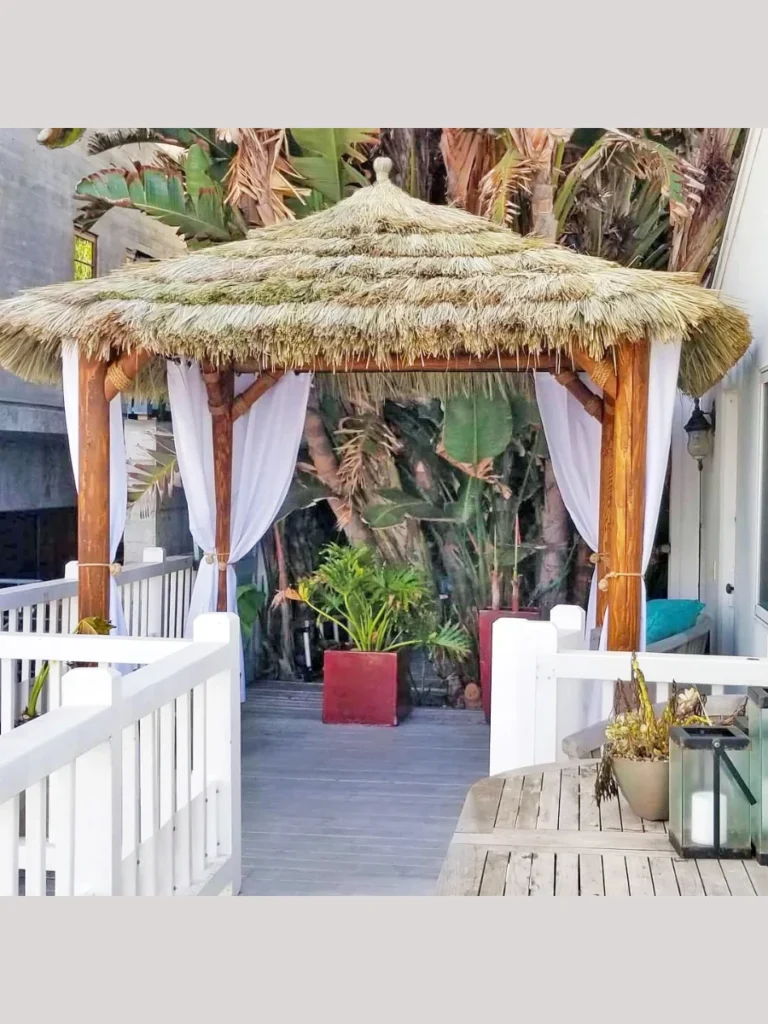
For those who want a vacation vibe at home, a thatched roof hut is a fun way to bring the beach to your backyard. I find that these structures stay incredibly cool in the summer because the natural fibers allow heat to escape through the roof.
You can set up a small bar underneath and serve drinks to your friends like you are at a five star island resort. I suggest using bamboo furniture to complete the look and keep the weight of the decor light and easy to move.
It creates a very strong focal point in the yard that will definitely start conversations during your next neighborhood barbecue or pool party. I love how the sound of the wind moving through the thatch creates a relaxing white noise that masks distant traffic.
Keep in mind that these roofs might need more maintenance in wet climates but the atmosphere they provide is worth the extra effort. I think everyone needs a little escape in their own yard, and this is the most direct way to get it.
10. Minimalist Gravel Patio Space
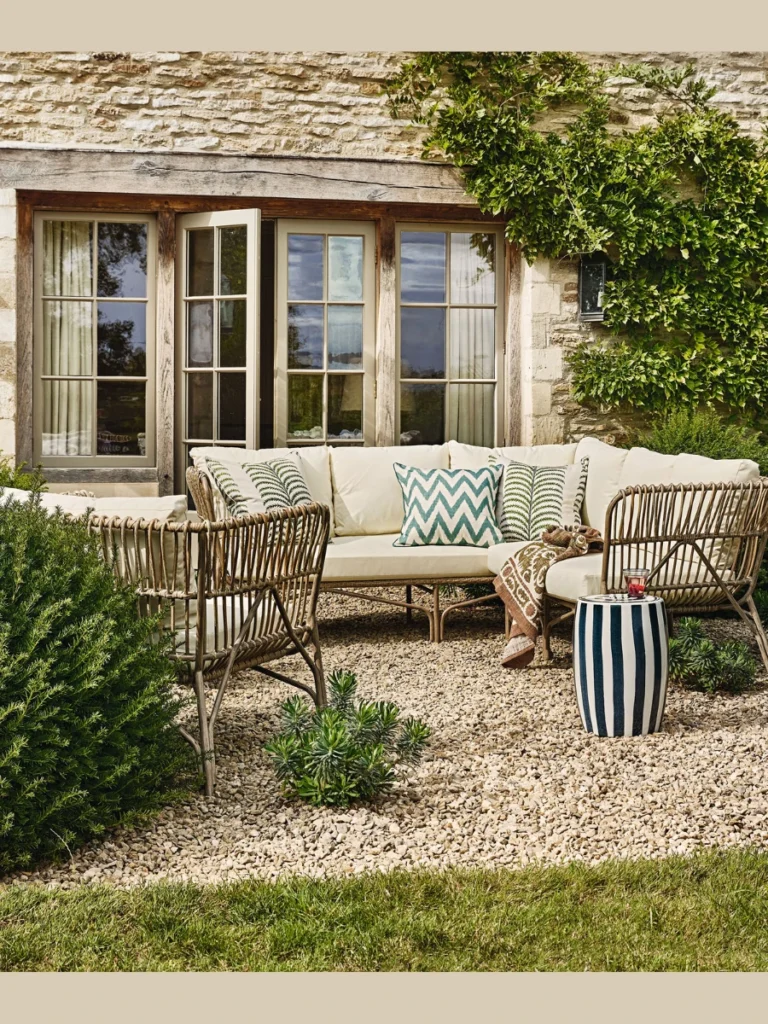
Gravel is the ultimate low maintenance and high style option for anyone who wants a quick and affordable backyard transformation today. I like the crunching sound of the stones under my feet because it reminds me of old European gardens and courtyards.
You should use a high-quality landscape fabric underneath to keep the weeds from pushing through and ruining your clean minimalist look. I find that pea gravel is the most comfortable to walk on but larger crushed stone stays in place much better.
It is incredibly easy to shape into any design you want whether it is a perfect circle or a long rectangular dining area. I suggest bordering the gravel with metal or wood edging to keep the stones from migrating into your grass or flower beds.
This is the perfect choice for a DIY enthusiast who wants a beautiful patio without the stress of mixing concrete or cutting heavy stone. I appreciate how well it drains water which means you will never have a puddle sitting in the middle of your seating area.
11. Built In Bench Seating Perimeters
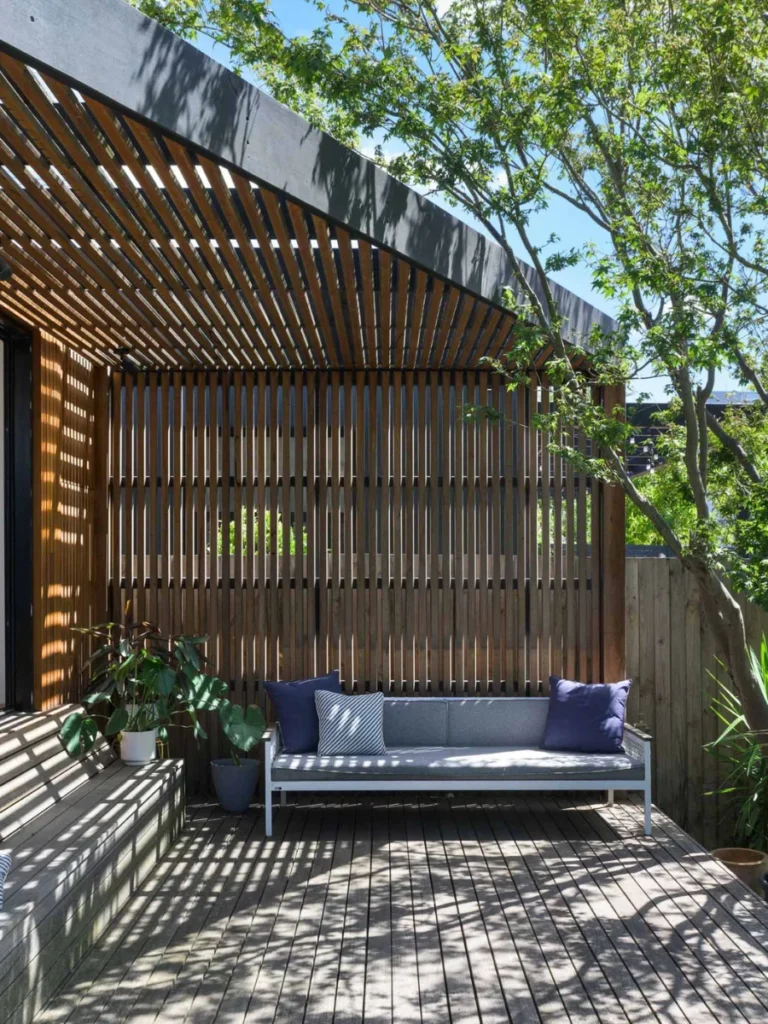
I find that building benches directly into the edge of your patio is a brilliant way to save space and money. You never have to worry about the wind blowing your chairs across the yard or finding enough seats for a large group.
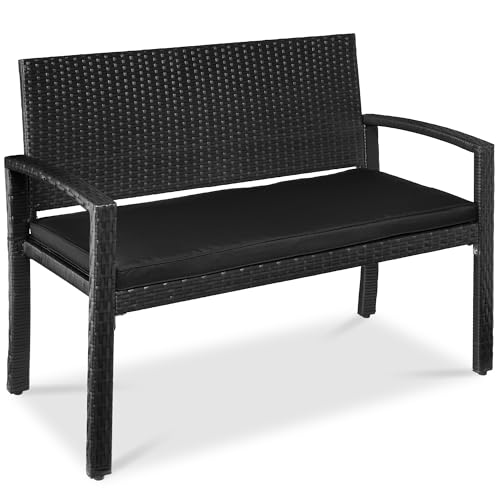
Best Choice Products Outdoor Bench 2-Person Wicker Garden Patio Benches Seating Furniture for Backyard, Porch w/Seat Cushion, 700lb Capacity - Black/Black
Best Choice Products Outdoor Bench 2-Person Wicker Garden Patio Benches Seating Furniture for Backyard, Porch…
These wooden or stone structures define the boundary of your outdoor room while keeping the center area open for activities. I suggest adding some thick weather resistant cushions to make the hard surfaces much more comfortable for long evening chats.
You can even design the benches with flip top lids to create hidden storage for your outdoor pillows and gardening tools. I love how this dual purpose design keeps the backyard looking organized and clutter free throughout the year without extra effort.
Matching the bench material to your deck or patio floor creates a high end custom look that feels very intentional. I think it is the smartest layout choice for smaller backyards where every square inch of floor space really matters.
12. Floating Paver and Turf Patterns
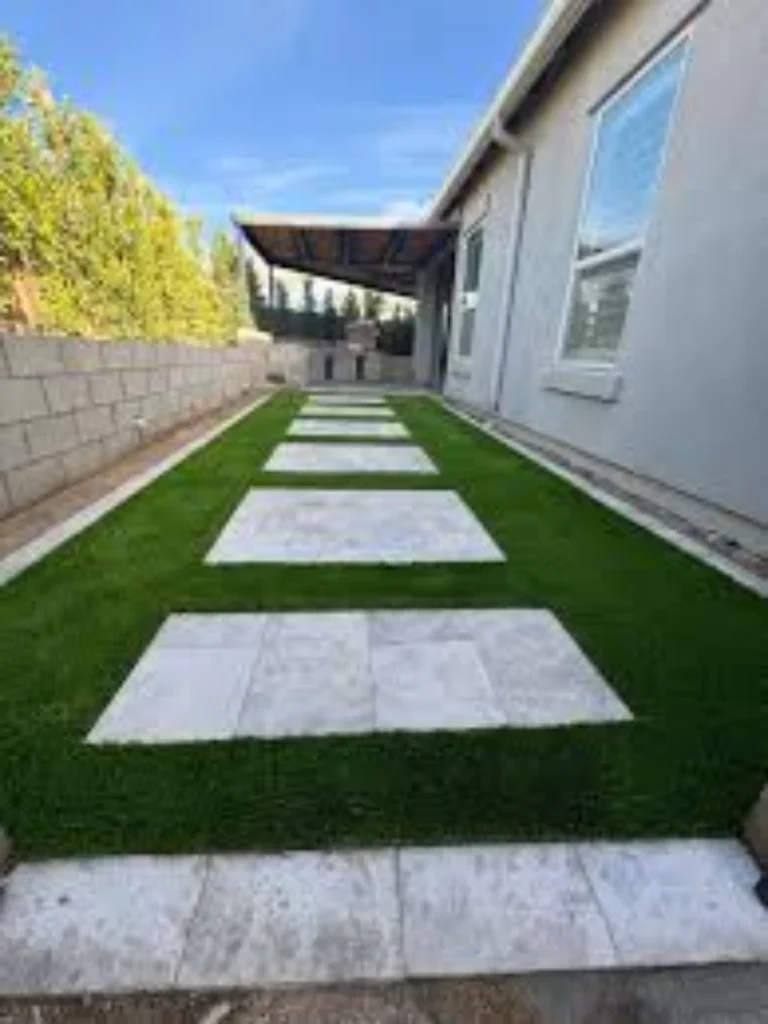
Combining large square pavers with artificial turf or real grass in between creates a stunning checkerboard look that feels very modern. I enjoy how the green strips break up the hard masonry and make the backyard feel much more like a lush garden.
This design allows for excellent water drainage since the rain can soak into the grass strips instead of running off. I have noticed that this prevents the “heat island” effect where a solid stone patio gets uncomfortably hot in the noon sun.
You need to ensure the ground is perfectly level before laying the stones to prevent any tripping hazards on the uneven edges. I find that using large format porcelain pavers works best for this style because they have very crisp and clean lines.
It is a great way to add a bit of soft texture to a space that would otherwise feel too cold or industrial. I believe this “living patio” style is the perfect middle ground for people who want both a floor and a lawn.
13. Outdoor Kitchen and Bar Extensions
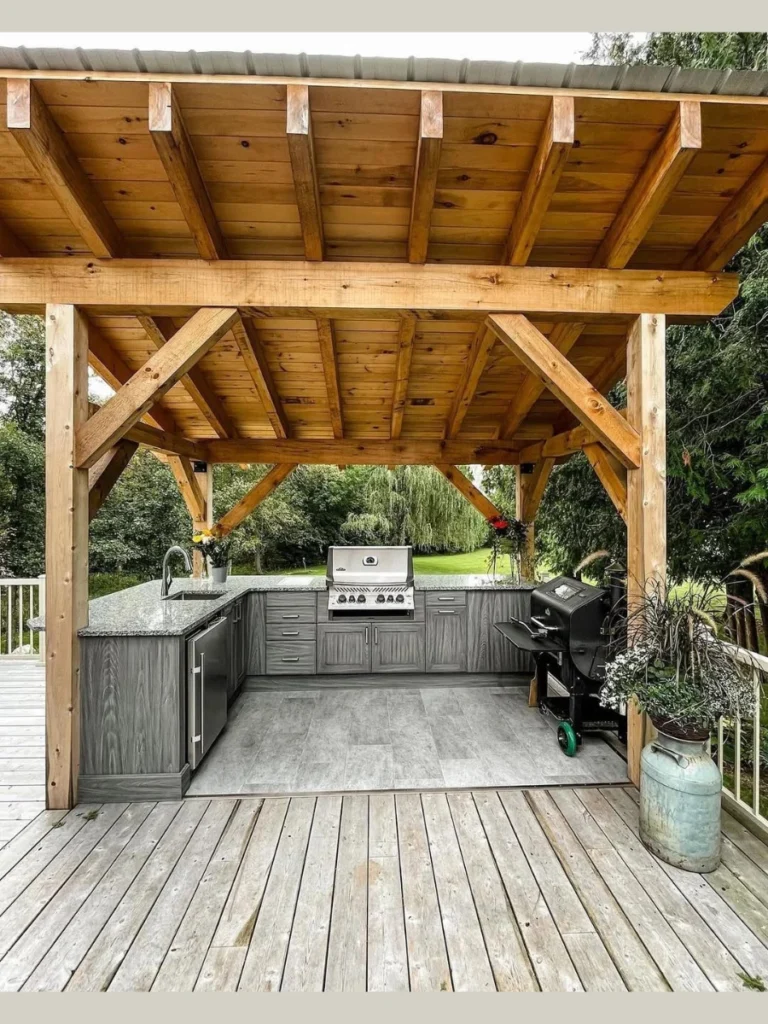
If you love cooking then moving your entire setup outside with a built in grill and stone countertop is a dream. I find that I spend much more time outdoors when I can prep the food and socialize simultaneously with my guests.

Cozy Porch Coloring Book: Relaxing Porch, Patio, and Backyard Scenes with Peaceful Outdoor Spaces for Adults
Cozy Porch Coloring Book: Relaxing Porch, Patio, and Backyard Scenes with Peaceful Outdoor Spaces for…
You should include a small outdoor fridge so you are not constantly running back into the house for cold drinks or condiments. I suggest using stainless steel appliances because they handle the rain and humidity much better than cheaper painted metal options.
Adding a bar height counter with some stools creates a natural gathering spot where friends can hang out while you cook. I think this turns a simple patio into a full entertainment hub that rivals any indoor dining room for comfort.
Make sure you plan for proper lighting over the cooking surface so you can see what you are doing after the sun sets. I have learned the hard way that trying to flip burgers in the dark is a recipe for a very burnt dinner.
Helpful Guide For Maintaining Your Backyard Space
| Task | Frequency | Benefit |
| Power Washing | Once a Year | Removes moss, algae, and deep dirt stains. |
| Sealing Stone | Every 2 Years | Protects against cracks and water penetration. |
| Sanding Wood | As Needed | Prevents splinters and keeps the surface smooth. |
| Weed Control | Monthly | Keeps the cracks in your pavers looking clean. |
Top Tips For Improving Your Outdoor Area
- Layer Your Lighting: Use a mix of overhead string lights and low level solar path lights for a professional look.
- Add Greenery: Place large potted plants in the corners of your patio to soften the hard edges of the stone.
- Focus On Comfort: Buy the highest quality outdoor cushions you can afford because cheap foam flattens out in a single month.
- Stay Flexible: Use smaller side tables that you can move around easily depending on how many guests are visiting.
Conclusion
I believe that a well designed backyard is the secret to actually enjoying your home to the fullest every single season. By picking a style that matches your daily routine you turn a patch of grass into a functional sanctuary for relaxation.

Austram Bird Bath for Outside 23 Inch Speckled White - Stone-Resin Composite Pedestal Birdbath Bowl - Decorative Standing Outdoor Garden Decor for Front Porch Patio Yard Backyard Lawn Ornament
Austram Bird Bath for Outside 23 Inch Speckled White - Stone-Resin Composite Pedestal Birdbath Bowl…
Whether you choose the rustic charm of flagstone or the clean lines of modern concrete, the goal remains the same for everyone. You want a place that feels inviting and reflects your personal taste while standing up to the local weather conditions.
I find that the best projects are the ones where you take your time to choose high-quality materials from the start. A little bit of planning now prevents a lot of expensive headaches and repairs down the road as your patio ages.
I hope these ideas help you visualize what is possible for your own space so you can start building your dream yard. Go ahead and start small with a simple seating area, then expand as your budget and your confidence grow over time.
FAQs
I find that gravel or simple concrete pavers are usually the most budget-friendly options for anyone doing the work themselves. These materials are easy to transport and do not require heavy machinery or specialized professional tools to install properly.
You should use high-quality polymeric sand to fill the joints between your stones because it hardens when wet and blocks seeds. I also suggest a quick spray of white vinegar and water on any stubborn sprouts to keep them away naturally.

Shintenchi Outdoor Rocking Chairs Set of 2,Upgraded High Back Patio Rocking Chair Set,Breathable Textilene Fabric Outdoor Rocking Chair for Porch,Patio,Garden,Balcony,Black
Shintenchi Outdoor Rocking Chairs Set of 2,Upgraded High Back Patio Rocking Chair Set,Breathable Textilene Fabric…
I do not recommend putting wood directly on the soil because the moisture will rot the boards in just a couple of years. You should always use concrete footings or a gravel base to keep the wood dry and allow for proper air circulation.
It usually depends on the height and size of the structure so you should always check with your local building office first. I have found that simple ground level patios rarely need permits, but raised decks and covered porches almost always do.
I suggest mixing a small amount of mild dish soap with warm water and using a soft brush to scrub away any stains. Make sure you let them dry completely in the sun before putting them back on the furniture to prevent mold.
Related Posts
- Top 14 Porch and Patio Ideas
- 15 Best Backyard Patio Design Ideas
- Top 10 Porch and Patio Design Ideas
- 11 Best Porch Design Ideas
- Top 12 Porch Sign Ideas
- 13 Best Modern Porch Furniture Ideas
Recommended for You

LAWNOOK Rocking Patio Bistro Sets - All-Weather - 3 Piece Rattan Conversation Furniture Set, Wicker Outdoor Front Porch Chair for Balcony, Porch, Garden, Backyard, Poolside,Gray
LAWNOOK Rocking Patio Bistro Sets - All-Weather - 3 Piece Rattan Conversation Furniture Set, Wicker…

AECOJOY 10’ x 10’ Gazebo, Wall Mounted Gazebos Pergola on Clearance, Outdoor Patio Lean to Gazebo Awnings for Deck, Porch, Backyard and More
AECOJOY 10’ x 10’ Gazebo, Wall Mounted Gazebos Pergola on Clearance, Outdoor Patio Lean to…
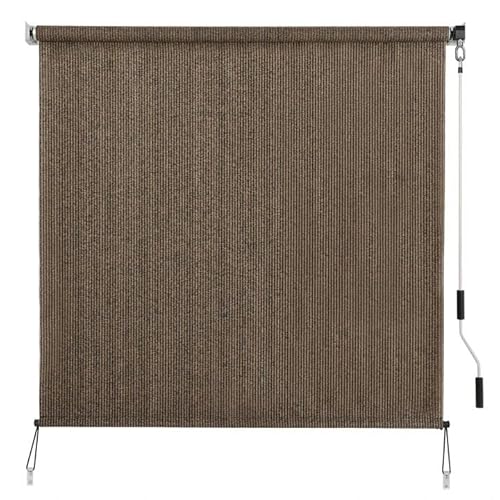
SEEYE Outdoor Sunshade Roller Shades 6' W x 8' H, Cordless Roll Up Shade Blinds Privacy Screen with 90% UV Protection, Exterior Patio Shade Cloth for Porch Pergola Balcony Backyard Windows, Mocha
SEEYE Outdoor Sunshade Roller Shades 6' W x 8' H, Cordless Roll Up Shade Blinds…

HOMEZILLIONS 3 Piece Outdoor Wicker Furniture Bistro Set, Rattan Chairs Conversation Sets Wicker Patio Furniture for Balcony Poolside Backyard, Yellow/Beige
HOMEZILLIONS 3 Piece Outdoor Wicker Furniture Bistro Set, Rattan Chairs Conversation Sets Wicker Patio Furniture…
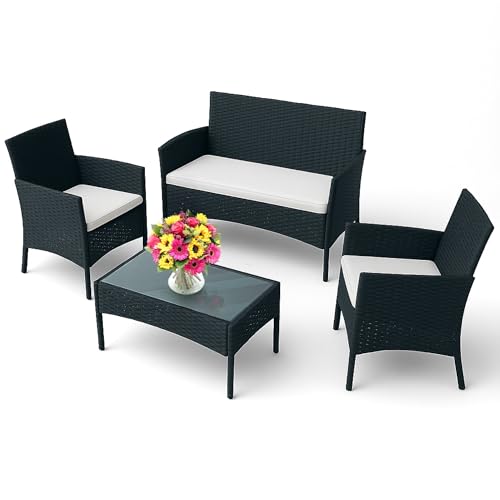
EconoHome 4-Piece Outdoor Patio Furniture Set - Patio Set with 2 Rattan Chairs, 1 Loveseat & 1 Glass -Top Coffee Table - Weather-Proof Wicker with Cushions - Conversation Set for Porch, Balcony, Lawn
EconoHome 4-Piece Outdoor Patio Furniture Set - Patio Set with 2 Rattan Chairs, 1 Loveseat…

VISFLAIR 2 Pack Solar Lights with Plant Stand, Outdoor Floor Lamps, Waterproof Solar Powered Floor Lamps for Patio Deck Porch Yard Garden Decor
VISFLAIR 2 Pack Solar Lights with Plant Stand, Outdoor Floor Lamps, Waterproof Solar Powered Floor…

Amzrap 50FT Outdoor String Lights with Remote, Waterproof Patio Lights with 18+1 Shatterproof LED Bulbs,Dimmable Hanging Decor for Backyard Garden Porch Bistro, Timer & 3 Modes,2700K Warm White
Amzrap 50FT Outdoor String Lights with Remote, Waterproof Patio Lights with 18+1 Shatterproof LED Bulbs,Dimmable…

Grand patio Outdoor Dining Chair Set of 2, 2 Pieces Patio Dining Chairs, Metal Woven Wicker Fixed Patio Chairs with Grey Cushions for Backyard, Deck, Garden, Porch, Lawn and Poolside (Black)
Grand patio Outdoor Dining Chair Set of 2, 2 Pieces Patio Dining Chairs, Metal Woven…

Keter City 30 Gal Outdoor Storage Box and Patio Side Table
Keter City 30 Gal Outdoor Storage Box and Patio Side Table